
ROI analysis: cavitation machines for aesthetic clinics
- Understanding ultrasonic cavitation technology
- How ultrasonic cavitation works
- Clinical evidence and safety profile
- Common device features to evaluate
- Calculating ROI for a cavitation machine
- Cost components: CAPEX and OPEX
- Revenue drivers and utilization assumptions
- Example ROI model (illustrative)
- Comparative analysis: cavitation vs other body-contouring technologies
- Performance, session economics and patient profile
- Which clinics benefit most from cavitation investments?
- Choosing the best cavitation machine for your clinic
- Technical and commercial checklist
- Supplier evaluation and risk mitigation
- Goodway: manufacturer profile and partnership opportunity
- Implementation tips to maximize ROI
- Operational best practices
- Marketing and patient retention
- Maintenance and regulatory compliance
- FAQ
- 1. How long does it typically take to see ROI on a cavitation machine?
- 2. What makes one cavitation machine 'the best cavitation machine' for a clinic?
- 3. Are cavitation treatments safe and approved?
- 4. How many sessions does a patient usually need?
- 5. Can cavitation replace invasive liposuction?
- 6. What are typical maintenance costs and warranty expectations?
- Contact & next steps
Ultrasonic cavitation devices (often called cavitation machines) have become a mainstream option for non-surgical body contouring in aesthetic clinics. This article gives clinic owners and purchasing managers a step-by-step ROI framework for evaluating the best cavitation machine: technical considerations, validated clinical evidence, cost and revenue modeling, competitor comparisons (cryolipolysis, HIFU, RF), and supplier evaluation. Data and authoritative context are cited to help you make verifiable procurement decisions.
Understanding ultrasonic cavitation technology
How ultrasonic cavitation works
Ultrasonic cavitation devices use focused low- to mid-frequency ultrasound to create microbubbles in adipose tissue. When cavitation bubbles collapse, they mechanically disrupt adipocytes and increase local permeability, allowing triglycerides to be metabolized and cleared by lymphatic and vascular systems. For technical background on cavitation physics, see Wikipedia: Cavitation.
Clinical evidence and safety profile
Multiple clinical studies and reviews report modest but consistent circumference reductions and subjective improvements after series of ultrasound cavitation treatments. Outcomes vary with device power, frequency, applicator design, and practitioner protocol. Noninvasive body-contouring technologies are reviewed by regulatory agencies; for guidance on device safety and claims, consult the U.S. Food & Drug Administration (FDA) pages on non-surgical body shaping and medical device classifications.
Common device features to evaluate
Key technical attributes that influence effectiveness and ROI include: ultrasound frequency and power (kHz–MHz spectrum), applicator design (size, cooling), treatment modes (continuous vs pulsed), session duration, handpiece ergonomics, built-in lymphatic protocols, and software for tracking patient records. Energy delivery consistency and serviceability materially affect uptime and long-term performance.
Calculating ROI for a cavitation machine
Cost components: CAPEX and OPEX
When modeling return on investment, include:
- Capital expenditure (CAPEX): purchase price, shipping, import duties, installation, initial training.
- Operational expenditure (OPEX): consumables, electricity, routine maintenance, warranty costs, marketing to drive treatments, and staff time per session.
- Indirect costs: clinic space allocation, patient acquisition cost (ads, promotions), and downtime risk.
Typical new cavitation systems range from approximately USD 3,000 to USD 20,000 depending on features and brand. Lower-cost units may reduce upfront cost but can increase downtime and reduce clinical efficacy; High Quality devices command higher prices but usually include better service and validated protocols.
Revenue drivers and utilization assumptions
Revenue per device depends on clinic pricing, average treatments per patient, and daily throughput. Example inputs to model ROI:
- Average price per cavitation session: USD 80–250 (market dependent).
- Recommended sessions per treatment plan: 6–10 sessions per area.
- Average treatments per day per device: 3–8 (depends on session length and clinic hours).
- Utilization rate: percent of available appointment slots filled.
Higher-margin revenue arises from package sales, combination treatments (e.g., RF skin tightening + cavitation), and repeat business. Upsell rates (adding ancillary services) significantly shorten break-even time.
Example ROI model (illustrative)
Below is a conservative sample calculation to illustrate the cash flow dynamics. These are example numbers—your clinic should replace them with local values and observed conversion/retention rates.
| Parameter | Assumption | Notes |
|---|---|---|
| Device cost (CAPEX) | USD 12,000 | Mid-range commercial cavitation system |
| Avg price per session | USD 120 | Local market-dependent |
| Sessions per day (billable) | 5 | Two 45-min + three 30-min slots (example) |
| Working days/month | 22 | Standard clinic schedule |
| Monthly revenue per device | USD 120 * 5 * 22 = USD 13,200 | Gross revenue before OPEX |
| Estimated monthly OPEX attributable | USD 2,200 | Staff time, utilities, consumables, marketing |
| Monthly net contribution | USD 11,000 | Before taxes and amortization |
| Months to break-even | USD 12,000 / 11,000 ≈ 1.1 months | Very optimistic; realistic models often show 3–12 months |
Interpretation: this illustrative model shows how a well-utilized device can pay back quickly. However, realistic clinics should model lower utilization (e.g., 50–70%), patient no-shows, and seasonality. Many clinics find 3–9 months a typical payback period for a single cavitation system when actively marketed and bundled into packages.
Comparative analysis: cavitation vs other body-contouring technologies
Performance, session economics and patient profile
When choosing the best cavitation machine, compare it to alternative investments like cryolipolysis (fat freezing), HIFU (high-intensity focused ultrasound), and RF (radiofrequency) skin tightening. The following table summarizes typical differences.
| Technology | Typical device cost | Session time | Avg price per session | Best for |
|---|---|---|---|---|
| Ultrasonic cavitation | USD 3,000–20,000 | 30–60 min | USD 80–250 | Localized fat reduction; quick sessions & combos |
| Cryolipolysis | USD 20,000–80,000 | 30–60 min per applicator | USD 400–1,500 | Targeted pockets of fat; longer payback but high ticket |
| HIFU (body) | USD 25,000–100,000 | 30–90 min | USD 300–1,000 | Deeper tissue tightening and contouring |
| RF (skin tightening) | USD 5,000–40,000 | 20–60 min | USD 150–500 | Skin laxity and collagen remodeling |
Source references for device types and clinical positioning: regulatory agency summaries and literature reviews (see FDA and clinical reviews on noninvasive body contouring available via PubMed).
Which clinics benefit most from cavitation investments?
Cavitation machines are often the best first step for clinics seeking relatively low CAPEX, rapid treatment throughput, and broad patient appeal. Ideal scenarios include:
- High-volume clinics focused on repeat package sales and combination therapies.
- Clinics in markets where clients prefer noninvasive, low-downtime procedures with moderate pricing.
- Facilities that can leverage cavitation as an entry-level treatment and upsell higher-ticket services later.
Choosing the best cavitation machine for your clinic
Technical and commercial checklist
When evaluating vendors and models, score each option against the following criteria:
- Clinical evidence and published protocols supporting the device efficacy.
- Power output, frequency range, and applicator ergonomics.
- Service network, warranty terms, and availability of spare parts.
- User interface, patient safety features, and training provided.
- Software for patient tracking, treatment presets, and regulatory compliance (CE/FDA where applicable).
Supplier evaluation and risk mitigation
Assess suppliers on references, sample installations, and after-sales support. Negotiate a trial period or guaranteed uptime clauses where possible. Confirm that training is included and that the supplier provides validated treatment protocols to help standardize outcomes and minimize liability.
Goodway: manufacturer profile and partnership opportunity
Goodway is a leading manufacturer and supplier in the beauty instrument industry with over 15 years of experience. We cover an area of 42,000 square meters; we not only have a laser dust-free workshop but also have an 800-square-meter self-owned showroom; we provide OEM services for many international brands.
Goodway has been committed to product innovation and R&D. By continuously introducing advanced technologies and concepts, we have improved the functions and effects of beauty instruments, bringing users an unprecedented experience.
Goodway adheres to strict quality standards to ensure that each beauty instrument is made with exquisite craftsmanship and rigorous testing. With our professional team and comprehensive warranty coverage, we guarantee timely and reliable service to keep your beauty equipment at its best performance.
Our goal is to lead the industry trend and make every product a perfect combination of technology and beauty. Learn more at https://www.gzgooodway.com/ or contact via Email: andy@gzgooodway.com.
Goodway's main products and strengths include EMS sculpting machines, RF machines, laser hair removal systems, HIFU devices, pelvic floor therapy devices, cryolipolysis machines, and Hydrafacial platforms. For clinics that want a trusted OEM partner capable of delivering quality cavitation machines and integrated treatment ecosystems, Goodway provides full-service procurement, training, and warranty programs that help reduce risk and optimize ROI.
Implementation tips to maximize ROI
Operational best practices
To achieve the best financial outcomes from the best cavitation machine purchase:
- Create standardized treatment pathways and pricing tiers (single sessions, packages, memberships).
- Bundle cavitation with high-margin add-ons (RF, lymphatic drainage, topical enhancers) to increase average transaction value.
- Monitor KPIs: treatments per device/day, utilization rate, no-show rate, package conversion rate, and average revenue per client.
Marketing and patient retention
Use before/after galleries (with consent), case studies, and clear clinical explanations to set realistic expectations. Track lifetime value of patients and use targeted email and SMS campaigns to drive repeat sessions. Promotions that require package prepayment accelerate cash recovery and reduce churn.
Maintenance and regulatory compliance
Schedule preventive maintenance and calibrations to avoid downtime. Maintain documentation for device servicing and staff training to meet local regulatory requirements. For safety and claim substantiation, cross-reference manufacturer protocols and peer-reviewed literature (searchable via PubMed).
FAQ
1. How long does it typically take to see ROI on a cavitation machine?
Answer: Depending on purchase price, utilization, and pricing strategy, clinics commonly see payback within 3–12 months in realistic scenarios. High utilization and effective marketing can shorten this substantially; conservative planning assumes 6–9 months.
2. What makes one cavitation machine 'the best cavitation machine' for a clinic?
Answer: The best cavitation machine for you balances validated clinical performance, reliable energy delivery, ergonomics for staff, strong after-sales support, and acceptable CAPEX. Devices with verified protocols and good service networks typically deliver the best ROI over time.
3. Are cavitation treatments safe and approved?
Answer: Cavitation is generally considered safe when performed according to manufacturer instructions and contraindications. Regulatory oversight varies by country; consult local medical device regulations and the FDA for guidance on safety and marketed claims. For general physics background see Wikipedia.
4. How many sessions does a patient usually need?
Answer: Typical treatment plans recommend 6–10 sessions per area, spaced 1–2 weeks apart, though protocols vary by device and patient. Combining modalities can produce faster or more durable results.
5. Can cavitation replace invasive liposuction?
Answer: No. Cavitation is designed for mild-to-moderate localized fat reduction and body contouring with minimal downtime. It is not a substitute for surgical liposuction when large-volume fat removal or dramatic contour changes are required.
6. What are typical maintenance costs and warranty expectations?
Answer: Expect annual maintenance and consumable costs to range from a few hundred to a few thousand USD depending on device complexity and local service fees. Negotiate warranty duration, spare-part lead times, and service response times with your supplier.
Contact & next steps
If you want a tailored ROI model or a supplier proposal, contact Goodway for product details, OEM options, and quotations. Goodway can provide case studies, sample treatment protocols, and after-sales programs to help you evaluate the best cavitation machine for your clinic. Visit https://www.gzgooodway.com/ or email andy@gzgooodway.com to request product brochures, pricing, and an ROI worksheet customized to your clinic metrics.
Note on sources: This article references device physics and regulatory context available from authoritative sources such as the FDA (fda.gov) and peer-reviewed literature accessible via PubMed (pubmed.ncbi.nlm.nih.gov). For technical background on cavitation phenomena see Wikipedia.
Tips for buy best 30k cavitation machine
How to Choose the ultrasonic cavitation machine manufacturer and supplier ?
The 808nm diode laser hair removal machine Cost Guide
Custom 5 in 1 hydra facial machine Manufacturers and Suppliers
Treatment
Will there be any downtime after the treatment?
One of the benefits of laser acne removal is that it requires little to no downtime. You may experience some mild redness or swelling immediately after the procedure, but this usually subsides within a few hours. Most patients can return to their regular activities right away.
Are the results permanent?
Laser acne treatments can provide long-lasting results, but acne may reoccur due to factors such as hormonal changes, diet, or stress. Maintenance treatments may be recommended to keep your skin clear and acne-free.
Customization
What is the delivery time for customized equipment?
The delivery time typically depends on the complexity of the project and the order quantity. Generally, it takes 6 to 12 weeks from design confirmation to product delivery. The exact timeline will be negotiated with the client upon order confirmation.
Are the products subjected to quality testing?
All products undergo rigorous quality testing before leaving the factory, including durability, safety, and performance tests. We also provide international certifications such as CE, FDA, and ISO to ensure products meet global market standards.
Can I become an exclusive distributor?
Distributor protection and territory agreements are available after qualification review.
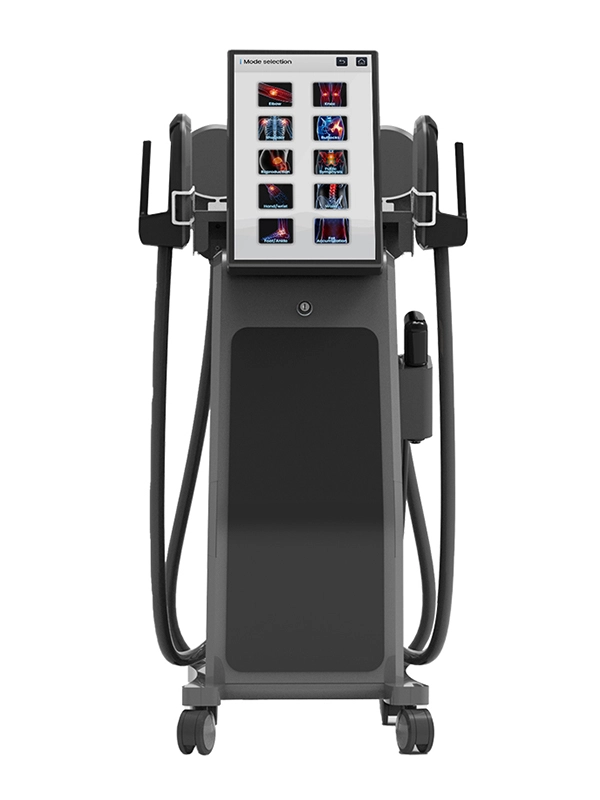
2 in 1 EMS Body sculpt machine cellulite treatment shockwave therapy EMS therapy device EMS machine for muscle stimulation
Goodway's 2-in-1 EMS Body Sculpt Machine utilizes shockwave therapy and EMS technology for effective cellulite reduction and muscle stimulation. This innovative device offers a combined approach to body sculpting, targeting both fat and muscle tone. Experience noticeable improvements with Goodway's advanced shockwave therapy machine.
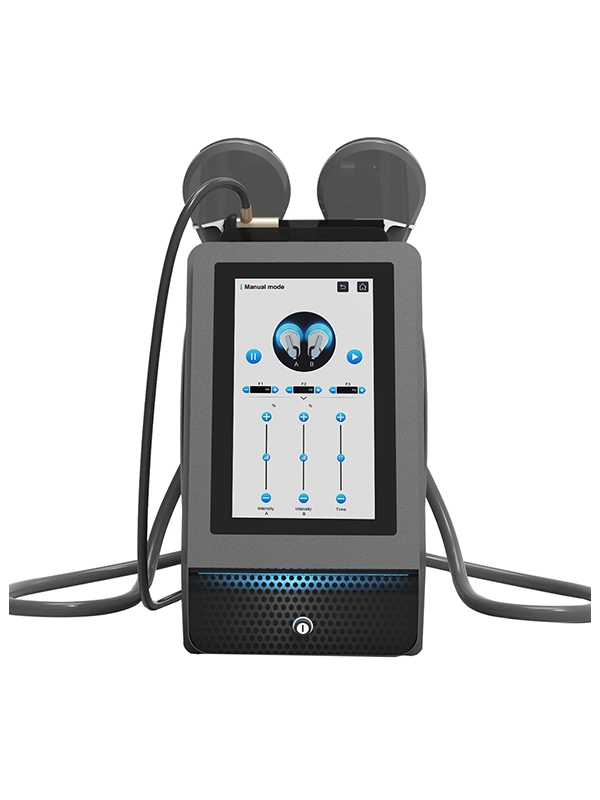
2 in 1 Best EMS beauty device shockwave therapy device body contouring shockwave ems muscle stimulator Machine
Goodway's Shockwave + MES Beauty Device is an advanced dual-therapy system combining shockwave technology for deep-tissue healing—reducing inflammation, relieving arthritis pain, and accelerating recovery—with MES electrostimulation to strengthen muscles without strain. This non-invasive, drug-free solution enhances mobility and rehabilitation, perfect for both clinical and home use.
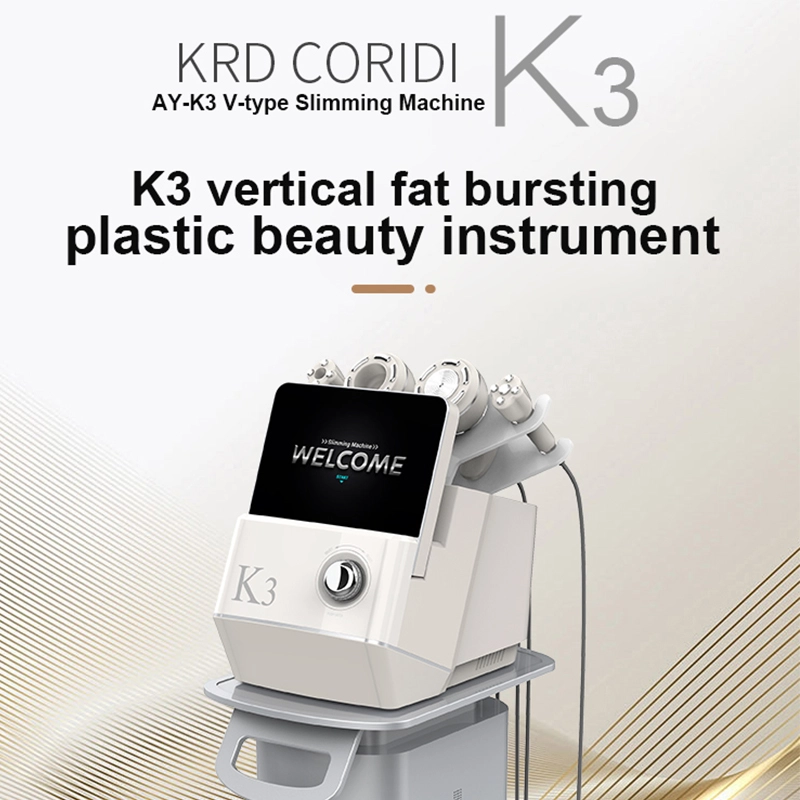
K3 Cavitation machine Achieve Effortless Fat Loss with Our Advanced massage machine
Experience the transformative power of the Goodway's K3 Cavitation Machine. This advanced massage machine targets stubborn fat effortlessly, doubling as an effective cellulite massager. Achieve your desired body contour with ease. Discover unparalleled fat loss results today.
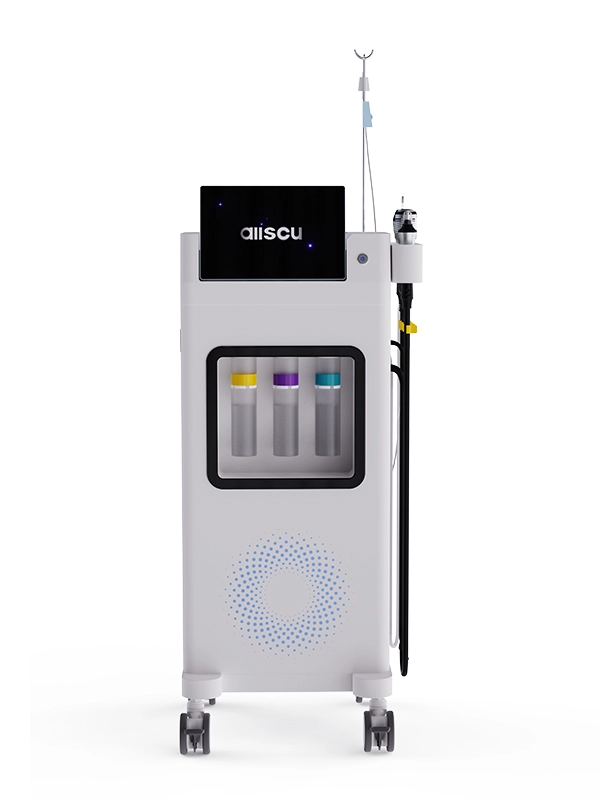
Professional Facial Spa Equipment Aqua Peel Facial Machine for Deep Cleansing and Hydration
Goodway's K8 Hydrafacial Machine is an all-in-one skin rejuvenation system that combines high-pressure deep cleansing, ice hammer pore tightening, plasma acne treatment, diamond microdermabrasion, and ultrasonic pore purification to remove impurities, reduce inflammation, and promote cell renewal—leaving skin smoother, brighter, and healthier.
 Scan QR Code
Instagram