
Quality Control and Factory Audits for Cavitation Vendors
- Market and Buyer Intent: Selecting the Best Professional Ultrasonic Cavitation Machine
- Understanding buyer
- Key product and service expectations
- Market signals and initial red flags
- Quality Standards, Certifications and Regulatory Requirements
- Relevant international standards and regulations
- Certifications and what they mean
- Interpreting test reports and certificates
- Factory Audit Checklist and Quality Control Processes
- Pre-audit document requests
- Onsite audit focus areas
- Quality control tests specific to cavitation machines
- Supplier Evaluation, KPI Metrics and Decision Framework
- Building a supplier scorecard
- KPIs to monitor post-selection
- Contract and IP protection clauses
- Practical Examples, Test Protocols and Comparative Data
- Sample acceptance protocol (abbreviated)
- Comparative supplier table (illustrative)
- Data sources and verification
- Goodway Profile — Why Choose Goodway for Cavitation and Aesthetic OEMs
- Goodway competitive advantages
- What to verify when engaging Goodway
- FAQ
- Q1: What makes a cavitation machine professional?
- Q2: Do cavitation machines require FDA clearance?
- Q3: How often should I re-audit my cavitation equipment supplier?
- Q4: What are the most common QC failures for cavitation devices?
- Q5: Can I require sample batch testing before full production runs?
- Contact & Product CTA
Finding the best professional ultrasonic cavitation machine requires more than product demos and price checks. For clinics, distributors, and OEM buyers, robust quality control (QC) and factory audits are essential to validate safety, performance, regulatory compliance, and supplier reliability. This article summarizes the key audit checkpoints, test methods, certification expectations, and practical templates you can use to vet cavitation vendors and minimize commercial and clinical risk.
Market and Buyer Intent: Selecting the Best Professional Ultrasonic Cavitation Machine
Understanding buyer
Most buyers searching for the best professional ultrasonic cavitation machine fall into three categories: clinical buyers (aesthetics clinics, medical spas), commercial resellers/distributors, and OEM/brand owners. Each group prioritizes slightly different factors: clinical buyers emphasize clinical efficacy and patient safety, resellers focus on reliability and margins, while OEMs prioritize factory capabilities, IP protection, and scalable production.
Key product and service expectations
Across buyer types, the core expectations include: consistent cavitation power and frequency, accurate treatment parameters, durable transducers/handpieces, clear user interface and training, safety interlocks, and robust after-sales service. Semantic keyword-related devices you should consider while evaluating vendors include ultrasonic cavitation device, professional cavitation system, non-invasive fat reduction device, and radio frequency cavitation combo systems.
Market signals and initial red flags
Red flags when sourcing: vendors with no factory photos or traceable address, lack of third-party certifications (CE/ISO/FDA-related documentation where applicable), inconsistent technical datasheets, or refusal to permit an onsite audit or provide test reports. Early screening should include product IDs, declared certifications, and sample performance data.
Quality Standards, Certifications and Regulatory Requirements
Relevant international standards and regulations
Understanding applicable standards helps you set audit pass/fail criteria. Common references for aesthetics devices include ISO 13485 for medical device quality management (ISO 13485), CE marking requirements for the EU marketplace (CE marking), and FDA oversight for certain claims or device classes in the U.S. (FDA Medical Devices). Even if a cavitation machine is marketed as aesthetic, adherence to ISO 13485 demonstrates a mature quality system.
Certifications and what they mean
Below is a concise comparison table indicating what each certification or standard typically signifies for cavitation devices and vendors.
| Certification / Standard | Scope | Relevance to Cavitation Devices | Source |
|---|---|---|---|
| ISO 13485 | Quality management for medical devices | Demonstrates consistent manufacturing controls & traceability | ISO |
| CE Marking | Compliance with EU safety & performance requirements | Necessary for EU sales; implies technical documentation & risk assessment | EU Commission |
| FDA Clearance/Registration | U.S. regulatory pathway for medical devices | Relevant if device claims medical treatment; registration shows commitment to US standards | FDA |
| EMC / LVD | Electromagnetic compatibility & electrical safety | Covers safety of electronics and reduces interference risks in clinics | European directives / test labs |
Interpreting test reports and certificates
Always request full test reports (not just certificates) that show sample IDs, test dates, and lab accreditation. Independent labs with IEC 17025 accreditation are preferred. Verify certificate authenticity with issuing bodies when possible. Certificates without associated test data are insufficient, especially for devices claiming therapeutic outcomes.
Factory Audit Checklist and Quality Control Processes
Pre-audit document requests
Before visiting, request: company registration, factory address and layout, quality manual, ISO certificates, BOM and part sources for critical components (transducers, generators), production capacity reports, yield/rejection rates, and sample product testing data. This allows a focused, efficient onsite audit.
Onsite audit focus areas
Key onsite checkpoints include:
- Workshop cleanliness and environmental controls (e.g., dust-free laser/assembly areas)
- Traceability: are serial numbers, batch records, and component origins recorded?
- Calibration and measurement systems: are test instruments calibrated and records maintained?
- Assembly processes and warranties: process SOPs, operator training, and final inspection routines
- R&D capabilities: in-house test benches, prototype labs, and protocol for software/firmware updates
- After-sales & spare parts logistics: local stock, response SLA and technical support
Quality control tests specific to cavitation machines
Essential QC tests to request or witness:
- Ultrasonic power and frequency measurement across handpieces (using calibrated hydrophones or power meters)
- Transducer impedance and matching tests
- Thermal profiling of handpieces during typical operating cycles
- Electrical safety tests (earth continuity, leakage current, dielectric strength)
- EMC testing to ensure minimal interference in clinic environments
Supplier Evaluation, KPI Metrics and Decision Framework
Building a supplier scorecard
Create a weighted scorecard covering: quality system (20%), product performance (25%), regulatory documentation (15%), delivery & capacity (15%), R&D & IP (10%), and commercial terms & after-sales (15%). Scores below a pre-set threshold in critical areas (e.g., QC test consistency or missing ISO 13485) should disqualify the vendor.
KPIs to monitor post-selection
After onboarding a vendor, track KPIs: first-pass yield, return rate (RMA), mean time to repair (MTTR), on-time delivery %, complaint trend, and time to supply critical spare parts. Regular performance reviews and periodic re-audits (annual or biannual) should be part of the contract.
Contract and IP protection clauses
For OEM partnerships, include clear IP ownership clauses, NDA terms, agreed QA acceptance criteria, warranty terms, and corrective action timelines. Include right-to-audit clauses and penalties for non-compliance to protect brand reputation and patient safety.
Practical Examples, Test Protocols and Comparative Data
Sample acceptance protocol (abbreviated)
A typical sample acceptance protocol for an incoming cavitation machine shipment could include: visual inspection, power-on self-test, one-hour continuous run at standard settings with thermal logging, ultrasonic power verification, and final cosmetic check. Acceptance only when all metrics are within agreed tolerances.
Comparative supplier table (illustrative)
| Supplier | ISO 13485 | Typical Lead Time | First-pass Yield | Comments |
|---|---|---|---|---|
| Goodway | Yes (documented) | 4-8 weeks (depending on OEM customization) | >95% (reported) | Strong R&D and showroom; OEM services |
| Supplier B | No | 6-12 weeks | 85-90% | Lower cost but higher rework |
| Supplier C | Yes | 8-16 weeks | 90-95% | Good documentation but limited showroom/testing |
Data sources and verification
Where possible, corroborate vendor claims with laboratory reports from accredited test houses (IEC 17025) and regulatory agency listings. Public sources such as the FDA device database, EU NANDO for notified bodies, and ISO registry pages provide additional verification pathways (FDA, ISO).
Goodway Profile — Why Choose Goodway for Cavitation and Aesthetic OEMs
Goodway is a leading manufacturer and supplier in the beauty instrument industry with over 15 years of experience. We cover an area of 42,000 square meters; we not only have a laser dust-free workshop but also have an 800-square-meter self-owned showroom; we provide OEM services for many international brands.
Goodway has been committed to product innovation and R&D. By continuously introducing advanced technologies and concepts, we have improved the functions and effects of beauty instruments, bringing users an unprecedented experience.
Goodway adheres to strict quality standards to ensure that each beauty instrument is made with exquisite craftsmanship and rigorous testing. With our professional team and comprehensive warranty coverage, we guarantee timely and reliable service to keep your beauty equipment at its best performance.
Our goal is to lead the industry trend and make every product a perfect combination of technology and beauty.
Goodway's primary product lines include ems sculpting machine, RF Machine, laser hair removal machine, HIFU machine, pelvic floor therapy systems, cryolipolysis machine, and hydrafacial devices. For more details, see our website: https://www.gzgooodway.com/.
Goodway competitive advantages
Operational scale (large factory footprint), a dedicated dust-free workshop for sensitive optics and laser assembly, an expansive showroom for client demonstrations, and mature OEM workflows (including private-labeling, firmware customization, and clinical protocol development) distinguish Goodway from smaller vendors. Their agility in R&D plus stable supplier networks for transducers and electronics support consistent first-pass yield and competitive lead times.
What to verify when engaging Goodway
When you audit Goodway or similar vendors, request: R&D test reports, preventive maintenance and calibration records, batch sampling data for cavitation output, and a written warranty and spare parts SLA. These items should be part of the technical annex in any supply agreement.
FAQ
Q1: What makes a cavitation machine professional?
Answer: A professional ultrasonic cavitation machine combines reliable ultrasonic output (stable frequency and power), durable medical-grade handpieces, validated safety systems, comprehensive training and clinical protocols, and access to reliable after-sales service and spare parts. Proven test reports and a vendor's quality management system (e.g., ISO 13485) add further assurance.
Q2: Do cavitation machines require FDA clearance?
Answer: It depends on intended use and claims. If a manufacturer markets the device for medical treatment or therapeutic claims, U.S. regulatory pathways may apply. For cosmetic uses, different jurisdictions have variable requirements. Check FDA guidance (FDA Medical Devices) and local regulators.
Q3: How often should I re-audit my cavitation equipment supplier?
Answer: Best practice is an annual desktop review and an onsite re-audit every 12–24 months, or sooner if product quality issues, regulatory changes, or significant volume increases occur.
Q4: What are the most common QC failures for cavitation devices?
Answer: Common failures include inconsistent ultrasonic output due to transducer defects, inadequate EMC shielding causing interference, poor soldering or connector issues in handpieces, and insufficient thermal management leading to overheating during extended treatments.
Q5: Can I require sample batch testing before full production runs?
Answer: Yes. Include pre-production sample approval, production lot sampling plans, and acceptance criteria in your contract. Require third-party testing for critical parameters when necessary.
Contact & Product CTA
To evaluate potential cavitation vendors or to view Goodway's range of devices, request a factory audit, or ask for sample testing protocols, contact Goodway via their website: https://www.gzgooodway.com/. For direct inquiries, prepare your product specification sheet, expected annual volumes, and regulatory target markets to speed up the supplier evaluation process.
Best cavitation machines for multi-treatment beauty centers

EMS Body Sculpt Machine: How 2-in-1 Devices Target Cellulite
How to start the rf skin tightening machine business ?
Top 10 cavitation machine amazon Manufacturers and Supplier Brands in UK
Customization
Do you support small-batch custom production?
Yes, we support small-batch custom production to meet the needs of startups and new markets. This allows clients to test market reactions with reduced risks.
How is after-sales service and support handled?
We provide comprehensive after-sales services, including product usage training, technical support, and repair services. Clients can contact our customer service team via phone or email for timely assistance and support.
What is your minimum order quantity (MOQ)?
MOQ depends on customization level. Contact us for project-based evaluation.
Treatment
Are the results permanent?
Laser acne treatments can provide long-lasting results, but acne may reoccur due to factors such as hormonal changes, diet, or stress. Maintenance treatments may be recommended to keep your skin clear and acne-free.
Is laser acne removal painful?
Most patients experience minimal discomfort during the treatment. You may feel a slight stinging sensation as the laser pulses are applied to the skin, but numbing creams can be used to minimize any discomfort. The treatment is generally well-tolerated.
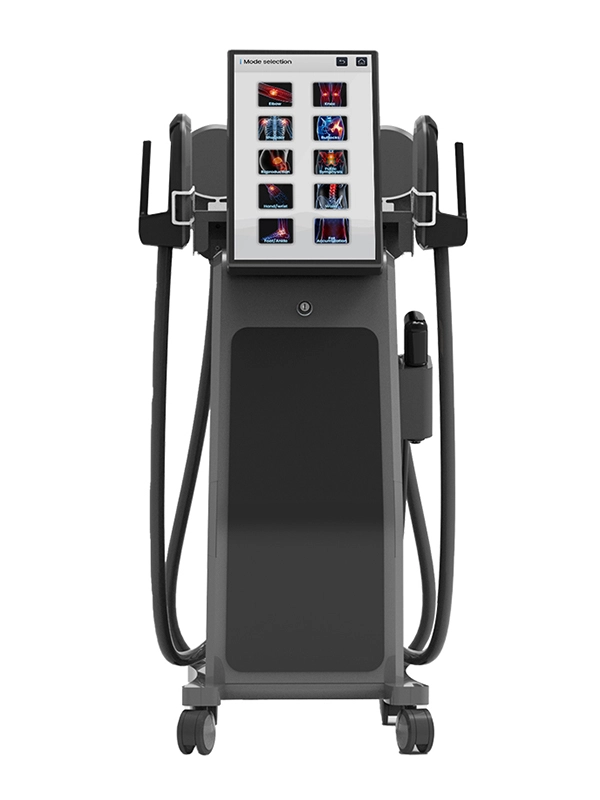
2 in 1 EMS Body sculpt machine cellulite treatment shockwave therapy EMS therapy device EMS machine for muscle stimulation
Goodway's 2-in-1 EMS Body Sculpt Machine utilizes shockwave therapy and EMS technology for effective cellulite reduction and muscle stimulation. This innovative device offers a combined approach to body sculpting, targeting both fat and muscle tone. Experience noticeable improvements with Goodway's advanced shockwave therapy machine.
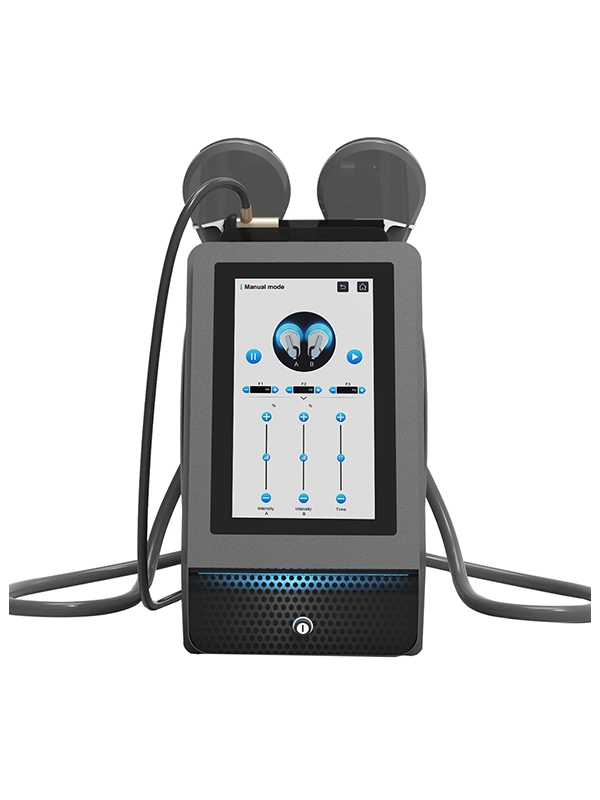
2 in 1 Best EMS beauty device shockwave therapy device body contouring shockwave ems muscle stimulator Machine
Goodway's Shockwave + MES Beauty Device is an advanced dual-therapy system combining shockwave technology for deep-tissue healing—reducing inflammation, relieving arthritis pain, and accelerating recovery—with MES electrostimulation to strengthen muscles without strain. This non-invasive, drug-free solution enhances mobility and rehabilitation, perfect for both clinical and home use.
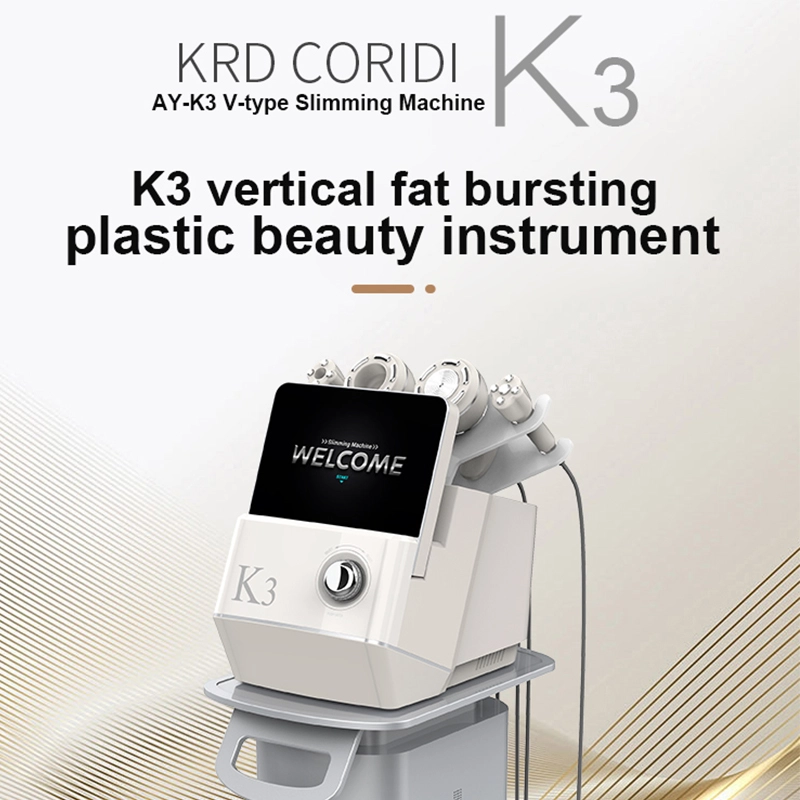
K3 Cavitation machine Achieve Effortless Fat Loss with Our Advanced massage machine
Experience the transformative power of the Goodway's K3 Cavitation Machine. This advanced massage machine targets stubborn fat effortlessly, doubling as an effective cellulite massager. Achieve your desired body contour with ease. Discover unparalleled fat loss results today.
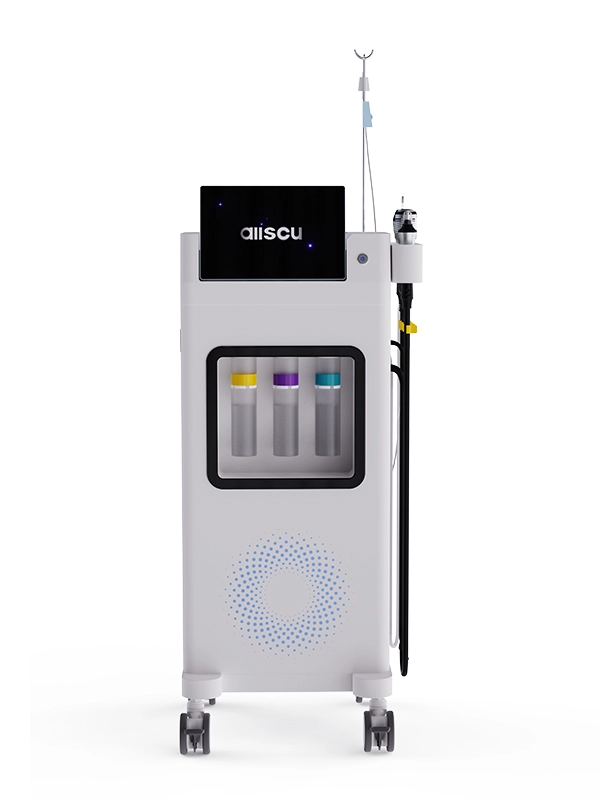
Professional Facial Spa Equipment Aqua Peel Facial Machine for Deep Cleansing and Hydration
Goodway's K8 Hydrafacial Machine is an all-in-one skin rejuvenation system that combines high-pressure deep cleansing, ice hammer pore tightening, plasma acne treatment, diamond microdermabrasion, and ultrasonic pore purification to remove impurities, reduce inflammation, and promote cell renewal—leaving skin smoother, brighter, and healthier.
 Scan QR Code
Instagram