
Portable vs stationary cavitation machines: pros and cons
- Understanding ultrasonic cavitation
- What is cavitation and how is it applied in aesthetics?
- Key technical parameters that determine efficacy
- Portable vs stationary: side-by-side comparison
- Performance and treatment capacity
- Cost, ROI and space considerations
- Maintenance, durability and serviceability
- Clinical effectiveness, safety and regulatory considerations
- What the clinical evidence says
- Safety profile and common adverse effects
- Regulatory and quality standards
- How to choose the best cavitation machine for your needs
- For clinics and medspas: prioritize power, multi-modality and support
- For mobile therapists and small studios: emphasize portability, budget and simplicity
- Key buyer checklist
- Manufacturer selection: why supplier capability matters
- Goodway: industry experience and R&D focus
- Quality, service and product range
- Core products and competitive strengths
- Practical protocols and tips for maximizing results
- Treatment planning and patient selection
- Pre- and post-care recommendations
- Monitoring outcomes and documentation
- FAQs
- 1. Is cavitation safe for home use?
- 2. How many sessions are typically required?
- 3. Can cavitation replace liposuction?
- 4. What makes a cavitation machine the 'best' choice?
- 5. Are there regulatory considerations when buying for a clinic?
- 6. Do combined treatments (e.g., cavitation + RF) improve results?
- Conclusion & contact
Ultrasonic cavitation has become a mainstream non-invasive body-contouring option. Whether you are a clinician, medspa owner, or mobile beautician looking for the best cavitation machine, choosing between portable and stationary models affects treatment outcomes, clinic workflow, regulatory compliance and return on investment. This article explains how cavitation works, compares portable vs stationary systems across technical, clinical and commercial dimensions, and provides evidence-based guidance and practical purchase criteria.
Understanding ultrasonic cavitation
What is cavitation and how is it applied in aesthetics?
Cavitation in the context of body contouring refers to the formation and collapse of microbubbles in tissue liquids caused by low-frequency ultrasound. The mechanical stress from bubble collapse can disrupt adipocyte membranes and facilitate triglyceride release, which is then metabolized by the body. For a physics overview of cavitation, see the Wikipedia entry on cavitation.
Key technical parameters that determine efficacy
Important machine parameters include ultrasound frequency (commonly 20–40 kHz for so-called cavitation devices), power output (W), pulse mode (continuous vs pulsed), handpiece design, and integrated complementary modalities such as radiofrequency (RF) or vacuum. These parameters influence depth of effect, treatment time, and patient comfort. When evaluating the best cavitation machine, examine frequency, power range and whether the device allows adjustable energy and pulse settings to match patient needs.
Portable vs stationary: side-by-side comparison
Performance and treatment capacity
Stationary cavitation systems are typically designed for higher continuous power, larger applicators and integrated multi-modality platforms (e.g., cavitation + RF + vacuum). This allows faster treatment of larger areas and greater clinical throughput. Portable units are optimized for lower power, compact handpieces and convenience, making them suitable for spot treatments and mobile services. For clinics seeking the highest throughput and consistent performance, stationary systems often represent the best cavitation machine choice.
Cost, ROI and space considerations
Portable cavitation machines have lower upfront costs and minimal footprint, easing entry for solo practitioners and mobile therapists. Stationary units cost more initially but can generate higher per-session revenue due to shorter treatment times and broader treatment menus. Consider lifetime cost (purchase price, consumables, maintenance, warranty and expected lifespan) to estimate ROI.
Maintenance, durability and serviceability
Stationary platforms usually include more robust cooling, better heat dissipation and serviceable components, translating to longer life under heavy clinical use. Portable devices can be very reliable for light use, but may lack modular repair options; often the entire unit must be returned for service. Factor in warranty terms, local service support and availability of replacement handpieces when selecting the best cavitation machine for your practice.
| Feature | Portable Cavitation | Stationary Cavitation |
|---|---|---|
| Typical power / frequency | Lower average power; typical frequencies in 20–40 kHz range; smaller applicators | Higher sustained power; same frequency band but higher energy delivery and larger applicators |
| Treatment area & speed | Best for localized areas; longer treatment times for large areas | Faster coverage of abdomen, flanks and thighs |
| Cost | Lower upfront cost; lower maintenance | Higher upfront cost; higher revenue potential |
| Use case | Home use, mobile therapists, small studios | Clinics, medspas, high-volume practices |
| Serviceability | Often limited; unit replacement may be required | Modular parts; easier onsite maintenance |
| Complementary features | Usually single-modality; some include RF | Multi-modality: RF, vacuum, cavitation, cryo or HIFU options |
Clinical effectiveness, safety and regulatory considerations
What the clinical evidence says
Peer-reviewed studies on ultrasound cavitation show variable results depending on device parameters, treatment protocols and patient selection. Many studies report measurable circumference reduction and subjective improvement when cavitation is combined with RF or other modalities, but outcomes are modest and often require multiple sessions and lifestyle support. For clinical literature searches and examples, consult PubMed.
Safety profile and common adverse effects
Noninvasive cavitation is generally safe when performed by trained operators. Typical transient effects include redness, mild soreness, ecchymosis, and temporary edema. Rare complications (e.g., burns, prolonged discomfort) are usually linked to improper energy settings or poor device maintenance. Devices with integrated temperature monitoring and regulated power curves reduce the risk of thermal injury.
Regulatory and quality standards
Medical and aesthetic devices must follow applicable regulatory pathways. In many markets, clearance or registration with national authorities (e.g., U.S. FDA) or compliance with medical device quality management systems such as ISO 13485 is expected. When comparing manufacturers, verify certifications, clinical reports and post-market surveillance records. Choosing a supplier with documented quality systems increases the chance you are buying the best cavitation machine for safety and performance.
How to choose the best cavitation machine for your needs
For clinics and medspas: prioritize power, multi-modality and support
If your practice treats many patients daily, prioritize stationary platforms with clinical-grade power, interchangeable applicators, and the ability to combine cavitation with RF, vacuum or HIFU. Evaluate treatment times, comfort features (cooling, coupling systems), and whether the vendor provides clinical training, marketing collateral, and rapid service. A higher initial investment often translates into faster session throughput and better margins per treatment.
For mobile therapists and small studios: emphasize portability, budget and simplicity
Mobile professionals benefit from lightweight, battery-supplemented (if available) or compact mains-powered devices that are easy to transport and set up. Verify treatment protocols, patient eligibility criteria, and realistic expected results. Seek units with clear safety interlocks, simple user interfaces and reliable cooling—these features minimize downtime during appointments.
Key buyer checklist
- Clinical evidence and third-party studies for the specific model.
- Adjustable energy settings and multiple applicator sizes for treatment personalization.
- Warranty length, availability of spare parts and local service network.
- Regulatory conformity and quality certifications (e.g., ISO 13485, CE, FDA if applicable).
- Training, marketing support and documented SOPs.
Manufacturer selection: why supplier capability matters
Goodway: industry experience and R&D focus
Goodway is a leading manufacturer and supplier in the beauty instrument industry with over 15 years of experience. We cover an area of 42,000 square meters; we not only have a laser dust-free workshop but also have an 800-square-meter self-owned showroom; we provide OEM services for many international brands. Goodway has been committed to product innovation and R&D. By continuously introducing advanced technologies and concepts, we have improved the functions and effects of beauty instruments, bringing users an unprecedented experience.
Quality, service and product range
Goodway adheres to strict quality standards to ensure that each beauty instrument is made with exquisite craftsmanship and rigorous testing. With our professional team and comprehensive warranty coverage, we guarantee timely and reliable service to keep your beauty equipment at its best performance. Our goal is to lead the industry trend and make every product a perfect combination of technology and beauty.
Core products and competitive strengths
Goodway's main products include EMS sculpting machine, RF machines, laser hair removal machine, HIFU machine, pelvic floor devices, cryolipolysis machine and hydrafacial systems. The company emphasizes OEM capability, robust factory infrastructure, and an R&D pipeline that integrates multi-modality platforms—meaning you can source combined cavitation+RF systems or scalable stationary platforms. Visit Goodway's website at https://www.gzgooodway.com/ or contact via email at andy@gzgooodway.com for product catalogs, training & OEM inquiries.
Practical protocols and tips for maximizing results
Treatment planning and patient selection
Best outcomes occur in patients with localized adiposity and realistic expectations, combined with lifestyle measures (diet, exercise). Document baseline photos and measurements, and set a course of multiple sessions (commonly 4–8 sessions spaced weekly or biweekly). Adjust energy and applicator selection by treatment site and patient tolerance.
Pre- and post-care recommendations
- Pre-treatment: counsel patients to hydrate well and avoid heavy alcohol or anti-inflammatory use unless medically directed.
- Post-treatment: recommend increased water intake and light physical activity to promote lymphatic clearance; avoid heavy massage immediately unless protocol specifies it.
Monitoring outcomes and documentation
Use objective measures where possible: circumference, weight, caliper measurements, and standardized photography. Clinical audit of outcomes helps refine protocols and supports marketing claims—especially important when you promote your practice as offering the best cavitation machine treatments.
FAQs
1. Is cavitation safe for home use?
Some portable devices are marketed for home use, but safety and efficacy depend on device quality and user training. Home devices usually have lower energy outputs and slower results. For best and safest outcomes, follow manufacturer instructions and consult a professional if unsure. Verify device certifications and recall history.
2. How many sessions are typically required?
Most protocols recommend 4–8 sessions spaced 1–2 weeks apart. Individual results vary based on device parameters, patient physiology and lifestyle.
3. Can cavitation replace liposuction?
No. Cavitation is a noninvasive option for localized fat reduction and body contouring in patients with mild to moderate adiposity. It is not a substitute for surgical liposuction when large-volume fat removal or skin excision is required.
4. What makes a cavitation machine the 'best' choice?
The best cavitation machine combines reliable energy delivery, adjustable settings, good clinical evidence for that model, warranty/service support and compatibility with your clinical workflow. For clinics, multi-modality stationary platforms with strong vendor support are often superior; for mobile use, portability and simple maintenance matter more.
5. Are there regulatory considerations when buying for a clinic?
Yes. Confirm local regulatory requirements for marketing and operating energy-based aesthetic devices. Look for CE marking, ISO management systems (e.g., ISO 13485) and, where applicable, national approvals or clearances. Always retain technical files and clinical data supplied by the manufacturer.
6. Do combined treatments (e.g., cavitation + RF) improve results?
Combining cavitation with RF or vacuum often provides synergistic benefits: cavitation disrupts adipocytes while RF tightens skin and improves dermal remodeling. Multi-modality protocols are commonly used to increase patient satisfaction and measurable outcomes.
Conclusion & contact
Choosing between a portable and stationary cavitation machine depends on your practice model, budget, expected throughput and treatment goals. Evaluate devices on clinical evidence, adjustable technical parameters, warranty/service and manufacturer reputation. For clinics wanting robust performance and multi-modality capability, stationary platforms often represent the best cavitation machine option. For mobile professionals and small studios, well-designed portable units can provide cost-effective, safe services.
If you would like product recommendations, OEM options or detailed specifications, contact Goodway — an experienced manufacturer with a broad product range and strong service network. Learn more at https://www.gzgooodway.com/ or email andy@gzgooodway.com to request catalogs, training schedules and sample protocols.
References and further reading: Cavitation (Wikipedia); PubMed: ultrasound cavitation body contouring; U.S. FDA - Medical Devices; ISO 13485.
OEM/ODM Options for Ultrasonic Cavitation Machines
Why choose Goodway as your rf machine manufacturer in US
How Much is a Hydra Facial Machine? Price Guide & Factors
Custom diode laser hair removal machine supplier Manufacturers and Suppliers
Customization
Are the products subjected to quality testing?
All products undergo rigorous quality testing before leaving the factory, including durability, safety, and performance tests. We also provide international certifications such as CE, FDA, and ISO to ensure products meet global market standards.
Can the brand logo and packaging design be customized?
Yes, we offer customization services for brand logos and packaging design. Clients can choose their preferred colors, materials, and design styles to ensure the products align with their brand image and appeal to the target market.
What is the delivery time for customized equipment?
The delivery time typically depends on the complexity of the project and the order quantity. Generally, it takes 6 to 12 weeks from design confirmation to product delivery. The exact timeline will be negotiated with the client upon order confirmation.
What is your minimum order quantity (MOQ)?
MOQ depends on customization level. Contact us for project-based evaluation.
Treatment
How long does each session take?
A typical acne removal session lasts between 20 to 30 minutes, depending on the size of the treatment area. You can often fit a session into your lunch break.
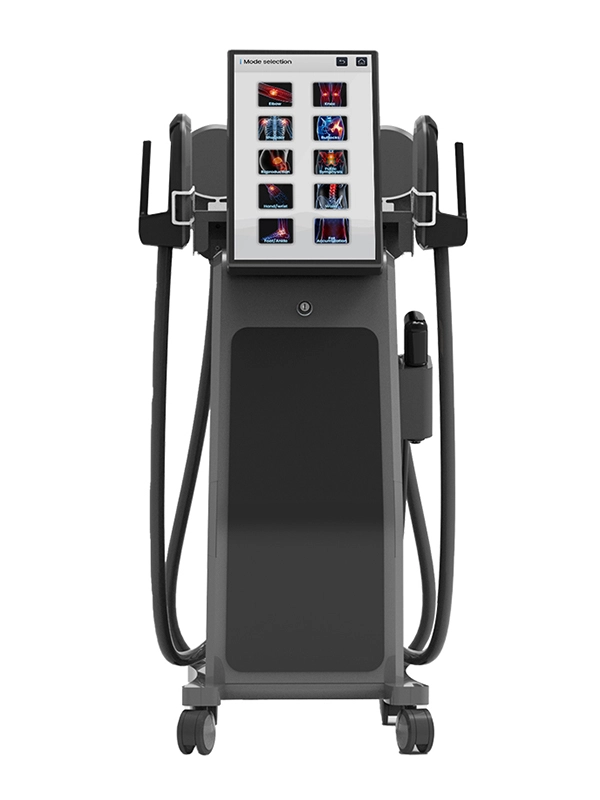
2 in 1 EMS Body sculpt machine cellulite treatment shockwave therapy EMS therapy device EMS machine for muscle stimulation
Goodway's 2-in-1 EMS Body Sculpt Machine utilizes shockwave therapy and EMS technology for effective cellulite reduction and muscle stimulation. This innovative device offers a combined approach to body sculpting, targeting both fat and muscle tone. Experience noticeable improvements with Goodway's advanced shockwave therapy machine.
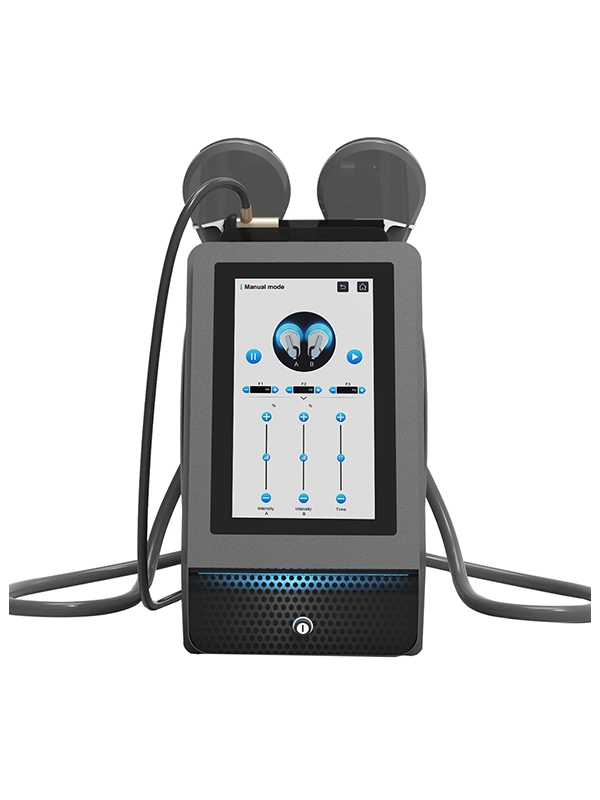
2 in 1 Best EMS beauty device shockwave therapy device body contouring shockwave ems muscle stimulator Machine
Goodway's Shockwave + MES Beauty Device is an advanced dual-therapy system combining shockwave technology for deep-tissue healing—reducing inflammation, relieving arthritis pain, and accelerating recovery—with MES electrostimulation to strengthen muscles without strain. This non-invasive, drug-free solution enhances mobility and rehabilitation, perfect for both clinical and home use.
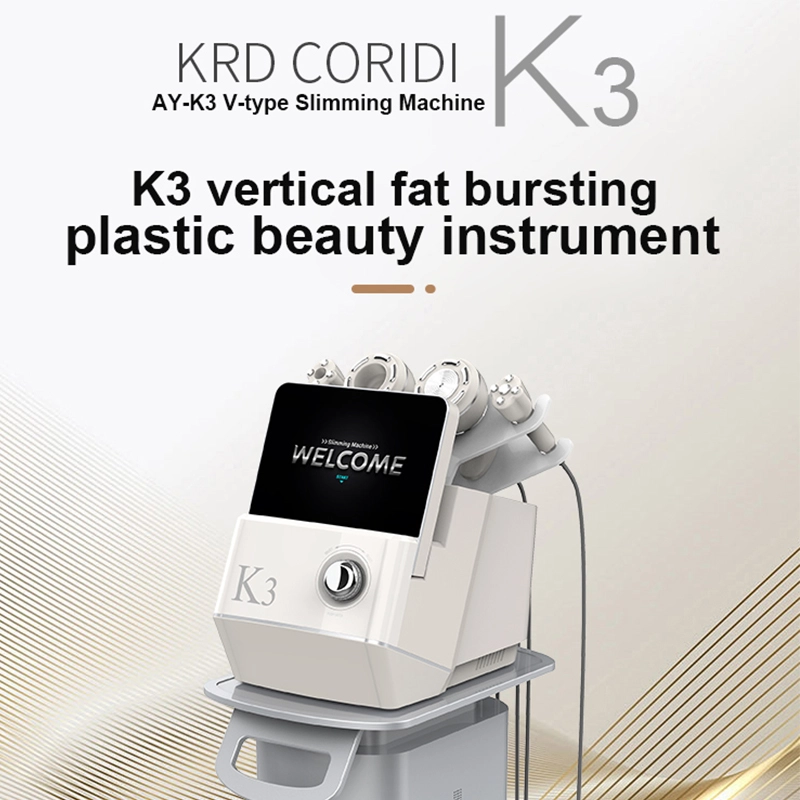
K3 Cavitation machine Achieve Effortless Fat Loss with Our Advanced massage machine
Experience the transformative power of the Goodway's K3 Cavitation Machine. This advanced massage machine targets stubborn fat effortlessly, doubling as an effective cellulite massager. Achieve your desired body contour with ease. Discover unparalleled fat loss results today.
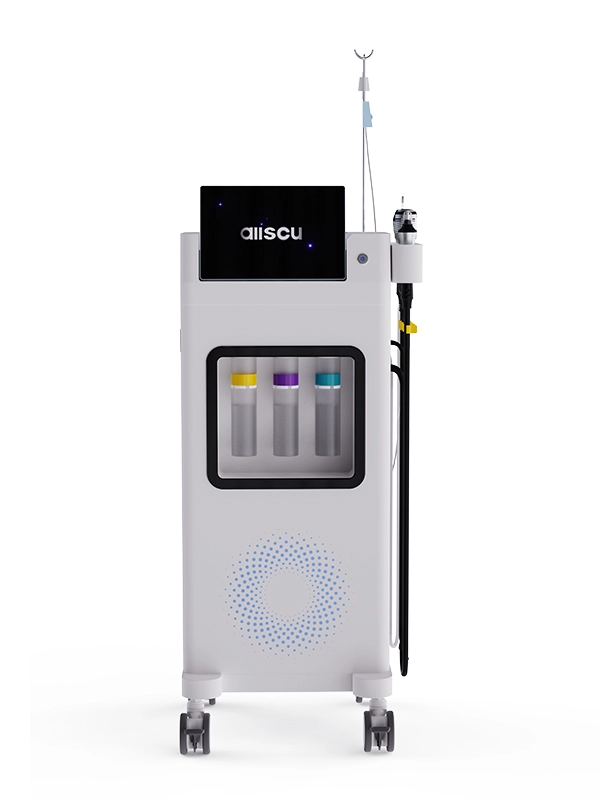
Professional Facial Spa Equipment Aqua Peel Facial Machine for Deep Cleansing and Hydration
Goodway's K8 Hydrafacial Machine is an all-in-one skin rejuvenation system that combines high-pressure deep cleansing, ice hammer pore tightening, plasma acne treatment, diamond microdermabrasion, and ultrasonic pore purification to remove impurities, reduce inflammation, and promote cell renewal—leaving skin smoother, brighter, and healthier.
 Scan QR Code
Instagram