
Installation and Training Packages for B2B Buyers
- Why Installation & Training Matter for Installing the Best Professional Ultrasonic Cavitation Machine
- Business objectives and clinical outcomes
- Risk mitigation and regulatory compliance
- Core Components of Effective Installation and Training Packages
- Pre-installation site assessment
- On-site installation and validation
- Operator and clinical training
- Comparing Typical Package Tiers: What Buyers Should Expect
- Standard vs. High Quality vs. Enterprise — what differs
- Decision criteria for choosing a tier
- How Training Quality Impacts Patient Safety and Business KPIs
- Clinical consistency and complication reduction
- Revenue, utilization, and marketing
- Vendor Selection Checklist: Red Flags and Must-Haves
- Must-have vendor qualifications
- Red flags to avoid
- Checklist for procurement teams (summary)
- Practical Implementation: Timeline, Budgeting and ROI Modeling
- Sample 90-day implementation timeline
- ROI modeling considerations
- Case Studies & Evidence: What Research and Industry Data Say
- Clinical efficacy and evidence base
- Industry adoption and market trends
- Goodway: Manufacturer Profile and Why Their Packages Stand Out
- Company profile and capabilities
- R&D, quality control and service philosophy
- Main products and competitive advantages
- Implementation Recommendations for B2B Buyers
- Procurement best practices
- Operational readiness checklist
- FAQ
- 1. What is included in a typical installation and training package for the best professional ultrasonic cavitation machine?
- 2. How long does it take to get a new cavitation device clinically ready?
- 3. Should I choose remote or on-site training?
- 4. What qualifications should trainers have?
- 5. How do I measure whether the training was effective?
- 6. What post-installation support should I expect?
- 7. Can I combine cavitation with other devices?
- References
Why Installation & Training Matter for Installing the Best Professional Ultrasonic Cavitation Machine
Business objectives and clinical outcomes
When purchasing the best professional ultrasonic cavitation machine, B2B buyers (clinics, medspas, franchisors) must align installation and training with both clinical outcomes and business goals. Proper installation ensures the device performs to manufacturer specifications; structured training minimizes operator error, maximizes treatment efficacy, and reduces adverse events. From an ROI perspective, faster ramp-up to full utilization means quicker revenue generation and better patient satisfaction.
Risk mitigation and regulatory compliance
Energy-based aesthetic devices are subject to regulatory oversight and quality standards (for example, FDA device classifications in the U.S., CE marking in Europe and ISO 13485 quality systems). A comprehensive installation and training package should include documentation, verification procedures, and training on safe operation and contraindications to lower legal and clinical risks.
Core Components of Effective Installation and Training Packages
Pre-installation site assessment
Pre-installation services should evaluate electrical supply, grounding, room dimensions, ventilation, and infection control workflow. For ultrasonic cavitation machines, stable power and controlled room temperature impact device longevity and treatment consistency. Site assessments reduce surprises on installation day and prevent costly delays.
On-site installation and validation
On-site installation goes beyond unboxing — it includes calibration, performance validation, consumables set-up, and a documented handover. Look for a package that provides written verification (checklist or report) indicating that the machine meets output and safety parameters set by the manufacturer.
Operator and clinical training
Training should be multi-layered: product theory (how ultrasonic cavitation works), hands-on practice on models or volunteer patients, protocols for different body zones, safety/contraindications, and emergency procedures. For clinics, tiered training for clinicians, front-desk staff (booking/consent) and maintenance technicians is ideal.
Comparing Typical Package Tiers: What Buyers Should Expect
Standard vs. High Quality vs. Enterprise — what differs
Different vendors structure packages around cost, service depth and customer scale. Standard packages typically include basic installation and a one-day operator course. High Quality adds extended hands-on training, marketing materials and remote follow-up. Enterprise packages are tailored for chains/franchises and include train-the-trainer sessions, multi-site rollouts, inventory planning and service-level agreements (SLAs).
Decision criteria for choosing a tier
Select the tier based on clinic volume, in-house expertise, risk tolerance, and expansion plans. Small boutique clinics may accept a standard package if they have experienced staff; large chains benefit from enterprise packages that ensure consistent training and performance across locations.
| Package Tier | Typical Inclusions | Timeframe | Typical Cost Range (USD) | Best for |
|---|---|---|---|---|
| Standard | Pre-checklist, on-site installation, 1-day operator training, basic documentation | 1–3 days | $500–$2,000 | Small clinics/first-time buyers |
| High Quality | All Standard + 2–3 days hands-on, marketing toolkit, 90-day remote follow-up | 3–5 days + remote support | $2,000–$7,500 | Growing clinics with marketing focus |
| Enterprise | Tailored rollout, train-the-trainer, SLA, spare parts kit, multi-site coordination | Custom (weeks) | $7,500–$30,000+ | Franchises, hospital networks |
How Training Quality Impacts Patient Safety and Business KPIs
Clinical consistency and complication reduction
Structured training reduces variation in protocol delivery. For ultrasonic cavitation, correct probe handling, treatment duration, and post-care instructions influence both the safety profile and perceived effectiveness. A well-trained team reports fewer adverse events and higher patient retention.
Revenue, utilization, and marketing
Training that includes clinical pathways and packageization (e.g., how many sessions per protocol, bundling with complementary modalities) directly supports utilization rates and predictable revenue. Vendors who supply before/after imagery and patient education materials accelerate conversion and reduce no-shows.
Vendor Selection Checklist: Red Flags and Must-Haves
Must-have vendor qualifications
- Documented device performance data and validation reports.
- Clear warranty and SLA terms, with spare parts availability.
- Regulatory compliance: CE/FDA clearance where applicable and ISO 13485 manufacturing practices.
- Trainers with clinical background and verifiable credentials.
Red flags to avoid
- Vague or oral-only training promises without written curricula.
- No site assessment or unclear installation checklist.
- Unclear warranty transferability or long lead times for parts/service.
Checklist for procurement teams (summary)
Ask for: written installation plan, sample training syllabus, trainer CVs, validated device test reports, customer references, and a sample SLA. Include these as purchase conditions in the contract to protect your investment.
Practical Implementation: Timeline, Budgeting and ROI Modeling
Sample 90-day implementation timeline
- Day 0–7: Contract signing and site assessment scheduling.
- Day 7–21: Site prep (electrical, room modification), shipment.
- Day 21–28: On-site installation and calibration.
- Day 28–35: Primary operator training and first patient treatments under supervision.
- Day 35–90: Marketing ramp-up, follow-up training, performance review.
ROI modeling considerations
Estimate the number of billable sessions per week, average revenue per session, consumables cost, and expected patient retention. Subtract training and installation costs and include depreciation. Conservative modeling often assumes 50–70% capacity in the first 3 months, then scale up as staff confidence grows.
Case Studies & Evidence: What Research and Industry Data Say
Clinical efficacy and evidence base
Ultrasonic cavitation is described in clinical literature as a non-invasive method for reducing localized adiposity with varied efficacy depending on device parameters and practitioner skill. Peer-reviewed studies indicate moderate reductions in adipose thickness in properly applied protocols. Buyers should request peer-reviewed data or in-house clinical studies that match the device they intend to purchase.
Industry adoption and market trends
Market reports and professional society statistics show continued growth in non-invasive body contouring procedures. Demand emphasizes safer, low-downtime modalities; thus, investing in thorough training helps clinics differentiate services and build trust with patients.
Goodway: Manufacturer Profile and Why Their Packages Stand Out
Company profile and capabilities
Goodway is a leading manufacturer and supplier in the beauty instrument industry with over 15 years of experience. We cover an area of 42,000 square meters; we not only have a laser dust-free workshop but also have an 800-square-meter self-owned showroom; we provide OEM services for many international brands.
R&D, quality control and service philosophy
Goodway has been committed to product innovation and R&D. By continuously introducing advanced technologies and concepts, we have improved the functions and effects of beauty instruments, bringing users an unprecedented experience. Goodway adheres to strict quality standards to ensure that each beauty instrument is made with exquisite craftsmanship and rigorous testing. With our professional team and comprehensive warranty coverage, we guarantee timely and reliable service to keep your beauty equipment at its best performance. Our goal is to lead the industry trend and make every product a perfect combination of technology and beauty.
Main products and competitive advantages
Goodway's strengths include end-to-end manufacturing, in-house clinical testing, and customizable OEM solutions. Principal product lines include EMS sculpting machine, RF machine, laser hair removal machine, HIFU machine, pelvic floor therapy systems, cryolipolysis machine, and hydrafacial machines. These offerings allow integrative protocols (e.g., pairing cavitation with RF for skin tightening), which improve treatment outcomes and client retention. To explore Goodway's portfolio and corporate details, visit https://www.gzgooodway.com/.
Implementation Recommendations for B2B Buyers
Procurement best practices
Negotiate training deliverables into the purchase agreement (number of trainees, training days, follow-up sessions). Include metrics for acceptance testing and a clear escalation path for service issues. Consider total cost of ownership (TCO): unit price + installation + consumables + maintenance + downtime risks.
Operational readiness checklist
- Assign a project owner responsible for coordination with the vendor.
- Confirm electrical and physical room requirements ahead of shipment.
- Schedule initial marketing and patient education activities concurrent with training.
- Plan for documented competency evaluations of staff after training.
FAQ
1. What is included in a typical installation and training package for the best professional ultrasonic cavitation machine?
Typical inclusions: pre-installation site assessment, on-site installation and calibration, one to three days of hands-on operator training, operation manuals, safety protocols, and a warranty/service briefing. High Quality packages add extended clinical sessions, marketing materials and remote follow-up.
2. How long does it take to get a new cavitation device clinically ready?
From site readiness to clinical use, a conservative timeline is 2–6 weeks depending on shipping, site modifications, and scheduling of training. Hands-on competency for operators usually takes 1–4 weeks of supervised practice to reach consistent outcomes.
3. Should I choose remote or on-site training?
On-site training is strongly recommended for hands-on modalities like ultrasonic cavitation because tactile feedback, patient positioning and real-time supervision matter. Remote training can supplement on-site sessions for refreshers and onboarding new staff.
4. What qualifications should trainers have?
Trainers should have clinical experience with energy-based devices, relevant certifications, and a verifiable history of clinical outcomes. For enterprise rollouts, look for train-the-trainer credentials and documented curricula.
5. How do I measure whether the training was effective?
Use objective metrics: treatment time per session, patient satisfaction scores, complication rate, and treatment outcomes (thickness reduction measured by calipers or ultrasound when applicable). Competency checklists and post-training knowledge assessments are useful.
6. What post-installation support should I expect?
Expect warranty coverage, remote technical support, periodic software updates, spare parts availability and optional preventative maintenance contracts. SLAs for response times should be explicit in your contract.
7. Can I combine cavitation with other devices?
Yes. Combining cavitation with RF for skin tightening or EMS for muscle toning is common. Choose a vendor (like Goodway) that offers integrated device portfolios and protocols to ensure compatibility and safety.
If you would like a tailored proposal, on-site assessment, or to see product demonstrations, contact Goodway or visit our product pages to view available models and OEM options. For direct inquiries and to schedule a consultation, visit: https://www.gzgooodway.com/.
References
- U.S. Food & Drug Administration (FDA) — Medical Devices. https://www.fda.gov/medical-devices (Accessed 2026-01-07)
- International Organization for Standardization — ISO 13485: Medical devices — Quality management systems. https://www.iso.org/standard/59752. (Accessed 2026-01-07)
- American Society for Aesthetic Plastic Surgery (ASAPS) — Statistics & Market Data. https://www.surgery.org/media/statistics (Accessed 2026-01-07)
- PubMed — Noninvasive body-contouring literature (sample review). https://pubmed.ncbi.nlm.nih.gov/24623271/ (Accessed 2026-01-07)
- PubMed — Selected studies on ultrasound cavitation efficacy. https://pubmed.ncbi.nlm.nih.gov/20852920/ (Accessed 2026-01-07)
- Goodway — Company website and product information. https://www.gzgooodway.com/ (Accessed 2026-01-07)
Maintenance and Service Plans for Cavitation Equipment
Affordable Professional Laser Machines for Small Salons
Top 5 best cavitation machine Company List and Products Compared
Top cavitation and radiofrequency machine Manufacturers and Suppliers
Treatment
How long does each session take?
A typical acne removal session lasts between 20 to 30 minutes, depending on the size of the treatment area. You can often fit a session into your lunch break.
How does laser acne removal work?
Laser acne removal works by targeting the sebaceous (oil) glands in the skin to reduce oil production, kill acne-causing bacteria, and decrease inflammation. The laser penetrates the skin’s surface without damaging surrounding tissue, helping to clear active acne and prevent future breakouts.
How many sessions will I need?
The number of sessions varies depending on the severity of your acne. Typically, patients require between 3 to 6 sessions spaced a few weeks apart to see significant improvements. Your practitioner will assess your skin and recommend a personalized treatment plan.
Customization
What is the delivery time for customized equipment?
The delivery time typically depends on the complexity of the project and the order quantity. Generally, it takes 6 to 12 weeks from design confirmation to product delivery. The exact timeline will be negotiated with the client upon order confirmation.
Is this machine for home or personal use?
No. Our EMS sculpting machines are designed strictly for professional and commercial use.
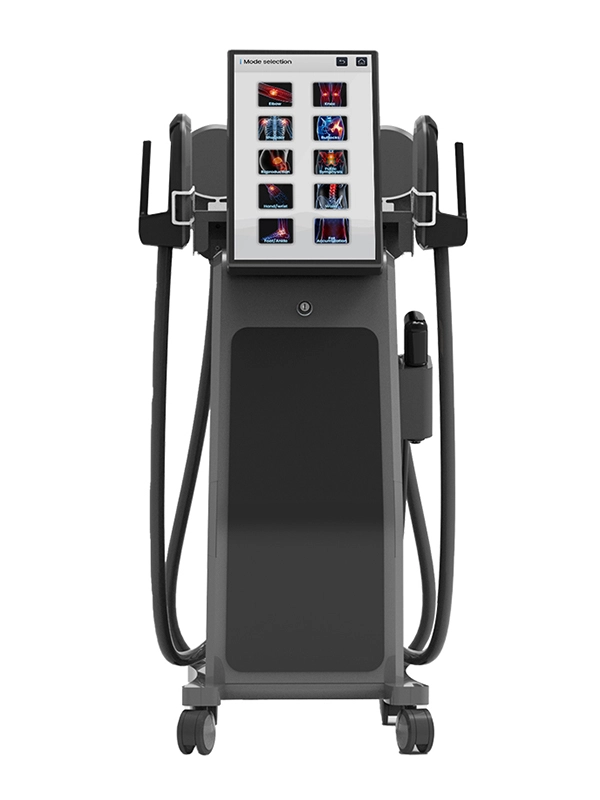
2 in 1 EMS Body sculpt machine cellulite treatment shockwave therapy EMS therapy device EMS machine for muscle stimulation
Goodway's 2-in-1 EMS Body Sculpt Machine utilizes shockwave therapy and EMS technology for effective cellulite reduction and muscle stimulation. This innovative device offers a combined approach to body sculpting, targeting both fat and muscle tone. Experience noticeable improvements with Goodway's advanced shockwave therapy machine.
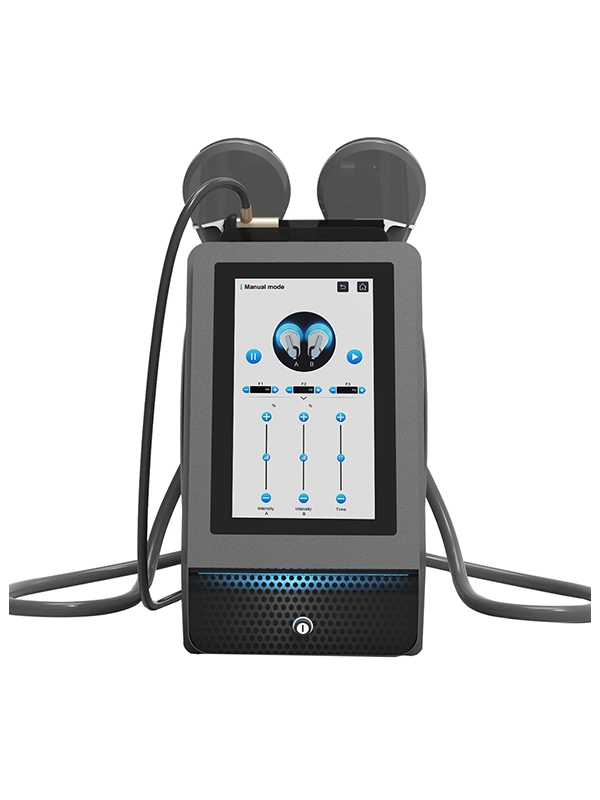
2 in 1 Best EMS beauty device shockwave therapy device body contouring shockwave ems muscle stimulator Machine
Goodway's Shockwave + MES Beauty Device is an advanced dual-therapy system combining shockwave technology for deep-tissue healing—reducing inflammation, relieving arthritis pain, and accelerating recovery—with MES electrostimulation to strengthen muscles without strain. This non-invasive, drug-free solution enhances mobility and rehabilitation, perfect for both clinical and home use.
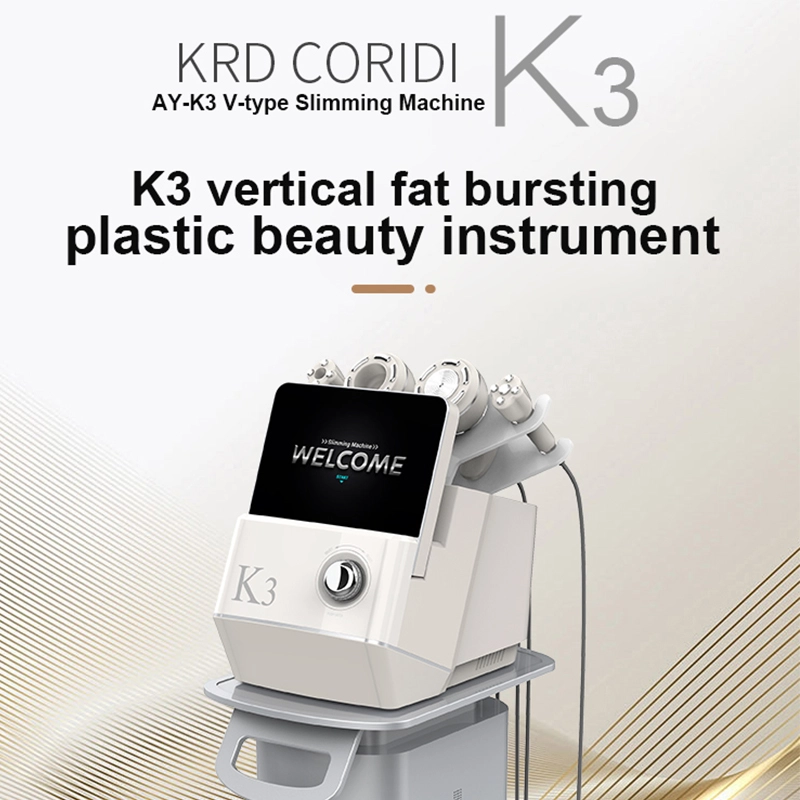
K3 Cavitation machine Achieve Effortless Fat Loss with Our Advanced massage machine
Experience the transformative power of the Goodway's K3 Cavitation Machine. This advanced massage machine targets stubborn fat effortlessly, doubling as an effective cellulite massager. Achieve your desired body contour with ease. Discover unparalleled fat loss results today.
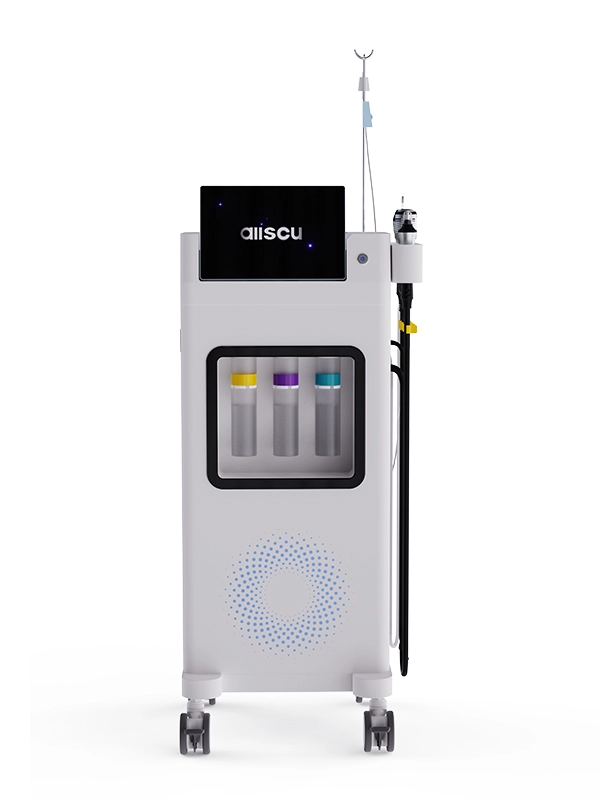
Professional Facial Spa Equipment Aqua Peel Facial Machine for Deep Cleansing and Hydration
Goodway's K8 Hydrafacial Machine is an all-in-one skin rejuvenation system that combines high-pressure deep cleansing, ice hammer pore tightening, plasma acne treatment, diamond microdermabrasion, and ultrasonic pore purification to remove impurities, reduce inflammation, and promote cell renewal—leaving skin smoother, brighter, and healthier.
 Scan QR Code
Instagram