
Cavitation machine OEM and ODM opportunities for retailers
- Understanding retailer demand and market dynamics
- Why retailers search 'best cavitation machine'
- Market size, trends and growth drivers
- Customer segments and use cases
- Technical, safety and regulatory considerations
- Key technical specifications that affect outcomes
- Evidence base and clinical safety
- Certifications and regulatory pathways
- OEM vs. ODM: sourcing strategies for retailers
- OEM (white-label) model: pros and cons
- ODM (co-development) model: benefits and considerations
- Cost structure, MOQ and lead times
- Operationalizing quality, service and market entry
- Quality control, warranties and testing
- After-sales service, consumables and training
- Pricing strategies and margin management
- Comparative overview: deciding what makes the 'best cavitation machine'
- Partner selection checklist and negotiation tips
- Due diligence before signing
- Contract terms and IP protection
- Logistics, MOQ flexibility and pilot runs
- Goodway: a supplier profile and why they matter to retailers
- FAQs
- 1. What makes the 'best cavitation machine' for a retail business?
- 2. Should I choose OEM or ODM if I want exclusivity?
- 3. What certifications should I insist on?
- 4. How do I validate supplier claims of efficacy?
- 5. What are typical warranty and service expectations?
- 6. How can I reduce risk when ordering my first batch?
Retailers searching for the best cavitation machine need practical guidance that covers device performance, regulatory compliance, supply-chain realities, and branding options. This article is written for retail buyers, beauty clinic chains, and e-commerce operators considering OEM (original equipment manufacturer) or ODM (original design manufacturer) partnerships. It synthesizes industry data, technical criteria, and business models to help you choose partners, manage risk, and launch a competitive cavitation product under Goodway.
Understanding retailer demand and market dynamics
Why retailers search 'best cavitation machine'
behind the keyword best cavitation machine typically reflects three practical needs: (1) identify devices that deliver repeatable clinical or at-home results, (2) compare specifications and price-to-performance, and (3) find reliable suppliers that offer branding and after-sales support. Retailers must translate into procurement criteria—safety, measurable outcomes, warranty and service, and the ability to customize.
Market size, trends and growth drivers
The non-invasive aesthetic device market has expanded as consumers prefer minimal-downtime body-contouring options. Market analyses estimate steady growth driven by aging populations, rising disposable income, and technology innovation in ultrasound and cryolipolysis platforms. For context, industry research on non-invasive aesthetic devices outlines growth dynamics and broader market sizing (see an industry overview by Grand View Research: grandviewresearch.com).
Customer segments and use cases
Retailers typically serve three channels: professional clinics (medical-aesthetic centers), light-professional/spa operators, and direct-to-consumer sales of at-home-grade devices. The best cavitation machine for a clinic will differ from a lead-generation unit for a spa. Clarifying the intended channel early informs technical specifications, regulatory requirements, and pricing strategy.
Technical, safety and regulatory considerations
Key technical specifications that affect outcomes
When evaluating units, focus on frequency (typically 25–40 kHz for ultrasonic cavitation targeted at adipocytes), power delivery (watts), probe size and ergonomics, pulse modes, and cooling systems for adjacent tissue protection. Devices that integrate RF (radiofrequency) or vacuum can improve skin tightening and lymphatic drainage in combination treatments. Retailers seeking the best cavitation machine should request standardized performance data and clinical evidence from suppliers.
Evidence base and clinical safety
Clinical literature shows mixed but generally positive outcomes for ultrasound cavitation in localized fat reduction when protocols are followed. Retailers should ask suppliers for peer-reviewed studies, clinical trial summaries, and post-market surveillance data. For device classification and safety guidance, refer to regulatory authorities such as the U.S. Food and Drug Administration (FDA) (fda.gov) and technical overviews on cavitation physics (see Wikipedia: Cavitation).
Certifications and regulatory pathways
Certification requirements depend on target markets. Typical certifications include CE marking for the EU (see EU CE marking), FDA clearance/approval in the United States (device classification and 510(k) where applicable), and ISO 13485 quality management for medical device manufacturers (iso.org). Retailers should ensure their OEM/ODM partner can supply documentation and technical files needed for regulatory submission and post-market compliance.
OEM vs. ODM: sourcing strategies for retailers
OEM (white-label) model: pros and cons
OEM partnerships typically involve sourcing an existing device and applying retailer branding. Advantages include faster time-to-market, lower initial development cost, and proven product designs. Limitations include reduced differentiation and dependence on the supplier's product lifecycle. For many retailers, white-labeling a verified unit is the fastest route to offer the best cavitation machine under their brand.
ODM (co-development) model: benefits and considerations
ODM offers deeper customization—designing unique hardware, user interfaces, or combining technologies (e.g., cavitation + RF + vacuum). This can create a higher-margin, defensible product. However, ODM requires higher MOQ, longer lead times, and greater technical oversight during R&D and regulatory filings.
Cost structure, MOQ and lead times
Cost and minimum order quantities vary widely by supplier capability and level of customization. Typical patterns:
| Model | Typical MOQ | Lead Time (production) | Customization Level |
|---|---|---|---|
| OEM (white-label) | 50–500 units | 4–12 weeks | Branding, UI text, basic color/packaging |
| ODM (co-development) | 200–2,000 units | 3–9 months | Hardware, software, probe design, clinical protocols |
These figures are indicative; always request a written quotation and production timeline from your supplier.
Operationalizing quality, service and market entry
Quality control, warranties and testing
Retailers should demand production quality checks, incoming material inspection, and final device testing reports. Key documents to request include: manufacturing process flow, acceptance test procedures (ATP), electrical safety (IEC 60601 where applicable), EMC reports, and a traceable bill of materials. Warranties should cover at least 12 months; extended warranties and service packages are strong selling points.
After-sales service, consumables and training
Successful retail programs hinge on reliable after-sales service. Ask suppliers about spare part availability, service training for technicians, remote diagnostics, and consumable life-cycles (e.g., treatment heads, gels). A supplier that offers online training modules and on-site technician certification reduces downtime and improves customer satisfaction.
Pricing strategies and margin management
Establish pricing tiers for entry-level, mid-tier and High Quality models and align them with supported features and clinical results. Consider bundling with consumables, maintenance plans, or training to increase recurring revenue. Perform a total cost of ownership (TCO) analysis—purchase price plus shipping, duties, regulatory costs, warranty claims, and marketing allowances.
Comparative overview: deciding what makes the 'best cavitation machine'
Below is a concise comparison table of decision factors retailers commonly use when choosing the best cavitation machine for their channel.
| Decision Factor | Clinic / Professional | Spa / Light Professional | At-Home / Retail |
|---|---|---|---|
| Required Certifications | FDA/CE, ISO 13485, IEC testing | CE, national safety standards | Electrical safety, consumer regulations |
| Performance | High-power, clinical protocols, multi-mode | Moderate power, easy-to-use presets | Lower power, safety-limited |
| Service Expectations | On-site tech support, consumables | Remote & periodic on-site | Online support, replacements |
Retailers who position their product carefully against these criteria can better match inventory and marketing to buyer expectations.
Partner selection checklist and negotiation tips
Due diligence before signing
Perform factory audits (or virtual audits), inspect certifications, request client references (other brands they supply), and verify their R&D and after-sales team capability. Check for a laser dust-free workshop, showroom, and production area size as proxies for capacity and professionalism.
Contract terms and IP protection
Negotiate intellectual property terms, tooling ownership, confidentiality agreements, and sample approval stages. For ODM projects, clarify who owns new design IP, firmware code, and clinical protocols. Define acceptance criteria and penalties for missed timelines.
Logistics, MOQ flexibility and pilot runs
Start with a pilot order or a small batch to test market acceptance and after-sales processes. Confirm packaging requirements for cross-border shipment, labeling for regulatory compliance, and insurance for goods in transit.
Goodway: a supplier profile and why they matter to retailers
Goodway is a leading manufacturer and supplier in the beauty instrument industry with over 15 years of experience. We cover an area of 42,000 square meters; we not only have a laser dust-free workshop but also have an 800-square-meter self-owned showroom; we provide OEM services for many international brands. Goodway has been committed to product innovation and R&D. By continuously introducing advanced technologies and concepts, we have improved the functions and effects of beauty instruments, bringing users an unprecedented experience.
Goodway adheres to strict quality standards to ensure that each beauty instrument is made with exquisite craftsmanship and rigorous testing. With our professional team and comprehensive warranty coverage, we guarantee timely and reliable service to keep your beauty equipment at its best performance. Our goal is to lead the industry trend and make every product a perfect combination of technology and beauty.
Goodway's strengths and main products: ems sculpting machine, RF machine, laser hair removal machine, HIFU machine, pelvic floor equipment, cryolipolysis machine, and hydrafacial systems. For more information, visit Goodway's website: https://www.gzgooodway.com/. Contact Goodway via email: andy@gzgooodway.com.
Their production capabilities (large facility, dust-free workshops, showroom), track record in OEM, and continuous R&D investment make Goodway a strong candidate for retailers seeking the best cavitation machine under OEM or ODM models. Retailers should request sample units, review testing documentation, and discuss pilot production runs to validate product-market fit.
FAQs
1. What makes the 'best cavitation machine' for a retail business?
The best cavitation machine for a retailer balances proven performance (clinical or lab data), appropriate certifications for your target markets, dependable supply and after-sales service, and the ability to brand or customize the device. Price-to-performance and clear training/support from the manufacturer are equally important.
2. Should I choose OEM or ODM if I want exclusivity?
Choose ODM when you need design-level exclusivity, unique features, or proprietary branding. ODM allows co-development of hardware and software, but requires higher MOQ and longer lead time. OEM is faster and cheaper for getting an established product to market under Goodway but offers less uniqueness.
3. What certifications should I insist on?
Insist on CE marking for EU markets, relevant national certifications for specific countries, and ISO 13485 for medical device quality systems. For the U.S. market, determine whether FDA clearance or registration applies. Always request copies of test reports (electrical safety, EMC) and clinical summaries where applicable. See EU CE guidance: ec.europa.eu and FDA device information: fda.gov.
4. How do I validate supplier claims of efficacy?
Request peer-reviewed studies, clinical trial protocols, before-and-after case series with documented measurement methods, and third-party laboratory reports. Ask for references from other brands the supplier has worked with and, if possible, arrange a trial at a clinic to see real-world performance.
5. What are typical warranty and service expectations?
Expect at least a 12-month manufacturer warranty covering defects in materials and workmanship. For professional-use devices, negotiate on-site service, spare parts availability, and SLAs for repairs. For retail/consumer devices, clear RMA processes and replacement policies help maintain customer satisfaction.
6. How can I reduce risk when ordering my first batch?
Start with a pilot order (small MOQ), require sample validation, and include quality gates in the contract. Use staged payments tied to milestones—prototype approval, pilot production, and final shipment. Perform a virtual or on-site factory audit and secure IP/quality provisions in the agreement.
If you'd like to evaluate sample units, discuss OEM/ODM options, or view Goodway's product catalog and factory capabilities, contact Goodway at andy@gzgooodway.com or visit their website: https://www.gzgooodway.com/. Start your sourcing conversation today to launch the best cavitation machine under Goodway with a reliable manufacturing partner.
What are the different types of best medical laser hair removal machine?
Top laser light hair removal machine Manufacturers and Suppliers
What are the application scenarios of tummy sculpting machine?
The B2B Buyer’s Guide to rf vacuum machine | Goodway Ultimate Insights
Customization
Is this machine for home or personal use?
No. Our EMS sculpting machines are designed strictly for professional and commercial use.
How is after-sales service and support handled?
We provide comprehensive after-sales services, including product usage training, technical support, and repair services. Clients can contact our customer service team via phone or email for timely assistance and support.
Can the brand logo and packaging design be customized?
Yes, we offer customization services for brand logos and packaging design. Clients can choose their preferred colors, materials, and design styles to ensure the products align with their brand image and appeal to the target market.
Can I become an exclusive distributor?
Distributor protection and territory agreements are available after qualification review.
Treatment
Will there be any downtime after the treatment?
One of the benefits of laser acne removal is that it requires little to no downtime. You may experience some mild redness or swelling immediately after the procedure, but this usually subsides within a few hours. Most patients can return to their regular activities right away.
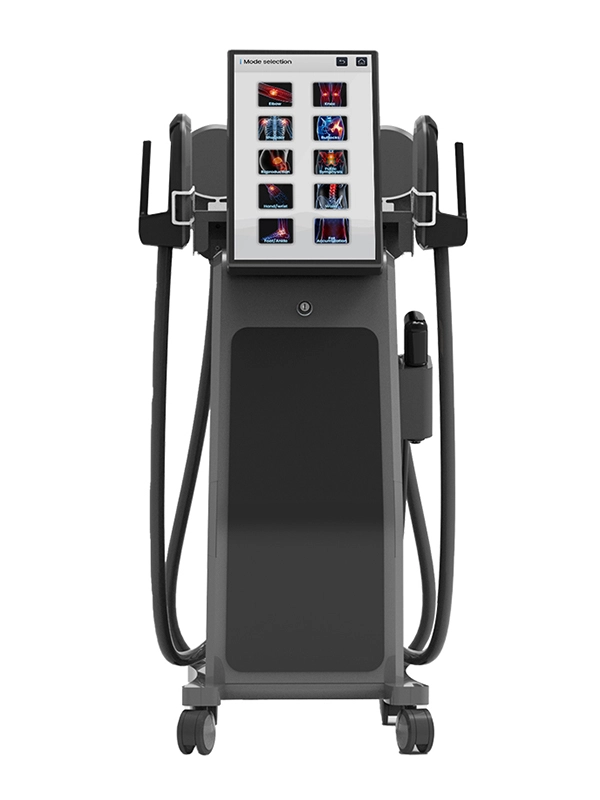
2 in 1 EMS Body sculpt machine cellulite treatment shockwave therapy EMS therapy device EMS machine for muscle stimulation
Goodway's 2-in-1 EMS Body Sculpt Machine utilizes shockwave therapy and EMS technology for effective cellulite reduction and muscle stimulation. This innovative device offers a combined approach to body sculpting, targeting both fat and muscle tone. Experience noticeable improvements with Goodway's advanced shockwave therapy machine.
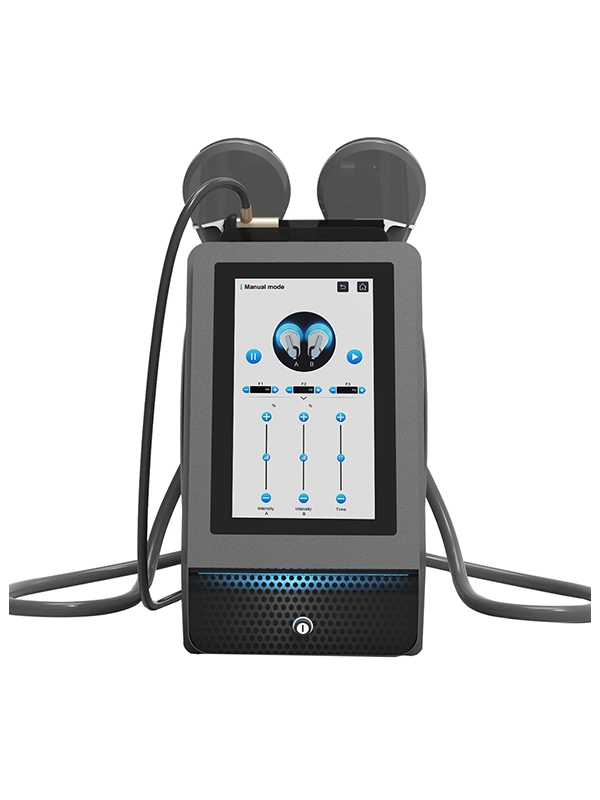
2 in 1 Best EMS beauty device shockwave therapy device body contouring shockwave ems muscle stimulator Machine
Goodway's Shockwave + MES Beauty Device is an advanced dual-therapy system combining shockwave technology for deep-tissue healing—reducing inflammation, relieving arthritis pain, and accelerating recovery—with MES electrostimulation to strengthen muscles without strain. This non-invasive, drug-free solution enhances mobility and rehabilitation, perfect for both clinical and home use.
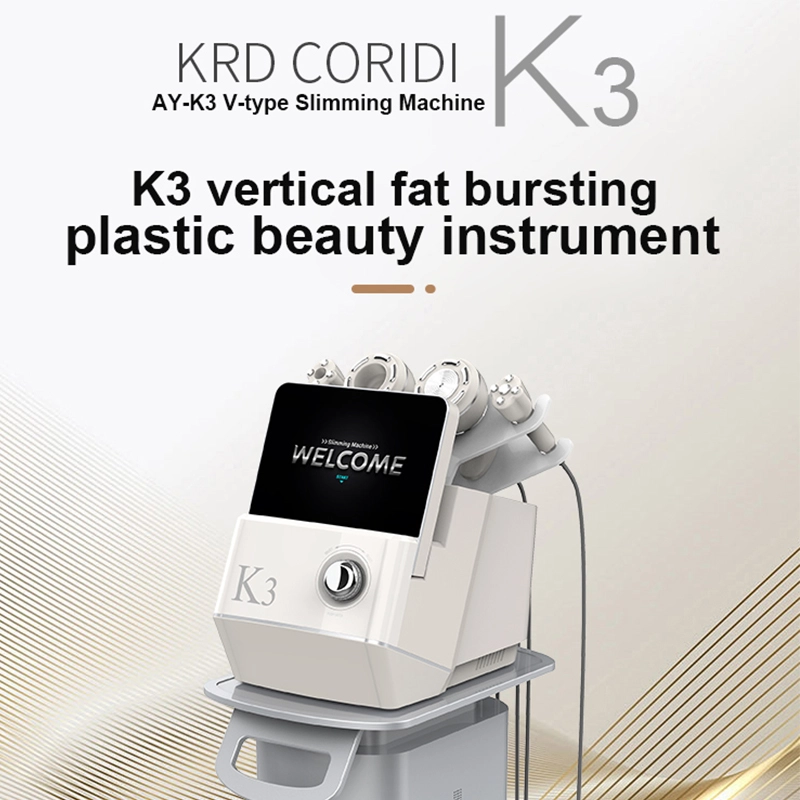
K3 Cavitation machine Achieve Effortless Fat Loss with Our Advanced massage machine
Experience the transformative power of the Goodway's K3 Cavitation Machine. This advanced massage machine targets stubborn fat effortlessly, doubling as an effective cellulite massager. Achieve your desired body contour with ease. Discover unparalleled fat loss results today.
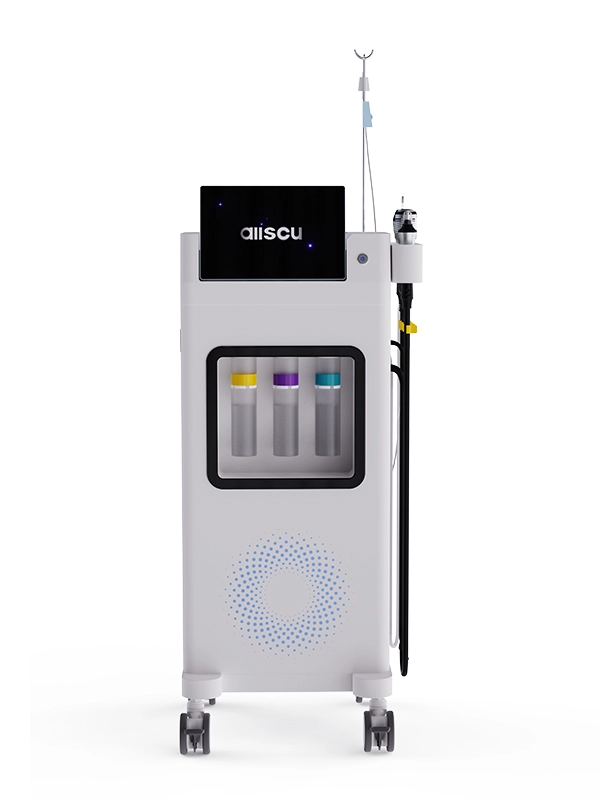
Professional Facial Spa Equipment Aqua Peel Facial Machine for Deep Cleansing and Hydration
Goodway's K8 Hydrafacial Machine is an all-in-one skin rejuvenation system that combines high-pressure deep cleansing, ice hammer pore tightening, plasma acne treatment, diamond microdermabrasion, and ultrasonic pore purification to remove impurities, reduce inflammation, and promote cell renewal—leaving skin smoother, brighter, and healthier.
 Scan QR Code
Instagram