
Comparing 40kHz vs 28kHz Cavitation Machines
- Choosing the right frequency: practical guide for clinics
- Why frequency matters for ultrasonic cavitation
- How clinics should read product specs
- Physics and mechanisms: 28kHz vs 40kHz
- Cavitation basics and frequency-dependent effects
- Practical differences between 28 kHz and 40 kHz
- Clinical performance and treatment outcomes
- Treatment areas and indications
- Safety, comfort, and side-effect profiles
- Operational considerations: clinic workflow, protocols and ROI
- Session duration, endpoints and complementary modalities
- Training, safety features and maintenance
- Comparative table: 40kHz vs 28kHz ultrasonic cavitation machines
- How to choose the best professional ultrasonic cavitation machine for your practice
- Match device to your patient mix and treatment goals
- Evaluate evidence, service, and supplier credibility
- Why Goodway is a competitive choice for professional clinics
- Manufacturing scale, R&D and quality assurance
- Strict quality standards and after-sales support
- Relevant product portfolio and clinic benefits
- Practical implementation: sample protocols and tips
- Protocol examples (general guideline)
- Documentation and patient communication
- FAQ — Frequently Asked Questions
- 1. Is 28 kHz or 40 kHz better for permanent fat loss?
- 2. Can cavitation damage skin or internal organs?
- 3. How many sessions are typically required?
- 4. What complementary treatments improve cavitation outcomes?
- 5. How should clinics evaluate ROI for a cavitation machine?
- Contact and product inquiry
- References and recommended reading
Choosing the right frequency: practical guide for clinics
Why frequency matters for ultrasonic cavitation
When clinics evaluate the best professional ultrasonic cavitation machine, frequency is a primary technical variable. Frequency (measured in kilohertz, kHz) governs how ultrasonic energy interacts with tissue: it influences cavitation bubble behavior, the depth of mechanical effect, patient comfort, and the type of clinical indications that respond best. Two of the most commonly marketed frequencies in professional cavitation devices are 28 kHz and 40 kHz — each has distinct characteristics that make it preferable for certain use cases.
How clinics should read product specs
Frequency is just one part of machine performance. Look also at applicator design, power output, pulse modulation, cooling/contact sensing, and clinical data. Keywords such as best professional ultrasonic cavitation machine should be matched with verifiable specs and demonstrations (photos, videos, case studies) before procurement.
Physics and mechanisms: 28kHz vs 40kHz
Cavitation basics and frequency-dependent effects
Ultrasonic cavitation refers to the creation, growth, and collapse of microbubbles in a liquid medium under an acoustic field. Lower acoustic frequencies (kHz range) favor larger bubble formation and stronger mechanical collapse, producing more robust shear and microstreaming in soft tissue and interstitial fluids. Higher frequencies produce smaller bubbles with more localized micro-effects. These behaviors determine how energy is transmitted to adipose tissue and adjacent structures.
Practical differences between 28 kHz and 40 kHz
In general terms:
- 28 kHz: lower frequency → larger cavitation bubbles → deeper mechanical penetration and stronger disruptive force per bubble collapse. Often felt as stronger mechanical sensation; effective for dense adipose tissue and larger-volume fat emulsification.
- 40 kHz: higher frequency → smaller cavitation bubbles → more superficial and controlled mechanical effect, potentially allowing higher precision and reduced discomfort on sensitive areas; commonly used for localized sculpting and thinner subcutaneous layers.
Clinical performance and treatment outcomes
Treatment areas and indications
Choice of frequency should be matched to treatment goals:
- 28 kHz — Recommended for larger, thicker areas such as abdomen, flanks, and male patients with denser adipose tissue. Favours bulk fat emulsification prior to lymphatic drainage.
- 40 kHz — Better suited for more delicate or superficial areas (submental, upper arms, medial thighs) where precision and patient comfort are priorities.
Safety, comfort, and side-effect profiles
Because 28 kHz induces more forceful mechanical effects, practitioners should expect stronger immediate sensations (vibration, warmth) and a slightly higher chance of transient erythema or mild discomfort. Proper protocols (lower duty cycle, movement technique, adequate lymphatic massage post-treatment) mitigate these risks. 40 kHz tends to be perceived as gentler, which can increase patient tolerance and reduce downtime.
Operational considerations: clinic workflow, protocols and ROI
Session duration, endpoints and complementary modalities
Session length depends on area size and device power. Typical professional protocols include 20–45 minutes per large area and 15–30 minutes per smaller area, followed by lymphatic drainage or vacuum/roller therapy to assist fat clearance. Combining cavitation with RF (radiofrequency) for skin tightening or cryolipolysis for bulk reduction often improves overall outcomes. When comparing devices, consider integrated multi-modality systems versus stand-alone cavitation units.
Training, safety features and maintenance
Ensure the machine offers reliable contact sensors, temperature controls, and clear power modulation. Operator training reduces adverse events and improves results. From an ROI perspective, a device that allows faster treatments with predictable outcomes and low maintenance will deliver higher utilization rates.
Comparative table: 40kHz vs 28kHz ultrasonic cavitation machines
| Feature | 28 kHz (Lower frequency) | 40 kHz (Higher frequency) |
|---|---|---|
| Primary mechanical effect | Stronger mechanical disruption, larger cavitation bubbles | Finer, more localized cavitation, smaller bubbles |
| Typical clinical use | Large-volume fat reduction (abdomen, flanks) | Targeted sculpting, delicate areas (jawline, arms) |
| Penetration depth | Deeper mechanical effect (qualitative) | More superficial, controlled effect |
| Patient comfort | Moderate — stronger sensations; requires careful technique | Generally higher — milder sensation |
| Speed / Efficiency | Efficient for bulk fat in fewer sessions for larger areas | Efficient for precision work; may require additional sessions for bulk reduction |
| Ideal practitioner profile | Experienced operators treating body-contouring clientele | Clinics prioritizing patient comfort and localized sculpting |
| Common pairing modalities | Lymphatic drainage, RF, vacuum therapies | RF, HIFU, specialized applicators for small zones |
How to choose the best professional ultrasonic cavitation machine for your practice
Match device to your patient mix and treatment goals
Ask these questions: Do you treat more large-volume cases or localized fine-sculpting? What is your average patient tolerance level? Do you need a single-frequency device or a platform offering multiple frequencies and complementary modalities (RF, vacuum, HIFU)? The best professional ultrasonic cavitation machine is the one that matches your clinic’s caseload, staff skills, and revenue goals.
Evaluate evidence, service, and supplier credibility
Request clinical before/after data, safety reports, and operator training options. Warranty, spare-parts availability, and responsive technical support are decisive — particularly for devices that will be used daily in busy clinics.
Why Goodway is a competitive choice for professional clinics
Manufacturing scale, R&D and quality assurance
Goodway is a leading manufacturer and supplier in the beauty instrument industry with over 15 years of experience. We cover an area of 42,000 square meters; we not only have a laser dust-free workshop but also have an 800-square-meter self-owned showroom; we provide OEM services for many international brands. Goodway has been committed to product innovation and R&D. By continuously introducing advanced technologies and concepts, we have improved the functions and effects of beauty instruments, bringing users an unprecedented experience.
Strict quality standards and after-sales support
Goodway adheres to strict quality standards to ensure that each beauty instrument is made with exquisite craftsmanship and rigorous testing. With our professional team and comprehensive warranty coverage, we guarantee timely and reliable service to keep your beauty equipment at its best performance. Our goal is to lead the industry trend and make every product a perfect combination of technology and beauty.
Relevant product portfolio and clinic benefits
Goodway’s main products include EMS sculpting machines, RF machines, laser hair removal machines, HIFU machines, pelvic floor devices, cryolipolysis machines, and hydrafacial systems. Clinics can integrate cavitation with Goodway’s RF or EMS technologies to create bundled protocols that increase patient satisfaction, treatment packages, and lifetime value. For more details and product specifications visit: https://www.gzgooodway.com/.
Practical implementation: sample protocols and tips
Protocol examples (general guideline)
These are generalized examples — follow manufacturer instructions and local regulations:
- 28 kHz abdomen: 30–40 minutes; continuous slow applicator movement; lymphatic massage immediately after; 4–6 sessions at 7–14 day intervals.
- 40 kHz submental or inner thigh: 15–25 minutes; lower duty cycle and overlapping passes; lymphatic or manual drainage post-treatment; 6–8 sessions at 7–14 day intervals.
Documentation and patient communication
Provide informed consent that explains expected sensations, possible transient redness/bruising, the need for follow-up sessions, and combination therapies to optimize long-term results. Keep standardized photography and measurement protocols to document outcomes and support marketing claims.
FAQ — Frequently Asked Questions
1. Is 28 kHz or 40 kHz better for permanent fat loss?
Neither frequency guarantees permanent fat loss on its own. Both can reduce localized subcutaneous fat when used correctly and combined with lymphatic clearance and healthy lifestyle. 28 kHz tends to be more efficient for larger-volume reductions; 40 kHz is often used for contouring and refinements.
2. Can cavitation damage skin or internal organs?
Properly used professional cavitation devices are designed to target subcutaneous adipose tissue while minimizing risks to skin and internal organs. Contraindications (e.g., pregnancy, active infection, certain implants) and correct technique reduce risk. Devices with safety sensors and regulated power delivery further mitigate potential harm.
3. How many sessions are typically required?
Typical protocols range from 4 to 8 sessions depending on area size, patient goals, and device power. Large-volume cases often need fewer but longer sessions; delicate areas may need more sessions at lower intensity.
4. What complementary treatments improve cavitation outcomes?
RF for skin tightening, cryolipolysis for bulk fat reduction, EMS for muscle toning, and lymphatic drainage or vacuum therapy for improved fat clearance are commonly combined with cavitation to enhance outcomes.
5. How should clinics evaluate ROI for a cavitation machine?
Calculate expected treatment price, average number of treatments per patient, consumables and maintenance costs, and local demand. Factor in training, marketing, and the ability to upsell combination treatments. Devices that increase throughput and patient satisfaction typically offer better ROI.
Contact and product inquiry
For clinics evaluating the best professional ultrasonic cavitation machine, Goodway offers manufacturing experience, OEM capabilities, and a broad portfolio to support multi-modality treatment programs. To discuss device specifications, OEM branding, training, or to view product demos and showroom availability, visit Goodway’s website: https://www.gzgooodway.com/ or contact their sales team through the website.
References and recommended reading
- Cavitation — Wikipedia. https://en.wikipedia.org/wiki/Cavitation (accessed 2026-01-05)
- Ultrasound (medical) — Wikipedia. https://en.wikipedia.org/wiki/Ultrasound#Medical_ultrasound (accessed 2026-01-05)
- U.S. Food and Drug Administration — Medical Devices. https://www.fda.gov/medical-devices (accessed 2026-01-05)
- PubMed search: ultrasonic cavitation fat reduction — PubMed. https://pubmed.ncbi.nlm.nih.gov/?term=ultrasonic+cavitation+fat+reduction (accessed 2026-01-05)
- Goodway official website. https://www.gzgooodway.com/ (accessed 2026-01-05)
Notes on sources: The peer-reviewed literature on ultrasonic cavitation and noninvasive body contouring is evolving; manufacturers' clinical data and independent trials vary by device. Clinicians should consult primary research articles, device IFUs, and regulatory guidance for specific, verifiable performance data.
How to Choose the cooling laser hair removal machine manufacturer and supplier in Europe?
What are the application scenarios of hydra oxygen facial machine?
Best HIFU device for face and neck: clinical results & reviews
OEM/ODM at home cool sculpting machine Manufacturers and Suppliers
Customization
Are the products subjected to quality testing?
All products undergo rigorous quality testing before leaving the factory, including durability, safety, and performance tests. We also provide international certifications such as CE, FDA, and ISO to ensure products meet global market standards.
What is your minimum order quantity (MOQ)?
MOQ depends on customization level. Contact us for project-based evaluation.
What is the delivery time for customized equipment?
The delivery time typically depends on the complexity of the project and the order quantity. Generally, it takes 6 to 12 weeks from design confirmation to product delivery. The exact timeline will be negotiated with the client upon order confirmation.
Treatment
Is laser acne removal painful?
Most patients experience minimal discomfort during the treatment. You may feel a slight stinging sensation as the laser pulses are applied to the skin, but numbing creams can be used to minimize any discomfort. The treatment is generally well-tolerated.
How does laser acne removal work?
Laser acne removal works by targeting the sebaceous (oil) glands in the skin to reduce oil production, kill acne-causing bacteria, and decrease inflammation. The laser penetrates the skin’s surface without damaging surrounding tissue, helping to clear active acne and prevent future breakouts.
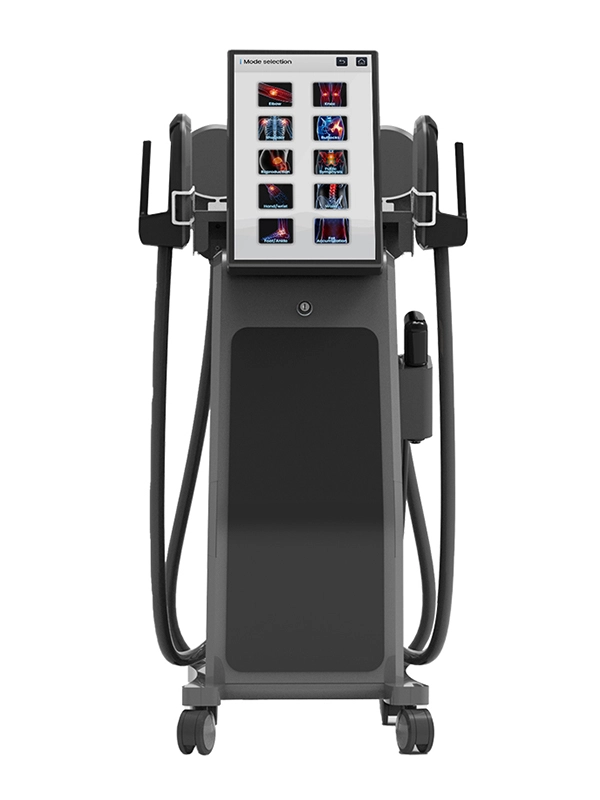
2 in 1 EMS Body sculpt machine cellulite treatment shockwave therapy EMS therapy device EMS machine for muscle stimulation
Goodway's 2-in-1 EMS Body Sculpt Machine utilizes shockwave therapy and EMS technology for effective cellulite reduction and muscle stimulation. This innovative device offers a combined approach to body sculpting, targeting both fat and muscle tone. Experience noticeable improvements with Goodway's advanced shockwave therapy machine.
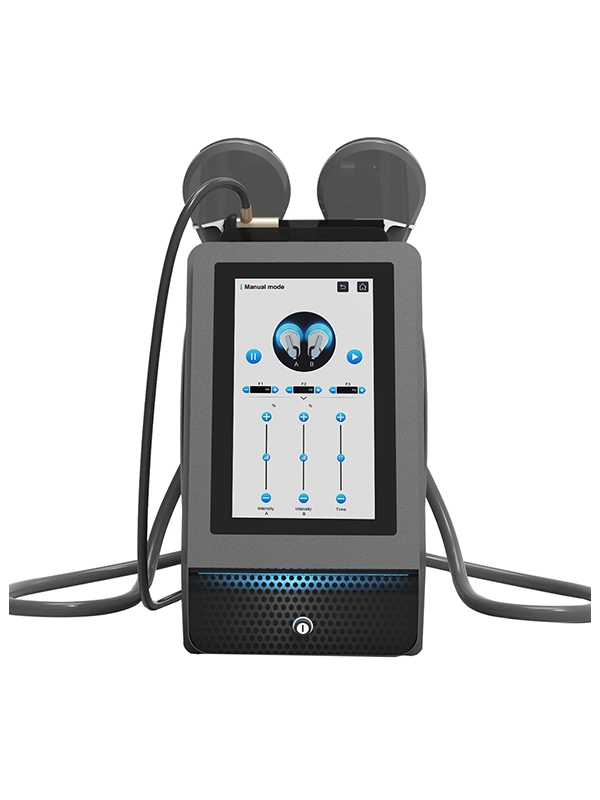
2 in 1 Best EMS beauty device shockwave therapy device body contouring shockwave ems muscle stimulator Machine
Goodway's Shockwave + MES Beauty Device is an advanced dual-therapy system combining shockwave technology for deep-tissue healing—reducing inflammation, relieving arthritis pain, and accelerating recovery—with MES electrostimulation to strengthen muscles without strain. This non-invasive, drug-free solution enhances mobility and rehabilitation, perfect for both clinical and home use.
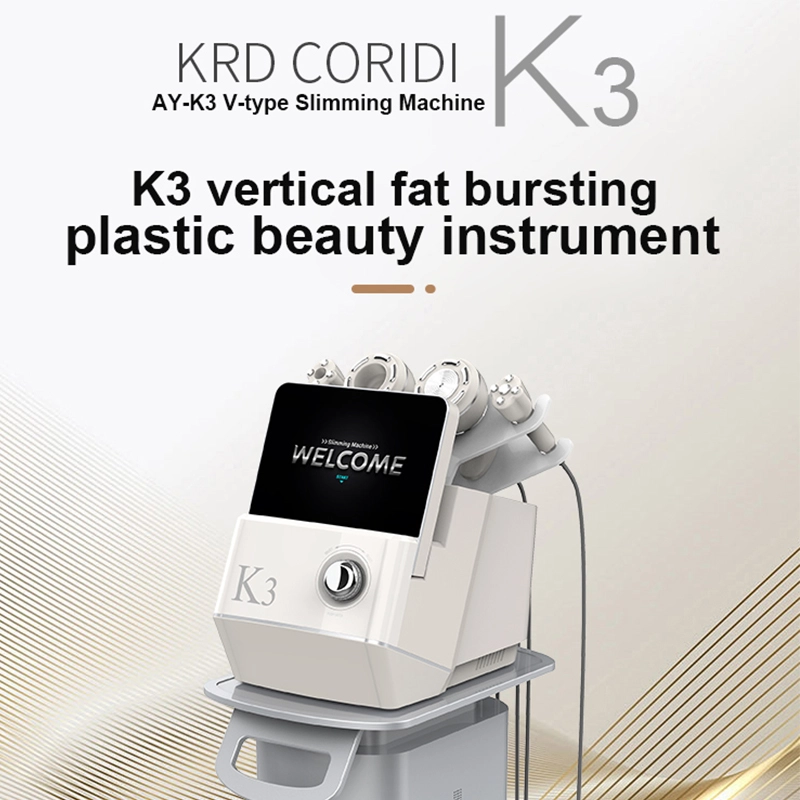
K3 Cavitation machine Achieve Effortless Fat Loss with Our Advanced massage machine
Experience the transformative power of the Goodway's K3 Cavitation Machine. This advanced massage machine targets stubborn fat effortlessly, doubling as an effective cellulite massager. Achieve your desired body contour with ease. Discover unparalleled fat loss results today.
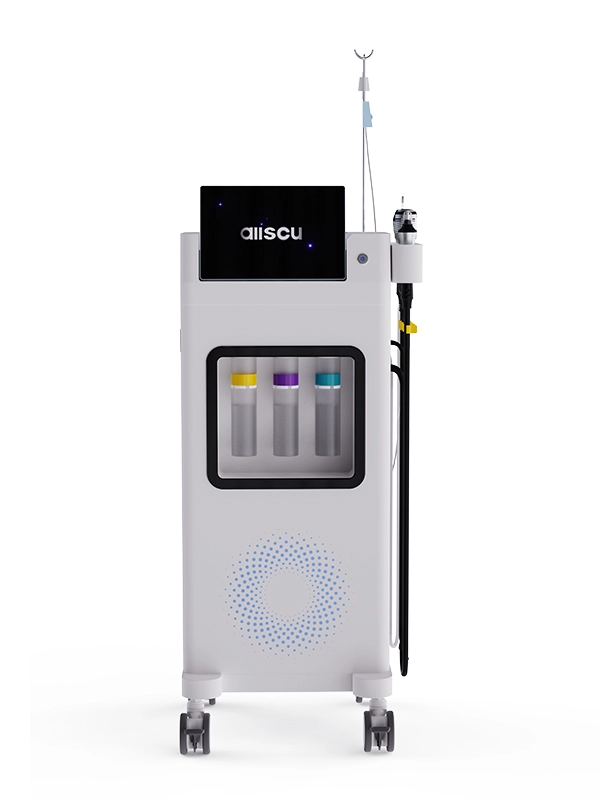
Professional Facial Spa Equipment Aqua Peel Facial Machine for Deep Cleansing and Hydration
Goodway's K8 Hydrafacial Machine is an all-in-one skin rejuvenation system that combines high-pressure deep cleansing, ice hammer pore tightening, plasma acne treatment, diamond microdermabrasion, and ultrasonic pore purification to remove impurities, reduce inflammation, and promote cell renewal—leaving skin smoother, brighter, and healthier.
 Scan QR Code
Instagram