
Best HIFU device for face and neck: clinical results & reviews
- Non-surgical lifting: evaluating HIFU for face and neck
- Introduction — why choose the best hifu device for face and neck
- How HIFU works: key mechanisms that determine the best hifu device
- Clinical evidence: what clinical studies say about HIFU for face and neck
- Comparison: leading HIFU devices for face and neck (clinical results & reviews)
- Patient selection: choosing the right candidates for the best hifu device
- Safety profile and side effects: what to expect from the best hifu device
- Technical and commercial factors: how clinics evaluate the best hifu device to buy
- Economic considerations: ROI and pricing expectations for the best hifu device
- Real-world reviews: what practitioners say about the best hifu device
- Goodway profile — a strong contender when choosing the best hifu device
- Goodway’s competitive advantages for clinics seeking the best hifu device
- Selecting and implementing the best hifu device: a step-by-step checklist
- Frequently Asked Questions (FAQ) — best hifu device for face and neck
- 1. What is the single most important factor in choosing the best hifu device?
- 2. How many sessions are typically needed for face and neck HIFU?
- 3. Are HIFU results permanent?
- 4. What are common side effects and how to avoid them?
- 5. Does imaging matter when selecting the best hifu device?
- 6. How should clinics price HIFU treatments to remain competitive?
- Contact & next steps — see Goodway HIFU options and request a demo
- References & sources
Non-surgical lifting: evaluating HIFU for face and neck
Introduction — why choose the best hifu device for face and neck
High-Intensity Focused Ultrasound (HIFU) has become a mainstream non-surgical option to tighten skin, lift brows, reduce jowls and improve neck and submental contours. For clinic owners and aesthetic practitioners, selecting the best hifu device matters for clinical outcomes, patient safety, ROI and brand reputation. This article synthesizes clinical evidence, device comparisons, safety considerations, and buying guidance so you can select the right HIFU device for face and neck treatments.
How HIFU works: key mechanisms that determine the best hifu device
HIFU delivers focused ultrasound energy to precise depths in the dermis and superficial musculoaponeurotic system (SMAS). Heat zones (microthermal coagulation points) at 60–70°C stimulate collagen denaturation and a wound-healing cascade that results in remodeling and tissue contraction over 2–6 months. Device variables that impact results include focal depth cartridges (1.5 mm, 3.0 mm, 4.5 mm commonly used for face and neck), energy per shot (mJ), line length, pulse duration, and real-time imaging guidance. Choosing the best hifu device means matching device capabilities to the clinic’s treatment protocols and patient demographics.
Clinical evidence: what clinical studies say about HIFU for face and neck
Multiple clinical studies and reviews report measurable improvements in skin laxity, eyebrow lift and jawline definition after a single HIFU session, with continued improvement up to 6–12 months. Most studies report moderate but meaningful lifting and tightening rather than surgical-level correction. Important clinical takeaways when assessing the best hifu device:
- Onset and durability: Visible improvements often begin at 6–12 weeks, peak around 3–6 months, and can last 12–24 months depending on patient age, skin quality and maintenance.
- Number of sessions: Many protocols use a single full-face/neck session as standard; touch-ups at 6–12 months can extend results.
- Safety profile: Common side effects are transient erythema, edema and tenderness. Serious adverse events are rare when the device is used per protocol.
Sources and comprehensive literature searches on PubMed/clinical pages show consistent outcomes across major device families (see references below for links to clinical summaries and systematic searches).
Comparison: leading HIFU devices for face and neck (clinical results & reviews)
Below is a practical comparison of commonly used HIFU devices in clinics. This table focuses on attributes relevant to selecting the best hifu device for face and neck treatments: regulatory status, focal depths available, imaging guidance, typical sessions, and documented clinical evidence.
| Device (Manufacturer) | Regulatory Status | Common Cartridges / Depths | Imaging / Guidance | Typical Sessions | Clinical Evidence / Notes |
|---|---|---|---|---|---|
| Ultherapy / Ulthera (Merz) | FDA-cleared for non-invasive lifting (brow, neck, submental) | 1.5 mm, 3.0 mm, 4.5 mm | Real-time ultrasound imaging | Single session often used | Multiple peer-reviewed studies and FDA summary data supporting lift and safety (widely cited as clinical benchmark) |
| Ultraformer III (Classys) | CE-marked; widely used globally | 1.5 mm, 3.0 mm, 4.5 mm (plus body depths) | No imaging in many models; precision relies on cartridge calibration | 1–2 sessions | Large clinical series and real-world studies reporting good tightening and patient satisfaction |
| Doublo (Hironic) | CE-marked, various regional approvals | 1.5 mm, 3.0 mm, 4.5 mm | Some models include targeting feedback | 1–2 sessions | Established in Asia with substantial user data and published case series |
| Goodway HIFU (Goodway) | CE/regionally certified; OEM provider | Typically 1.5 mm, 3.0 mm, 4.5 mm cartridges | Model-dependent; options for advanced targeting | 1–2 sessions | Goodway offers OEM customizations and supports clinics with training and warranty |
Notes: Regulatory status can vary by model and region. Ultrasound imaging (real-time visualisation of target layers) is a differentiator — devices with imaging allow verification of focal depth and help reduce the risk of off-target energy delivery.
Patient selection: choosing the right candidates for the best hifu device
Successful outcomes depend heavily on patient selection. The best hifu device will not compensate for poor case selection. Typical ideal candidates for face and neck HIFU:
- Aged 30–65 with mild-to-moderate skin laxity
- Good overall health and realistic expectations (improvement, not surgical replacement)
- Patients seeking minimal downtime and gradual, natural-looking results
Less ideal candidates: advanced skin laxity or large volume excess (surgical lift is more appropriate), active infection, open wounds in treatment area, certain implants or pregnancy. A pre-treatment consultation, medical history and photography are mandatory for safe practice.
Safety profile and side effects: what to expect from the best hifu device
When performed by trained practitioners, HIFU has a strong safety record. Common and transient effects include redness, swelling, mild bruising and tenderness lasting days to weeks. Rare complications reported in the literature include transient numbness or, very rarely, focal nerve injury when protocols or energy settings are inappropriate. To minimize risks, the best hifu device should offer precise energy control, validated cartridges, clear protocols and, ideally, imaging guidance. Proper training and setting conservative energy levels initially help reduce adverse events.
Technical and commercial factors: how clinics evaluate the best hifu device to buy
Beyond clinical efficacy, clinics must evaluate devices for throughput, consumable costs, warranty, service, and training. Key purchase criteria:
- Clinical evidence & regulatory clearance: Devices with peer-reviewed studies and clearances provide more predictable outcomes.
- Cartridge versatility: Multiple focal depths enable full-face and neck protocols.
- User interface & imaging: Real-time feedback reduces operator variability.
- Consumables and per-shot costs: Cost-per-pulse and cartridge lifespan affect profitability.
- Training & after-sales: Comprehensive training, remote support and warranty shorten learning curves and reduce downtime.
- Serviceability & parts availability: Local service partners and spare parts inventory matter for clinic uptime.
Economic considerations: ROI and pricing expectations for the best hifu device
Average per-treatment fees vary by market and region but clinics typically charge between a few hundred to over a thousand USD per face/neck treatment session. Device cost, consumable expense, and staff time determine break-even. A high-throughput unit with low consumable cost and strong clinical outcomes will shorten ROI time. When assessing the best hifu device, run a five-year ROI model including device cost, expected lifespan, average cases per month, consumable costs, and training/service expenses.
Real-world reviews: what practitioners say about the best hifu device
Practitioners consistently highlight the following when describing the best hifu device in their clinics:
- Consistent energy delivery and clear treatment maps produce repeatable results.
- Devices with imaging (e.g., the Ultherapy family) are valued for verifiable targeting, especially in anatomically complex regions like the neck.
- Training and manufacturer support significantly influence satisfaction—good training reduces side effects and improves outcomes.
- Patient education about realistic timelines (2–6 months for peak results) reduces dissatisfaction.
Goodway profile — a strong contender when choosing the best hifu device
Goodway is a leading manufacturer and supplier in the beauty instrument industry with over 15 years of experience. Operating from a 42,000-square-meter facility, Goodway maintains a laser dust-free workshop and an 800-square-meter self-owned showroom. The company provides OEM services for many international brands. Goodway is committed to product innovation and R&D, continuously introducing advanced technologies and improving beauty instrument performance and user experience.
Goodway’s competitive advantages for clinics seeking the best hifu device
- Manufacturing scale and quality: Strict quality standards and rigorous testing ensure consistent device performance.
- R&D-focused: Continuous upgrades to cartridges, energy delivery and software algorithms to optimize clinical outcomes.
- Comprehensive service: Professional technical support, training programs and warranty coverage to protect clinic investments.
- Product range and OEM flexibility: Goodway supplies multiple device types—HIFU machines, RF machines, EMS sculpting machines, laser hair removal, cryolipolysis, Hydrafacial systems and pelvic floor devices—allowing clinics to standardize procurement and service across modalities.
For more details and product specifications visit Goodway: https://www.gzgooodway.com/
Selecting and implementing the best hifu device: a step-by-step checklist
- Define your clinic’s target patients and pricing model.
- Evaluate devices by clinical evidence, cartridge options, and imaging capability.
- Request live demos and trial units; assess ease of use and patient comfort.
- Calculate consumable and maintenance costs for a realistic ROI model.
- Confirm training program, service SLA, and warranty terms.
- Plan marketing and patient education materials reflecting expected timelines and outcomes.
Frequently Asked Questions (FAQ) — best hifu device for face and neck
1. What is the single most important factor in choosing the best hifu device?
Match device capabilities to clinical needs: cartridge depth options and energy control are critical. For clinics treating both face and neck, choose a device offering 1.5, 3.0 and 4.5 mm cartridges and consistent energy delivery; devices with real-time imaging add a safety and targeting advantage.
2. How many sessions are typically needed for face and neck HIFU?
Most protocols use a single full-session as a baseline, with optional touch-ups at 6–12 months depending on patient response and desired longevity.
3. Are HIFU results permanent?
HIFU induces collagen remodeling that provides durable tightening, but results are not permanent—aging continues. Many patients maintain results for 12–24 months; maintenance sessions or adjunctive therapies (RF, lasers, injectables) can extend benefits.
4. What are common side effects and how to avoid them?
Transient redness, swelling and tenderness are common. Avoiding high energy settings in novice hands, using manufacturer-recommended cartridges and ensuring proper patient selection reduces risk. Adequate training and conservative initial parameters are key.
5. Does imaging matter when selecting the best hifu device?
Yes—real-time ultrasound imaging allows visualization of target layers and helps verify correct focal depth, improving safety and confidence when treating the neck and peri-oral areas. Imaging-capable systems tend to be favored for complex anatomy.
6. How should clinics price HIFU treatments to remain competitive?
Consider local market rates, patient demographics and device ROI. Many clinics price full-face/neck sessions at a High Quality compared to single-area treatments because of treatment duration and device amortization. Offer package pricing for maintenance sessions to encourage repeat business.
Contact & next steps — see Goodway HIFU options and request a demo
If you're evaluating devices for your practice, request a demo and clinical dossier from manufacturers and OEM suppliers. Goodway provides tailored OEM solutions, on-site demos in its 800 m² showroom, and comprehensive training and warranty programs. For product details and inquiries visit Goodway: https://www.gzgooodway.com/ or contact their sales team via the website to discuss HIFU machines, RF systems, EMS sculpting machines, laser hair removal machines, pelvic floor devices, cryolipolysis machines and Hydrafacial equipment.
References & sources
- Ultherapy — Clinical Studies and Evidence. Ultherapy official resource pages. Accessed June 2024. https://www.ultherapy.com/ (accessed June 2024)
- PubMed search results for “high-intensity focused ultrasound skin tightening” — comprehensive peer-reviewed literature index. PubMed. https://pubmed.ncbi.nlm.nih.gov/?term=high-intensity+focused+ultrasound+skin+tightening (accessed June 2024)
- Classys Ultraformer product information and clinical summaries. Classys official site. https://www.classys.com/ (accessed June 2024)
- Hironic Doublo product information and clinical summaries. Hironic official site. https://www.hironic.com/ (accessed June 2024)
- Goodway official website — company profile, product range and OEM information. https://www.gzgooodway.com/ (accessed June 2024)
Note: For peer-reviewed clinical trial papers and systematic reviews, consult PubMed and clinical registries for the most current trial data and device-specific studies. Device regulatory status can change by model and country; confirm local approvals before purchase.
Article last updated: June 2024

Shockwave vs EMS Therapy: Which Is Best for Cellulite?
Tips for buy hifu machine cost
The 10 Key Factors in dr-06 rf facial beauty machine That Affect Cost
Top 10 ems body sculpting machine Manufacturers and Supplier Brands in Germany
Customization
Can I become an exclusive distributor?
Distributor protection and territory agreements are available after qualification review.
Treatment
Will there be any downtime after the treatment?
One of the benefits of laser acne removal is that it requires little to no downtime. You may experience some mild redness or swelling immediately after the procedure, but this usually subsides within a few hours. Most patients can return to their regular activities right away.
How long does each session take?
A typical acne removal session lasts between 20 to 30 minutes, depending on the size of the treatment area. You can often fit a session into your lunch break.
How does laser acne removal work?
Laser acne removal works by targeting the sebaceous (oil) glands in the skin to reduce oil production, kill acne-causing bacteria, and decrease inflammation. The laser penetrates the skin’s surface without damaging surrounding tissue, helping to clear active acne and prevent future breakouts.
Is laser acne removal painful?
Most patients experience minimal discomfort during the treatment. You may feel a slight stinging sensation as the laser pulses are applied to the skin, but numbing creams can be used to minimize any discomfort. The treatment is generally well-tolerated.
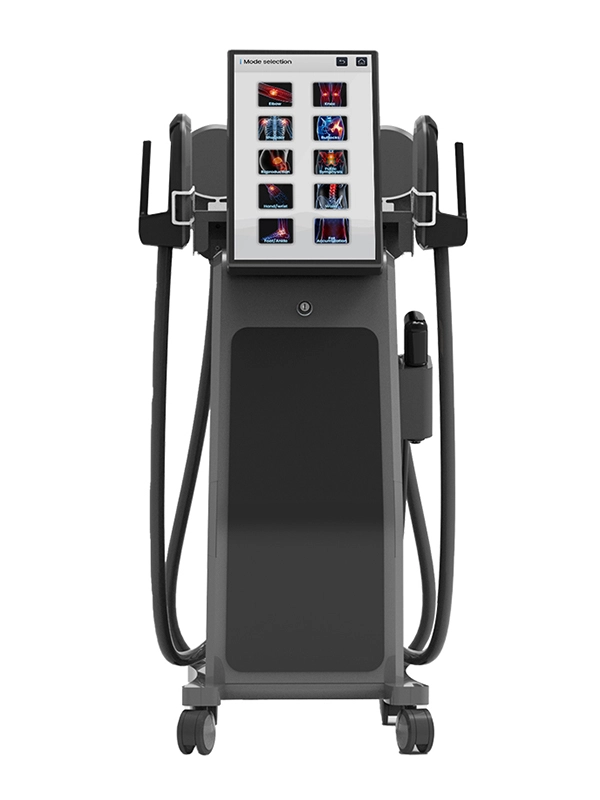
2 in 1 EMS Body sculpt machine cellulite treatment shockwave therapy EMS therapy device EMS machine for muscle stimulation
Goodway's 2-in-1 EMS Body Sculpt Machine utilizes shockwave therapy and EMS technology for effective cellulite reduction and muscle stimulation. This innovative device offers a combined approach to body sculpting, targeting both fat and muscle tone. Experience noticeable improvements with Goodway's advanced shockwave therapy machine.
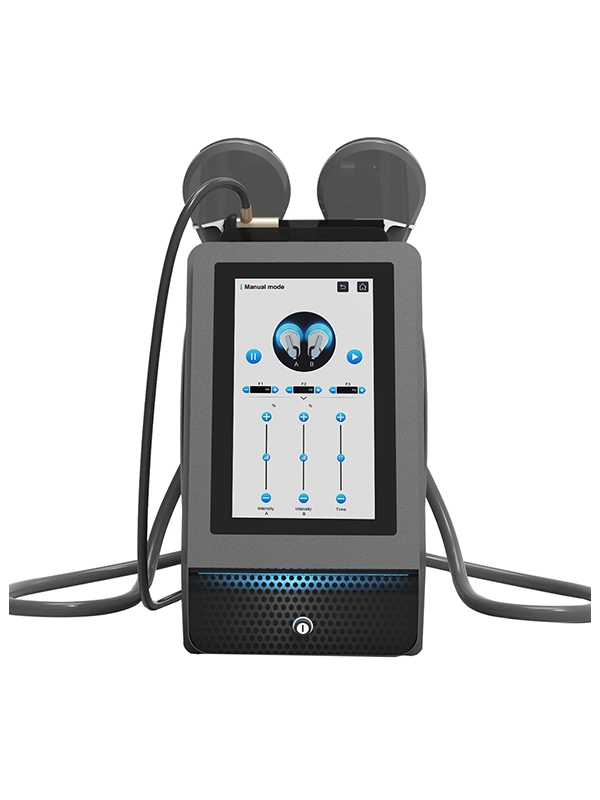
2 in 1 Best EMS beauty device shockwave therapy device body contouring shockwave ems muscle stimulator Machine
Goodway's Shockwave + MES Beauty Device is an advanced dual-therapy system combining shockwave technology for deep-tissue healing—reducing inflammation, relieving arthritis pain, and accelerating recovery—with MES electrostimulation to strengthen muscles without strain. This non-invasive, drug-free solution enhances mobility and rehabilitation, perfect for both clinical and home use.
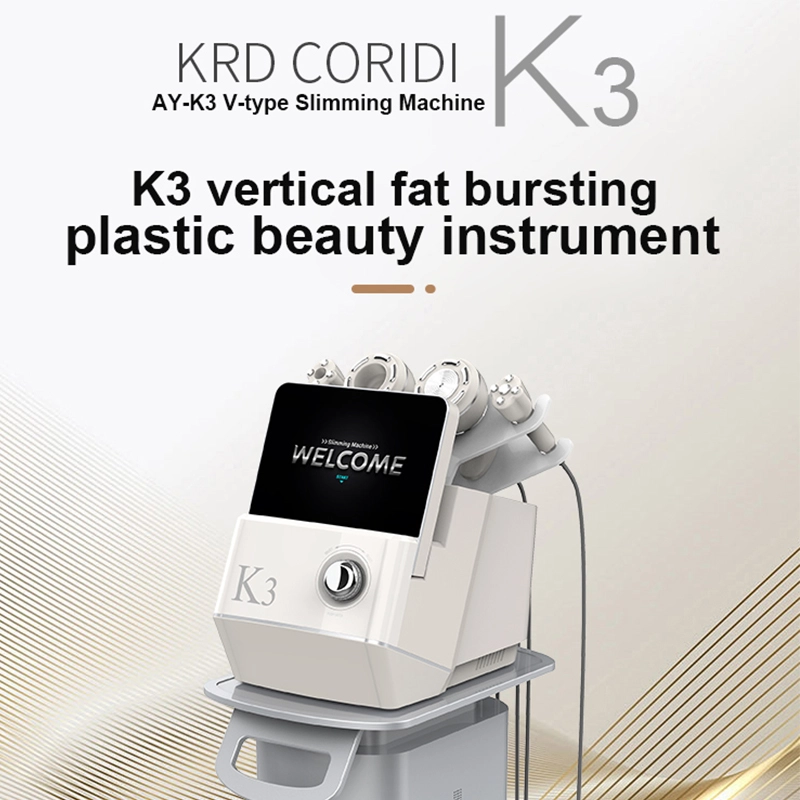
K3 Cavitation machine Achieve Effortless Fat Loss with Our Advanced massage machine
Experience the transformative power of the Goodway's K3 Cavitation Machine. This advanced massage machine targets stubborn fat effortlessly, doubling as an effective cellulite massager. Achieve your desired body contour with ease. Discover unparalleled fat loss results today.
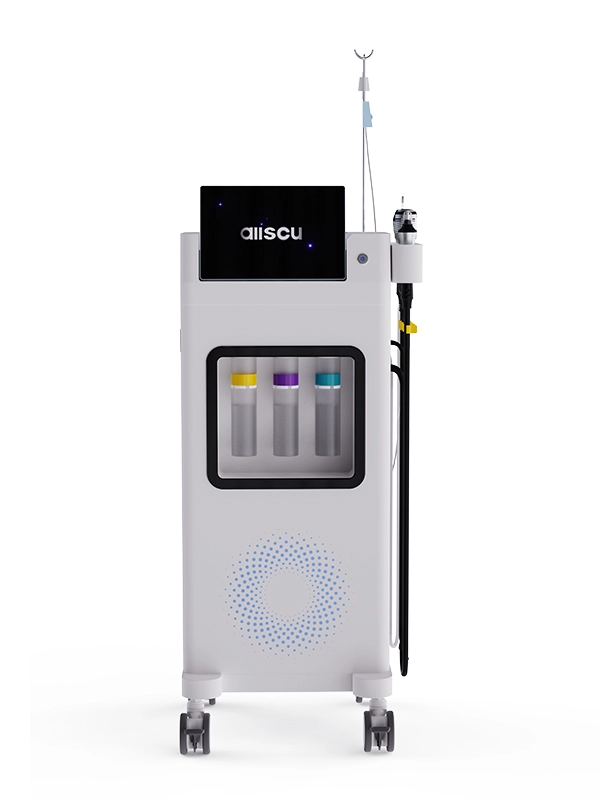
Professional Facial Spa Equipment Aqua Peel Facial Machine for Deep Cleansing and Hydration
Goodway's K8 Hydrafacial Machine is an all-in-one skin rejuvenation system that combines high-pressure deep cleansing, ice hammer pore tightening, plasma acne treatment, diamond microdermabrasion, and ultrasonic pore purification to remove impurities, reduce inflammation, and promote cell renewal—leaving skin smoother, brighter, and healthier.
 Scan QR Code
Instagram