
Maintenance Tips to Extend the Lifespan of the Best Professional Cavitation Machine in Your Clinic
- Why Regular Maintenance Matters for the Best Professional Cavitation Machine
- How Proper Care Affects Treatment Safety and Performance
- The Cost Benefits of Extending Machine Lifespan
- Risks of Poor or Irregular Maintenance in Clinics
- Daily Maintenance Routine to Keep Your Cavitation Machine Running Smoothly
- Essential Pre-Use Checks Every Technician Should Perform
- Cleaning and Sanitizing Handpieces After Each Session
- Monitoring Gel Residue, Connectors, and Energy Output Consistency
- Weekly and Monthly Maintenance Tips for Better Device Longevity
- Inspecting Transducers, Cables, and Internal Components
- Checking Cooling Systems to Prevent Overheating
- Updating Firmware and Performing System Diagnostics
- How to Prevent Overheating and Power Fluctuations
- Best Practices for Managing Continuous Operation
- Understanding Cooling System Alerts and Warning Signals
- When to Stop a Session to Protect the Best Professional Cavitation Machine
- Storage and Handling Guidelines to Protect Your Device
- Proper Storage Environment to Avoid Moisture and Dust
- How to Handle Handpieces to Prevent Piezoelectric Damage
- Transportation Rules for Clinics With Mobile Services
- Common Maintenance Mistakes That Shorten Cavitation Machine Lifespan
- Misusing Power Settings or Ignoring Calibration
- Overlooking Early Signs of Component Wear
- Using Unapproved Cleaning Chemicals or Techniques
- When to Contact Your Cavitation Machine Manufacturer
- Situations That Require Professional Technical Support
- How OEM Service Extends the Lifespan of Clinic-Grade Equipment
- What to Document Before Requesting Maintenance Assistance
- Expert Tips for Maximizing the ROI of Your Best Professional Cavitation Machine
- Training Technicians on Correct Operation and Care
- Establishing a Preventive Maintenance Schedule
- Leveraging Manufacturer Warranty and After-Sales Service
- Conclusion
- FAQs
To guarantee the long-term viability of the top professional cavitation machine, it is necessary to do more than simple cleaning; it is necessary to organize maintenance, to work correctly, and to regularly monitor it. A properly maintained device ensures a better outcome of treatment, as well as safeguards your clinic investment. The guide is a step-by-step methodology for maintaining cavitation systems in a clinic-type environment at the clinic-grade level.

Why Regular Maintenance Matters for the Best Professional Cavitation Machine
A professional cavitation machine works under the influence of high-frequency ultrasonic energy, which implies that all the elements, such as transducers, cooling systems, etc., should be working at the optimal level of stability. Creating a routine of care will guarantee consistency of treatment and client safety as well as efficient working of the machine in the long run.
How Proper Care Affects Treatment Safety and Performance
Regularly changing the ultrasound system maintains stability in its output, correct delivery of frequency and eliminates unplanned stoppage. When your professional cavitation machine is reliable, as it does not overheat or leave inconsistent cavitation results, the technicians will be able to provide consistent fat-reduction treatments. This is due to the fact that proper care facilitates safe operation of the cavitation machines and client confidence.
The Cost Benefits of Extending Machine Lifespan
Properly maintained equipment will lessen the demand for replacement parts and will inhibit early demise of the transducer or circuitry. Clinics are on the saving end, as they do not need to suffer losses due to downtimes, repairing the machine or changing it prematurely—one of the fundamental strengths of adhering to a well-designed cavitation machine maintenance schedule.
Risks of Poor or Irregular Maintenance in Clinics
Disregard of maintenance is likely to heighten the chances of overheating, unstable power generation, and decreased cavitation efficiency. Even the finest professional cavitation machine maintenance system has been shown to have a shortened life with inconsistent care, as well as contribute to more service complaints and undermining of the safety of treatment.
Before diving deeper into long-term maintenance strategies, it’s also important for clinics—especially newer establishments—to understand how machine selection influences future upkeep. For readers who are still evaluating which device to invest in, our related guide “Best Professional Cavitation Machine for Beginners: What New Clinics Must Know Before Purchasing” offers a comprehensive overview of key buying considerations. It explains how cooling systems, transducer quality, safety features, and warranty support directly affect the maintenance workload you will face later. Reviewing that guide ensures that your purchase decision aligns with the maintenance expectations outlined in this article, helping clinics choose a machine that is both high-performing and easy to care for in daily operations.
Daily Maintenance Routine to Keep Your Cavitation Machine Running Smoothly
The stability of equipment over time is determined by inspection on a daily basis. This allows technicians to observe abnormalities in operations at an early stage, which will cause the failure of a component to work quite frequently, thus prolonging its service life many times.
Essential Pre-Use Checks Every Technician Should Perform
Check all the important interfaces visually and manually before every treatment session. Make sure that connectors are well secured, the probe is firmly seated and does not move in a micro manner and the touchscreen or control panel is sensitive to calculations. Check the response of the energy output by a short working mode at low power. Any latency, variation or atypical feedback can indicate that the calibration is drifting or that the interface has become unstable, and this must be resolved first.
Cleaning and Sanitizing Handpieces After Each Session
Each time a handpiece is used, there are some gel, oils, and micro-debris that accumulate, thus interfering with the conductivity of the ultrasound and posing a sanitation risk. Wipe the working surface using neutral detergents that are approved by the manufacturer; do not use alcohol-containing heavy formulas, which destroy membranes; and be sure that the outer moisture does not creep into the seams and ventilation slits. The sanitization after treatment is required to ensure the consistency in cleaning the cavitation machines and preserving sensitive piezoelectric components.
Monitoring Gel Residue, Connectors, and Energy Output Consistency
The most common cause of overheating and signal distortion is residual gel. Clean gel plates, ports and probe interfaces, clearing any accumulation on them that can impede heat transfer or cause acoustic output to be unstable. Stability of power supply is another important sign of healthy interiors—any fluctuations are to be reported in further diagnosis.
Weekly and Monthly Maintenance Tips for Better Device Longevity
In addition to the day-to-day work, the planned more intensive maintenance helps avoid a gradual degradation of the components, maintain potential treatment parameters correctly, and keep the operating system of cavitation at its intended efficiency.

Inspecting Transducers, Cables, and Internal Components
Conduct a thorough examination of the transducer housing, transducer surface membrane and sound output. Check on micro-cracks, discoloration, stiff cables or loose connectors—these minor indicators have been known to be precursors of reduced performance. Unusual buzzing, pulsation, or sound of the transducer may be a sign of piezoelectric wear, and it should be corrected prior to clinical use.
Checking Cooling Systems to Prevent Overheating
Lauderate fan operation, ventilation routes and the quantity of cooling liquid (otherwise). One of the leading factors that leads to overheating of a cavitation machine is blocked airflow or poor quality of the coolant. Make sure that there is a free flow of air and confirm that temperature sensors are not delayed. Constant cooling cycles keep the operating temperatures low and safe and secure internal boards.
Updating Firmware and Performing System Diagnostics
Firmware updates monthly are used to optimize the energy modulation; frequency stability and safety controls. Perform diagnostics Tests to ensure transducer output, circuit sensitivity and software response times. This is a preventive measure that will keep the cavitation frequency of the machine within the recommended range and will also support your overall cavitation machine maintenance schedule.
How to Prevent Overheating and Power Fluctuations
Unstable power and accumulation of heat are two significant factors that hasten component aging. Sensitive electronics are safeguarded by proper management, and predictable results of treatment are guaranteed.
Best Practices for Managing Continuous Operation
Do not run long back-to-back sessions at full blast. Adhere to manufacturer-specified duty cycles, with adequate cool-off periods to prevent power board and ultrasonic chip damage. This will eliminate any thermal stress and increase the life of operation.
Understanding Cooling System Alerts and Warning Signals
Multi-level alarms are fitted in professional cavitation devices, such as temperature rise, blocked-airflow and coolant deficiency warnings. Get to know what each signal will indicate, such as the limits beyond which an automatic power cut or shutoff will occur. Correct interpretation can be used to avoid damage to components that is irreversible.
When to Stop a Session to Protect the Best Professional Cavitation Machine
Terminate at once in case the output is irregular, the surface of the handpiece becomes abnormally warm, and the system shows error codes. The further use in such conditions may lead to the damaging of the transducer crystals, internal capacitors, and energy boards. Early closure is a precaution for both the patient and equipment safety.
Storage and Handling Guidelines to Protect Your Device
Effective storage and handling have a direct effect on durability, particularly in facilities where there is a large number of shifts or mobile treatment.
Proper Storage Environment to Avoid Moisture and Dust
Keep the device in a regulated dry room that is well ventilated. A high humidity will result in oxidation of the circuits and also dust will block the heat-dissipation vents and the cooling will work less effectively. Dust covers should always be used when the machine is not in use.
How to Handle Handpieces to Prevent Piezoelectric Damage
Handpieces have ultrasound crystals, which are very sensitive and fracture easily when they are hit. Do not apostrophe cables; drag them or bend them in straight lines. Keep handpieces on special brackets, however, not in any drawers or beneath other equipment, to avoid the damage caused by pressure.
Transportation Rules for Clinics With Mobile Services
In the case of a padded transport case, which has internal straps that will hold the machine, the machine must be secured with the use of padded transport cases. Care should be taken not to place heavy objects on the device and shock-absorbing support should be applied to ensure that sensitive components are not vibrated in transit.
Common Maintenance Mistakes That Shorten Cavitation Machine Lifespan
Equipment degradation is largely contributed to by operator habits. A lot of failures can be avoided with the help of adequate training and awareness.
Misusing Power Settings or Ignoring Calibration
Operating all the time on full power or not having to run calibration tests may lead to frequency drift, overheating, and less efficiency in fat disruption. The calibration of the transducer is to make sure that the transducer produces ultrasound waves at the desired resonance frequency so that it does not cause harm but is effective in treatment.
Overlooking Early Signs of Component Wear
Small symptoms e.g. slight irregularities of vibration, slightly raised temperature, or slow responsiveness of the panels, are usually indicative of early electronic or mechanical wear. Early resolution of them avoids costly repairs and safeguards the quality of treatment.
Using Unapproved Cleaning Chemicals or Techniques
There are detergents of industries, alcoholic formulas and abrasive tools that will deteriorate the housing seals, connectors and active membrane of the handpiece. Sanctioned cavitation cleaning procedures should be adhered to at all times in order to prevent structural damage in the long run.
When to Contact Your Cavitation Machine Manufacturer
Some of these problems demand professional intervention in an effort to safeguard your investment as well as ensure that they comply with the standards of operation in the clinic.
Situations That Require Professional Technical Support
Contact support with the manufacturer in case of constant overheating, repeated system problems or unusual patterns of ultrasound output. These symptoms can be a sign of instability of internal boards, malfunction of the sensors, or the degradation of the transducer.
How OEM Service Extends the Lifespan of Clinic-Grade Equipment
OEM technicians have exclusive diagnostic devices and offer original parts that are compatible with the work. Periodical OEM maintenance increases stability in operation and the lifetime of professional-level cavitation systems.
What to Document Before Requesting Maintenance Assistance
Symptoms of record faults, length, frequency, settings of programs during sessions, new updates to firmware, and performance change of the handpieces. Proper documentation also leads to accurate diagnosis of the problem by engineers and it saves time in services.
Expert Tips for Maximizing the ROI of Your Best Professional Cavitation Machine
The actual ROI is realized after a period of proper utilization, proactive maintenance, and utilizing all of the manufacturer support capabilities.
Training Technicians on Correct Operation and Care
Train on a structured basis with regard to the logic of energy setting, handling of handpieces, routine maintenance and problem-solving measures. Experienced technicians minimize underutilization, increase the life of the devices, and guarantee superior client outcomes.
Establishing a Preventive Maintenance Schedule
The presence of a clear schedule (daily, weekly, and monthly) makes sure that the performance of the devices is constant, less prone to sudden failures, and predictable in the effects of the treatment.
Leveraging Manufacturer Warranty and After-Sales Service
Request warranty services and official after-sales services to do the inspections, calibration, and replacement of parts. These services minimize the repair expenses in the long term and guarantee the machine its full clinical functioning.

Conclusion
To preserve the most desirable professional cavitation machine, it is necessary to take good care of it, arrange cleanliness, be able to operate it correctly, and intervene in the technical service in a timely manner. With the aid of the maintenance measures described in this guide, clinics will be able to significantly increase the life of their devices, guarantee the safety of their treatment, and provide excellent outcomes to their clients.
Goodway is a manufacturer of one of the highest-quality providers of clinic-grade cavitation systems with the latest cooling technology, long-life spindles, and after-sales engineering services. Investors in long-lasting, high-performance cavitation systems for clinics, Goodway is the one to rely on with guaranteed reliability, long life value and a smooth-sailing wholesale experience.
FAQs
1. How often should I run diagnostics on my cavitation machine?
Complete diagnostic examination after every 30 days serves to keep the frequency accuracy and performance.
2. Why is my cavitation machine overheating?
The most frequent causes are clogged ventilation, gel formation or cooling system malfunctions. Pull the plug and check whether it is overheating.
3. When should I replace the handpiece or transducer?
The indicators are decreased intensity, abnormal noise, irregular vibration or surface wear.
4. Can I clean the handpiece with alcohol?
Not recommended. Alcohol is capable of causing damage to membranes. Cleaning solutions should be manufacturer approved.
5. What should I do if an error code appears?
Discontinue treatment, write down the code and call technical support. The common error codes are those of overheating and sensor problems.
6. Why does the energy output fluctuate during treatment?
Potential causes: gel residues, free connectors or drift in calibration. Check and clean all connections.
7. How should I store the machine when not in use?
Store it in a dry and well-ventilated place, wrap it up to avoid dust, and store handpieces well to avoid tension in the cables.
8. Do cavitation machines need professional calibration?
Yes. Calibration of professionals should be done after every 3-6 months to maximize accuracy.
9. Is it safe to transport the machine for mobile services?
Yes, one with a padded case of protection and cable positioning to avoid shock damage.
10. When should I contact the manufacturer?
In case you observe frequent overheating, frequent errors, and abnormal ultrasound production, turn to service assistance by OEM.
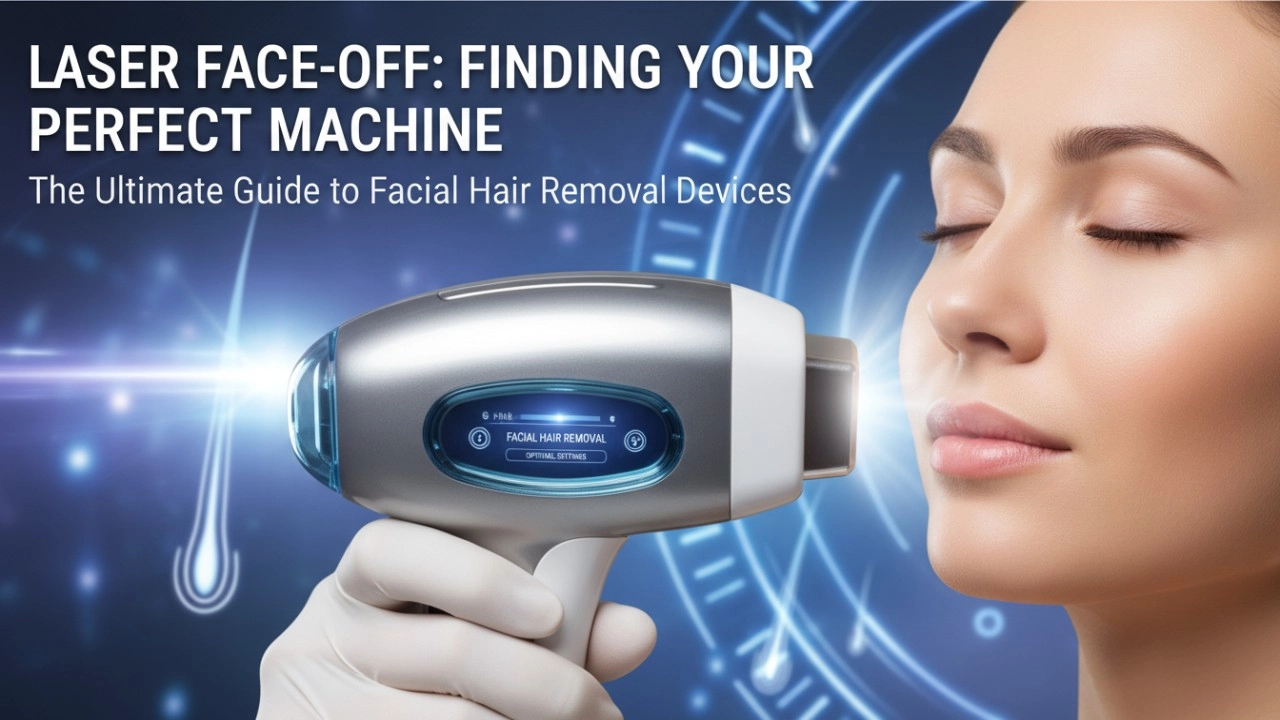
Diode vs. Alexandrite vs. Nd:YAG: Which Laser Machine Is Truly Best for Sensitive Facial Hair?
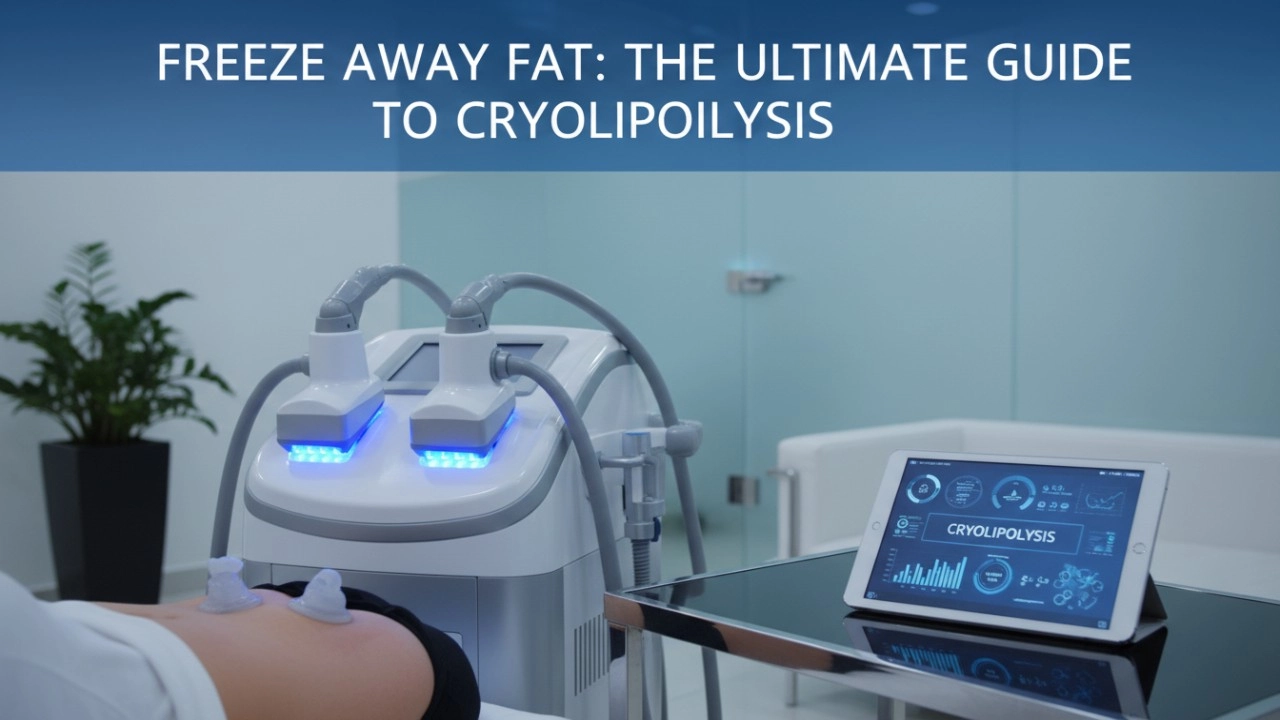
Is It Worth It? The Real Truth About Professional Cryolipolysis Slimming Machines (2026 Guide)
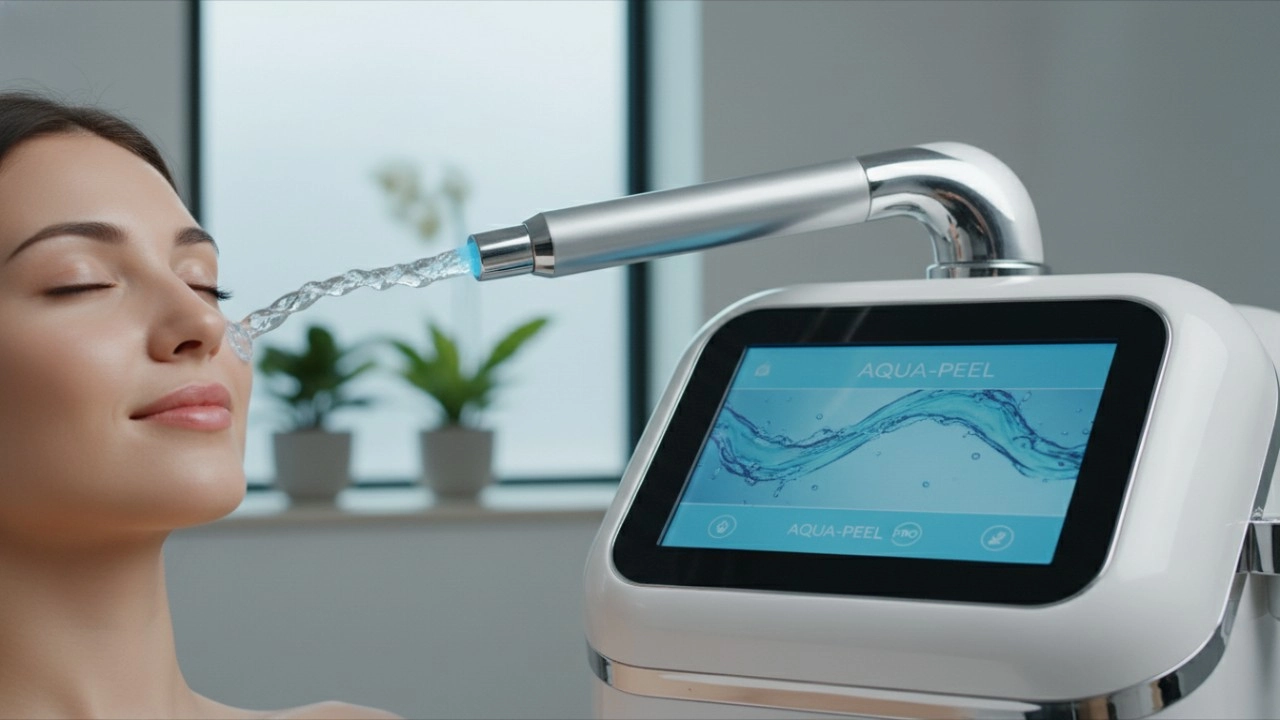
7 Common Aqua Peel Machine Mistakes (And Why Your Skin Isn't Glowing Yet)

Top 7 Benefits of Adding an Aqua Peel Facial Machine to Your Spa Menu
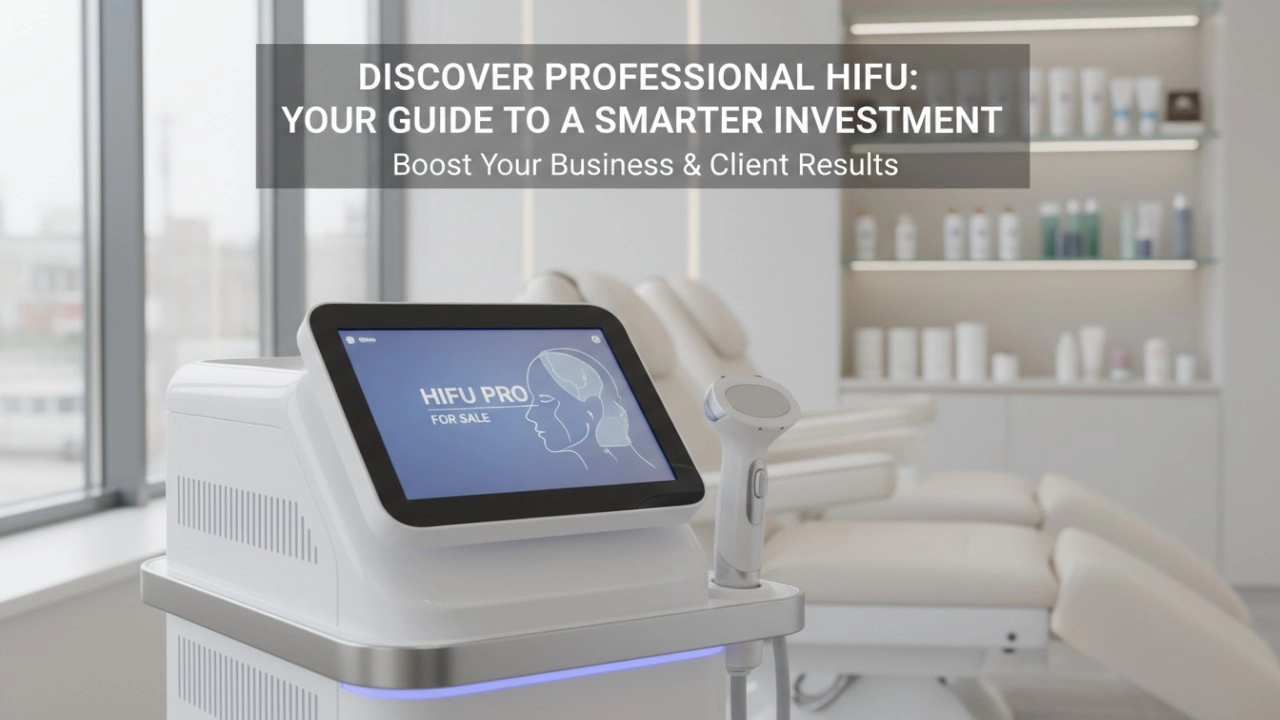
2026 Professional HIFU Machine Buyer’s Guide: Top Systems for Sale and Clinic ROI
Customization
What is the delivery time for customized equipment?
The delivery time typically depends on the complexity of the project and the order quantity. Generally, it takes 6 to 12 weeks from design confirmation to product delivery. The exact timeline will be negotiated with the client upon order confirmation.
Is this machine for home or personal use?
No. Our EMS sculpting machines are designed strictly for professional and commercial use.
Treatment
Is laser acne removal painful?
Most patients experience minimal discomfort during the treatment. You may feel a slight stinging sensation as the laser pulses are applied to the skin, but numbing creams can be used to minimize any discomfort. The treatment is generally well-tolerated.
How many sessions will I need?
The number of sessions varies depending on the severity of your acne. Typically, patients require between 3 to 6 sessions spaced a few weeks apart to see significant improvements. Your practitioner will assess your skin and recommend a personalized treatment plan.
How does laser acne removal work?
Laser acne removal works by targeting the sebaceous (oil) glands in the skin to reduce oil production, kill acne-causing bacteria, and decrease inflammation. The laser penetrates the skin’s surface without damaging surrounding tissue, helping to clear active acne and prevent future breakouts.
You might also like

Product Introduction – Professional 360° HIFU Machine
Our 360° HIFU Machine is an advanced non-surgical solution for facial lifting, skin tightening, and body contouring. Using high-intensity focused ultrasound technology, it delivers precise energy deep into the SMAS layer to stimulate collagen regeneration, lift sagging skin, and smooth wrinkles.
This innovative device features multiple cartridges for both face and body treatments, offering targeted solutions such as fat reduction, double chin removal, and body shaping. It’s completely non-invasive, requires no downtime, and provides long-lasting visible results after just one session.
Perfect for beauty salons, clinics, and spas, this professional HIFU machine helps clients achieve a younger, firmer, and more defined appearance naturally.

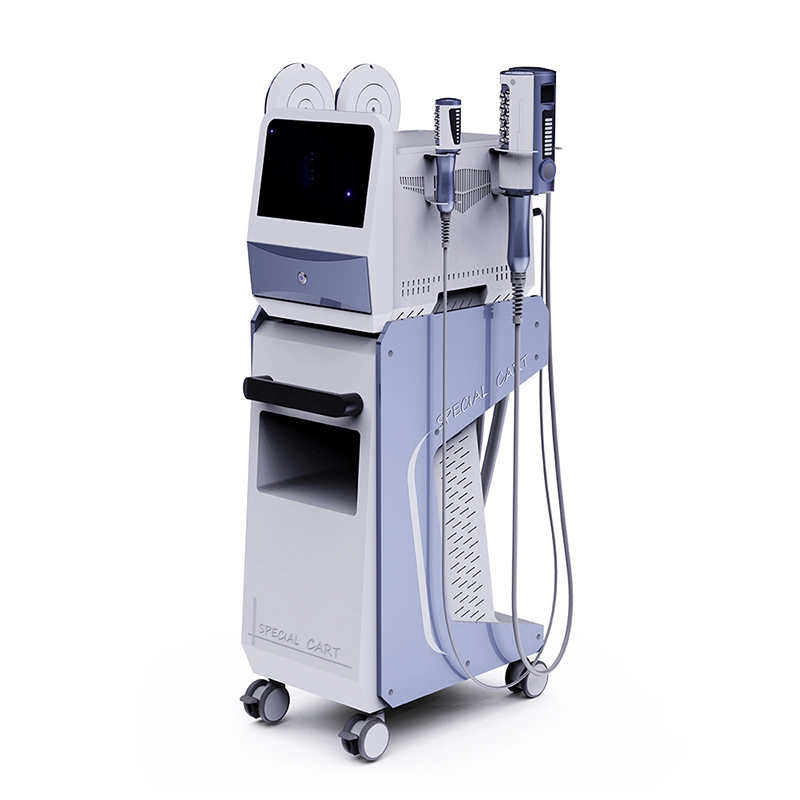
Introducing the Goodway Portable EMS Body Sculpting Device: a versatile EMS sculpting machine designed for salons and gyms. Achieve muscle building, fat loss, and cellulite reduction with advanced technology. Featuring four handles and an inner ball roller, this cellulite massager offers professional results. Transform your body effectively with Goodway.
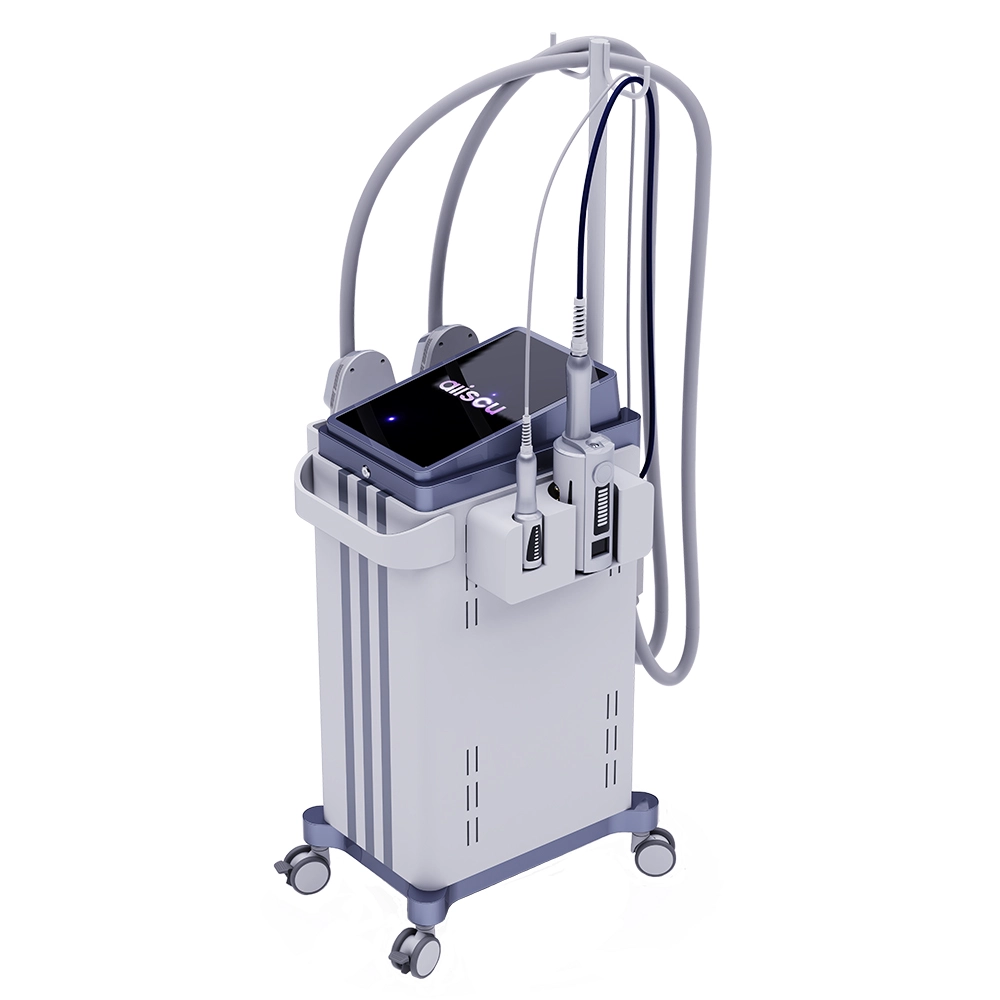
Introducing the 2025 Advanced EMS Sculpting Machine Inner Ball Roller by Goodway—a powerful dual-action solution for fat burn and cellulite reduction. Experience unparalleled results with our EMS sculpting machine and cellulite massager, designed for effective body contouring and skin smoothing. Transform your physique with revolutionary precision.
Contact Goodway
Browse our website. If you have any questions or need advice, please contact us. We will take the time to help you.
Please fill in the form below to send us your questions or comments.
 Scan QR Code
Instagram