
Common Mistakes First-Time Buyers Make When Choosing the Best Professional Cavitation Machine
Discover the common mistakes first-time buyers make when choosing the Best Professional Cavitation Machine. Goodway guides you to make informed decisions, ensuring effective, safe, and reliable equipment for your professional needs. Avoid errors and select the ideal cavitation machine today.
- Why First-Time Buyers Struggle to Choose the Best Professional Cavitation Machine
- Lack of Understanding of How Cavitation Technology Works
- Misjudging the Difference Between Professional and Consumer-Grade Devices
- Overreliance on Marketing Claims Instead of Technical Evidence
- Underestimating the Importance of Energy Stability and Frequency Output
- Why Unstable Ultrasonic Power Leads to Poor Fat-Reduction Results
- Common Misconceptions About 30–40 kHz Frequency Levels
- Ignoring the Need for Consistent Output During Long Sessions
- Focusing Too Much on Low Price Instead of Long-Term Performance
- How Cheap Cavitation Machines Use Low-Grade Transducers
- Hidden Costs: Repairs, Replacements, and Client Dissatisfaction
- Why High-Quality Hardware Saves Clinics More in the Long Run
- Overlooking Essential Safety Certifications and Regulatory Compliance
- Why CE, FDA, and ISO Certifications Matter
- Risks of Using Uncertified Cavitation Equipment
- How to Verify Whether a Machine Meets Medical-Grade Standards
- Choosing a Machine With Limited Handpiece Options and Poor Ergonomics
- How Handpiece Variety Affects Treatment Flexibility
- Poor Ergonomics and Technician Fatigue in Daily Operation
- Why Heat Management in Handpieces Impacts Safety and Comfort
- Not Matching Machine Capabilities With Actual Clinic Services
- Buying Advanced Technology You Don’t Need
- Overlooking Options That Support Your Primary Treatment Menu
- Misalignment Between Technology Mix and Pricing Strategy
- Ignoring Maintenance Requirements and Cooling System Quality
- What Happens When Cavitation Machines Overheat
- The Role of Internal Component Quality in Long-Term Stability
- Why Regular Servicing Protects ROI for Clinics
- Overlooking the Importance of Manufacturer Training and After-Sales Support
- Why Training Quality Directly Affects Treatment Results
- Evaluating the Reliability of After-Sales Support
- How Spare Parts Availability Impacts Clinic Operations
- Falling for Overpromising “Instant Result” Marketing Claims
- Understanding the Realistic Expectations of Ultrasonic Cavitation
- How to Distinguish Scientific Evidence From Sales Hype
- Why Clinical Protocols Matter More Than Fancy Advertising
- How to Avoid the Most Common Mistakes as a First-Time Buyer
- Creating a Checklist for Evaluating Professional Cavitation Machines
- Key Questions to Ask Manufacturers Before Purchasing
- Signs That a Machine Is Truly Built for Professional Use
- Final Buying Checklist for Selecting the Best Professional Cavitation Machine
- Technical Specifications to Verify Before Purchase
- Features That Ensure Long-Term Profitability
- Red Flags That Signal You Should Walk Away
- Conclusion
- FAQs
Choosing the most appropriate professional cavitation machine is usually more complicated than the new clinic owners anticipate. Cavitation technology deals with physics, safety requirements, development of transducers, ergonomics and long-term durability—elements that most novices do not pay much attention to. In the next sections, the most widespread errors are broken down so that you can make those costly decisions yourself and invest with unambiguity and self-assurance.

Why First-Time Buyers Struggle to Choose the Best Professional Cavitation Machine
To most first-time purchasers, the dilemma of the most suitable professional cavitation machine would start way before specifications start being compared. The terminology of the cavitation industry includes such special nomenclature as acoustic pressure, waveform modulation, impedance matching, and duty cycles and may appear confusing to new entrants. Also, there can be a wide difference in the quality of the products between manufacturers, and the marketing descriptions tend to overdo the performance and do not provide any tangible data. Knowledge of these challenges preconditions the improved decision-making.
Lack of Understanding of How Cavitation Technology Works
Cavitation is based on the controlled ultrasonic waves to produce microbubbles that implode and break the membrane of fat cells. Buyers might not be able to make the right comparison of machines without having knowledge of the acoustic energy delivery, peak-to-peak pressure, and frequency consistency. This usually results in the selection of equipment with inadequate real output power, low transducer efficiency or unsteady frequency of the equipment, which makes it more difficult to find the correct professional cavitation machine.
Misjudging the Difference Between Professional and Consumer-Grade Devices
A professional cavitation machine is one that employs industrial piezoelectric transducers and drivers of medical grade and that has a very stable output control system. Consumer-grade devices employ smaller and cheaper components, which are unable to sustain constant energy, particularly over extended treatment periods. Misunderstanding of these categories will result in unrealistic expectations, poor cavitation effects, and failure to produce clinic-level outcomes.
Overreliance on Marketing Claims Instead of Technical Evidence
Such words as "strong power" and "deep slimming" are without meaning unless there is documentation of such words. The most important ones, i.e., the RMS wattage, the percentage of the output tolerance, the stability of the temperature of the handpiece, and real-time monitoring of the frequency, are not commonly indicated in low-quality products. When buyers choose to use slogans in place of quantifiable evidence, the chances are high that they will be sold gadgets that do not behave adequately when used in a professional environment.
Underestimating the Importance of Energy Stability and Frequency Output
Among the most essential variables affecting cavitation performance, we may single out energy stability. Productivity of fat disruption is measured by the ability of the machine to produce a uniform wave of acoustics during the treatment process. The buyers have to know that frequency and stability are going to be the direct determinants of the success of the treatment before they analyze the other features.
Why Unstable Ultrasonic Power Leads to Poor Fat-Reduction Results
To maintain cavitation effects in an ultrasound cavitation machine, the delivery of acoustic waves has to be highly stable. When the power varies, it is the premature collapse of the microbubble formation that will minimize the effect on the fat cells. This causes unequal treatment areas, dissatisfaction in the clients and increased sessions.
Common Misconceptions About 30–40 kHz Frequency Levels
Although buyers believe that an increase in frequency corresponds to a better performance, cavitation physics proves the reverse. Frequencies that are higher than 45 kHz tend to lose depth in penetration and do not produce enough low-pressure cycles. The best range of 3040 kHz provides the best compromise between the generation of bubbles and the penetration of fat layers.
Ignoring the Need for Consistent Output During Long Sessions
The best professional cavitation machine should be capable of operating at constant frequency and constant wattage for 30 to 45 minutes without overheating or changing the waveform. Poor-quality machines lose their efficiency in 1015 minutes, resulting in inconsistent outcomes, safety, and overload of clinics.
Focusing Too Much on Low Price Instead of Long-Term Performance
Cavitation equipment is very seldom on sale at a price that can be seen to give long-term value. Less expensive machines will look appealing at first, but the actual price will be revealed in the future by the deterioration of performance, unstable functionality, and low service life. Knowledge on the engineering of pricing can assist buyers to make sustainable choices.
How Cheap Cavitation Machines Use Low-Grade Transducers
The budget machines are commonly designed with low-grade ceramic transducers having poor impedance stability and low acoustic conversion efficiency. This implies that they produce less powerful cavitation fields, compelling the operators to prolong treatment duration or to raise power levels; this compromises the efficiency of a cavitation fat reduction machine.
Hidden Costs: Repairs, Replacements, and Client Dissatisfaction
Poor drivers, unreliable circuit boards and poor cooling systems result in frequent repairs. The unavailability interferes with treatment schedules and harms the reputation of a clinic. This also leads to a decrease in the number of repeat visits by clients who are dissatisfied and in the end such dissatisfaction will cost much more than a better quality machine would.
Why High-Quality Hardware Saves Clinics More in the Long Run
Premium device incorporates transducers that are heat resistant, power modules that are high-efficiency and intelligent cooling systems. These parts make sure that the most desired professional cavitation machine will work and be useable over a number of years and safeguard the income of the clinic due to its dependable records.

Overlooking Essential Safety Certifications and Regulatory Compliance
Certifications of safety are used to confirm that a device successfully passed through stringent testing of electrical safety, electromagnetic compatibility, and biocompatibility. Disregard of the certifications subjects clinics to legal liabilities, malfunction of equipment, and even harm of clients.
Why CE, FDA, and ISO Certifications Matter
The certifications confirm that an RF cavitation device is safe electromagnetically and of quality to the international standards. They ensure that the electrical output of the machine is safe, shielding is not compromised and also, energy emissions are in check.
Risks of Using Uncertified Cavitation Equipment
Uncertified equipment can have unpredictable power output, overheating or electromagnetic interference to other equipment. The issues raise the risks of burns, irritation of the skin, or ineffective administration of treatments.
How to Verify Whether a Machine Meets Medical-Grade Standards
Buyers are supposed to demand technical files, test reports and production certificates. The clinic-grade cavitation equipment that is considered to be machines will include traceable serial numbers, recorded QC procedures and third-party testing history.
Choosing a Machine With Limited Handpiece Options and Poor Ergonomics
Clinical experience could be broken or made by handpiece design. A machine can be able to provide powerful cavitation energy, but when handpieces are massive, top-heavy, or small in scale, the performance of the technician suffers, in addition to the comfort of the client. Clinics should make it a priority to have those devices with various handpieces that can serve large parts of the body, such as the abdomen and thighs, and smaller parts, such as the precision ones.
How Handpiece Variety Affects Treatment Flexibility
A variety of handpieces will give individual treatment: a big applicator will treat very many areas in a very economical way, and small applicators will treat contours like arms, knees, and areas under the chin. Restricting the choice of handpieces may result in the inconsistency of the outcomes, the increase in the length of the session, and the decrease in profitability due to the need to change or improvise.
Poor Ergonomics and Technician Fatigue in Daily Operation
Fatigue may be built up even during repeated treatments using handpieces that are slightly unbalanced or prone to vibration. This not only reduces the rate of workflow but also influences the accuracy of cavitation delivery, which may result in an uneven fat reduction effect. The handpieces are ergonomically designed to decrease strain and enhance consistency of the session.
Why Heat Management in Handpieces Impacts Safety and Comfort
Inaccurate thermal regulation may lead to overheating of handpieces in extended courses of treatment, which is unpleasant to clients and reduces the effectiveness of ultrasonics. Good heat dissipation is one of the qualities of better cavitation devices, ensuring protection of both operator and patient and constant energy output.
Not Matching Machine Capabilities With Actual Clinic Services
Acquisition of additional technology does not necessarily translate into improvement. Most novice purchasers become attracted to machines that have multiple modes and glitzy features but do not align them to the service provisions of their clinic. Hiring too many clinics with unnecessary facilities will raise the training and scheduling difficulties and even reduce the general quality of treatment.
Buying Advanced Technology You Don’t Need
Another example of a machine that has additional features, like cosmetic LED attachments or a minor vibration option, can sound attractive but rarely has any impact on the result of fat reduction. These redundant add-ons have the potential to distract the technicians from the main activities of cavitation and RF that can produce the actual results.
Overlooking Options That Support Your Primary Treatment Menu
Choosing a machine with handpieces, cooling mechanisms, and frequency options that are in line with the most required treatments in your clinic is the best choice to increase ROI. Narrowly purposed technology is usually more effective than a multi-purpose system that is diluted.
Misalignment Between Technology Mix and Pricing Strategy
The price rate of your services should be in line with the technology level of your device. The needlessly overpowered machines in low-cost clinics can be underused, whereas the machines that are underpowered in the high-cost clinics do not justify the higher charges. Strategic alignment leads to patient satisfaction and profitability of the clinic.
Ignoring Maintenance Requirements and Cooling System Quality
There is ultrasonic cavitation, which produces heat that may destabilize performance in case of poor cooling systems. The reliability in the long term is based on the quality of the components and systematic maintenance. Clinics should pay attention to the repetitive session management of a device during the day.
What Happens When Cavitation Machines Overheat
Oversized machines can also have a drift in frequencies, lowered acoustic performance or automatic shutdowns. This disrupts treatment and client satisfaction and shortens the electronic life of internal electronics.
The Role of Internal Component Quality in Long-Term Stability
Industrial-grade capacitors, reinforced PCB and insulated wiring are used in professional machines to maintain the energy output. These design decisions make sure that performance is not affected negatively when in use, and a predictable performance is achieved over time.
Why Regular Servicing Protects ROI for Clinics
Routine maintenance solves the issue of early wear on transducers and internal boards, recalibration of output, and checking of cooling efficiency. Those clinics that keep their devices in good condition record fewer failures and are more profitable in the long term.
Overlooking the Importance of Manufacturer Training and After-Sales Support
The finest professional cavitation machine would work poorly when the operators are not well instructed on how to use it. Patient safety, consistency of the treatment types, and equipment durability are direct consequences of training and support.
Why Training Quality Directly Affects Treatment Results
Energy settings, motion techniques, and session length are taught properly, as well as safety measures. Without this information, even the high-end machines are unable to provide consistent and measurable results.
Evaluating the Reliability of After-Sales Support
Professional assistance in time is essential in case of technical problems. Clinics must ensure that the manufacturer offers troubleshooting, technical documentation and guidance in the continued maintenance.
How Spare Parts Availability Impacts Clinic Operations
Regular availability of transducers, handpieces and circuit modules means that there is little downtime. By getting into partnership with a well-known manufacturer of cavitation machines, one is assured of the availability of replacement within a short period, which will sustain the service.

Falling for Overpromising “Instant Result” Marketing Claims
Aggressive advertising usually deceives first-time buyers. The process of ultrasonic cavitation is slow: several sessions are needed to break up fat cells and engage in natural lymphatic processing. Realistic knowledge of timelines allows the clinics to manage the expectation.
Understanding the Realistic Expectations of Ultrasonic Cavitation
The visible outcomes usually come by in increments as the body processes the disintegrated fat cells. Marketing is more of a priority than science, which is seen through overpromising transformations in one session.
How to Distinguish Scientific Evidence From Sales Hype
Instead of using statements such as "high power" or "instant slimming," look for specifications, test reports and clinical evidence. True data involve the stability of frequencies, consistency of waveforms and thermal imaging.
Why Clinical Protocols Matter More Than Fancy Advertising
The results quality is driven by the operator methodology and the compliance to the protocols more than any additional functionality or promotional flairs. The correct movement, timing of the sessions and energy calibration are essential in achieving uniform results.
How to Avoid the Most Common Mistakes as a First-Time Buyer
The organized assessment will make sure that the buyers do not engage in traps and choose machines designed to be used reliably in the clinical practice.
Creating a Checklist for Evaluating Professional Cavitation Machines
Encompass the output stability, the certification check, handpiece ergonomics, cooling performance, and serviceability. This will eliminate the risk of missing the important technical details at the point of purchase.
Key Questions to Ask Manufacturers Before Purchasing
Inquire about the composition of the transducer, power driver specifications, consistency of frequencies and warranty coverage. Explaining these items portrays the technical credibility of a supplier.
Signs That a Machine Is Truly Built for Professional Use
Search for long-duty cycles, constant energy performance, medical-grade certification, and ergonomics. These characteristics distinguish professional applications and consumer-based applications.
Final Buying Checklist for Selecting the Best Professional Cavitation Machine
Ensure that the device is compatible with your clinic requirements, volume requirement, and long-term treatment before you make a purchase.
Technical Specifications to Verify Before Purchase
Check frequency ranges, consistency of RMS power, quality of transducer, handpieces that are temperature controlled and consistency in waveform. These have a direct effect on treatment efficacy.
Features That Ensure Long-Term Profitability
Focus on durable hardware, excellent cooling devices, handpieces with an ergonomic design, and an easy-to-follow interface. These minimize the cost of maintenance and maximize the daily throughput.
Red Flags That Signal You Should Walk Away
Look out for unverified certifications, ambiguous technical promises, excessively low prices, or sluggish replies from the manufacturers. These signify that it is a machine, which is not likely to provide the same clinical outcome.
Conclusion
These are some of the most frequent mistakes that should be prevented in case first-time buyers make the right choice and purchase the most suitable ministerial cavitation machine. Clinics can optimize the output of treatment and ROI in the long term by emphasizing energy stability, safety certifications, the durability of hardware, and the quality of their support.
Goodway cavitation machine systems are distinguished at the professional level with their engineering stability, worldwide certifications and their long life cycle reliability—which allows them to be a trusted partner to clinics in need of high-performance cavitation systems at the wholesale level.
FAQs
How many sessions are typically needed for visible cavitation results?
With metabolism and area of treatment, changes are experienced after 36 sessions by most clients.
Is cavitation safe for all clients?
Yes, where it is done under certified equipment and with the right procedures, cavitation is painless and tolerable.
Do all cavitation machines work the same way?
No. The difference in performance is huge depending on the accuracy of frequencies, stability of energy, heat, and quality of the build.
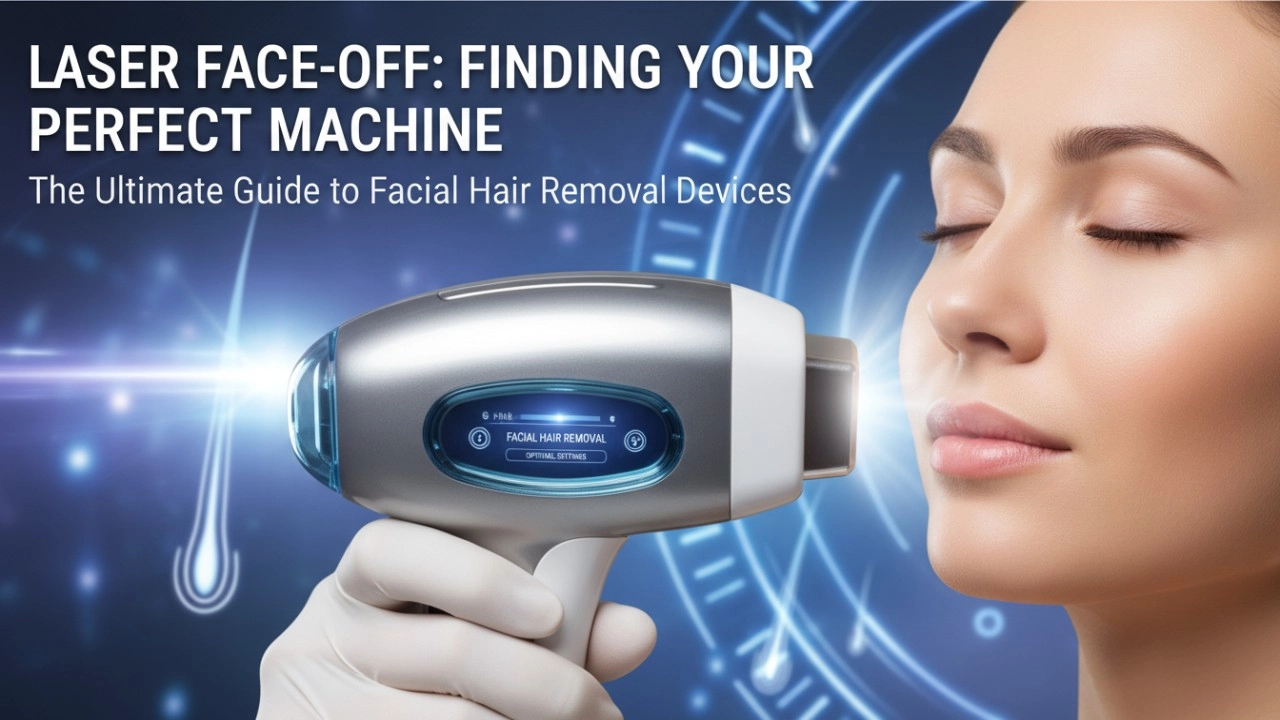
Diode vs. Alexandrite vs. Nd:YAG: Which Laser Machine Is Truly Best for Sensitive Facial Hair?
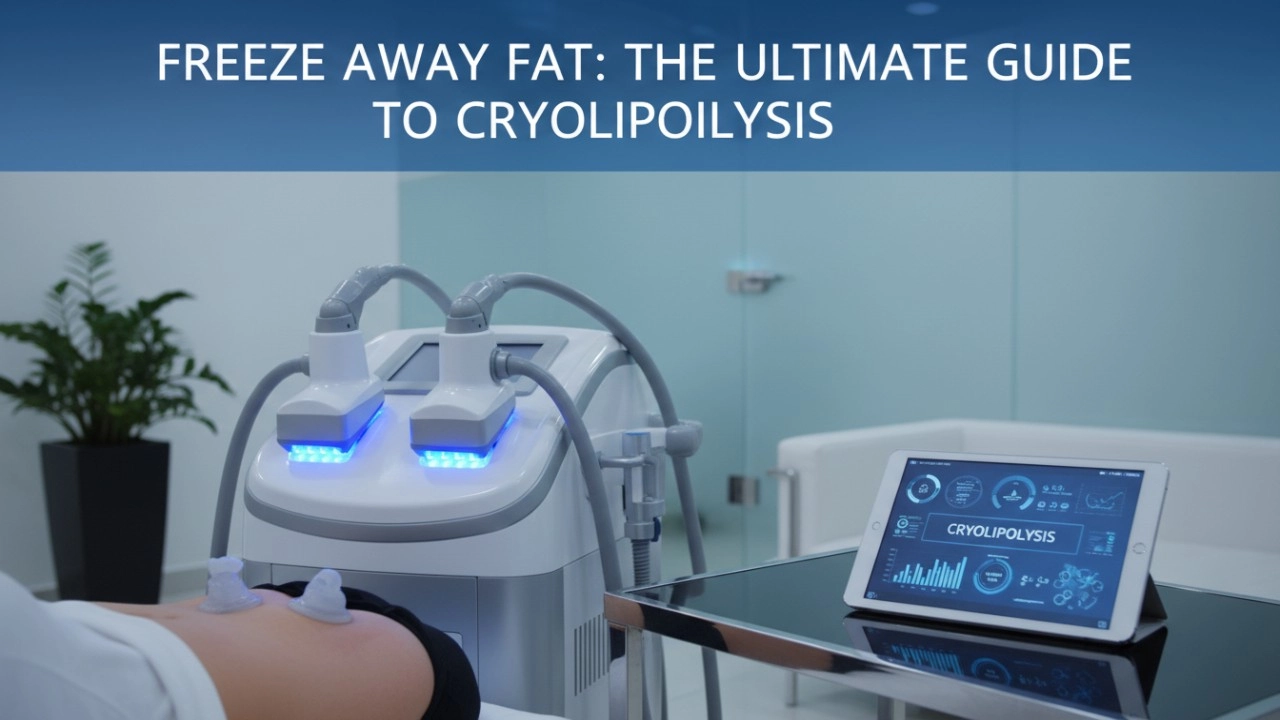
Is It Worth It? The Real Truth About Professional Cryolipolysis Slimming Machines (2026 Guide)
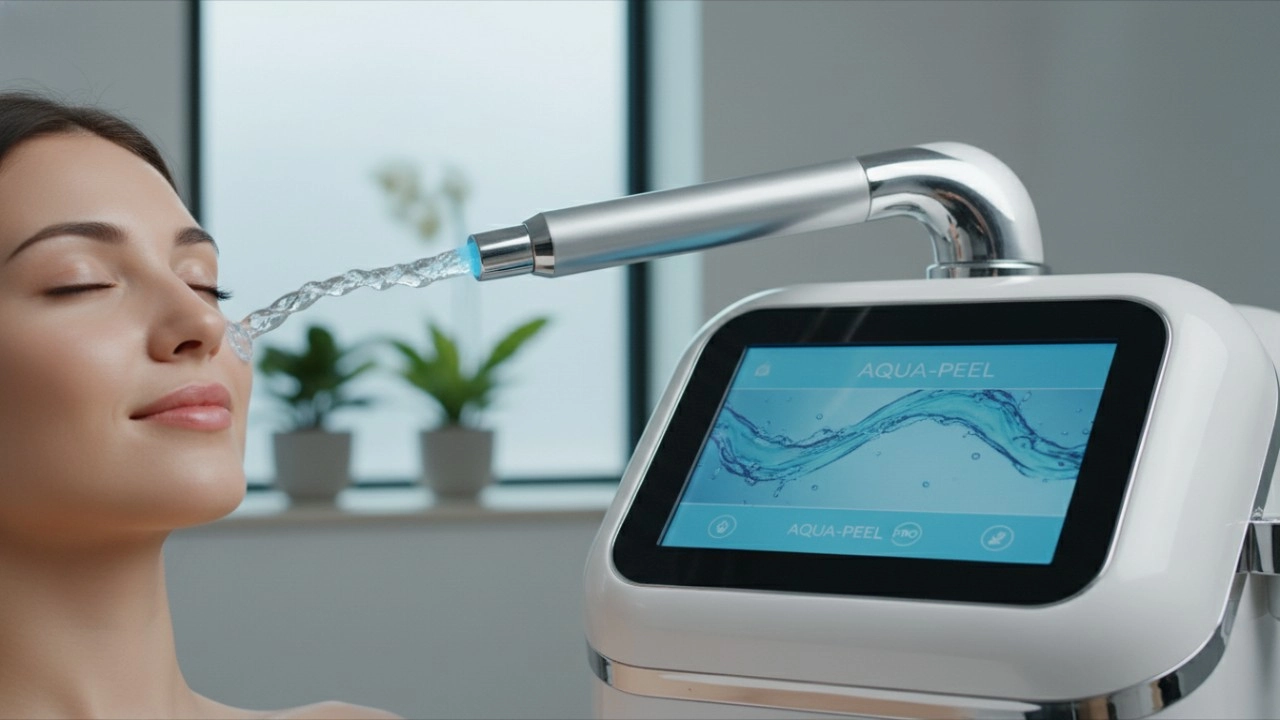
7 Common Aqua Peel Machine Mistakes (And Why Your Skin Isn't Glowing Yet)

Top 7 Benefits of Adding an Aqua Peel Facial Machine to Your Spa Menu
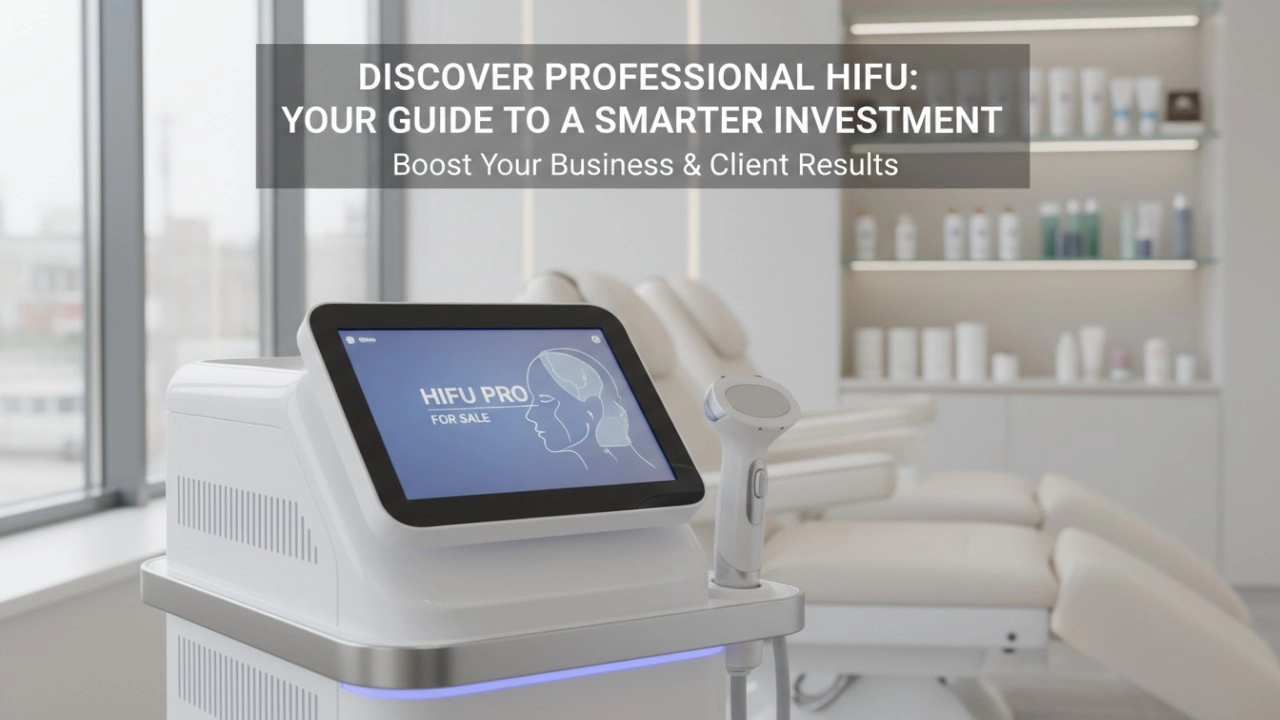
2026 Professional HIFU Machine Buyer’s Guide: Top Systems for Sale and Clinic ROI
Treatment
How does laser acne removal work?
Laser acne removal works by targeting the sebaceous (oil) glands in the skin to reduce oil production, kill acne-causing bacteria, and decrease inflammation. The laser penetrates the skin’s surface without damaging surrounding tissue, helping to clear active acne and prevent future breakouts.
Is laser acne removal safe for all skin types?
Yes, laser acne treatments are safe for all skin types. However, certain skin tones may require a specific type of laser to ensure optimal results. A consultation with our skincare specialist will help determine the best treatment option for your skin.
Are the results permanent?
Laser acne treatments can provide long-lasting results, but acne may reoccur due to factors such as hormonal changes, diet, or stress. Maintenance treatments may be recommended to keep your skin clear and acne-free.
Will there be any downtime after the treatment?
One of the benefits of laser acne removal is that it requires little to no downtime. You may experience some mild redness or swelling immediately after the procedure, but this usually subsides within a few hours. Most patients can return to their regular activities right away.
Customization
Do you support private label / OEM branding?
Yes. We provide full OEM & ODM solutions, including branding, software, and hardware customization.
You might also like
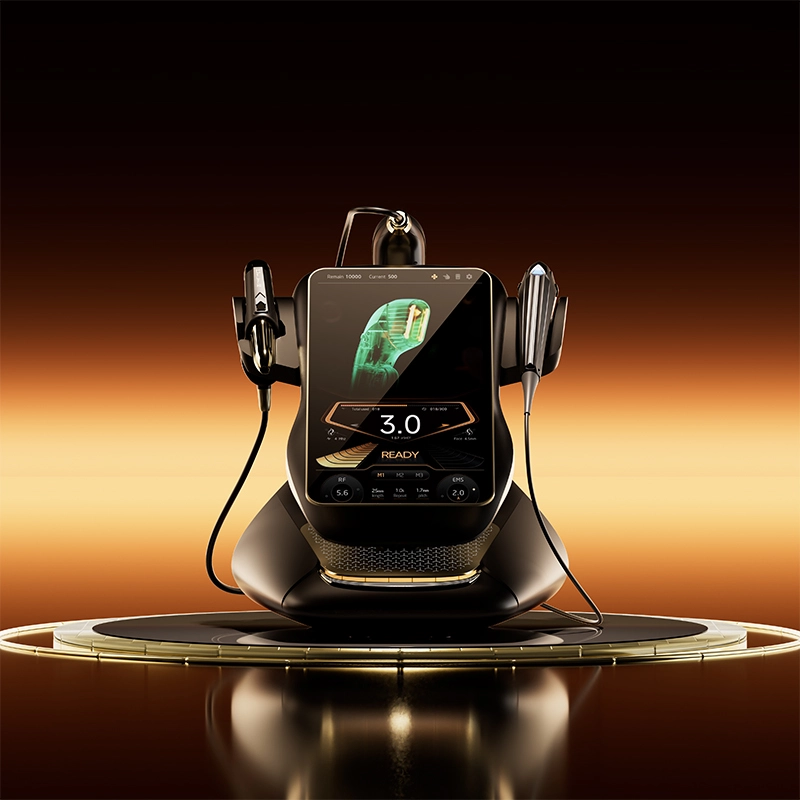
Product Introduction – Professional 360° HIFU Machine
Our 360° HIFU Machine is an advanced non-surgical solution for facial lifting, skin tightening, and body contouring. Using high-intensity focused ultrasound technology, it delivers precise energy deep into the SMAS layer to stimulate collagen regeneration, lift sagging skin, and smooth wrinkles.
This innovative device features multiple cartridges for both face and body treatments, offering targeted solutions such as fat reduction, double chin removal, and body shaping. It’s completely non-invasive, requires no downtime, and provides long-lasting visible results after just one session.
Perfect for beauty salons, clinics, and spas, this professional HIFU machine helps clients achieve a younger, firmer, and more defined appearance naturally.

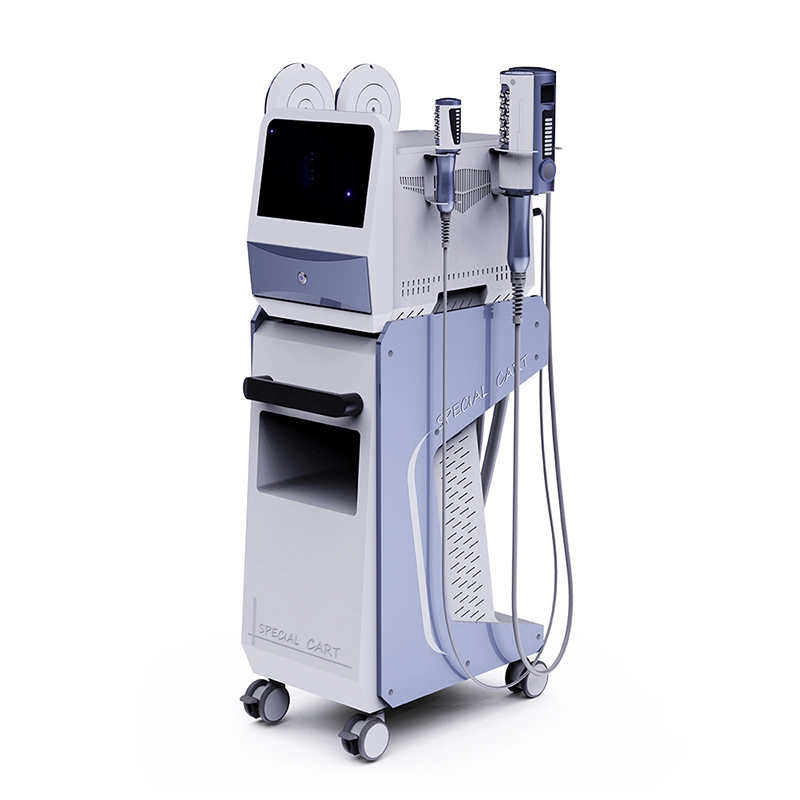
Introducing the Goodway Portable EMS Body Sculpting Device: a versatile EMS sculpting machine designed for salons and gyms. Achieve muscle building, fat loss, and cellulite reduction with advanced technology. Featuring four handles and an inner ball roller, this cellulite massager offers professional results. Transform your body effectively with Goodway.
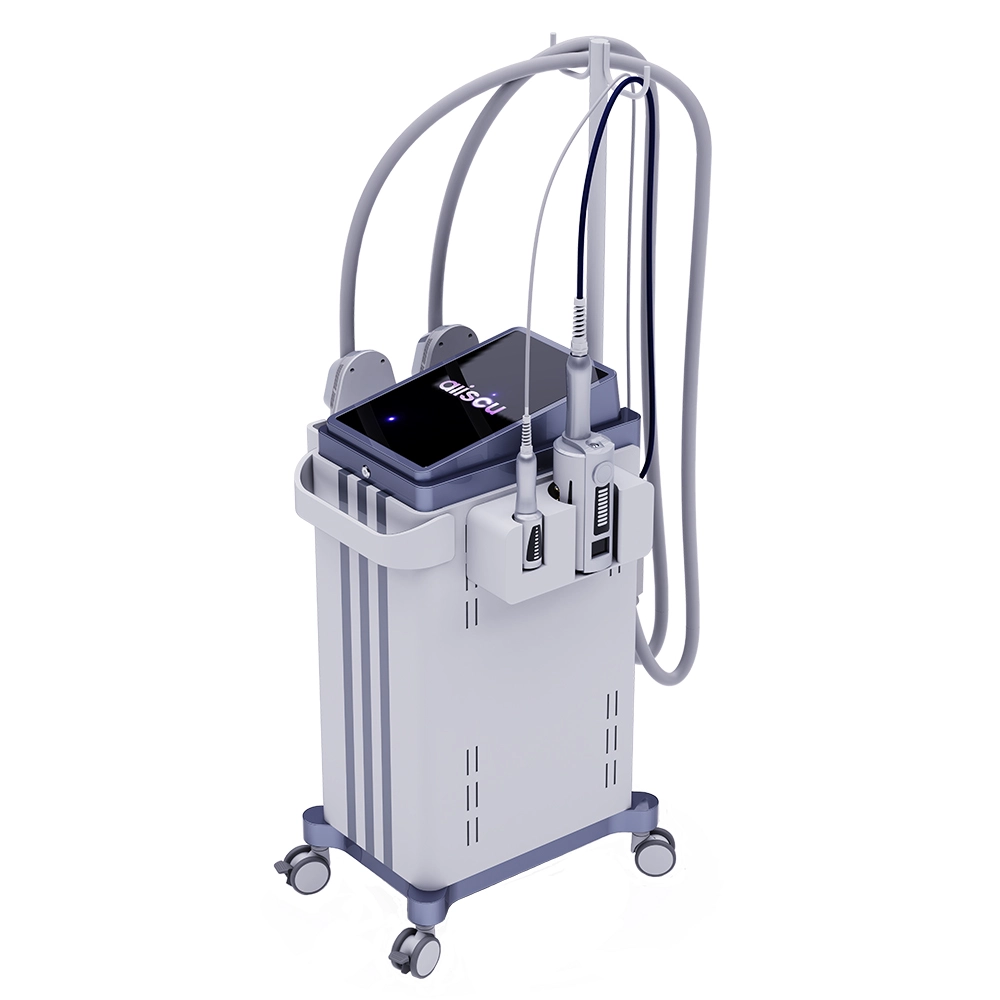
Introducing the 2025 Advanced EMS Sculpting Machine Inner Ball Roller by Goodway—a powerful dual-action solution for fat burn and cellulite reduction. Experience unparalleled results with our EMS sculpting machine and cellulite massager, designed for effective body contouring and skin smoothing. Transform your physique with revolutionary precision.
Contact Goodway
Browse our website. If you have any questions or need advice, please contact us. We will take the time to help you.
Please fill in the form below to send us your questions or comments.
 Scan QR Code
Instagram