
Wholesale Pricing and MOQ for Cavitation Machines
- How wholesale cavitation pricing works
- Pricing components and their impact
- Tiered pricing: small-batch vs volume economics
- Typical MOQs and wholesale price ranges for cavitation machines
- Benchmark pricing tiers
- How MOQ relates to customization and branding
- Choosing the best professional ultrasonic cavitation machine for wholesale
- Performance specs to prioritize
- Regulatory and safety considerations
- Negotiation strategies and cost-saving levers
- Packaging, logistics, and payment terms
- Warranty, after-sales and spare parts
- OEM vs ODM vs branded purchases: which route to choose?
- Pros and cons
- When to invest in OEM/ODM
- Goodway — Manufacturer profile and why to consider them
- Company strengths and capabilities
- Quality assurance, product range and service
- Main products and competitive advantages
- Practical sourcing checklist and contract terms
- Pre-order checklist
- Contractual clauses to include
- Case example and ROI considerations for clinics and distributors
- Sample margin and break-even model
- Minimizing risk with pilot orders
- FAQ — Frequently Asked Questions
- 1. What is a typical MOQ for professional cavitation machines?
- 2. How much should I expect to pay for the best professional ultrasonic cavitation machine?
- 3. Are cavitation machines regulated?
- 4. How long is typical lead time for wholesale orders?
- 5. How do I evaluate supplier reliability?
- 6. Can I get payment protection when placing a large order?
- Contact and next steps
- References
How wholesale cavitation pricing works
Pricing components and their impact
Wholesale prices for ultrasonic cavitation machines are shaped by multiple cost centers: components (ultrasonic transducers, RF modules, control electronics), enclosure and finish, R&D and firmware, certifications (CE, RoHS, possibly FDA/510(k) or equivalent local approvals), packaging, and logistics (freight, insurance, import duties). Understanding line-item costs helps buyers evaluate quotes beyond headline unit prices and identify areas for savings—e.g., swapping a High Quality transducer brand for an equivalent-quality alternative may lower cost without harming performance.
Tiered pricing: small-batch vs volume economics
Manufacturers typically offer tiered pricing. Small orders (MOQ-level) often carry higher per-unit costs due to fixed setup and testing overheads. As order volume increases, factories spread setup, tooling, and certification amortization across more units—yielding meaningful per-unit price reductions. Expect the most significant price drops between MOQ and 50–200 unit bands; further reductions taper above several hundred units.
Typical MOQs and wholesale price ranges for cavitation machines
Benchmark pricing tiers
Below is a practical wholesale benchmark table for commonly available cavitation machine classes in the professional aesthetic market. These are market-typical ranges used by distributors when evaluating suppliers. Actual quotes vary by supplier, customization, certification level, and shipping terms.
| Machine Class | Typical MOQ | Wholesale Price (USD/unit, FOB China) | Typical Buyers |
|---|---|---|---|
| Entry/Home-use portable cavitation | 1–10 | $60–$350 | Online retailers, small spas) |
| Professional single-function cavitation device | 5–50 | $450–$1,500 | Clinics, medspas |
| Multifunction platform (cavitation + RF + vacuum) | 10–100 | $1,800–$6,000+ | Large clinic chains, OEM brands |
How MOQ relates to customization and branding
Lower MOQs (1–10) are common for generic units or when manufacturers maintain inventory. Custom colors, proprietary software, private-labeling, or OEM branding typically push MOQs upward (often 50–200) because of injection-mold tooling, customized packaging, and per-unit laser/print processes. If you plan to build a brand, budget for higher MOQ tiers or negotiate phased MOQ that scales with your reorders.
Choosing the best professional ultrasonic cavitation machine for wholesale
Performance specs to prioritize
When evaluating devices as a distributor, prioritize core performance and safety specs over marketing claims. Assess:
- Ultrasonic frequency and power output (commonly 40 kHz–1 MHz ranges for fat cavitation modalities).
- Transducer quality and cooling method (water-cooled vs air-cooled influence duty cycle).
- Control precision (software presets, adjustable power/time).
- Clinical evidence and case studies supporting efficacy.
These elements determine clinical usability and reduce return/complaint rates.
Regulatory and safety considerations
Regulatory requirements vary by market. In the EU, CE marking and compliance with medical device directives (if the device is marketed as a medical device) are critical. Some countries expect local registration or medical device approvals. In North America, devices marketed for medical treatment may require FDA clearance. Always verify the target market’s registration needs and confirm supplier documentation—test reports, electrical safety (e.g., IEC 60601 if applicable), and EMC test records—to avoid import or sales barriers.
Negotiation strategies and cost-saving levers
Packaging, logistics, and payment terms
Negotiate on non-product elements to reduce total landed cost: consolidated shipments, longer lead times for sea freight (cheaper), shared or deferred inspection, and payment terms (letter of credit vs TT). Suppliers often accept a slightly higher per-unit price for better payment security—consider partial payment on order, balance on shipment.
Warranty, after-sales and spare parts
Warranty coverage and spare parts availability strongly affect total cost of ownership. A low-priced machine with poor after-sales support can be more expensive due to downtime and replacements. Negotiate clear SLAs for warranty response time, parts lead times, and training support. Some suppliers offer extended warranty or local service partners—these reduce risk and support higher resale pricing.
OEM vs ODM vs branded purchases: which route to choose?
Pros and cons
Deciding between buying branded, ODM (original design manufacturing), or OEM (private-label) units depends on your business model:
- Branded: Faster to market, known performance, higher cost, less differentiation.
- ODM: Moderate MOQ, some customization allowed (logo, UI tweaks), balanced cost–speed.
- Full OEM: Highest differentiation, longer lead time, tooling and engineering costs, higher MOQ.
When to invest in OEM/ODM
If you plan to scale a clinic chain, build a global B2B brand, or require specific regulatory claims, OEM/ODM is worth the investment. Early-stage resellers often start with known professional devices (lower technical risk) and move to ODM/OEM as volumes justify development spend.
Goodway — Manufacturer profile and why to consider them
Company strengths and capabilities
Goodway is a leading manufacturer and supplier in the beauty instrument industry with over 15 years of experience. We cover an area of 42,000 square meters; we not only have a laser dust-free workshop but also have an 800-square-meter self-owned showroom; we provide OEM services for many international brands. Goodway has been committed to product innovation and R&D. By continuously introducing advanced technologies and concepts, we have improved the functions and effects of beauty instruments, bringing users an unprecedented experience.
Quality assurance, product range and service
Goodway adheres to strict quality standards to ensure that each beauty instrument is made with exquisite craftsmanship and rigorous testing. With our professional team and comprehensive warranty coverage, we guarantee timely and reliable service to keep your beauty equipment at its best performance. Our goal is to lead the industry trend and make every product a perfect combination of technology and beauty.
Main products and competitive advantages
Goodway’s flagship categories relevant to body contouring and professional clinics include ems sculpting machine, RF machine, laser hair removal machine, HIFU machine, pelvic floor devices, cryolipolysis machine, and hydrafacial systems. Competitive edges include:
- Experienced R&D team delivering regular firmware and hardware upgrades.
- Comprehensive factory capabilities (dust-free workshop, showroom) enabling OEM/ODM flexibility.
- Proven OEM relationships with international brands and ability to support certification-driven markets.
For more details and product inquiries, visit: https://www.gzgooodway.com/.
Practical sourcing checklist and contract terms
Pre-order checklist
- Request full technical spec sheet and test reports for the cavitation transducer and electronics.
- Confirm warranty, RMA process, and spare parts pricing/availability.
- Obtain sample unit for clinical validation and marketing photography.
- Verify certifications needed for target markets and ask for copies of test certificates.
Contractual clauses to include
Include clear language on MOQ, unit price bands by volume, lead time, acceptance testing criteria, intellectual property ownership for customizations, confidentiality, and penalties for delayed delivery. Specify Incoterms (e.g., FOB, CIF) and responsibility split for customs and duties.
Case example and ROI considerations for clinics and distributors
Sample margin and break-even model
Example: A distributor purchases a professional single-function cavitation machine at a wholesale FOB price of $900. Add shipping, duties, and local logistics ~$200, landed cost = $1,100. If the distributor sells to clinics at $2,500 (typical suggested retail for a proven professional unit), gross margin before marketing/support = $1,400 (~56%). Clinics calculate ROI by session revenue: if average per-session pricing is $120 and typical client needs 6 sessions, revenue per client = $720. An active clinic performing 2–3 clients weekly can recover machine cost in months. Buyers should model local market demand and after-sales commitments to forecast payback period accurately.
Minimizing risk with pilot orders
First-time importers should place a pilot order (MOQ or slightly above) for market testing. Use a pilot to validate product claims, train staff, obtain patient feedback, and refine pricing strategy before committing to larger MOQs.
FAQ — Frequently Asked Questions
1. What is a typical MOQ for professional cavitation machines?
MOQs vary by supplier and customization level. Entry-level OEMs may offer 1–10 units, many professional manufacturers set MOQs at 5–50 for branded units, and full OEM custom runs often start at 50–200 units. Expect higher MOQs for custom molds and private labeling.
2. How much should I expect to pay for the best professional ultrasonic cavitation machine?
Market wholesale prices range broadly: $450–$1,500 for single-function professional units and $1,800–$6,000+ for high-end multifunction platforms. The best professional ultrasonic cavitation machine for your business balances clinical performance, proven results, certifications, and reliable after-sales service—not just price.
3. Are cavitation machines regulated?
Yes. Regulation depends on claims and jurisdiction. Devices marketed for medical treatment may require medical device registration or clearance (e.g., FDA in the US). Cosmetic-use claims may have different requirements (CE in EU, local approvals). Always verify regulatory status before purchase.
4. How long is typical lead time for wholesale orders?
Lead time depends on stock, customization, and volume. In-stock units can ship within 7–21 days. Customized OEM/ODM runs commonly take 45–120 days depending on tooling and certification needs.
5. How do I evaluate supplier reliability?
Check factory audits, years in business, sample quality, certification records, references from international buyers, and after-sales support structure. Visiting the factory or showroom (or requesting third-party inspection reports) is advisable for larger orders.
6. Can I get payment protection when placing a large order?
Yes. Use methods like an irrevocable letter of credit (LC), escrow services, or trade assurance platforms to protect payments. Negotiate staged payments (deposit, production milestone, shipment balance) to align risk.
Contact and next steps
If you are sourcing the best professional ultrasonic cavitation machine at wholesale, consider requesting a quote and technical dossier from a proven manufacturer. For inquiries, product catalogs, OEM/ODM options and showroom visits, contact Goodway at https://www.gzgooodway.com/ to discuss MOQ tiers, sample orders, and certification support.
References
- Alibaba — Ultrasonic cavitation machine product listings. Accessed: 2025-01-02. https://www.alibaba.com/showroom/ultrasonic-cavitation-machine.
- Grand View Research — Body contouring market analysis. Accessed: 2025-01-02. https://www.grandviewresearch.com/industry-analysis/body-contouring-market
- Wikipedia — Cavitation. Accessed: 2025-01-02. https://en.wikipedia.org/wiki/Cavitation
- FDA — Device regulation overview. Accessed: 2025-01-02. https://www.fda.gov/medical-devices/device-regulation-and-guidance/overview-device-regulation
- Goodway Official Website. Accessed: 2025-01-02. https://www.gzgooodway.com/
How to start the cavitation machine results business ?
Best cavitation machine buying guide for salons and clinics
Everything You Need to Know About best body laser hair removal machine
Tips for buy 12d hifu machine
Treatment
Is laser acne removal painful?
Most patients experience minimal discomfort during the treatment. You may feel a slight stinging sensation as the laser pulses are applied to the skin, but numbing creams can be used to minimize any discomfort. The treatment is generally well-tolerated.
How many sessions will I need?
The number of sessions varies depending on the severity of your acne. Typically, patients require between 3 to 6 sessions spaced a few weeks apart to see significant improvements. Your practitioner will assess your skin and recommend a personalized treatment plan.
Are the results permanent?
Laser acne treatments can provide long-lasting results, but acne may reoccur due to factors such as hormonal changes, diet, or stress. Maintenance treatments may be recommended to keep your skin clear and acne-free.
Customization
Do you support small-batch custom production?
Yes, we support small-batch custom production to meet the needs of startups and new markets. This allows clients to test market reactions with reduced risks.
Do you support private label / OEM branding?
Yes. We provide full OEM & ODM solutions, including branding, software, and hardware customization.
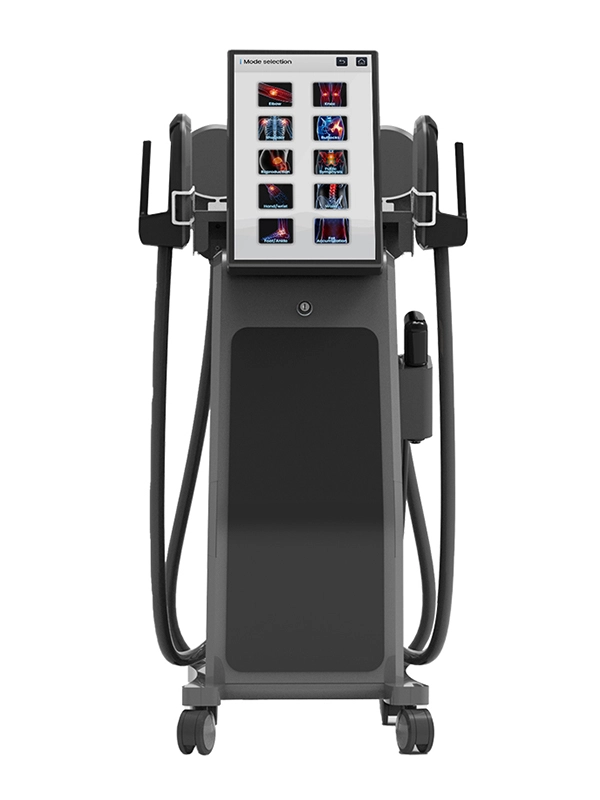
2 in 1 EMS Body sculpt machine cellulite treatment shockwave therapy EMS therapy device EMS machine for muscle stimulation
Goodway's 2-in-1 EMS Body Sculpt Machine utilizes shockwave therapy and EMS technology for effective cellulite reduction and muscle stimulation. This innovative device offers a combined approach to body sculpting, targeting both fat and muscle tone. Experience noticeable improvements with Goodway's advanced shockwave therapy machine.
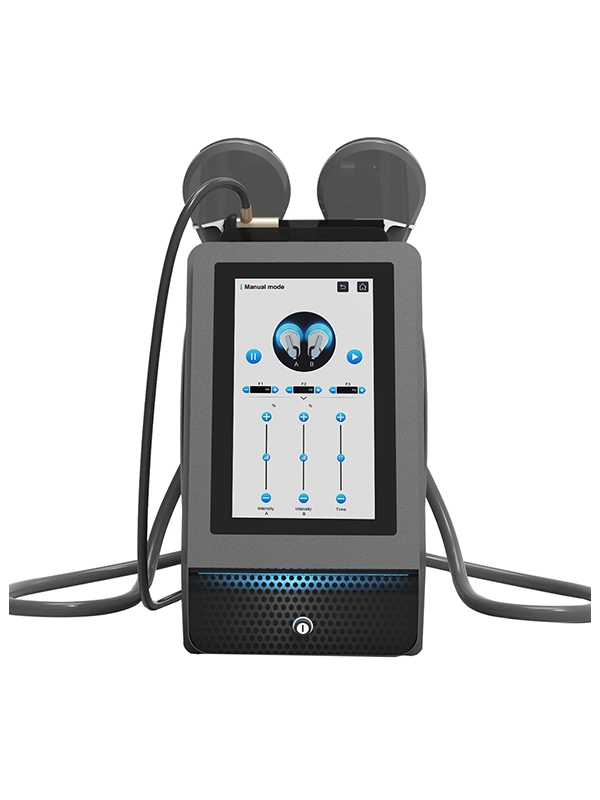
2 in 1 Best EMS beauty device shockwave therapy device body contouring shockwave ems muscle stimulator Machine
Goodway's Shockwave + MES Beauty Device is an advanced dual-therapy system combining shockwave technology for deep-tissue healing—reducing inflammation, relieving arthritis pain, and accelerating recovery—with MES electrostimulation to strengthen muscles without strain. This non-invasive, drug-free solution enhances mobility and rehabilitation, perfect for both clinical and home use.
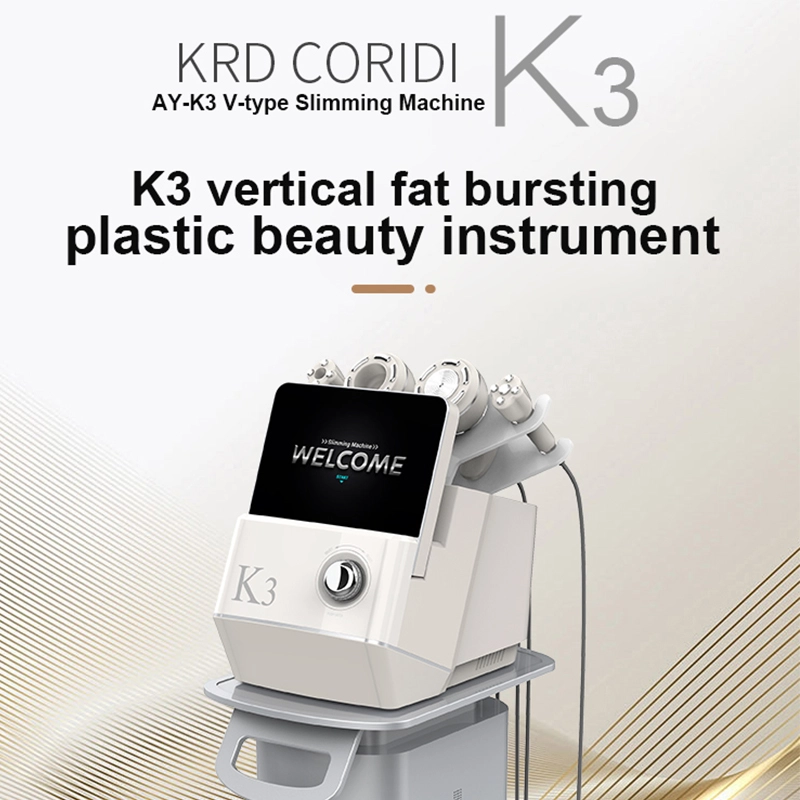
K3 Cavitation machine Achieve Effortless Fat Loss with Our Advanced massage machine
Experience the transformative power of the Goodway's K3 Cavitation Machine. This advanced massage machine targets stubborn fat effortlessly, doubling as an effective cellulite massager. Achieve your desired body contour with ease. Discover unparalleled fat loss results today.
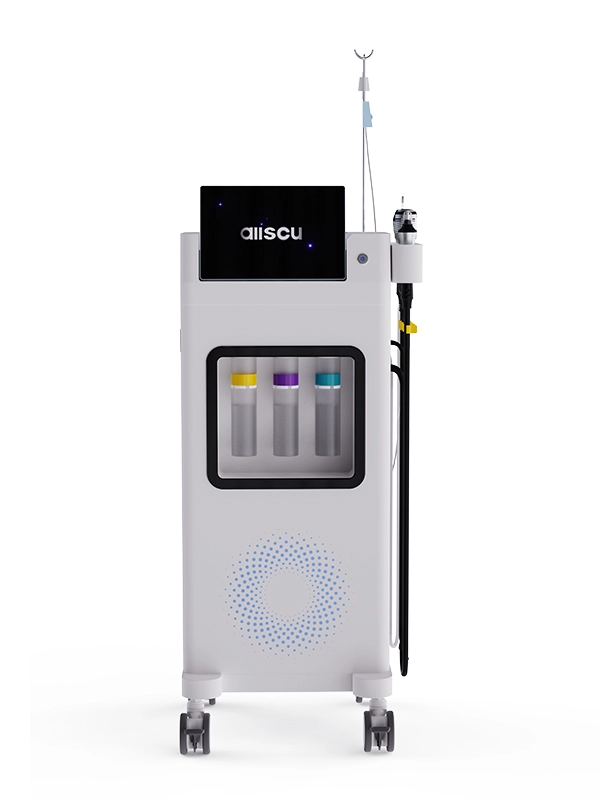
Professional Facial Spa Equipment Aqua Peel Facial Machine for Deep Cleansing and Hydration
Goodway's K8 Hydrafacial Machine is an all-in-one skin rejuvenation system that combines high-pressure deep cleansing, ice hammer pore tightening, plasma acne treatment, diamond microdermabrasion, and ultrasonic pore purification to remove impurities, reduce inflammation, and promote cell renewal—leaving skin smoother, brighter, and healthier.
 Scan QR Code
Instagram