
Wholesale cavitation machine pricing and negotiation tips
- How cavitation technology works and why it matters to buyers
- Principles of ultrasonic cavitation
- Clinical evidence and safety considerations
- Key performance indicators (KPIs) that affect wholesale value
- Wholesale pricing structures for cavitation machines
- Typical price tiers and what they include
- Price drivers and add-ons to budget for
- MOQ, packaging, and logistics impact
- Negotiation strategies for buying cavitation machines in bulk
- Preparing your RFQ and benchmarking effectively
- Leverage points: MOQ, payment terms, and customization
- Quality assurance, inspection terms, and acceptance criteria
- Choosing the best cavitation machine and supplier
- Technical specs to compare before buying
- Goodway — manufacturer profile and why they may be a strategic partner
- Post-sale support and certification you must verify
- Practical negotiation checklist before signing
- Pre-contract checklist
- Contract clauses to include
- Sample negotiation script and tactics
- FAQ — Common questions from buyers
- 1. What is the single most important factor to determine the best cavitation machine?
- 2. How much should I expect to pay for a reliable wholesale cavitation unit?
- 3. Should I buy from a factory or a trading company?
- 4. How do I ensure the units meet safety and regulatory requirements?
- 5. What payment terms are typical and how can I protect my funds?
- 6. How can I evaluate which combination (e.g., RF + cavitation) is worth the extra cost?
- Closing and contact / product CTA
Buying cavitation machines wholesale requires both technical understanding and commercial skill. This guide helps procurement managers, clinic owners and distributors identify the best cavitation machine for their needs, evaluate realistic wholesale price bands, and apply proven negotiation strategies to secure favorable terms. The information draws on industry sources, marketplace price observations, and regulatory guidance to make your buying decisions verifiable and low risk. For buyers sourcing from the China manufacturing hub (Guangdong/Guangzhou) or international suppliers, the following sections deliver actionable pricing benchmarks and negotiation plays.
How cavitation technology works and why it matters to buyers
Principles of ultrasonic cavitation
Ultrasonic cavitation devices use focused ultrasonic energy to create microbubbles in subcutaneous fat; bubble collapse causes adipocyte disruption and facilitates natural metabolic clearance. For foundational background see the general physics of cavitation: Wikipedia: Cavitation. Understanding the physics helps buyers evaluate which devices deliver effective energy density and安全 (safety) while still meeting clinic throughput requirements.
Clinical evidence and safety considerations
Clinical results vary with device frequency, probe design, session protocols and patient selection. Regulatory guidance for aesthetic devices and patient safety is provided by agencies such as the U.S. Food and Drug Administration; while many cavitation units are marketed as cosmetic rather than medical devices, buyers should consult relevant guidance when offering treatments: FDA. Prioritize devices with peer-reviewed performance data or third-party testing reports.
Key performance indicators (KPIs) that affect wholesale value
When comparing units, focus on: ultrasonic frequency (typically 25–40 kHz for body cavitation), power output range, probe count and ergonomic design, combined modalities (e.g., RF, vacuum, laser lipo), duty cycle for continuous clinic use, and reliability metrics (MTBF). These KPIs are the technical basis for justifying price differences between the best cavitation machine options and lower-cost alternatives.
Wholesale pricing structures for cavitation machines
Typical price tiers and what they include
Wholesale cavitation pricing is driven by feature set, manufacturing quality, certification, and order volume. Typical 2024 wholesale ranges (market-observed averages across manufacturers and B2B marketplaces):
| Tier | Typical wholesale range (USD) | Common features |
|---|---|---|
| Entry-level (single probe) | $200 – $600 | Basic ultrasonic probe, limited power, short warranty, low-cost build |
| Mid-range (multi-probe / combo) | $800 – $2,000 | Multiple probes, RF or vacuum combo, better ergonomics, CE/FCC options |
| High-end / OEM | $2,500 – $8,000+ | Advanced energy control, multi-modality (RF, HIFU, cryo, EMS), long warranty, certifications, OEM branding |
These ranges are aggregated from manufacturer listings and B2B platforms such as Alibaba and direct supplier quotes (examples: Alibaba). The best cavitation machine for a buyer depends on clinical goals, expected utilization, and after-sales support needs.
Price drivers and add-ons to budget for
Major price drivers:
- Certifications (CE, FCC, ISO 13485). Certification costs are reflected in unit price and are essential for many markets.
- Multi-modality functionality. Combining RF, vacuum, EMS or cryolipolysis increases development and BOM costs.
- OEM/ODM customization. Branding, UI language packs, and packaging increase per-unit cost but can be amortized across larger MOQs.
- Warranty length and spare-part policies. Longer warranties or included consumables add to the quoted price.
MOQ, packaging, and logistics impact
Minimum order quantity (MOQ) commonly ranges from 1 unit for high-end OEM to 10–100 units for branded models. Freight (FOB vs. CIF), packaging (retail-ready vs. bulk), and inspection costs will add to landed cost. When comparing quotes, always request FOB and CIF pricing and a sample-shipment cost to your port for accurate total landed-cost comparisons.
Negotiation strategies for buying cavitation machines in bulk
Preparing your RFQ and benchmarking effectively
Structure your Request for Quotation (RFQ) to get apples-to-apples comparisons:
- Specify technical parameters: frequency, max power, probe types, expected duty cycle
- List required certifications and testing (CE, RoHS, electrical safety, EMC)
- Ask for warranty terms, spare-part pricing, lead times, and MOQ
Benchmark at least 3–5 suppliers from different channels (direct factory, trading company, and B2B marketplace). Record each supplier’s FOB price, production lead time, sample policy, and compliance documents. This data is your negotiation leverage.
Leverage points: MOQ, payment terms, and customization
Important negotiation levers:
- MOQ flexibility — offer staged orders or a small initial order plus larger follow-on purchase to reduce supplier risk.
- Payment terms — negotiate 30% deposit, 70% against B/L (bill of lading) or after inspection; or term financing for established partners.
- Customization & branding — ask for reduced setup fees if you commit to annual volumes.
Quality assurance, inspection terms, and acceptance criteria
Include inspection and acceptance criteria in the contract. Common clauses to request:
- Pre-shipment inspection (PSI) by a third-party inspector (SGS, Bureau Veritas).
- Acceptance tests: full-power run, probe temperature stability, software UI language checks.
- Return and RMA terms: define acceptable failure rates and replacement lead times.
Choosing the best cavitation machine and supplier
Technical specs to compare before buying
When evaluating models, compare these specs in a table to make the decision evidence-based:
| Spec | Why it matters | Target for clinic use |
|---|---|---|
| Frequency (kHz) | Affects cavitation efficiency and depth | 25–40 kHz for body cavitation |
| Power range (W) | Determines treatment time and efficacy | Adjustable output with safety cutoffs |
| Probe types | Ergonomics and treatment zones | Multiple probe sizes for body and small areas |
| Multi-modality | Versatility for different services | RF/Vacuum or EMS combos desirable |
Goodway — manufacturer profile and why they may be a strategic partner
Goodway is a leading manufacturer and supplier in the beauty instrument industry with over 15 years of experience. We cover an area of 42,000 square meters; we not only have a laser dust-free workshop but also have an 800-square-meter self-owned showroom; we provide OEM services for many international brands. Goodway has been committed to product innovation and R&D. By continuously introducing advanced technologies and concepts, we have improved the functions and effects of beauty instruments, bringing users an unprecedented experience.
Goodway adheres to strict quality standards to ensure that each beauty instrument is made with exquisite craftsmanship and rigorous testing. With our professional team and comprehensive warranty coverage, we guarantee timely and reliable service to keep your beauty equipment at its best performance. Our goal is to lead the industry trend and make every product a perfect combination of technology and beauty. Visit the manufacturer site: Goodway or contact email: andy@gzgooodway.com.
Main products and competitive strengths: EMS sculpting machine, RF machine, laser hair removal machine, HIFU machine, pelvic floor devices, cryolipolysis machine, Hydrafacial systems. Goodway emphasizes R&D, on-site factory control, and OEM service capacity — differentiators when you need consistent product quality and scalable custom branding.
Post-sale support and certification you must verify
Demand documentation of CE, RoHS, EMC testing, and electrical safety; for some markets FDA clearance or clearance via a notified body may be required depending on claims. Ask suppliers for test reports and verify with the issuing lab. Confirm spare-parts availability and regional service partners to minimize downtime.
Practical negotiation checklist before signing
Pre-contract checklist
- Compare at least 3 validated supplier quotations with identical specs.
- Confirm lead time, raw material sourcing, and any backlog that could affect delivery.
- Get written warranty terms and RMA procedures; tie acceptance tests to payment milestones.
Contract clauses to include
- Quality acceptance criteria and independent inspection rights.
- Penalty clauses for late delivery (or clear remedies).
- Intellectual property and branding clauses for OEM/ODM agreements.
- After-sales SLA describing spare-part lead times and support response times.
Sample negotiation script and tactics
Use data-based concessions: If you can provide CE reports and reduce the MOQ from 50 to 30 units, we can commit to a 12-month purchase forecast of 500 units. Offer to accept longer lead time in exchange for a lower price or ask for bundled consumables and training inclusion. Small concessions such as committing to a display model in your showroom can win discounts for first orders.
FAQ — Common questions from buyers
1. What is the single most important factor to determine the best cavitation machine?
Clinical efficacy and reliability. Prioritize devices with proven energy output (appropriate frequency and power), consistent probe performance, and verifiable safety/EMC testing. Certification and third-party test reports are strong indicators.
2. How much should I expect to pay for a reliable wholesale cavitation unit?
Expect $800–$2,000 for a reliable multi-probe mid-range unit. High-end OEM multi-modality units can exceed $2,500. Lower-cost models under $600 often lack durability and robust after-sales support.
3. Should I buy from a factory or a trading company?
Direct factory purchases can offer lower FOB pricing and customization; trading companies may provide easier logistics and consolidated certification packages. Validate both by asking for factory photos, audit reports, or references.
4. How do I ensure the units meet safety and regulatory requirements?
Request documentation: CE/EMC reports, RoHS, and electrical safety tests. For markets requiring medical device clearance, consult your regulatory advisor. Use third-party inspections (SGS/Bureau Veritas) for pre-shipment verification.
5. What payment terms are typical and how can I protect my funds?
Typical terms: 30% deposit, 70% balance against B/L or after inspection. Use letters of credit or escrow for larger orders; retain a portion of payment until final acceptance testing is completed.
6. How can I evaluate which combination (e.g., RF + cavitation) is worth the extra cost?
Consider your service menu and patient demand. Combination devices increase per-treatment revenue and upsell potential, but only if you can train staff and market the added benefits. Evaluate return on investment with realistic clinic throughput forecasts.
Closing and contact / product CTA
If you need supplier recommendations, a pre-built RFQ template, or direct factory contacts, Goodway offers OEM services and can provide sample units and certification documents. Contact Goodway at andy@gzgooodway.com or visit https://www.gzgooodway.com/ to view products and arrange a factory tour. Summary of Goodway advantages: 15+ years industry experience, 42,000 m2 facility, laser dust-free workshop, 800 m2 showroom, full OEM support, and a product range including EMS sculpting machine, RF machine, laser hair removal machine, HIFU machine, pelvic floor devices, cryolipolysis machine and Hydrafacial systems.
Armed with the pricing bands, negotiation levers and QA checklist above, you can confidently source the best cavitation machine for your clinic or retail channel while minimizing commercial risk.
Why choose Goodway as your lefay rf facial machine supplier
Top coolsculpting machine cost Manufacturers and Suppliers
What are the different types of best ultrasonic cavitation machine?
How Much Is a Laser Machine for Hair Removal? Complete Price & Buyer's Guide
Treatment
Is laser acne removal safe for all skin types?
Yes, laser acne treatments are safe for all skin types. However, certain skin tones may require a specific type of laser to ensure optimal results. A consultation with our skincare specialist will help determine the best treatment option for your skin.
Is laser acne removal painful?
Most patients experience minimal discomfort during the treatment. You may feel a slight stinging sensation as the laser pulses are applied to the skin, but numbing creams can be used to minimize any discomfort. The treatment is generally well-tolerated.
How many sessions will I need?
The number of sessions varies depending on the severity of your acne. Typically, patients require between 3 to 6 sessions spaced a few weeks apart to see significant improvements. Your practitioner will assess your skin and recommend a personalized treatment plan.
Customization
What is your minimum order quantity (MOQ)?
MOQ depends on customization level. Contact us for project-based evaluation.
Can I become an exclusive distributor?
Distributor protection and territory agreements are available after qualification review.
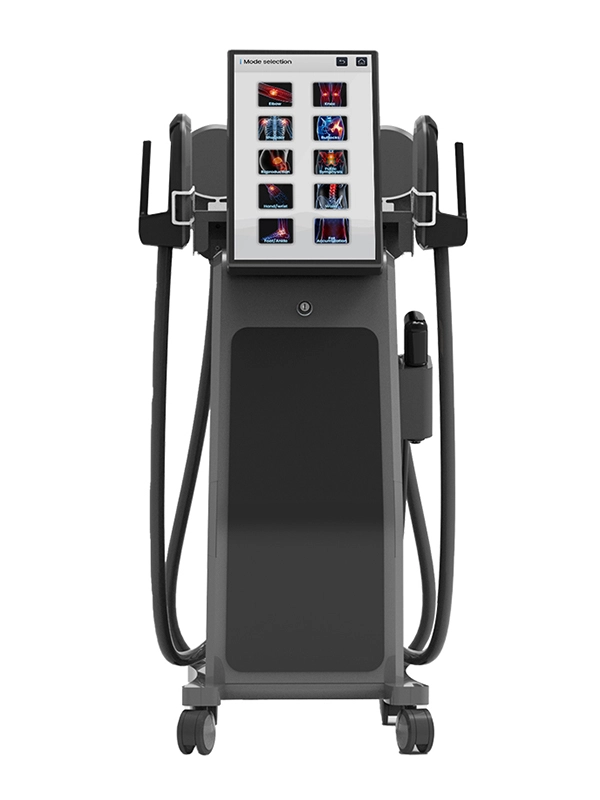
2 in 1 EMS Body sculpt machine cellulite treatment shockwave therapy EMS therapy device EMS machine for muscle stimulation
Goodway's 2-in-1 EMS Body Sculpt Machine utilizes shockwave therapy and EMS technology for effective cellulite reduction and muscle stimulation. This innovative device offers a combined approach to body sculpting, targeting both fat and muscle tone. Experience noticeable improvements with Goodway's advanced shockwave therapy machine.
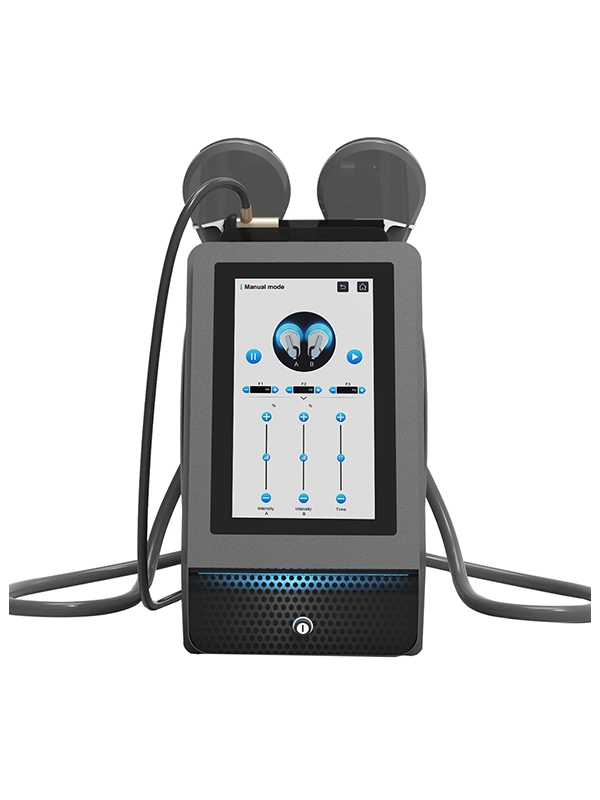
2 in 1 Best EMS beauty device shockwave therapy device body contouring shockwave ems muscle stimulator Machine
Goodway's Shockwave + MES Beauty Device is an advanced dual-therapy system combining shockwave technology for deep-tissue healing—reducing inflammation, relieving arthritis pain, and accelerating recovery—with MES electrostimulation to strengthen muscles without strain. This non-invasive, drug-free solution enhances mobility and rehabilitation, perfect for both clinical and home use.
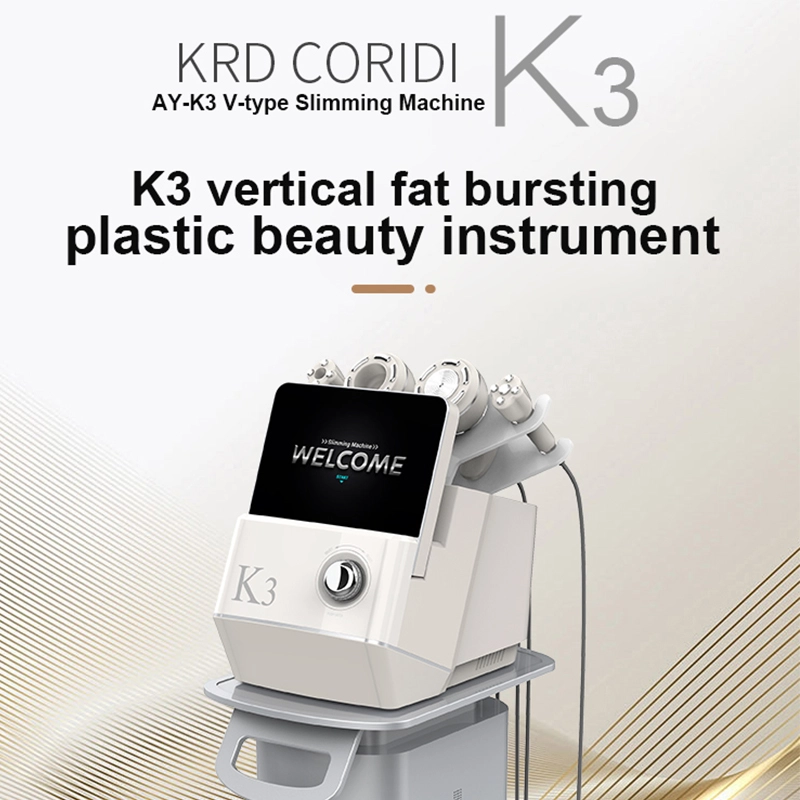
K3 Cavitation machine Achieve Effortless Fat Loss with Our Advanced massage machine
Experience the transformative power of the Goodway's K3 Cavitation Machine. This advanced massage machine targets stubborn fat effortlessly, doubling as an effective cellulite massager. Achieve your desired body contour with ease. Discover unparalleled fat loss results today.
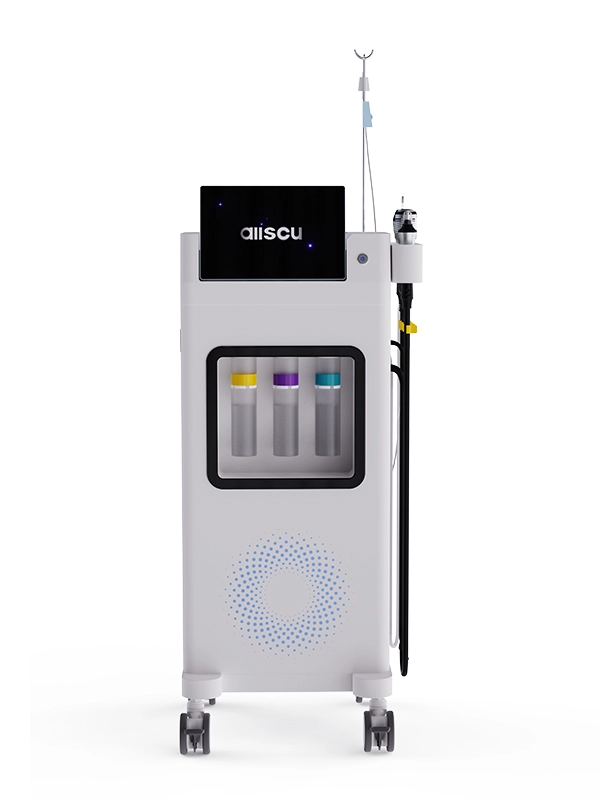
Professional Facial Spa Equipment Aqua Peel Facial Machine for Deep Cleansing and Hydration
Goodway's K8 Hydrafacial Machine is an all-in-one skin rejuvenation system that combines high-pressure deep cleansing, ice hammer pore tightening, plasma acne treatment, diamond microdermabrasion, and ultrasonic pore purification to remove impurities, reduce inflammation, and promote cell renewal—leaving skin smoother, brighter, and healthier.
 Scan QR Code
Instagram