
Training and protocols for staff using cavitation machines
- Clinical importance of standardized protocols
- Why protocols matter
- Patient safety and outcomes
- Regulatory expectations
- Comprehensive training curriculum for cavitation staff
- Core technical competencies
- Patient assessment & selection
- Hands-on and simulation training
- Operational protocols and treatment workflow
- Pre-treatment checklist
- Treatment parameters and monitoring
- Post-treatment care and documentation
- Quality assurance, troubleshooting and device selection
- Maintenance, calibration and infection control
- Troubleshooting adverse events
- Choosing the best cavitation machine for your clinic
- Implementation checklist and sample competency assessment
- Sample pre-treatment checklist
- Competency assessment (minimum standards)
- Data collection and outcome measurement
- Vendor profile: Goodway — experience, capacity and product range
- Frequently Asked Questions (FAQ)
- 1. What qualifications should staff have before operating a cavitation machine?
- 2. How many supervised treatments are necessary before a practitioner operates independently?
- 3. How can clinics choose the best cavitation machine for their needs?
- 4. What immediate steps should staff take if a patient experiences a burn or severe pain during treatment?
- 5. Are cavitation machines safe for all patients?
- 6. How should clinics document outcomes and adverse events?
Cavitation devices—non-invasive body-contouring systems that use ultrasound energy to disrupt adipocyte structure—are increasingly common in medical spas and aesthetic clinics. Implementing robust staff training and clear clinical protocols is essential to maximize outcomes, protect patients, and maintain regulatory compliance. This article outlines structured training curricula, operational workflows, monitoring and quality assurance measures, and practical guidance for selecting the best cavitation machine for your practice, supported by authoritative sources and real-world operational checklists.
Clinical importance of standardized protocols
Why protocols matter
Standardized clinical protocols reduce variability in treatment delivery and outcomes. For energy-based aesthetic devices such as cavitation machines, variations in probe technique, exposure time, intensity settings, and patient selection directly affect efficacy and adverse-event rates. Well-documented protocols permit reproducibility, enable training scalability, and support medico-legal defense should complications arise.
Patient safety and outcomes
Patient safety is the primary driver for protocols. Complications reported with body-contouring devices include burns, localized pain, temporary neuropathy, and suboptimal aesthetic results. Systematic patient assessment, informed consent, and documented baseline photos/measurements are essential. National health guidance on non-surgical cosmetic treatments emphasizes risk disclosure and practitioner competence—see the NHS guidance on non-surgical cosmetic procedures for patient-safety considerations (NHS - Non-surgical cosmetic treatments).
Regulatory expectations
Regulators classify energy-based aesthetic devices differently by jurisdiction, but oversight typically focuses on device safety, labeling, operator training, and adverse event reporting. The FDA maintains resources for energy-based devices, which highlight the requirement for appropriate device usage and clinician training (FDA - Lasers & Energy-Based Devices). Clinics must align protocols with local regulatory requirements and manufacturer instructions for use (IFU).
Comprehensive training curriculum for cavitation staff
Core technical competencies
Training should ensure staff can demonstrate: device physics and mechanisms (how low-frequency ultrasound cavitation targets adipocytes), machine setup and calibration, probe handling and ergonomics, parameter selection (frequency, power, duration), safety interlocks, and emergency shutdown procedures. Foundational knowledge of ultrasound and cavitation physics helps practitioners understand why parameters matter—see background on cavitation and ultrasound (Wikipedia - Cavitation, Wikipedia - Ultrasound).
Patient assessment & selection
Competent staff must perform clinical triage: identifying contraindications (e.g., pregnancy, implanted electronic devices, active infections, severe coagulopathy), realistic expectation setting, and suitability for cavitation-based fat reduction vs. alternative modalities (cryolipolysis, RF). Use a standardized intake form that captures medical history, medications, skin type, previous procedures, and target areas.
Hands-on and simulation training
Combine didactic modules with supervised hands-on sessions. Simulation (phantom models, pigskin, or gel pads) allows trainees to practice probe motion, contact pressure, coupling gel use, and parameter changes without patient risk. Competency should be assessed via objective checklists and a minimum number of supervised treatments before independent practice.
Operational protocols and treatment workflow
Pre-treatment checklist
Before each session, staff should complete a pre-treatment checklist that includes: verification of informed consent, updated medical history, baseline photos and measurements, skin assessment, marking target zones, device self-test and probe inspection, coupling medium availability, and emergency contact readiness. A sample checklist is included later for clinic use.
Treatment parameters and monitoring
Treatment parameters should be evidence-based and customized per device and patient. Key monitoring items during treatment: real-time patient feedback (pain, heat), skin temperature monitoring when recommended by the manufacturer, continuous probe-motion to avoid hotspots, and documentation of settings used (frequency, power, duration, number of passes). Continuous communication with the patient is essential to detect discomfort early.
Post-treatment care and documentation
Post-treatment instructions typically include hydration, avoidance of strenuous exercise for 24–48 hours if instructed, temporary analgesia options, and signs/symptoms to report (persistent pain, blistering, paresthesia). Document post-treatment photos, immediate skin findings, and a follow-up schedule. A formal adverse-event reporting workflow should be in place.
Quality assurance, troubleshooting and device selection
Maintenance, calibration and infection control
Routine maintenance preserves device performance and warranty compliance. Follow manufacturer-recommended preventive maintenance schedule: probe inspection, cable integrity checks, software updates, and calibration by authorized technicians. Maintain a log of maintenance activities. Infection control: clean and disinfect probes and accessories per IFU; use single-use consumables where specified.
Troubleshooting adverse events
Common issues include transient erythema, localized pain, and edema. More serious but rare problems are burns or persistent neuropathy. A tiered response protocol helps staff and clinicians respond swiftly: immediate stop of treatment, assess and photograph the area, provide first-line care (cooling, topical agents per clinic protocol), escalate to medical evaluation if needed, and report to manufacturer/regulatory body when required.
Choosing the best cavitation machine for your clinic
Selecting the best cavitation machine requires balancing clinical goals, staff skills, patient demand, regulatory compliance, and total cost of ownership. Considerations include:
- Proven clinical effectiveness and peer-reviewed evidence for the specific device model.
- Clear IFU and operator training provided by the manufacturer or distributor.
- Engineering controls: built-in temperature monitoring, safety interlocks, and ergonomic probes.
- Service network, warranty, and availability of consumables.
- Compatibility with other modalities (e.g., RF, vacuum, or combined platforms) if you plan multi-modality treatments.
Below is a practical comparison table to evaluate device selection criteria for cavitation systems.
| Selection Criterion | Why it matters | How to verify |
|---|---|---|
| Clinical evidence | Supports efficacy claims and informs consent | Peer-reviewed studies, clinical whitepapers, case series |
| Training & support | Reduces operator error and adverse events | On-site training, online modules, competency checklists |
| Safety features | Prevents burns and equipment misuse | Temperature sensors, auto-shutdown, verified interlocks |
| Service & warranty | Reduces downtime and repair costs | Local technicians, spare-parts lead time, warranty length |
| Total cost of ownership | Long-term financial viability for the clinic | Initial cost + consumables + maintenance + training |
For clinics seeking the best cavitation machine, verify that vendor-supplied training aligns with your competency framework and that the vendor provides clear clinical protocols and emergency response guidance.
Implementation checklist and sample competency assessment
Sample pre-treatment checklist
Use this template to standardize care:
- Confirm identity and treatment area; obtain/update informed consent.
- Complete medical history & contraindication screening.
- Photograph and measure treatment sites.
- Inspect device, probes, and coupling medium; run device self-test.
- Set treatment parameters per protocol and document them.
- Review post-treatment instructions and schedule follow-up.
Competency assessment (minimum standards)
Marketers and clinic leads should require documented evidence of competency before independent practice. Minimum standards might include:
- Theoretical assessment (pass mark ≥ 80%).
- Five supervised treatments with documented mentor sign-off.
- Demonstration of emergency shutdown and adverse-event workflow.
- Annual refresher training and performance review.
Data collection and outcome measurement
Measure outcomes systematically to refine protocols: standardized photos, circumference/volume measurements, patient-reported satisfaction scores, and adverse-event logs. Periodic audits of outcomes and complications inform training updates and vendor feedback.
Vendor profile: Goodway — experience, capacity and product range
Goodway is a leading manufacturer and supplier in the beauty instrument industry with over 15 years of experience. We cover an area of 42,000 square meters; we not only have a laser dust-free workshop but also have an 800-square-meter self-owned showroom; we provide OEM services for many international brands.
Goodway has been committed to product innovation and R&D. By continuously introducing advanced technologies and concepts, we have improved the functions and effects of beauty instruments, bringing users an unprecedented experience. Goodway adheres to strict quality standards to ensure that each beauty instrument is made with exquisite craftsmanship and rigorous testing. With our professional team and comprehensive warranty coverage, we guarantee timely and reliable service to keep your beauty equipment at its best performance. Our goal is to lead the industry trend and make every product a perfect combination of technology and beauty.
Goodway's core product lineup includes EMS sculpting machines, RF machines, laser hair removal machines, HIFU machines, pelvic floor devices, cryolipolysis machines, and hydrafacial systems—alongside professional cavitation platforms. For clinics focused on selecting the best cavitation machine, Goodway offers machines designed with operator-friendly safety interlocks, clear IFU, on-site training packages, and local-service arrangements to minimize downtime.
Learn more at https://www.gzgooodway.com/ or contact sales at andy@gzgooodway.com for product specifications, training programs, and OEM partnership inquiries.
Frequently Asked Questions (FAQ)
1. What qualifications should staff have before operating a cavitation machine?
Staff should complete a device-specific training program, pass a theory assessment, perform supervised treatments until competency is demonstrated (clinic-defined minimum), and participate in annual refresher training. Clinicians (nurses, physicians) should oversee protocols and be available for escalation. Follow manufacturer IFU and local regulations.
2. How many supervised treatments are necessary before a practitioner operates independently?
A typical minimum is five to ten supervised treatments with documented mentor sign-off, but clinics should set higher numbers based on trainee performance and case complexity. Objective competency checklists provide better assurance than a fixed number alone.
3. How can clinics choose the best cavitation machine for their needs?
Evaluate clinical evidence for the specific device, safety features (temperature monitoring, auto shutoff), quality of vendor training/support, warranty/service network, consumable costs, and whether the device integrates with other modalities your clinic uses. Request peer references and verify published outcome data.
4. What immediate steps should staff take if a patient experiences a burn or severe pain during treatment?
Immediately stop the treatment, remove the probe, cool the area with recommended measures, assess and document the injury (photos), provide appropriate medical care or referral, notify the supervising clinician, and report the event per clinic/device manufacturer/regulatory reporting policies.
5. Are cavitation machines safe for all patients?
No. Contraindications commonly include pregnancy, pacemakers/implanted electronic devices, active malignancy in the treatment area, untreated infections, and certain systemic conditions. Proper screening is essential; when in doubt, consult the supervising physician.
6. How should clinics document outcomes and adverse events?
Maintain a standardized treatment record for each session: pre/post photos, measurements, parameters used, patient feedback, and any complications. Aggregate data periodically to audit efficacy and safety. Report device-related adverse events to the manufacturer and relevant regulatory authority as required.
For product inquiries, training packages, or assistance selecting the best cavitation machine for your clinic, contact Goodway at https://www.gzgooodway.com/ or email andy@gzgooodway.com. Goodway offers on-site training, OEM services, and post-sales technical support to ensure your staff are competent and your devices perform optimally.
Everything You Need to Know About best body laser hair removal machine
What is cool sculpting machines for sale ? | Ultimate Insight
How to Use Cavitation Machine: Step-by-Step Guide
How to start the laser hair removal machine amazon business in France ?
Customization
Do you support private label / OEM branding?
Yes. We provide full OEM & ODM solutions, including branding, software, and hardware customization.
Is this machine for home or personal use?
No. Our EMS sculpting machines are designed strictly for professional and commercial use.
Treatment
How many sessions will I need?
The number of sessions varies depending on the severity of your acne. Typically, patients require between 3 to 6 sessions spaced a few weeks apart to see significant improvements. Your practitioner will assess your skin and recommend a personalized treatment plan.
Are the results permanent?
Laser acne treatments can provide long-lasting results, but acne may reoccur due to factors such as hormonal changes, diet, or stress. Maintenance treatments may be recommended to keep your skin clear and acne-free.
Will there be any downtime after the treatment?
One of the benefits of laser acne removal is that it requires little to no downtime. You may experience some mild redness or swelling immediately after the procedure, but this usually subsides within a few hours. Most patients can return to their regular activities right away.
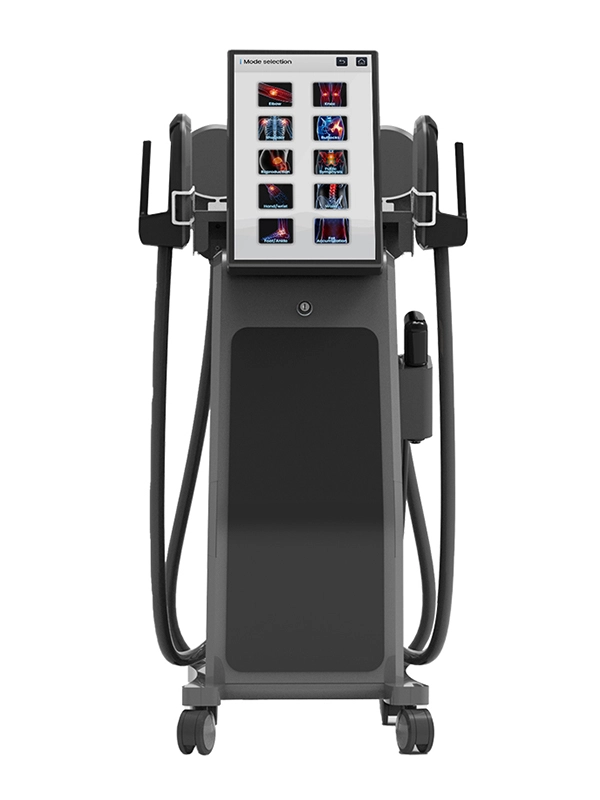
2 in 1 EMS Body sculpt machine cellulite treatment shockwave therapy EMS therapy device EMS machine for muscle stimulation
Goodway's 2-in-1 EMS Body Sculpt Machine utilizes shockwave therapy and EMS technology for effective cellulite reduction and muscle stimulation. This innovative device offers a combined approach to body sculpting, targeting both fat and muscle tone. Experience noticeable improvements with Goodway's advanced shockwave therapy machine.
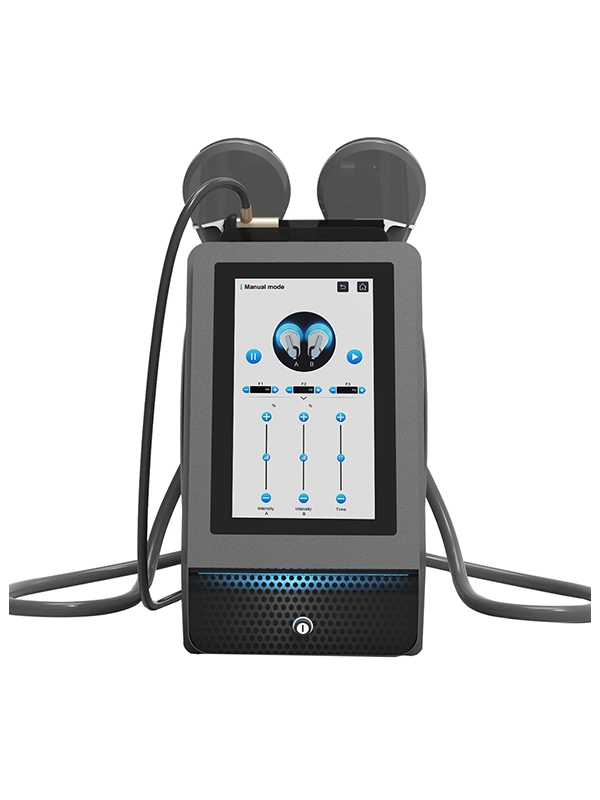
2 in 1 Best EMS beauty device shockwave therapy device body contouring shockwave ems muscle stimulator Machine
Goodway's Shockwave + MES Beauty Device is an advanced dual-therapy system combining shockwave technology for deep-tissue healing—reducing inflammation, relieving arthritis pain, and accelerating recovery—with MES electrostimulation to strengthen muscles without strain. This non-invasive, drug-free solution enhances mobility and rehabilitation, perfect for both clinical and home use.
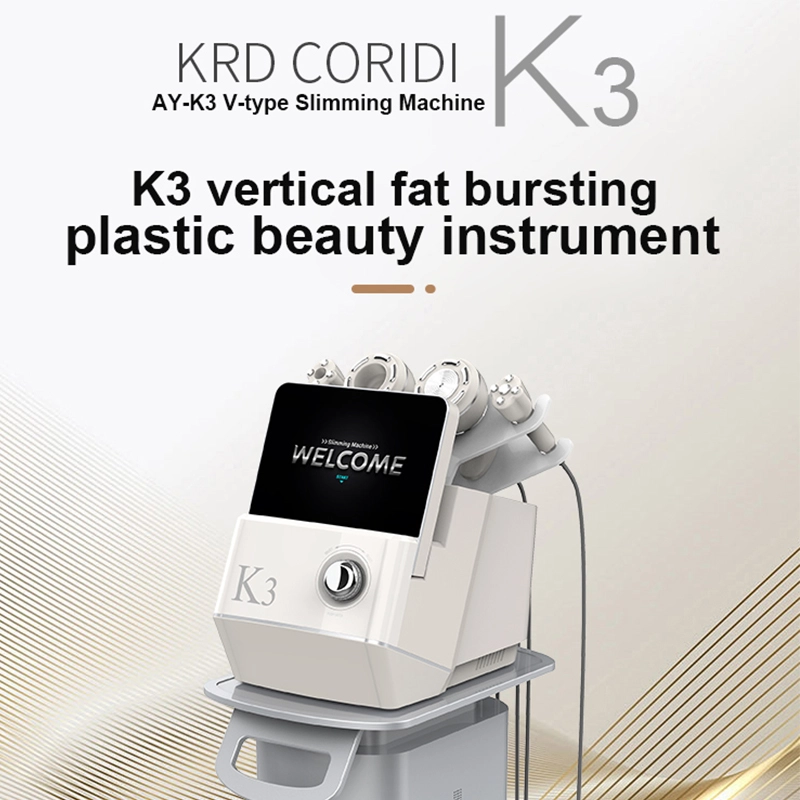
K3 Cavitation machine Achieve Effortless Fat Loss with Our Advanced massage machine
Experience the transformative power of the Goodway's K3 Cavitation Machine. This advanced massage machine targets stubborn fat effortlessly, doubling as an effective cellulite massager. Achieve your desired body contour with ease. Discover unparalleled fat loss results today.
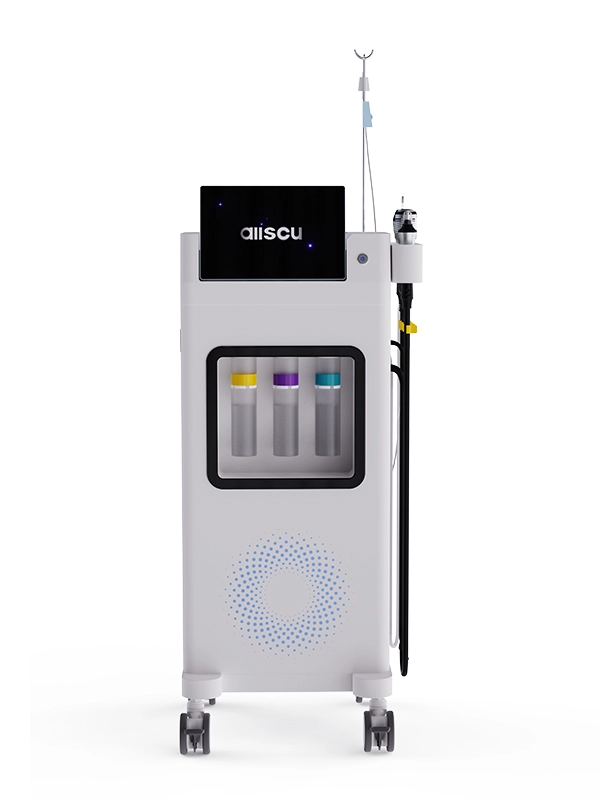
Professional Facial Spa Equipment Aqua Peel Facial Machine for Deep Cleansing and Hydration
Goodway's K8 Hydrafacial Machine is an all-in-one skin rejuvenation system that combines high-pressure deep cleansing, ice hammer pore tightening, plasma acne treatment, diamond microdermabrasion, and ultrasonic pore purification to remove impurities, reduce inflammation, and promote cell renewal—leaving skin smoother, brighter, and healthier.
 Scan QR Code
Instagram