
Top commercial cavitation machines compared for bulk buyers
- Why ultrasonic cavitation matters for commercial buyers
- Clinical mechanism, efficacy and evidence
- Buyer pain points: ROI, treatment consistency and safety
- How to choose the best cavitation machine for bulk purchase
- Key technical specifications to compare
- Operational and business considerations
- Top commercial cavitation machine categories compared
- Category overview: entry-level, mid-range, and high-end systems
- Comparison table: typical specs and procurement implications
- Recommended configurations by buyer type
- Vendor considerations, procurement process and after-sales support
- Quality, certification and independent testing
- Negotiation levers and procurement checklist
- Goodway: supplier profile and why it matters for bulk buyers
- Implementation, training and measuring ROI
- Pilot programs and standardization
- KPIs to track post-deployment
- FAQ — Frequently asked questions
- 1. What makes a cavitation machine commercial-grade versus consumer or spa-grade?
- 2. How do I verify a supplier’s performance claims?
- 3. Are there safety concerns with ultrasonic cavitation?
- 4. Should I buy multi-functional platforms or single-function cavitation units?
- 5. What are realistic expectations for treatment outcomes?
- 6. How should bulk buyers negotiate warranty and service for multiple units?
For clinic chains, distributors and bulk procurement teams evaluating the best cavitation machine, this guide provides an evidence-based, procurement-ready comparison of commercial ultrasonic cavitation systems. It distills key technical criteria, safety and regulatory checkpoints, cost drivers, and practical recommendations for selecting machines that deliver consistent clinical outcomes, minimal downtime, and reliable after-sales support. The content is tailored to buyers making larger-volume decisions—importers, multi-site clinics, and OEM partners—who need verifiable performance, compliance documentation, and predictable TCO.
Why ultrasonic cavitation matters for commercial buyers
Clinical mechanism, efficacy and evidence
Ultrasonic cavitation used in non-invasive body contouring relies on high-frequency ultrasound to create microbubbles in adipose tissue; their collapse disrupts adipocyte membranes and facilitates metabolic clearance. The physics of cavitation is well documented in the technical literature and general science resources such as Wikipedia’s cavitation entry. Clinical reviews of noninvasive body-contouring technologies (including ultrasound cavitation) show variable but repeatable reductions in localized fat when proper device parameters and protocols are applied; buyers should expect device-level variability in energy delivery, applicator design and patient suitability, which influences efficacy and repeatability.
Buyer pain points: ROI, treatment consistency and safety
Bulk buyers prioritize three practical outcomes: predictable clinical results across operators, low downtime and servicing cost, and regulatory/compliance alignment for their target markets. Common pain points include inconsistent output between units, insufficient training provided by suppliers, replacement-part lead times, and unclear device certifications. These issues directly affect utilization rates and return on investment for multi-machine deployments.
How to choose the best cavitation machine for bulk purchase
Key technical specifications to compare
When comparing devices, buyers should systematically evaluate:
- Ultrasound frequency and power range — frequency affects penetration depth (typical cavitation systems operate in the tens of kHz to low MHz depending on design).
- Output stability — measured as consistent energy delivery over repeated cycles; ask suppliers for bench test reports and aging test data.
- Handpiece design and cooling — ergonomics and cooling (air or water) determine treatment length and operator fatigue.
- Multi-function capability — combined RF, vacuum, or laser adjuncts increase price but can expand revenue per client; evaluate whether integration affects cavitation energy performance.
- Safety systems — real-time temperature monitoring, automatic shutdown on fault, and clear contraindication guidance.
Regulatory alignment is also essential: confirm CE (for EU), FDA clearance or medical device registration where applicable, and ISO quality management systems from suppliers. The U.S. Food & Drug Administration provides guidance on medical device classification and oversight that buyers should consult: FDA medical devices.
Operational and business considerations
Bulk procurement is not only about unit price. Consider:
- Minimum order quantities and tiered pricing — negotiate volume discounts and warranty extensions.
- Training and certification — ensure supplier offers on-site or remote training to standardize protocols across sites.
- Spare parts availability — request documented parts lead times and local stock arrangements to avoid service downtime.
- Service agreements — onsite service, remote diagnostics, and replacement unit policies are critical for multi-site operations.
- Consumables and disposables cost — gloves, coupling gel, filters, or single-use covers can materially affect per-treatment cost.
Top commercial cavitation machine categories compared
Category overview: entry-level, mid-range, and high-end systems
Most commercial offerings fall into three categories suitable for different buyer profiles:
- Entry-level commercial: lower power, simpler handpieces, suitable for single-clinic purchases or price-sensitive chains. Lower capital, but slower treatments and more operator variability.
- Mid-range commercial: balanced power, better cooling and ergonomics, integrated user programs, ideal for multi-therapist clinics and small regional chains.
- High-end / multi-functional: high-power cavitation with precise energy regulation, multiple applicators, integrated RF/EMS/vacuum modules, targeted at flagship clinics and large chains seeking highest throughput and treatment versatility.
Comparison table: typical specs and procurement implications
| Category | Typical Cavitation Power | Typical Frequency | Common Handpieces | Treatment Throughput | Typical Bulk Price Range (per unit) |
|---|---|---|---|---|---|
| Entry-level commercial | 10–40 W | 20 kHz–1 MHz | Single standard-sized probe | 6–12 pax/day per device | $1,200–$4,000 |
| Mid-range commercial | 40–120 W | 20 kHz–1 MHz (tunable) | Multiple probes, some cooling | 12–30 pax/day per device | $4,000–$10,000 |
| High-end / multi-functional | 80–250+ W (regulated) | 20 kHz–1 MHz (precise control) | Several specialized applicators, integrated cooling | 20–50+ pax/day per device | $10,000–$40,000+ |
Notes: price ranges are indicative for bulk buyers and depend on configuration, certification (e.g., CE/FDA), and included services (warranty, training). For clinical efficacy context, consult peer-reviewed reviews on noninvasive body-contouring modalities; professional literature assesses cavitation together with RF and HIFU modalities for comparative effectiveness.
Recommended configurations by buyer type
Guidelines:
- Single clinics / startups: mid-range entry units with good warranty and supplier training provide the best balance of performance and cost.
- Regional chains: standardize on mid-range units with identical software versions and handpieces across sites to reduce operator variability.
- Large chains and medical spas: invest in high-end multi-functional platforms that support high throughput, advanced safety monitoring and modular upgrades.
Vendor considerations, procurement process and after-sales support
Quality, certification and independent testing
For commercial procurement, require the following from any supplier before purchase:
- Copies of relevant certifications: CE declaration for Europe, ISO 13485 for medical device quality management, and evidence of regulatory clearance where applicable.
- Third-party or independent bench test reports showing energy delivery consistency, thermal safety margins and device lifetime testing (e.g., 10,000-cycle tests).
- Clinical evidence or published studies using the exact device model, not just the technology class. Where model-specific studies are unavailable, validate with in-field pilot deployments and objective outcome measures (photos, circumferential reduction metrics).
Regulatory resources: check national regulator databases and guidance pages such as the FDA medical devices portal for device classification and market entry requirements.
Negotiation levers and procurement checklist
Use these negotiation points for bulk orders:
- Volume discounts, staged payments and performance-linked clauses tied to uptime and service response times.
- Extended warranty and spare parts packages included at negotiated rates; consider on-site spare-module stocking if uptime is critical.
- Training scope and frequency—contractually bind a minimum number of on-site training days and remote refreshers per year.
- Acceptance testing: require a formal factory acceptance test (FAT) and site acceptance test (SAT) with documented performance metrics before final payment.
Goodway: supplier profile and why it matters for bulk buyers
Goodway is a leading manufacturer and supplier in the beauty instrument industry with over 15 years of experience. We cover an area of 42,000 square meters; we not only have a laser dust-free workshop but also have an 800-square-meter self-owned showroom; we provide OEM services for many international brands. Goodway has been committed to product innovation and R&D. By continuously introducing advanced technologies and concepts, we have improved the functions and effects of beauty instruments, bringing users an unprecedented experience.
Goodway adheres to strict quality standards to ensure that each beauty instrument is made with exquisite craftsmanship and rigorous testing. With our professional team and comprehensive warranty coverage, we guarantee timely and reliable service to keep your beauty equipment at its best performance. Our goal is to lead the industry trend and make every product a perfect combination of technology and beauty.
Core product categories relevant to cavitation buyers include ems sculpting machine, RF machine, laser hair removal machine, HIFU machine, pelvic floor devices, cryolipolysis machine and hydrafacial systems. These multi-function capabilities allow Goodway to supply integrated treatment suites that increase per-patient revenue and reduce footprints for multi-service clinics.
Supplier competitive advantages to validate with Goodway (and any manufacturer): production scale and controlled workshop environment (e.g., laser dust-free assembly), in-house showroom for product evaluation, OEM capabilities, R&D history showing iterative product improvements, and a documented after-sales network. For direct inquiries and quotations, Goodway’s website: https://www.gzgooodway.com/. Contact: andy@gzgooodway.com.
Implementation, training and measuring ROI
Pilot programs and standardization
Before large rollouts, run a pilot across representative sites (3–5 clinics). Use the same device firmware and protocols to gather baseline metrics: patient throughput, average treatment time, consumable costs, clinical outcomes at 4–12 weeks, and operator satisfaction. This evidence will inform final selection and standard operating procedures.
KPIs to track post-deployment
Key performance indicators for bulk deployments include:
- Utilization rate (treatments per device per day)
- Average revenue per treatment
- Device uptime and mean time to repair (MTTR)
- Customer satisfaction and complaint rates
- Consumable and maintenance costs as percentage of revenue
FAQ — Frequently asked questions
1. What makes a cavitation machine commercial-grade versus consumer or spa-grade?
Commercial-grade machines typically provide higher and more stable power outputs, better cooling, robust handpiece construction for continuous daily use, formal certifications, and more comprehensive service/support plans. They are engineered for throughput, safety interlocks and serviceability in clinical settings.
2. How do I verify a supplier’s performance claims?
Request model-specific test reports, independent lab certificates, and clinical data. Insist on FAT and SAT protocols, performance acceptance criteria, and warranty terms tied to measurable uptime. Check regulatory listings and, when possible, visit the supplier’s production facility or showroom.
3. Are there safety concerns with ultrasonic cavitation?
When used per manufacturer protocols, cavitation devices are generally safe. Risks include burns from improper energy settings, inconsistent results if applicator coupling is poor, and contraindications in certain patient populations. Ensure devices feature temperature monitoring, automatic shutdown and clear operator training to mitigate risks. For regulatory context, refer to the FDA.
4. Should I buy multi-functional platforms or single-function cavitation units?
Multi-functional platforms increase service versatility and can raise per-patient revenue, but they come at higher capital cost and complexity. For large chains, multi-function devices can optimize floor space and marketing. For price-sensitive or single-service clinics, specialized cavitation units can be more cost-effective and simpler to standardize.
5. What are realistic expectations for treatment outcomes?
Outcomes vary by device parameters, protocol adherence and patient factors. Expect modest circumferential reductions per course (often a few centimeters) rather than dramatic weight loss. Combine cavitation with adjunct therapies (RF, EMS, lifestyle counseling) for improved and longer-lasting results. Document outcomes with standardized photos and measurements during pilot phases.
6. How should bulk buyers negotiate warranty and service for multiple units?
Negotiate multi-year warranties, priority support SLAs, on-site training packages, parts consignment or local stocking, and performance acceptance tests. Include penalty clauses for missed service response times on mission-critical units.
Contact & next steps: For tailored bulk quotations, OEM options, or to schedule a product demo in Goodway’s showroom, visit https://www.gzgooodway.com/ or email andy@gzgooodway.com. Our team can provide factory acceptance test documentation, bulk pricing tiers, and pilot program support to help you select the best cavitation machine for your network.
Top 10 6 in 1 hydra facial machine Manufacturers and Supplier Brands
Where to Buy cavitation rf machine in Asia
OEM/ODM hifu machine for sale Manufacturers and Suppliers
How to start the ultra cavitation machine business in Europe ?
Treatment
How long does each session take?
A typical acne removal session lasts between 20 to 30 minutes, depending on the size of the treatment area. You can often fit a session into your lunch break.
How many sessions will I need?
The number of sessions varies depending on the severity of your acne. Typically, patients require between 3 to 6 sessions spaced a few weeks apart to see significant improvements. Your practitioner will assess your skin and recommend a personalized treatment plan.
Is laser acne removal painful?
Most patients experience minimal discomfort during the treatment. You may feel a slight stinging sensation as the laser pulses are applied to the skin, but numbing creams can be used to minimize any discomfort. The treatment is generally well-tolerated.
Customization
What is the delivery time for customized equipment?
The delivery time typically depends on the complexity of the project and the order quantity. Generally, it takes 6 to 12 weeks from design confirmation to product delivery. The exact timeline will be negotiated with the client upon order confirmation.
Is this machine for home or personal use?
No. Our EMS sculpting machines are designed strictly for professional and commercial use.
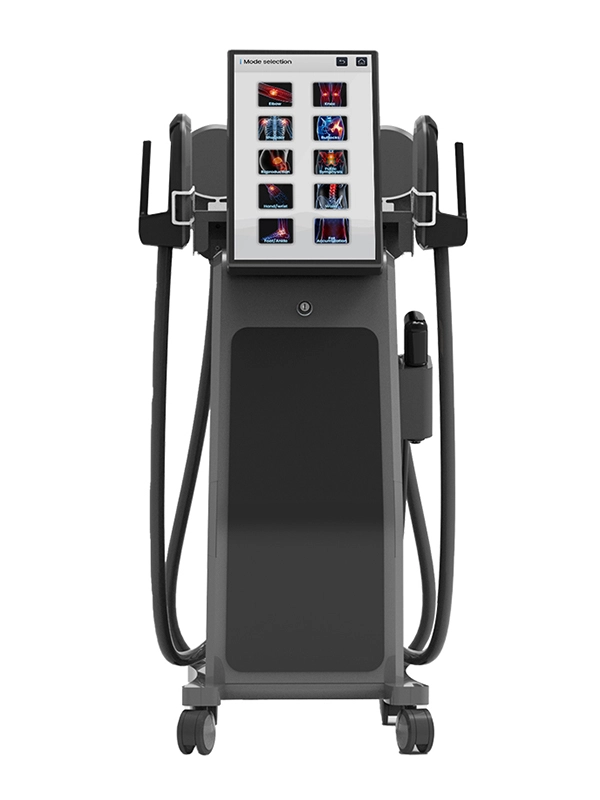
2 in 1 EMS Body sculpt machine cellulite treatment shockwave therapy EMS therapy device EMS machine for muscle stimulation
Goodway's 2-in-1 EMS Body Sculpt Machine utilizes shockwave therapy and EMS technology for effective cellulite reduction and muscle stimulation. This innovative device offers a combined approach to body sculpting, targeting both fat and muscle tone. Experience noticeable improvements with Goodway's advanced shockwave therapy machine.
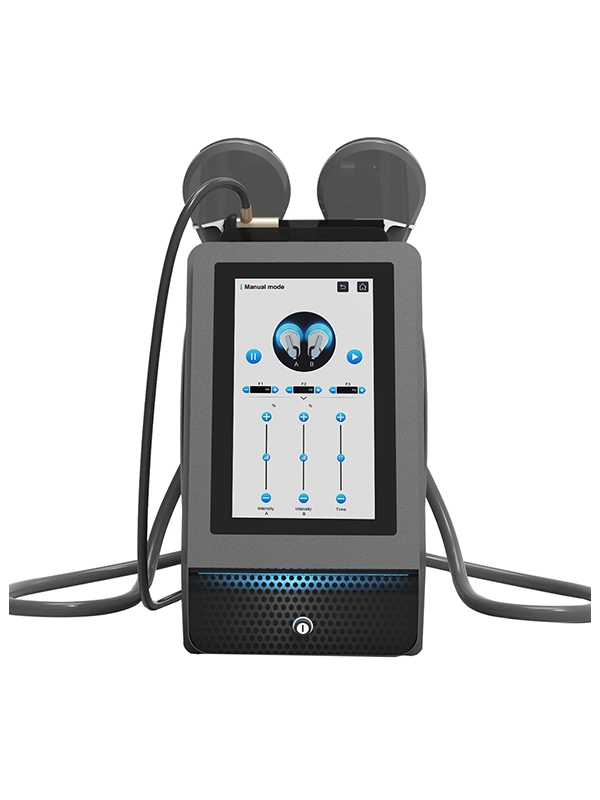
2 in 1 Best EMS beauty device shockwave therapy device body contouring shockwave ems muscle stimulator Machine
Goodway's Shockwave + MES Beauty Device is an advanced dual-therapy system combining shockwave technology for deep-tissue healing—reducing inflammation, relieving arthritis pain, and accelerating recovery—with MES electrostimulation to strengthen muscles without strain. This non-invasive, drug-free solution enhances mobility and rehabilitation, perfect for both clinical and home use.
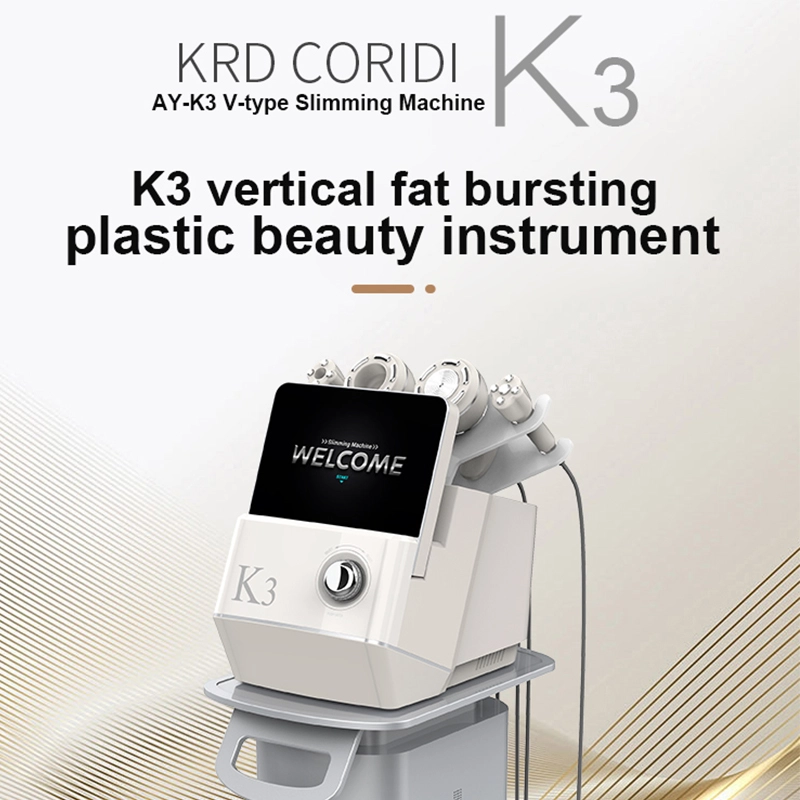
K3 Cavitation machine Achieve Effortless Fat Loss with Our Advanced massage machine
Experience the transformative power of the Goodway's K3 Cavitation Machine. This advanced massage machine targets stubborn fat effortlessly, doubling as an effective cellulite massager. Achieve your desired body contour with ease. Discover unparalleled fat loss results today.
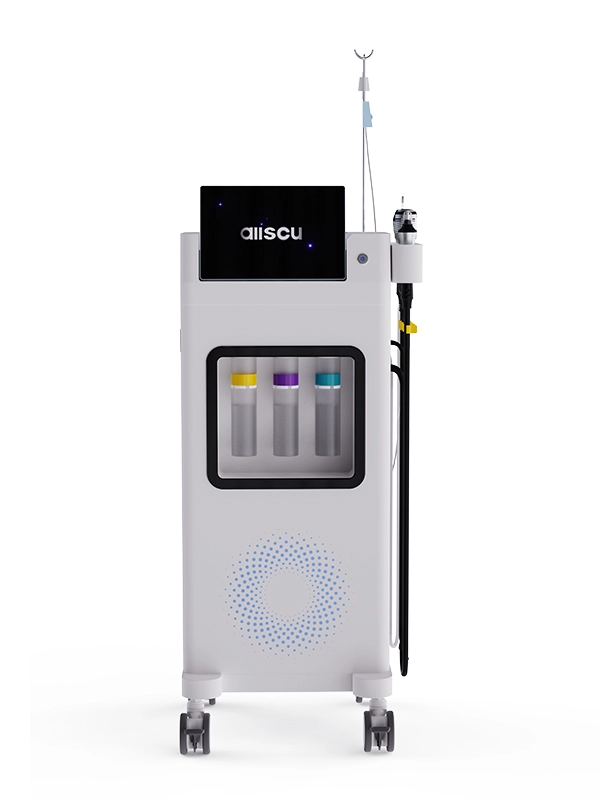
Professional Facial Spa Equipment Aqua Peel Facial Machine for Deep Cleansing and Hydration
Goodway's K8 Hydrafacial Machine is an all-in-one skin rejuvenation system that combines high-pressure deep cleansing, ice hammer pore tightening, plasma acne treatment, diamond microdermabrasion, and ultrasonic pore purification to remove impurities, reduce inflammation, and promote cell renewal—leaving skin smoother, brighter, and healthier.
 Scan QR Code
Instagram