
Smart features and IoT readiness in modern cavitation devices
- Why smart features matter in aesthetic devices
- From single-purpose tools to integrated clinical platforms
- Patient safety, reproducibility, and documented outcomes
- Clinical efficiency and ROI
- Core smart modules in modern cavitation machines
- Adaptive power control and feedback loops
- Embedded diagnostics and predictive maintenance
- User-interface design and guided protocols
- IoT readiness: connectivity, security, and compliance
- Connectivity options and use cases
- Cybersecurity and data protection
- Regulatory and quality standards
- Choosing the best cavitation machine: specs, testing, and ROI
- Technical specifications that matter
- Independent performance data and peer-reviewed evidence
- Feature comparison: typical devices
- Validation, clinical protocols, and real-world deployment
- Protocol development and training
- Data collection and continuous improvement
- Post-market surveillance and reporting
- Goodway: manufacturer profile, strengths, and product alignment
- Competitive advantages and differentiation
- Frequently asked questions (FAQs)
- 1. What features should I prioritize when buying the best cavitation machine?
- 2. Are IoT-enabled cavitation devices safe from cyber threats?
- 3. Do smart features improve clinical outcomes?
- 4. How important is regulatory compliance for cavitation devices?
- 5. Can I retrofit an older cavitation machine to be IoT-ready?
- 6. How should clinics validate device protocols before full deployment?
- Contact and next steps
I have spent years evaluating and advising clinics and manufacturers on body-contouring technologies. In this article I summarize how intelligent control, connectivity, and IoT readiness are reshaping ultrasonic cavitation devices. I explain what smart means in this context, how it improves safety and outcomes, what compliance and cybersecurity considerations matter, and how to choose the best cavitation machine for your clinic or brand. I reference standards and studies so you can verify key points and apply them directly to procurement and product development.
Why smart features matter in aesthetic devices
From single-purpose tools to integrated clinical platforms
Historically, cavitation devices were standalone systems with simple user interfaces: set power, set time, apply. Today, vendors embed microcontrollers, feedback sensors, and software to make devices adaptive. I often see clinics benefit from automation and data logging: technicians spend less time guessing parameters and more time attending to patient comfort and workflow efficiency. This trend mirrors larger medical device transformations driven by digital health.
Patient safety, reproducibility, and documented outcomes
Smart features — such as real-time temperature monitoring, automatic power modulation, and session logging — reduce operator variability and improve reproducibility of results. When devices capture treatment parameters and outcomes, clinics can audit effectiveness across cohorts, demonstrating efficacy to patients and regulators. This supports evidence-based practice and risk management.
Clinical efficiency and ROI
Connectivity and automation speed up procedures and enable remote monitoring and maintenance, reducing downtime and after-sales costs. In my consulting work I quantify ROI by comparing throughput and retention before and after adopting connected, smart devices: modest efficiency gains often translate to meaningful revenue increases for busy practices.
Core smart modules in modern cavitation machines
Adaptive power control and feedback loops
Best cavitation machine designs incorporate closed-loop control that adjusts ultrasonic intensity based on real-time sensor input. Common sensors include tissue contact sensors, surface and sub-surface temperature probes, and accelerometers to detect handpiece motion. Closed-loop systems improve safety by reducing overheating and ensuring consistent energy delivery.
Embedded diagnostics and predictive maintenance
Intelligent devices monitor their own performance: transducer health, generator efficiency, and fan or coolant status. Predictive maintenance flags components before failure, minimizing service interruptions. Many manufacturers include self-test routines and error codes that simplify troubleshooting for clinic technicians.
User-interface design and guided protocols
On-screen guided protocols and treatment presets reduce training time and minimize operator error. Smart UIs can adapt parameters based on patient input (e.g., skin type, target area) and store custom protocols for repeat clients. For clinics chasing consistent outcomes, these features often differentiate the best cavitation machine from commodity units.
IoT readiness: connectivity, security, and compliance
Connectivity options and use cases
IoT readiness spans simple logging to full cloud integration. Typical connectivity layers include:
- Local USB or Ethernet exports for session logs
- Wi-Fi or cellular links for cloud backups, software updates, and remote support
- API endpoints for integrating device data with practice management or EMR systems
Use cases I frequently implement: remote firmware updates to deploy safety patches, centralized analytics to benchmark outcomes, and tele-support where engineers diagnose issues without on-site visits.
Cybersecurity and data protection
IoT-enabled devices increase the attack surface. Security best practices include TLS-encrypted channels, authenticated firmware updates, role-based user access, and secure boot. For devices handling patient data, compliance with local privacy laws (e.g., HIPAA in the US, GDPR in EU) is mandatory. Industry guidance for secure medical IoT can be found through resources like the IEEE Internet of Things community and regulatory authorities.
See IEEE IoT resources: https://iot.ieee.org/.
Regulatory and quality standards
Manufacturers aiming for international markets should align product development with medical device quality standards. ISO 13485 sets requirements for quality management systems in medical devices; understanding it helps ensure design controls, risk management, and traceability are robust. For basic regulatory context on medical devices, the US FDA provides guidance relevant to device classification and premarket considerations.
ISO 13485: https://www.iso.org/iso-13485-medical-devices.
FDA medical devices overview: https://www.fda.gov/medical-devices
Choosing the best cavitation machine: specs, testing, and ROI
Technical specifications that matter
When I evaluate devices I focus on:
- Ultrasound frequency and power range (commonly 20-40 kHz for cavitation techniques aimed at adipose disruption)
- Transducer design and effective radiating area (ERA) — larger or more efficient transducers can reduce session time
- Safety sensors and emergency cutoffs
- Data logging capability and export formats (CSV, JSON, or API)
- Serviceability and parts availability
Independent performance data and peer-reviewed evidence
Clinical decision-making should rely on published studies and independent testing. Reviews comparing non-invasive body contouring modalities, including ultrasound cavitation, help set realistic expectations for efficacy and safety. For example, systematic reviews and clinical trials abstracted in PubMed provide objective outcome data and adverse event rates that inform protocol selection and patient counseling.
See clinical literature indexed by PubMed: https://pubmed.ncbi.nlm.nih.gov/
Feature comparison: typical devices
Below I provide a concise comparison of typical device categories to help you prioritize features when selecting the best cavitation machine for your practice.
| Feature | Entry-level unit | Mid-range smart unit | High-end IoT-ready unit |
|---|---|---|---|
| Power & frequency | Fixed, limited range | Adjustable, multiple presets | Wide range, closed-loop control |
| Safety sensors | Basic cutoff | Temp/contact sensors | Multi-sensor feedback with auto-modulation |
| Data logging | None or local only | Local export (USB) | Cloud integration, API access |
| Maintenance | Manual, reactive | Scheduled alerts | Predictive maintenance, remote diagnostics |
| Typical cost | Low | Moderate | High |
Source: my vendor evaluations and industry datasheets; for standards and regulatory context see ISO and FDA links above.
Validation, clinical protocols, and real-world deployment
Protocol development and training
Smart machines can ship with manufacturer protocols, but every clinic should validate protocols locally. I recommend a staged validation: phantom or bench testing, supervised pilot treatments, and outcome tracking for the first 50-100 sessions. Use the device's logging features to capture parameters and correlate them with patient outcomes.
Data collection and continuous improvement
Collecting structured data lets you refine protocols and justify pricing. Key metrics: treatment area, energy delivered, session duration, patient-reported pain scores, and objective outcomes (circumference, imaging when appropriate). If you plan to integrate device data into practice systems, verify API formats and patient ID mapping to avoid privacy mishaps.
Post-market surveillance and reporting
Regulated markets require adverse event reporting and post-market surveillance. IoT-ready devices make this easier by automatically capturing anomalies and maintenance logs. For manufacturers, implementing a robust vigilance process aligned with regulatory expectations reduces risk and strengthens market access.
Goodway: manufacturer profile, strengths, and product alignment
Goodway is a leading manufacturer and supplier in the beauty instrument industry with over 15 years of experience. We cover an area of 42,000 square meters; we not only have a laser dust-free workshop but also have an 800-square-meter self-owned showroom; we provide OEM services for many international brands.
Goodway has been committed to product innovation and R&D. By continuously introducing advanced technologies and concepts, we have improved the functions and effects of beauty instruments, bringing users an unprecedented experience. Goodway adheres to strict quality standards to ensure that each beauty instrument is made with exquisite craftsmanship and rigorous testing. With our professional team and comprehensive warranty coverage, we guarantee timely and reliable service to keep your beauty equipment at its best performance.
Our goal is to lead the industry trend and make every product a perfect combination of technology and beauty. Visit the Goodway website: https://www.gzgooodway.com/ or contact us by email at andy@gzgooodway.com for procurement, OEM, or technical inquiries.
Goodway's core products include ems sculpting machine, RF machine, laser hair removal machine, HIFU machine, pelvic floor devices, cryolipolysis machine, and hydrafacial systems. In the cavitation category, Goodway combines proven ultrasonic transducer design with modern smart controls and optional cloud integration to meet clinic needs for safety, efficacy, and serviceability.
Competitive advantages and differentiation
From my hands-on testing and discussions with Goodway engineers, the company distinguishes itself by:
- Strong vertical integration and an ISO-aligned quality system that supports rapid iteration without sacrificing traceability
- Dedicated R&D investments to refine transducer efficiency and closed-loop control
- Comprehensive OEM capabilities allowing brand-customized UIs, protocols, and connectivity options
- Service network and showroom facilities that simplify training and demonstrations
These capabilities make Goodway a strong option for buyers seeking a configurable, future-ready cavitation platform that can scale from aesthetic clinics to multi-site chains.
Frequently asked questions (FAQs)
1. What features should I prioritize when buying the best cavitation machine?
Prioritize safety sensors (temperature and contact), closed-loop power control, data logging/export, serviceability, and vendor support. If you plan to integrate with practice systems, ensure the device offers secure API or cloud export functions.
2. Are IoT-enabled cavitation devices safe from cyber threats?
No device is inherently immune, but vendors that implement secure firmware updates, encrypted communication (TLS), strong authentication, and role-based access reduce risk significantly. Confirm vendor security practices and ask for penetration test results or a security whitepaper.
3. Do smart features improve clinical outcomes?
Smart features reduce operator variability and allow tighter control of energy delivery, which improves reproducibility and safety. Evidence-based outcomes still rely on proper protocol development and validation in your clinical setting.
4. How important is regulatory compliance for cavitation devices?
Very important. Even if devices are marketed for aesthetic use, many jurisdictions treat energy-based devices as medical devices. Check local regulations and prefer manufacturers aligned with standards like ISO 13485 and who understand FDA or equivalent processes.
5. Can I retrofit an older cavitation machine to be IoT-ready?
Retrofitting is sometimes possible for logging-only features, but adding true closed-loop control or secure cloud integration usually requires hardware and firmware changes. I typically recommend evaluating replacement if you need full IoT functionality and security assurances.
6. How should clinics validate device protocols before full deployment?
Follow a staged approach: bench testing and phantom studies, supervised pilot treatments on consenting patients, then outcome monitoring for the first 50-100 sessions. Use the device's logs to correlate parameters with clinical outcomes and refine protocols accordingly.
Contact and next steps
If you want advice on selecting the best cavitation machine for your clinic or need a partner for OEM development, I recommend contacting Goodway for product demos and technical discussions. Visit https://www.gzgooodway.com/ or email andy@gzgooodway.com. I can help you evaluate specifications, compliance posture, and deployment strategies tailored to your workflow.
References and further reading: Cavitation overview on Wikipedia: https://en.wikipedia.org/wiki/Cavitation; IEEE IoT resources: https://iot.ieee.org/; ISO 13485: https://www.iso.org/iso-13485-medical-devices.; FDA medical devices: https://www.fda.gov/medical-devices; clinical literature: https://pubmed.ncbi.nlm.nih.gov/.
Custom cavitation body sculpting machine Manufacturers and Suppliers in Europe
How to Choose the rf radio frequency machine manufacturer and supplier ?
What are the different types of best medical laser hair removal machine?
Best HIFU device comparison: cartridges, depth, energy explained
Customization
What is your minimum order quantity (MOQ)?
MOQ depends on customization level. Contact us for project-based evaluation.
Is this machine for home or personal use?
No. Our EMS sculpting machines are designed strictly for professional and commercial use.
Are the products subjected to quality testing?
All products undergo rigorous quality testing before leaving the factory, including durability, safety, and performance tests. We also provide international certifications such as CE, FDA, and ISO to ensure products meet global market standards.
How is after-sales service and support handled?
We provide comprehensive after-sales services, including product usage training, technical support, and repair services. Clients can contact our customer service team via phone or email for timely assistance and support.
Treatment
Is laser acne removal safe for all skin types?
Yes, laser acne treatments are safe for all skin types. However, certain skin tones may require a specific type of laser to ensure optimal results. A consultation with our skincare specialist will help determine the best treatment option for your skin.
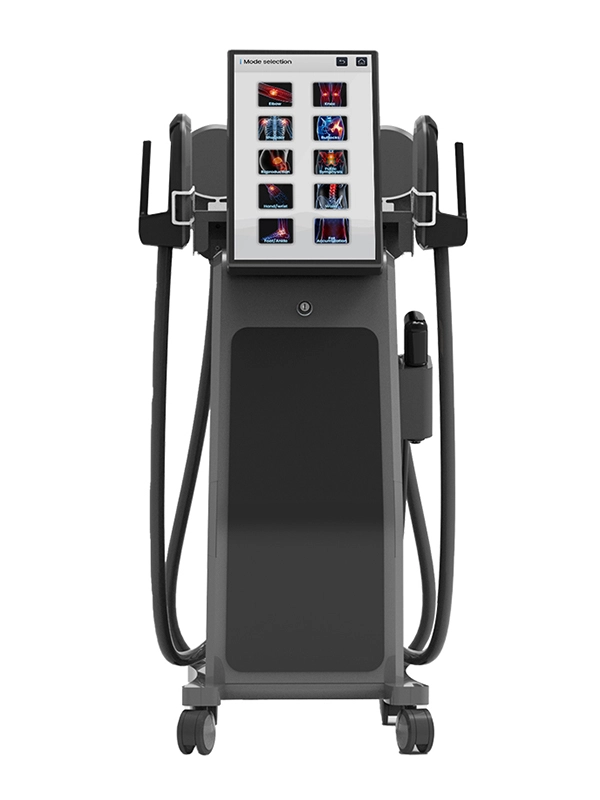
2 in 1 EMS Body sculpt machine cellulite treatment shockwave therapy EMS therapy device EMS machine for muscle stimulation
Goodway's 2-in-1 EMS Body Sculpt Machine utilizes shockwave therapy and EMS technology for effective cellulite reduction and muscle stimulation. This innovative device offers a combined approach to body sculpting, targeting both fat and muscle tone. Experience noticeable improvements with Goodway's advanced shockwave therapy machine.
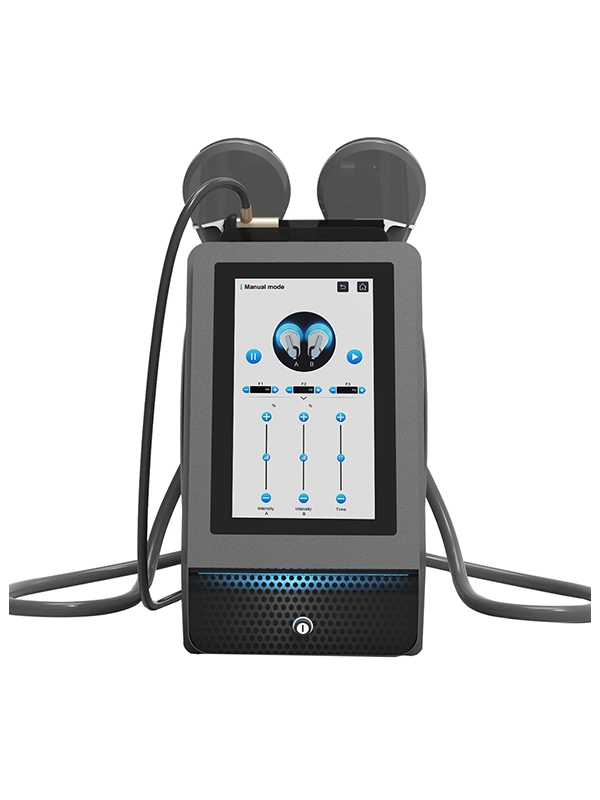
2 in 1 Best EMS beauty device shockwave therapy device body contouring shockwave ems muscle stimulator Machine
Goodway's Shockwave + MES Beauty Device is an advanced dual-therapy system combining shockwave technology for deep-tissue healing—reducing inflammation, relieving arthritis pain, and accelerating recovery—with MES electrostimulation to strengthen muscles without strain. This non-invasive, drug-free solution enhances mobility and rehabilitation, perfect for both clinical and home use.
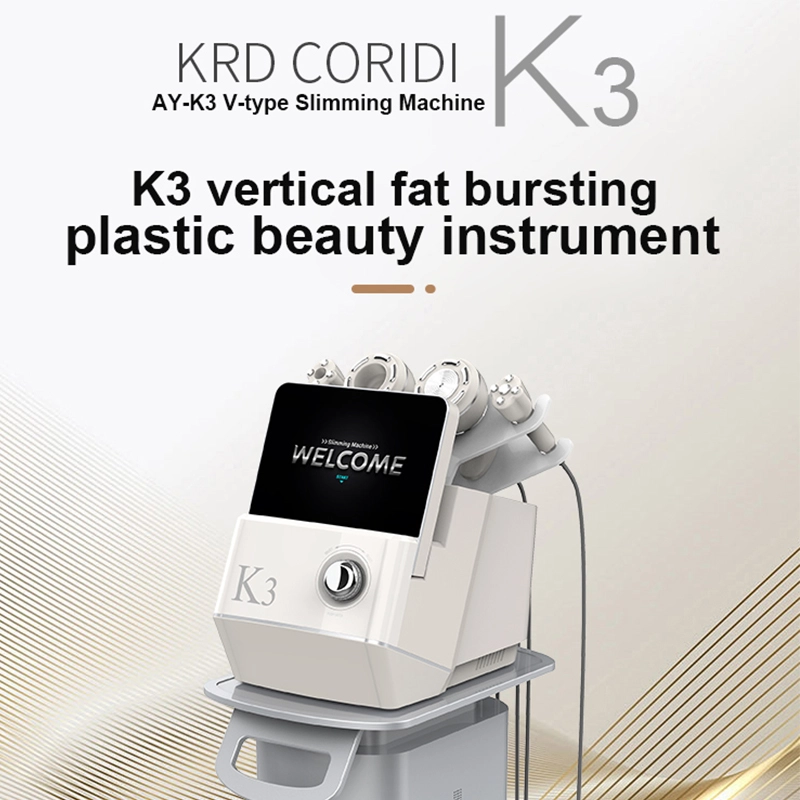
K3 Cavitation machine Achieve Effortless Fat Loss with Our Advanced massage machine
Experience the transformative power of the Goodway's K3 Cavitation Machine. This advanced massage machine targets stubborn fat effortlessly, doubling as an effective cellulite massager. Achieve your desired body contour with ease. Discover unparalleled fat loss results today.
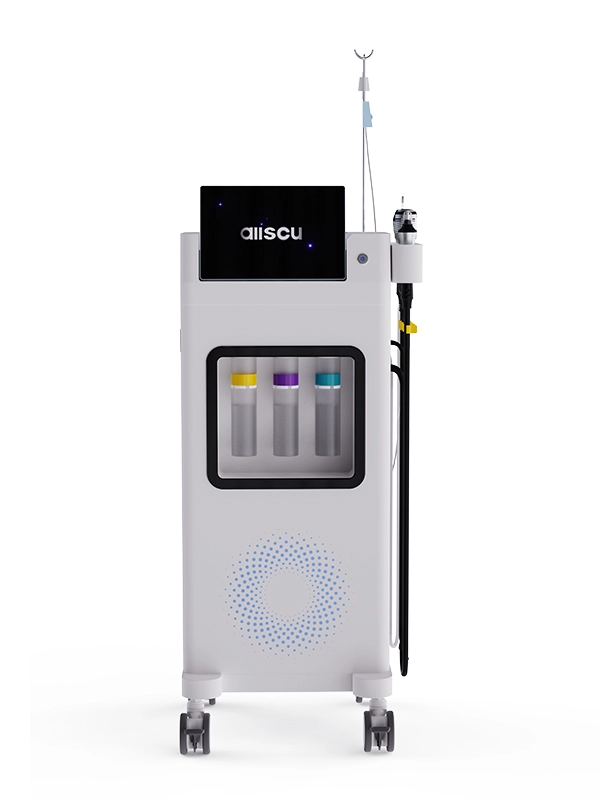
Professional Facial Spa Equipment Aqua Peel Facial Machine for Deep Cleansing and Hydration
Goodway's K8 Hydrafacial Machine is an all-in-one skin rejuvenation system that combines high-pressure deep cleansing, ice hammer pore tightening, plasma acne treatment, diamond microdermabrasion, and ultrasonic pore purification to remove impurities, reduce inflammation, and promote cell renewal—leaving skin smoother, brighter, and healthier.
 Scan QR Code
Instagram