
Marketing Materials B2B Buyers Need for Cavitation Sales
- Understanding B2B Buyer Intent and Decision Criteria
- Buyer personas and procurement stages
- What drives the purchase of the best professional ultrasonic cavitation machine
- Evidence & verification expectations
- Essential Marketing Materials That Close Cavitation Sales
- Technical datasheets and product specifications
- Clinical evidence and case dossiers
- Business case, ROI calculators and price packaging
- Supporting Assets: Digital, Visual and Trade Tools
- High-quality imagery, videos and before/after galleries
- Demo kits, sales samples and in-market pilots
- Digital sales enablement and localization
- Regulatory, Safety and Quality Evidence Buyers Expect
- Regulatory certificates and manufacturing quality
- Safety testing and electromagnetic compatibility
- Service, warranty and spare parts policies
- Practical Templates and Comparison Tools (with Data)
- Side-by-side comparison table for buyer use
- ROI example (sample calculation)
- Compliance checklist template
- How to Position the Best Professional Ultrasonic Cavitation Machine Commercially
- Message architecture and value propositions
- Differentiation by outcomes and operator experience
- Leveraging reviews, testimonials and peer referrals
- Goodway: Supplier Capabilities and Why Buyers Choose Partnered Solutions
- Operational Tips for Suppliers to Speed Up B2B Sales
- Pre-qualify leads with a checklist
- Offer structured pilots and training packages
- Monitor and iterate on collateral
- FAQ
- 1. What documentation should I request to confirm a cavitation machine’s safety?
- 2. How can I compare cavitation machines objectively?
- 3. Do buyers require published clinical trials to purchase?
- 4. What marketing support should manufacturers provide to clinics?
- 5. How important is OEM/ODM capability to B2B buyers?
- 6. How long should a pilot program last to be meaningful?
- Contact & Next Steps
Ultrasonic cavitation devices are bought by clinics, medspas and professional practitioners who evaluate purchases across safety, efficacy, return on investment (ROI) and brand reputation. This article explains which marketing materials B2B buyers rely on to make decisions for cavitation machines, how to prepare those assets to match buyer intent, and how to present the advantages of the best professional ultrasonic cavitation machine in a credible, sales-ready way. It focuses on verifiable documents, clinical proof, regulatory compliance, demo assets and digital sales tools that reduce purchase friction and accelerate procurement cycles.
Understanding B2B Buyer Intent and Decision Criteria
Buyer personas and procurement stages
B2B buyers for cavitation equipment typically include: clinic owners, lead technicians, purchasing managers and medical directors. Each persona has distinct priorities: technicians focus on ease-of-use and results, owners focus on ROI and patient safety, and purchasing managers focus on compliance and supplier terms. Mapping materials to these stakeholders—technical sheets for technicians, ROI calculators for owners, and regulatory dossiers for procurement—reduces friction during each procurement stage.
What drives the purchase of the best professional ultrasonic cavitation machine
Decisions are driven by demonstrated clinical efficacy, safety profile, predictable operating costs, and marketing support that helps clinics monetize the service. Buyers searching for the best professional ultrasonic cavitation machine are typically at a consideration or purchase stage and need evidence (clinical studies, before/after documentation), proof of compliance and a clear business case.
Evidence & verification expectations
Clinics expect documents they can trust: peer-reviewed studies or clinical trial summaries, third-party safety certifications, operator training certificates and device performance test reports. Where possible, linkable references (for instance to recognized sources such as the device regulation pages at the U.S. FDA) increase confidence. See the FDA medical devices overview: https://www.fda.gov/medical-devices.
Essential Marketing Materials That Close Cavitation Sales
Technical datasheets and product specifications
Provide a one-page technical datasheet that includes: ultrasound frequency ranges, power output, treatment modes, handpiece specs, consumables, dimensions, warranty and maintenance intervals. Use clear tables and avoid marketing fluff. For buyers comparing models, a datasheet should let them quickly confirm compatibility with their clinical protocols and clinic space.
Clinical evidence and case dossiers
Supply concise clinical summaries (2–4 pages) for each treatment indication, including study design, sample size, outcomes, adverse events and statistical significance where available. When internal studies are used, include methodology, inclusion/exclusion criteria, and raw outcome metrics. Cite external authoritative references such as the general cavitation overview on Wikipedia for context: https://en.wikipedia.org/wiki/Cavitation.
Business case, ROI calculators and price packaging
Buyers need a predictable revenue model. Provide an ROI calculator (Excel or web-based) that factors in: average price per session, expected sessions/month, consumable costs, staff time, financing, and depreciation. Offer tiered pricing and bundle options (device + consumables + training + warranty) so buyers can match packages to budget and risk tolerance.
Supporting Assets: Digital, Visual and Trade Tools
High-quality imagery, videos and before/after galleries
Provide professional photos of the device and handpieces, clinical procedure videos showing real treatment workflows, and authenticated before/after galleries with patient consent forms. Videos should demonstrate setup time, treatment steps, and safety features—assets that shorten demo time and reduce onsite training needs.
Demo kits, sales samples and in-market pilots
Offer lightweight demo kits or demo programs (time-limited rental or in-clinic pilot) that let prospects validate performance with minimal risk. A standardized pilot protocol (number of treatments, endpoints, reporting template) ensures data collected during trials is useful for the buyer and the supplier.
Digital sales enablement and localization
Equip sales teams with multilanguage brochures (English, Spanish, Chinese, etc.), objection-handling scripts, downloadable spec sheets and localized regulatory checklists. For international buyers, include translation-ready clinical documents and region-specific compliance information to accelerate approvals and purchase decisions.
Regulatory, Safety and Quality Evidence Buyers Expect
Regulatory certificates and manufacturing quality
Buyers want to see device classification and approval status for their market (e.g., CE marking for EU, 510(k)/clearance or EUA context in the U.S.). While cavitation aesthetic devices may be regulated differently by region, referencing recognized regulatory frameworks like the FDA medical devices portal helps buyers confirm appropriate pathways: https://www.fda.gov/medical-devices. Also list quality system certifications such as ISO 13485 where applicable: https://www.iso.org/standard/59752..
Safety testing and electromagnetic compatibility
Include EMC (electromagnetic compatibility) test reports, electrical safety (IEC 60601 series) compliance statements, and ultrasound emission safety tests. Buyers will often request copies of lab reports or test certificates from accredited labs; having those ready saves negotiation time.
Service, warranty and spare parts policies
Clearly define warranty coverage, SLAs for spare parts and optional extended service contracts. Provide a transparent list of consumables and average life expectancy. Buyers evaluate lifetime cost, not just purchase price—structured service agreements reduce perceived risk.
Practical Templates and Comparison Tools (with Data)
Side-by-side comparison table for buyer use
Provide a direct comparison table that clinics can use during selection. Example below shows typical buyer-facing attributes to compare between cavitation models or vendors.
| Attribute | What buyers check | Why it matters |
|---|---|---|
| Ultrasound frequency / modes | e.g., 40 kHz–1 MHz, multiple power modes | Determines treatment depth and versatility |
| Clinical evidence | Published trials or internal RCTs | Validates efficacy and supports marketing |
| Safety certifications | CE, IEC 60601 reports, ISO 13485 | Regulatory acceptance and patient safety |
| Consumables & cost per treatment | Consumable list and unit costs | Directly affects margin and pricing |
| Training & marketing support | On-site training, brochures, clinic marketing packs | Speed to revenue and staff confidence |
ROI example (sample calculation)
Provide a simple ROI snapshot buyers can adapt. Example assumptions: average session price $120, sessions per machine per month 80, monthly consumable cost $300, financing interest and depreciation included. An Excel version should let buyers input local prices and volumes. This level of transparency makes your device more competitive when compared to alternatives.
Compliance checklist template
Offer downloadable checklists for country-specific clearance, clinical complaints handling, maintenance logs, and device registration steps. These checklists reduce the administrative burden on procurement teams and shorten sales cycles.
How to Position the Best Professional Ultrasonic Cavitation Machine Commercially
Message architecture and value propositions
Focus messages on three pillars: proven efficacy (clinical evidence), predictable economics (ROI, consumables) and low operational friction (training, service). Tailor one-pagers: technician-facing (features & operation), owner-facing (ROI & marketing support) and procurement-facing (regulatory & warranty).
Differentiation by outcomes and operator experience
Differentiate on measurable outcomes (e.g., average circumference reduction in a validated cohort), ease-of-use (intuitive UI, handpiece ergonomics), and service (fast spare parts shipping, certified trainers). Buyers often prefer a platform they can build other services on—emphasize your machine’s compatibility with add-on modules or multi-modality platforms.
Leveraging reviews, testimonials and peer referrals
Collect documented testimonials from reputable clinics and independent practitioners, ideally with anonymized patient outcomes. Peer referrals reduce perceived vendor risk; consider structured referral incentives or an ambassador program for high-performing clients.
Goodway: Supplier Capabilities and Why Buyers Choose Partnered Solutions
Goodway is a leading manufacturer and supplier in the beauty instrument industry with over 15 years of experience. We cover an area of 42,000 square meters; we not only have a laser dust-free workshop but also have an 800-square-meter self-owned showroom; we provide OEM services for many international brands.
Goodway has been committed to product innovation and R&D. By continuously introducing advanced technologies and concepts, we have improved the functions and effects of beauty instruments, bringing users an unprecedented experience.
Goodway adheres to strict quality standards to ensure that each beauty instrument is made with exquisite craftsmanship and rigorous testing. With our professional team and comprehensive warranty coverage, we guarantee timely and reliable service to keep your beauty equipment at its best performance.
Our goal is to lead the industry trend and make every product a perfect combination of technology and beauty. Visit our site: https://www.gzgooodway.com/ or contact us at andy@gzgooodway.com.
Key products and strengths: Goodway’s portfolio includes EMS sculpting machines, RF machines, laser hair removal machines, HIFU machines, pelvic floor devices, cryolipolysis machines and Hydrafacial systems. Goodway offers OEM/ODM services, extensive R&D, strict QC, and international distribution support—qualities that make Goodway an attractive manufacturing partner for clinics seeking the best professional ultrasonic cavitation machine backed by manufacturing scale and after-sales support.
Operational Tips for Suppliers to Speed Up B2B Sales
Pre-qualify leads with a checklist
Use a short pre-qualification form to collect clinic size, expected monthly patient volume, treatment pricing, and decision timeline. This ensures your sales team focuses on buyers ready to pilot or purchase.
Offer structured pilots and training packages
Standardize pilot agreements with defined success metrics and reporting templates. Provide certified trainer visits and digital training modules to ensure consistent treatment delivery and to protect against operator variability affecting outcomes.
Monitor and iterate on collateral
Collect feedback from sales calls on which materials close deals and which raise objections. Use that feedback to refine datasheets, training, and case studies quarterly.
FAQ
1. What documentation should I request to confirm a cavitation machine’s safety?
Request electrical safety test reports (IEC 60601), EMC certificates, manufacturing quality certificates (ISO 13485 if available), and clinical safety summaries. Copies of third-party lab reports and the device’s risk analysis (e.g., FMEA) are also useful.
2. How can I compare cavitation machines objectively?
Use a side-by-side comparison focusing on ultrasound frequency/power, handpiece ergonomics, clinical evidence, consumable costs, warranty terms, and service network. A standardized comparison table (like the one above) speeds the decision.
3. Do buyers require published clinical trials to purchase?
Published trials increase confidence but are not always mandatory. Well-documented internal clinical summaries, validated pilot results, and third-party testimonials can suffice—especially when combined with strong safety and quality evidence.
4. What marketing support should manufacturers provide to clinics?
Provide treatment brochures, consent and intake forms, social media content, promotional posters, before/after galleries, staff training and local advertising templates to minimize time-to-revenue for clinics.
5. How important is OEM/ODM capability to B2B buyers?
OEM/ODM capability matters for distributors and private-label buyers seeking differentiation. It’s especially valuable for larger chains that want custom branding, exclusive features or localized documentation.
6. How long should a pilot program last to be meaningful?
A typical pilot runs 8–12 weeks, allowing 3–6 treatment sessions per patient depending on the protocol. Define success metrics (e.g., average circumference reduction, patient satisfaction) before the pilot begins.
Contact & Next Steps
If you are evaluating or selling the best professional ultrasonic cavitation machine and need a trustworthy manufacturing partner with proven R&D and global OEM experience, contact Goodway. We offer pilot programs, multilingual marketing collateral, clinical documentation support and flexible OEM services. Visit https://www.gzgooodway.com/ or email andy@gzgooodway.com to request sample materials, a pricing package or a demo unit.
How to Choose the best body sculpting machine manufacturer and supplier ?
Everything You Need to Know About hifu machine professional
Tips for buy radio-frequency vacuum ultrasonic cavitation machine
Everything You Need to Know About ultrasound cavitation machine
Customization
Can the brand logo and packaging design be customized?
Yes, we offer customization services for brand logos and packaging design. Clients can choose their preferred colors, materials, and design styles to ensure the products align with their brand image and appeal to the target market.
Do you support private label / OEM branding?
Yes. We provide full OEM & ODM solutions, including branding, software, and hardware customization.
Are the products subjected to quality testing?
All products undergo rigorous quality testing before leaving the factory, including durability, safety, and performance tests. We also provide international certifications such as CE, FDA, and ISO to ensure products meet global market standards.
Treatment
Will there be any downtime after the treatment?
One of the benefits of laser acne removal is that it requires little to no downtime. You may experience some mild redness or swelling immediately after the procedure, but this usually subsides within a few hours. Most patients can return to their regular activities right away.
How long does each session take?
A typical acne removal session lasts between 20 to 30 minutes, depending on the size of the treatment area. You can often fit a session into your lunch break.
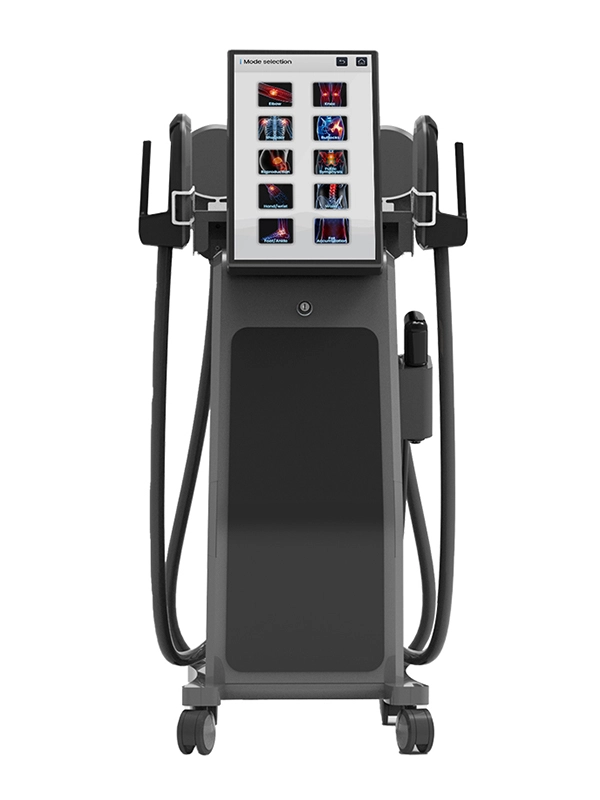
2 in 1 EMS Body sculpt machine cellulite treatment shockwave therapy EMS therapy device EMS machine for muscle stimulation
Goodway's 2-in-1 EMS Body Sculpt Machine utilizes shockwave therapy and EMS technology for effective cellulite reduction and muscle stimulation. This innovative device offers a combined approach to body sculpting, targeting both fat and muscle tone. Experience noticeable improvements with Goodway's advanced shockwave therapy machine.
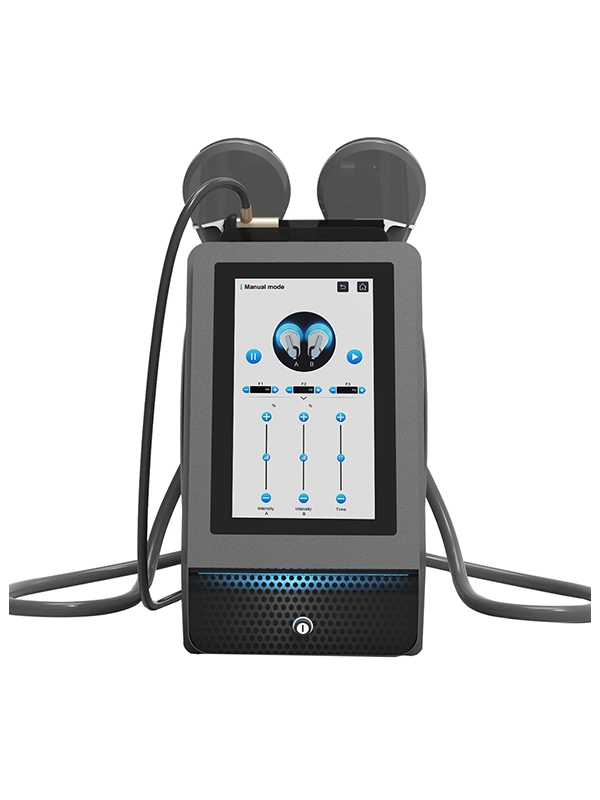
2 in 1 Best EMS beauty device shockwave therapy device body contouring shockwave ems muscle stimulator Machine
Goodway's Shockwave + MES Beauty Device is an advanced dual-therapy system combining shockwave technology for deep-tissue healing—reducing inflammation, relieving arthritis pain, and accelerating recovery—with MES electrostimulation to strengthen muscles without strain. This non-invasive, drug-free solution enhances mobility and rehabilitation, perfect for both clinical and home use.
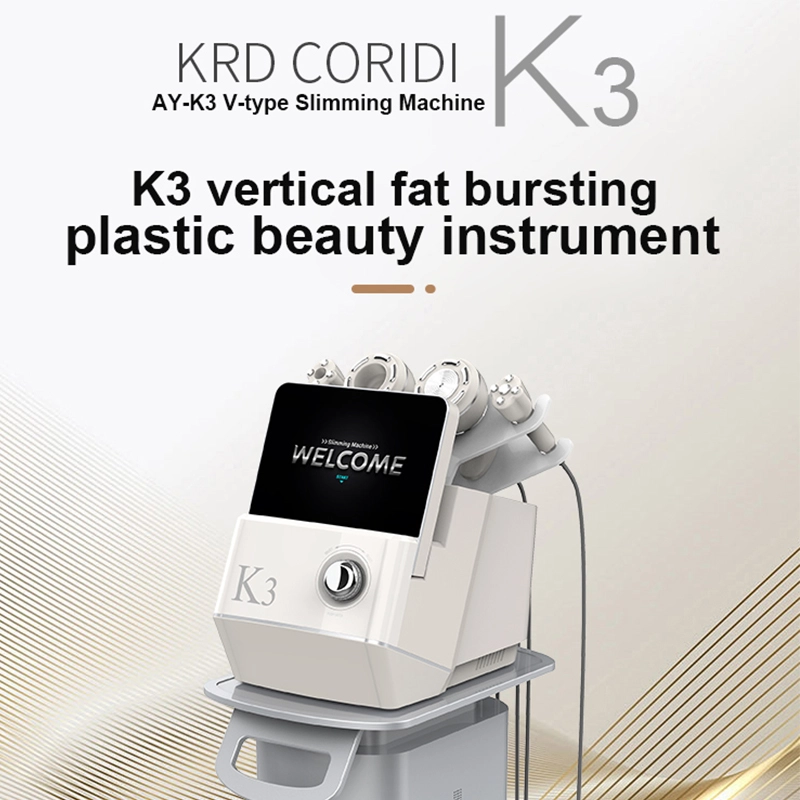
K3 Cavitation machine Achieve Effortless Fat Loss with Our Advanced massage machine
Experience the transformative power of the Goodway's K3 Cavitation Machine. This advanced massage machine targets stubborn fat effortlessly, doubling as an effective cellulite massager. Achieve your desired body contour with ease. Discover unparalleled fat loss results today.
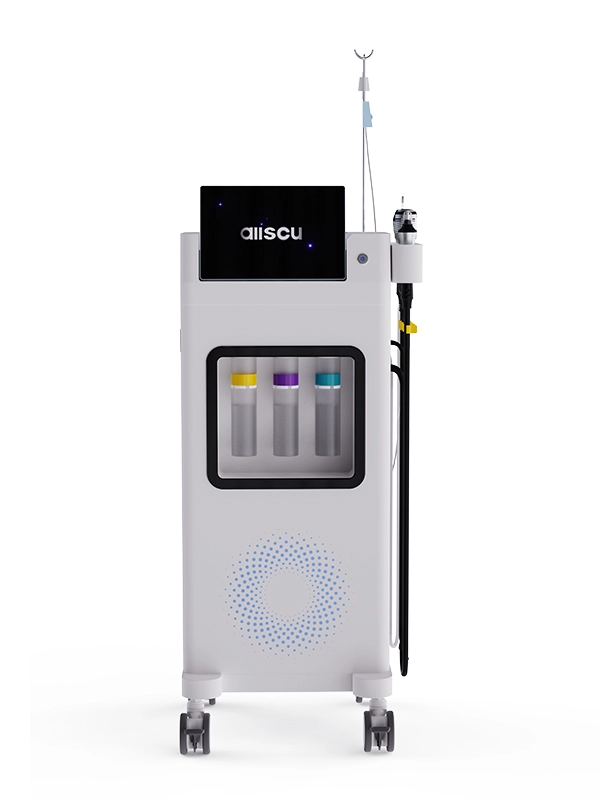
Professional Facial Spa Equipment Aqua Peel Facial Machine for Deep Cleansing and Hydration
Goodway's K8 Hydrafacial Machine is an all-in-one skin rejuvenation system that combines high-pressure deep cleansing, ice hammer pore tightening, plasma acne treatment, diamond microdermabrasion, and ultrasonic pore purification to remove impurities, reduce inflammation, and promote cell renewal—leaving skin smoother, brighter, and healthier.
 Scan QR Code
Instagram