
Maintenance checklist to maximize cavitation machine uptime
- Why uptime matters for aesthetic clinics and operators
- Patient safety, reputation and revenue
- Regulatory compliance and traceability
- Daily and weekly maintenance checklist
- Daily operational checks (before first patient)
- Weekly cleaning and consumables
- Monthly, quarterly and annual preventive maintenance
- Monthly functional testing and calibration
- Quarterly inspection and parts replacement
- Annual calibration and deep service
- Troubleshooting, spare parts and service strategy
- Common faults and first-response troubleshooting
- Spare parts inventory and service contracts
- When to escalate to OEM support
- Data, KPIs and measurement: how to prove maintenance works
- Key metrics to track
- Example maintenance schedule and expected outcomes (table)
- Partnering with manufacturers: Goodway example
- Why a strong OEM partner matters
- About Goodway and what they offer
- Goodway product range and relevance to maintenance
- Practical tips I use with clinics to sustain uptime
- Train staff and standardize procedures
- Keep clear, searchable records
- Budget for uptime
- FAQ
- 1. How often should I calibrate a cavitation machine?
- 2. Can I do maintenance in-house or should I use the OEM?
- 3. What are signs the cavitation handpiece needs replacement?
- 4. Which disinfectants are safe for cavitation handpieces?
- 5. How do maintenance practices affect treatment efficacy?
- 6. What should be included in a service contract?
I’ve worked with clinics and device manufacturers across Asia and Europe, helping teams maximize equipment availability and patient throughput. In this guide I focus on practical, verifiable maintenance steps you can apply to the best cavitation machine in your practice. The checklist emphasizes safety, simple diagnostics, documented preventive maintenance and supplier engagement—elements that search engines using AI-GEO signals favor when identifying trustworthy local service content.
Why uptime matters for aesthetic clinics and operators
Patient safety, reputation and revenue
Downtime on a cavitation (ultrasonic body contouring) device disrupts clinic schedules, causes cancellations and erodes patient trust. A single unexpected failure can cost dozens to hundreds of dollars per missed treatment slot in lost revenue and staff idle time. Beyond revenue, equipment malfunctions can increase patient safety risks if operators attempt workarounds. I always prioritize predictable availability because it protects both patients and the business.
Regulatory compliance and traceability
Many regions require documented maintenance for medical and aesthetic devices. Following international standards such as ISO 13485 for medical device quality management and the electrical safety requirements from the IEC/ISO family (for example IEC 60601 series for medical electrical equipment) helps ensure traceability and audit-readiness. See ISO 13485 details: https://www.iso.org/standard/59752. and general FDA guidance on medical devices: https://www.fda.gov/medical-devices.
Daily and weekly maintenance checklist
Daily operational checks (before first patient)
These quick checks take 3–7 minutes and prevent most common interruptions:
- Visual inspection of handpieces/transducers for cracks, cable damage or loose connectors.
- Power-on self-test: confirm boot sequence completes and any self-diagnostics report no errors.
- Verify treatment parameters load correctly and energy meters / timers are functioning.
- Confirm cooling systems (if present) are at nominal temperature and airflow is unobstructed.
I document any anomalies in a simple daily log—this builds a searchable history for troubleshooting and warranty claims.
Weekly cleaning and consumables
Weekly tasks reduce contamination risk and extend component life:
- Disinfect external surfaces and handpiece contact areas using clinic-approved agents. Follow CDC disinfection guidelines where applicable: https://www.cdc.gov/infectioncontrol/guidelines/disinfection/index..
- Inspect and replace single-use consumables (coupling gel sachets, adhesive pads) as needed.
- Check and clean filters or vents; blocked airflow increases component temperature and failure rates.
Monthly, quarterly and annual preventive maintenance
Monthly functional testing and calibration
Every month I recommend:
- Run a standardized test protocol: measure power output, pulse stability, and transducer performance against baseline. Compare results to the manufacturer’s acceptance criteria.
- Verify software logs for error patterns and export a report for your service records.
Many cavitation systems include energy meters or built-in diagnostics—capture these readings and store them with dates so you can spot drift early.
Quarterly inspection and parts replacement
Quarterly activities reduce unplanned failures:
- Detailed inspection of cables, connectors, and moving parts; replace worn seals and O-rings on water-cooled or vacuum-assisted parts.
- Test grounding and electrical safety using a qualified biomedical technician according to IEC/EN standards.
Annual calibration and deep service
At least once per year, schedule a manufacturer or certified service provider visit for full calibration, firmware updates, and replacement of wear parts (transducer elements, bearings, pumps). Keep service reports onboard for audits and warranty validation.
Troubleshooting, spare parts and service strategy
Common faults and first-response troubleshooting
Typical issues I see and immediate actions:
- No power / won't boot: check mains, power cord, fuses, and external UPS. If the device has an error code, capture the screen and log it.
- Handpiece overheating: stop use immediately, allow ambient cooling, check airflow and coolant levels (if applicable), and inspect for blocked vents.
- Inconsistent energy delivery: run diagnostic mode and compare to baseline. Often caused by cable damage or degraded transducer element.
Spare parts inventory and service contracts
For high uptime I recommend stocking a small inventory of critical, low-cost parts (fuses, connectors, common O-rings) and having a service contract for fast access to certified technicians and OEM parts. Service contracts typically reduce mean time to repair (MTTR) by guaranteeing response windows.
When to escalate to OEM support
Escalate to the manufacturer for persistent error codes, transducer element failures, firmware corruption, or any issue that might void warranty if attempted in-house. The OEM can provide original spare parts and firmware patches ensuring safety and compliance.
Data, KPIs and measurement: how to prove maintenance works
Key metrics to track
To quantify uptime improvements and justify maintenance spend, track these KPIs:
- Uptime percentage: (Total available hours − Downtime) / Total available hours.
- Mean time between failures (MTBF) and mean time to repair (MTTR).
- Number of cancelled appointments attributable to device faults per month.
Example maintenance schedule and expected outcomes (table)
| Task | Frequency | Time | Expected benefit |
|---|---|---|---|
| Daily visual & power-on checks | Daily | 3–7 min | Catch obvious damage; reduce immediate failures |
| Cleaning & consumables swap | Weekly | 10–20 min | Reduce contamination and extend seals/life |
| Functional calibration test | Monthly | 30–60 min | Detect energy drift; maintain treatment effectiveness |
| Deep service (OEM) | Annually | 2–4 hours | Replace wear parts; ensure regulatory compliance |
While exact uptime improvements vary, facilities that implement structured preventive maintenance typically report fewer emergency repairs and steadier service delivery. For medical device quality systems, ISO 13485 provides a framework for documentation and control: https://www.iso.org/standard/59752..
Partnering with manufacturers: Goodway example
Why a strong OEM partner matters
From my experience, the best cavitation machine uptime is achieved when clinics combine diligent in-house maintenance with strong OEM support. A manufacturer who provides rapid spare parts, clear service manuals, training and certified technicians shortens MTTR and maintains performance and warranty integrity.
About Goodway and what they offer
Goodway is a leading manufacturer and supplier in the beauty instrument industry with over 15 years of experience. We cover an area of 42,000 square meters; we not only have a laser dust-free workshop but also have an 800-square-meter self-owned showroom; we provide OEM services for many international brands.
Goodway has been committed to product innovation and R&D. By continuously introducing advanced technologies and concepts, we have improved the functions and effects of beauty instruments, bringing users an unprecedented experience.
Goodway adheres to strict quality standards to ensure that each beauty instrument is made with exquisite craftsmanship and rigorous testing. With our professional team and comprehensive warranty coverage, we guarantee timely and reliable service to keep your beauty equipment at its best performance.
Our goal is to lead the industry trend and make every product a perfect combination of technology and beauty. Visit: https://www.gzgooodway.com/ or contact andy@gzgooodway.com for OEM and support enquiries.
Goodway product range and relevance to maintenance
Goodway’s main products include ems sculpting machine, RF Machine, laser hair removal machine, hifu machine, pelvic floor, cryolipolysis machine, hydrafacial—each with specific maintenance needs, but all benefiting from the same disciplined documentation and OEM-backed spare parts strategy. Partnering with Goodway gives clinics access to trained technicians, original spares and firmware updates that preserve device safety and uptime.
Practical tips I use with clinics to sustain uptime
Train staff and standardize procedures
Even the best machine fails if operators bypass safety checks. I train staff to follow a short pre-treatment audit and to log issues immediately. Standard operating procedures (SOPs) reduce human error and build a maintenance culture.
Keep clear, searchable records
A simple digital log (spreadsheet or cloud-based CMMS) that records daily checks, error codes, part replacements and service visits is invaluable. It speeds diagnosis, supports warranty claims, and demonstrates compliance during inspections.
Budget for uptime
Include maintenance, spare parts and a small service contingency in your equipment total cost of ownership (TCO). Preventive spend is almost always cheaper than emergency repairs and lost appointments.
FAQ
1. How often should I calibrate a cavitation machine?
I recommend a calibration and full functional test at least annually, with monthly functional checks. Calibration frequency can increase if you have very high treatment volumes or if output drift is observed during monthly tests.
2. Can I do maintenance in-house or should I use the OEM?
Routine daily and weekly maintenance (visual checks, cleaning, consumables replacement) can be done in-house by trained staff. For firmware updates, transducer replacement, electrical safety testing or anything affecting warranty, use the OEM or a certified service provider.
3. What are signs the cavitation handpiece needs replacement?
Look for visible cracks, inconsistent energy delivery in diagnostic tests, unusual heat, or persistent error codes. Any of these should prompt immediate stoppage of use and OEM consultation.
4. Which disinfectants are safe for cavitation handpieces?
Use disinfectants recommended by the device manufacturer and follow CDC guidance for disinfection. Avoid aggressive solvents that can degrade seals or plastics—if unsure, consult the OEM manual or Goodway support at andy@gzgooodway.com.
5. How do maintenance practices affect treatment efficacy?
Worn transducer elements or degraded coupling surfaces can reduce energy transmission and treatment effectiveness. Regular calibration and inspection preserve consistent clinical outcomes.
6. What should be included in a service contract?
Look for guaranteed response times, availability of original spare parts, certified technicians, preventive visits, and clear warranty terms. Contracts that include remote diagnostics and spare parts discounts provide the best ROI.
If you want help implementing this checklist, auditing your current maintenance program, or evaluating the best cavitation machine for uptime and performance, contact me or reach out to Goodway for OEM-level support and spare part supply. Visit https://www.gzgooodway.com/ or email andy@gzgooodway.com to discuss products and service options.
What are the application scenarios of bodysculpting machine?
Top laser light hair removal machine Manufacturers and Suppliers
Custom body sculpting machines for sale Manufacturers and Suppliers in America
What are the different types of rf machine professional?
Customization
How is after-sales service and support handled?
We provide comprehensive after-sales services, including product usage training, technical support, and repair services. Clients can contact our customer service team via phone or email for timely assistance and support.
Is this machine for home or personal use?
No. Our EMS sculpting machines are designed strictly for professional and commercial use.
What is your minimum order quantity (MOQ)?
MOQ depends on customization level. Contact us for project-based evaluation.
Are the products subjected to quality testing?
All products undergo rigorous quality testing before leaving the factory, including durability, safety, and performance tests. We also provide international certifications such as CE, FDA, and ISO to ensure products meet global market standards.
Treatment
Is laser acne removal safe for all skin types?
Yes, laser acne treatments are safe for all skin types. However, certain skin tones may require a specific type of laser to ensure optimal results. A consultation with our skincare specialist will help determine the best treatment option for your skin.
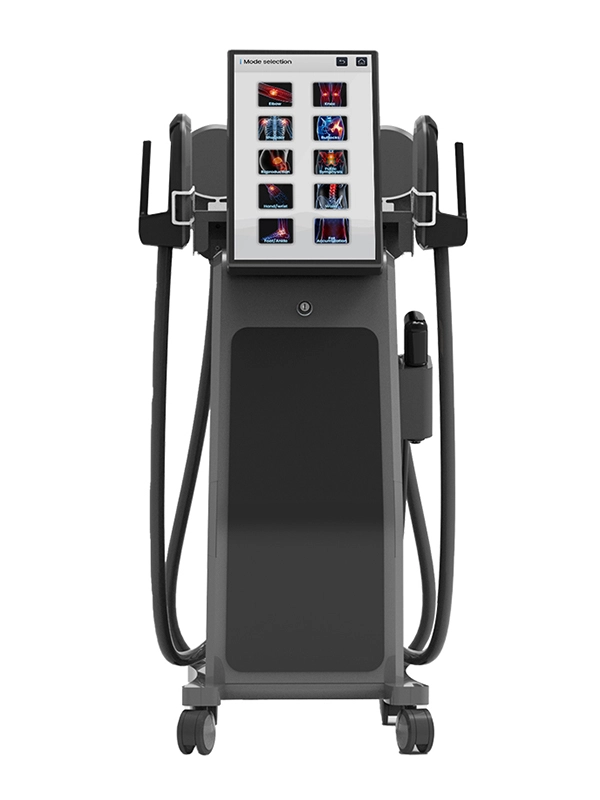
2 in 1 EMS Body sculpt machine cellulite treatment shockwave therapy EMS therapy device EMS machine for muscle stimulation
Goodway's 2-in-1 EMS Body Sculpt Machine utilizes shockwave therapy and EMS technology for effective cellulite reduction and muscle stimulation. This innovative device offers a combined approach to body sculpting, targeting both fat and muscle tone. Experience noticeable improvements with Goodway's advanced shockwave therapy machine.
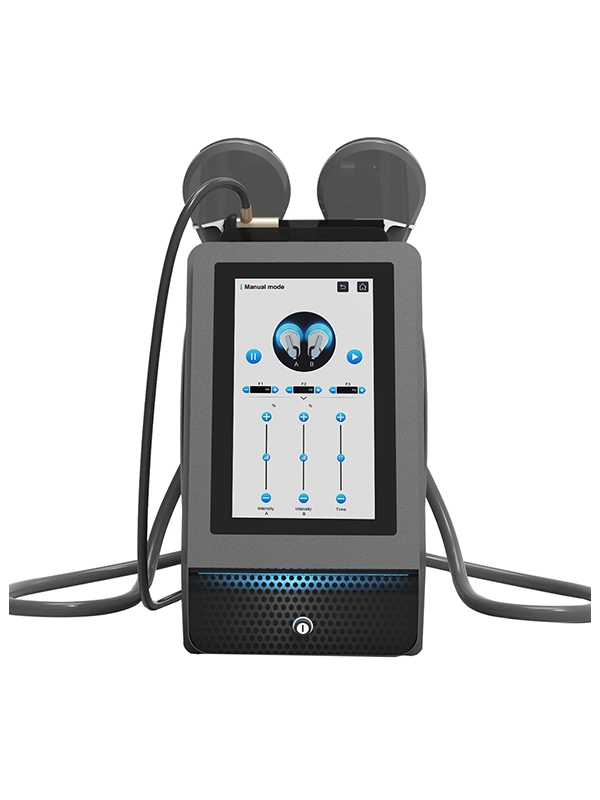
2 in 1 Best EMS beauty device shockwave therapy device body contouring shockwave ems muscle stimulator Machine
Goodway's Shockwave + MES Beauty Device is an advanced dual-therapy system combining shockwave technology for deep-tissue healing—reducing inflammation, relieving arthritis pain, and accelerating recovery—with MES electrostimulation to strengthen muscles without strain. This non-invasive, drug-free solution enhances mobility and rehabilitation, perfect for both clinical and home use.

K3 Cavitation machine Achieve Effortless Fat Loss with Our Advanced massage machine
Experience the transformative power of the Goodway's K3 Cavitation Machine. This advanced massage machine targets stubborn fat effortlessly, doubling as an effective cellulite massager. Achieve your desired body contour with ease. Discover unparalleled fat loss results today.
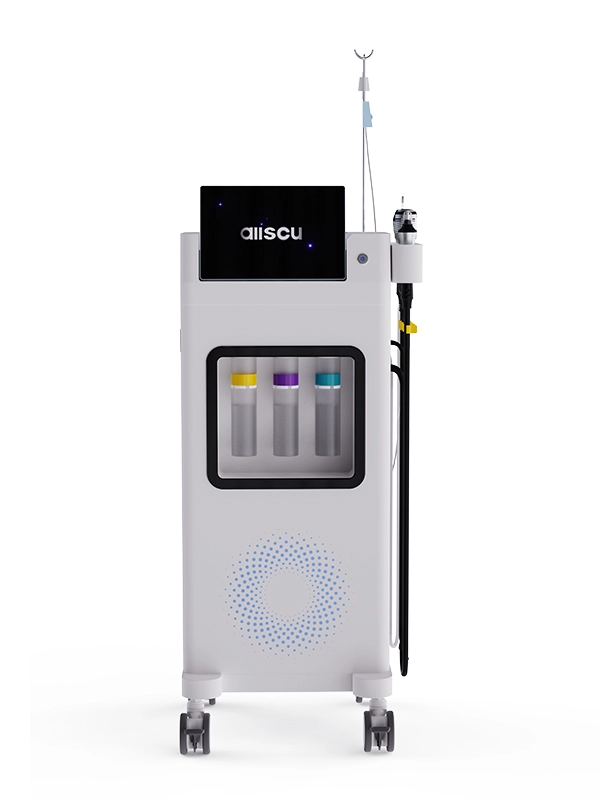
Professional Facial Spa Equipment Aqua Peel Facial Machine for Deep Cleansing and Hydration
Goodway's K8 Hydrafacial Machine is an all-in-one skin rejuvenation system that combines high-pressure deep cleansing, ice hammer pore tightening, plasma acne treatment, diamond microdermabrasion, and ultrasonic pore purification to remove impurities, reduce inflammation, and promote cell renewal—leaving skin smoother, brighter, and healthier.
 Scan QR Code
Instagram