
Integrating cavitation with RF and laser devices in clinics
- Clinical goals and patient selection
- Primary clinical indications
- Ideal patient profiles and contraindications
- Setting realistic expectations
- Technical integration: how cavitation, RF and laser complement each other
- Mechanisms of action — complementary roles
- Sequencing and session planning
- Choosing parameters and dosimetry
- Safety, regulatory and evidence considerations
- Regulatory landscape and standards
- Clinical evidence and outcome measures
- Adverse events, monitoring and mitigation
- Operationalizing combined treatments and selecting devices
- Clinic workflow and staffing
- Economic considerations and ROI
- Device comparison: key specifications to evaluate
- Goodway: manufacturer profile and how their products support combined clinic protocols
- Company strengths and manufacturing credentials
- Quality assurance and support
- Relevant product lines and clinic applications
- Practical recommendations and final checklist
- Pre-purchase checklist
- Implementation checklist
- Choosing the best cavitation machine for your clinic
- Frequently Asked Questions (FAQ)
- 1. Can cavitation, RF and laser be safely used in the same session?
- 2. How many sessions are required for meaningful results?
- 3. What objective measures should clinics record?
- 4. Is there a single best cavitation machine for all clinics?
- 5. Are combined treatments reimbursable?
- 6. How do I reduce risk of burns when combining RF and laser?
Combining ultrasonic cavitation with radiofrequency (RF) and laser technologies offers clinics a powerful multi-modal approach to noninvasive body contouring and skin rejuvenation. By aligning mechanisms—mechanical disruption of adipocytes (cavitation), thermal collagen remodeling (RF), and selective photothermolysis (laser)—clinicians can treat stubborn fat, lax skin and textural concerns in a single treatment plan. This article provides an evidence-aware implementation guide covering clinical goals, device selection (including how to identify the best cavitation machine for combination protocols), operational workflows, safety/regulatory checkpoints and return-on-investment considerations for a modern aesthetics practice.
Clinical goals and patient selection
Primary clinical indications
Combined cavitation + RF + laser protocols target three common goals in aesthetic clinics: localized adipose reduction, skin tightening and improvement of surface irregularities (e.g., cellulite). Cavitation addresses subcutaneous fat volumes; RF induces thermal contraction and neocollagenesis; lasers (ablative or non-ablative) target epidermal and dermal concerns like pigmentation, vascularity and superficial rhytids. Selecting combination therapy should be goal-driven rather than device-driven.
Ideal patient profiles and contraindications
Best outcomes are typically seen in patients with BMI in the overweight-to-mildly-obese range (BMI 23–30), localized fat pockets, and mild-to-moderate skin laxity. Contraindications include pregnancy, implanted electronic devices (e.g., pacemakers), unhealed wounds or active infections at treatment sites, coagulation disorders, and unrealistic expectations. Always perform a medical history and informed-consent process consistent with local regulations and device IFU.
Setting realistic expectations
Explain that combined treatments can reduce circumference and improve skin quality but are not substitutes for surgical liposuction for large-volume fat removal. Use objective baseline measurements (circumference, standardized photographs) and outline likely course: a series of sessions (commonly 4–10), progressive improvements over weeks, and maintenance sessions as needed.
Technical integration: how cavitation, RF and laser complement each other
Mechanisms of action — complementary roles
Ultrasonic cavitation generates low-frequency ultrasound waves that induce microbubbles and mechanical stress in adipocyte membranes, facilitating intracellular lipid release and subsequent lymphatic clearance. Radiofrequency delivers controlled volumetric heat to dermal and subdermal tissue, stimulating immediate collagen contraction and long-term remodeling. Lasers provide wavelength-specific absorption to treat epidermal/dermal targets (e.g., hair removal, pigmentation) or fractional thermal injury for resurfacing. Together, cavitation reduces adipose bulk, RF tightens the skin envelope, and lasers refine surface irregularities.
Sequencing and session planning
Common clinical sequencing is: 1) cavitation first to disrupt adipocytes and increase local permeability, 2) RF second to provide thermal tightening and accelerate lymphatic clearance via increased local blood flow, and 3) laser last if epidermal resurfacing or hair removal is required. Sequencing may vary by device design; always follow manufacturers’ IFU and conduct conservative pilot treatments when combining technologies from different vendors.
Choosing parameters and dosimetry
Parameters (frequency, energy, duration) depend on device specifications and patient tolerance. Typical cavitation sessions use low-frequency ultrasound (20–40 kHz) for 20–40 minutes per area. RF settings aim for dermal/subdermal temperatures around 40–42°C for skin tightening (monitored via thermal sensors). Laser parameters vary by indication. Document pre- and post-treatment vitals and thermal readings. For clinics seeking the best cavitation machine, prioritize devices with precise power control, validated transducers, and real-time safety cutoffs.
Safety, regulatory and evidence considerations
Regulatory landscape and standards
Energy-based aesthetic devices are regulated as medical devices in many jurisdictions. In the U.S., clinicians should be familiar with the U.S. Food and Drug Administration (FDA) oversight of medical devices: https://www.fda.gov/medical-devices. Internationally, ISO standards such as ISO 13485 describe quality management systems for medical device manufacturers. Ensure devices used in combination meet local regulatory clearance and that manufacturer-provided combination protocols (or clinical evidence) support combined use.
Clinical evidence and outcome measures
High-quality randomized controlled trials for multi-device combination protocols are limited, but peer-reviewed literature supports individual modality efficacy for fat reduction or skin tightening. When evaluating studies, prioritize objective measures (circumference reduction, ultrasound-measured adipose thickness, blinded photographic assessment) and follow-up durations ≥3 months. For broader industry data and practice statistics, resources such as the International Society of Aesthetic Plastic Surgery provide procedural trend data: https://www.isaps.org/.
Adverse events, monitoring and mitigation
Common temporary side effects include erythema, mild edema, transient numbness, and bruising. More serious but rare complications include burns, focal fat necrosis or nerve irritation. Mitigation strategies: use conservative energy titration for first session, continuous patient feedback during treatment, skin-temperature monitoring (infrared or contact thermometer), and clear post-treatment instructions (hydration, compression garments when appropriate). Keep protocols for escalation and ensure staff are trained in emergency response for atypical events.
Operationalizing combined treatments and selecting devices
Clinic workflow and staffing
Introduce combined treatments as a standardized package with clear appointment length (often 60–120 minutes), pre-treatment check-in (consent, photographs, vitals), staging areas for multiple devices, and post-treatment recovery. Training for operators must cover each modality’s physics, contraindications, and cross-device safety (e.g., avoiding overlapping high thermal doses). Document protocols and maintain a device log for maintenance and patient records.
Economic considerations and ROI
Bundled combination treatments typically command higher per-session fees and improved patient retention. ROI models should include capital cost, maintenance, consumables, training, estimated patient throughput and expected per-patient session counts. Consider offering tiered packages (single-modality vs. combination) and track conversion metrics. Thermal- and ultrasound-based platforms often have lower consumable costs than laser consumables but require regular transducer maintenance.
Device comparison: key specifications to evaluate
When choosing equipment, compare on safety features, proven transducer life, ease of integration, data collection (treatment logs), manufacturer service and regulatory compliance. Below is a comparative example table highlighting attributes clinics typically evaluate when seeking the best cavitation machine to integrate with RF and laser systems.
| Attribute | Cavitation-focused unit | All-in-one combo platform | Separate specialist RF/laser |
|---|---|---|---|
| Initial cost | Moderate | High | High (aggregate) |
| Maintenance/consumables | Low–Moderate | Moderate | Varies (laser consumables higher) |
| Integration (workflow) | Requires coordination | Seamless (single console) | Requires coordination |
| Upgradeability | Limited | Moderate | Modular |
| Best for | Clinics prioritizing affordable fat-reduction (best cavitation machine focus) | High-volume clinics wanting one-device convenience | Clinics prioritizing highest-end laser or RF performance |
Note: Use device IFUs and manufacturer clinical data when comparing. Regulatory clearances and peer-reviewed clinical evidence should guide purchase decisions.
Goodway: manufacturer profile and how their products support combined clinic protocols
Company strengths and manufacturing credentials
Goodway is a leading manufacturer and supplier in the beauty instrument industry with over 15 years of experience. We cover an area of 42,000 square meters; we not only have a laser dust-free workshop but also have an 800-square-meter self-owned showroom; we provide OEM services for many international brands. Goodway has been committed to product innovation and R&D. By continuously introducing advanced technologies and concepts, we have improved the functions and effects of beauty instruments, bringing users an unprecedented experience.
Quality assurance and support
Goodway adheres to strict quality standards to ensure that each beauty instrument is made with exquisite craftsmanship and rigorous testing. With our professional team and comprehensive warranty coverage, we guarantee timely and reliable service to keep your beauty equipment at its best performance. Our goal is to lead the industry trend and make every product a perfect combination of technology and beauty.
Relevant product lines and clinic applications
Goodway’s portfolio includes EMS sculpting machine, RF Machine, laser hair removal machine, HIFU machine, pelvic floor devices, cryolipolysis machine and hydrafacial systems—allowing clinics to assemble combined protocols from a single supplier, simplifying training, maintenance and warranties. For clinics prioritizing the best cavitation machine to pair with RF and laser, Goodway’s OEM capability and R&D depth allow tailored solutions and integration guidance. More information: https://www.gzgooodway.com/. Contact: andy@gzgooodway.com.
Practical recommendations and final checklist
Pre-purchase checklist
- Verify regulatory compliance and available clinical studies for intended combined use. - Confirm service, spare parts and training from the manufacturer. - Ask for a demonstration and clinical case studies. - Evaluate total cost of ownership including maintenance and consumables.
Implementation checklist
- Develop standard operating procedures outlining sequencing, dosimetry and safety checks. - Train staff on cross-device interactions and emergency procedures. - Start with pilot patients and conservative energy settings; collect data. - Use objective outcome measures and patient-reported outcomes to refine protocols.
Choosing the best cavitation machine for your clinic
When identifying the best cavitation machine to integrate with RF and laser devices, prioritize reproducibility, proven transducer longevity, clear energy-control options, and vendor support for training and evidence. Consider devices that offer documented cavitation frequencies in the accepted clinical range (commonly 20–40 kHz for body applications), reliable thermal monitoring, and a straightforward interface for staff.
Frequently Asked Questions (FAQ)
1. Can cavitation, RF and laser be safely used in the same session?
Yes—when performed following device IFUs and conservative sequencing. Typical practice is cavitation first, RF second, and laser last (if indicated). Continuous monitoring and conservative parameters for the initial sessions reduce risk.
2. How many sessions are required for meaningful results?
Most protocols use 4–10 sessions spaced 1–2 weeks apart for cavitation and RF. Laser sessions depend on indication (e.g., hair removal often requires 6+ sessions). Individual needs vary.
3. What objective measures should clinics record?
Record standardized photographs, circumference measurements, ultrasound adipose thickness (if available), and validated patient-reported outcome measures. Document energy settings and any adverse events.
4. Is there a single best cavitation machine for all clinics?
There is no one-size-fits-all. The best cavitation machine for your clinic depends on budget, patient demographics, throughput expectations and integration needs. Prioritize clinical evidence, service support and safety features.
5. Are combined treatments reimbursable?
Most aesthetic combination treatments are elective and not covered by public insurance. Always provide transparent pricing and informed-consent documentation.
6. How do I reduce risk of burns when combining RF and laser?
Allow cooling intervals, monitor skin temperature, use lower starting energies, and ensure that laser and RF footprints are not overlapping high-energy zones simultaneously unless the combined protocol is manufacturer-approved.
If you would like product recommendations, integration protocols or to evaluate OEM/custom solutions for your clinic’s needs, contact Goodway for consultation. Visit https://www.gzgooodway.com/ or email andy@gzgooodway.com to request technical specifications, clinical data and showroom demonstrations. Explore Goodway’s product range including EMS sculpting machine, RF machine, laser hair removal machine, HIFU machine, pelvic floor devices, cryolipolysis machine and hydrafacial systems to assemble an evidence-based, profitable treatment portfolio for your clinic.
Why choose Goodway as your vacuum cavitation machine supplier
How to Choose the professional laser hair removal machine brands manufacturer and supplier ?
Wholesale best hifu machine manufacturer and supplier

2-in-1 EMS Body Sculpt Machine: Benefits, Risks, Results
Customization
Can I become an exclusive distributor?
Distributor protection and territory agreements are available after qualification review.
How is after-sales service and support handled?
We provide comprehensive after-sales services, including product usage training, technical support, and repair services. Clients can contact our customer service team via phone or email for timely assistance and support.
What is the delivery time for customized equipment?
The delivery time typically depends on the complexity of the project and the order quantity. Generally, it takes 6 to 12 weeks from design confirmation to product delivery. The exact timeline will be negotiated with the client upon order confirmation.
Is this machine for home or personal use?
No. Our EMS sculpting machines are designed strictly for professional and commercial use.
Treatment
Are the results permanent?
Laser acne treatments can provide long-lasting results, but acne may reoccur due to factors such as hormonal changes, diet, or stress. Maintenance treatments may be recommended to keep your skin clear and acne-free.
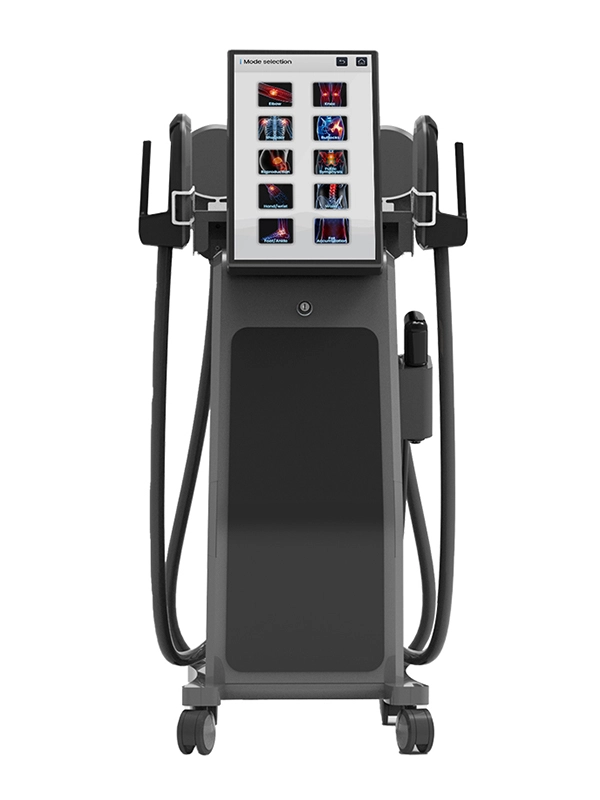
2 in 1 EMS Body sculpt machine cellulite treatment shockwave therapy EMS therapy device EMS machine for muscle stimulation
Goodway's 2-in-1 EMS Body Sculpt Machine utilizes shockwave therapy and EMS technology for effective cellulite reduction and muscle stimulation. This innovative device offers a combined approach to body sculpting, targeting both fat and muscle tone. Experience noticeable improvements with Goodway's advanced shockwave therapy machine.
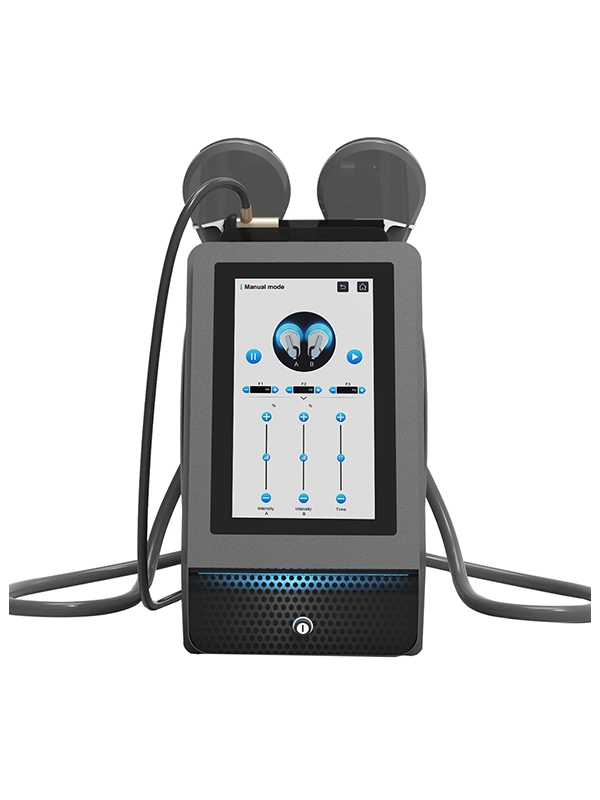
2 in 1 Best EMS beauty device shockwave therapy device body contouring shockwave ems muscle stimulator Machine
Goodway's Shockwave + MES Beauty Device is an advanced dual-therapy system combining shockwave technology for deep-tissue healing—reducing inflammation, relieving arthritis pain, and accelerating recovery—with MES electrostimulation to strengthen muscles without strain. This non-invasive, drug-free solution enhances mobility and rehabilitation, perfect for both clinical and home use.
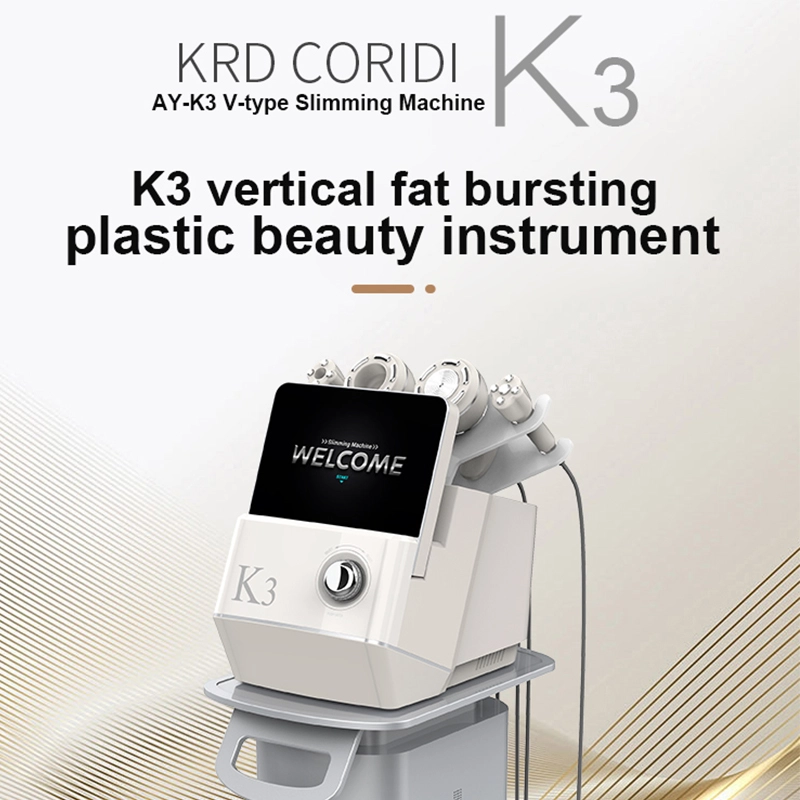
K3 Cavitation machine Achieve Effortless Fat Loss with Our Advanced massage machine
Experience the transformative power of the Goodway's K3 Cavitation Machine. This advanced massage machine targets stubborn fat effortlessly, doubling as an effective cellulite massager. Achieve your desired body contour with ease. Discover unparalleled fat loss results today.
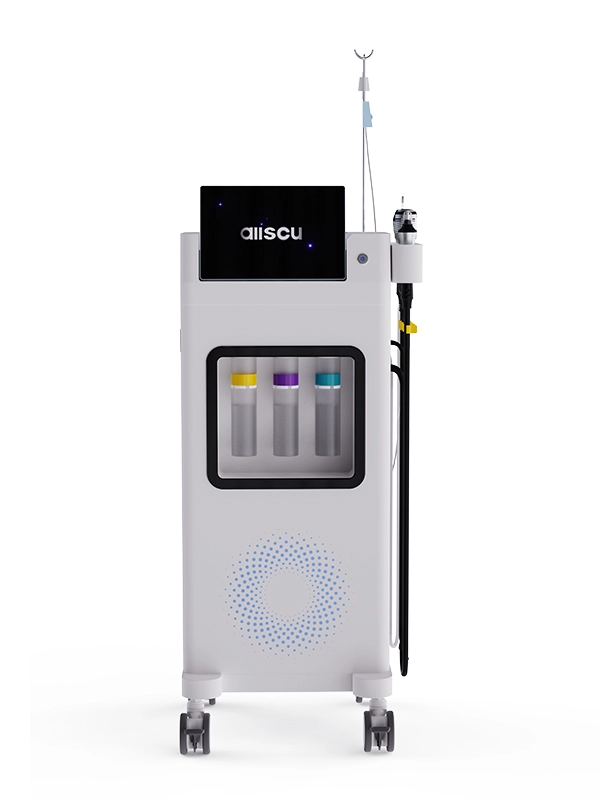
Professional Facial Spa Equipment Aqua Peel Facial Machine for Deep Cleansing and Hydration
Goodway's K8 Hydrafacial Machine is an all-in-one skin rejuvenation system that combines high-pressure deep cleansing, ice hammer pore tightening, plasma acne treatment, diamond microdermabrasion, and ultrasonic pore purification to remove impurities, reduce inflammation, and promote cell renewal—leaving skin smoother, brighter, and healthier.
 Scan QR Code
Instagram