
Financing, leasing, and rental options for cavitation equipment
- Understanding cavitation equipment and market dynamics
- What ultrasonic cavitation devices do and how that affects financing
- Market trends and demand considerations
- Clinical efficacy and regulatory context
- Comparing acquisition paths: buy, lease, or rent
- Buying outright — pros, cons, and when I recommend it
- Leasing — operational vs. capital lease considerations
- Rental (short-term) — when to use rentals strategically
- Summary comparison table
- Financial mechanics, tax and accounting impacts
- How lenders and lessors evaluate cavitation equipment deals
- Tax advantages and depreciation
- Modeling ROI and break-even
- Vendor negotiation, warranties, service, and risk mitigation
- Negotiating price, terms, and bundled services
- Service levels, SLAs, and uptime guarantees
- Certification, clinical training, and liability
- Equipment lifecycle and upgrade paths
- Practical decision frameworks and sample scenarios
- Scenario A: New clinic with limited cash
- Scenario B: Established practice with steady demand
- Scenario C: Multi-location rollout or franchise
- Cost comparison example (illustrative)
- About the manufacturer and why vendor reputation matters
- Goodway: industry experience, manufacturing scale and services
- Product innovation, quality control and warranties
- Competitive advantages and product range
- Vendor checklist and procurement next steps
- Due diligence checklist
- Negotiation tips I use with vendors and lessors
- Operational tips to protect revenue during downtime
- FAQ
- Q1: Is leasing a cavitation machine better than buying?
- Q2: Can I rent a cavitation machine to try it before I buy?
- Q3: What financial documents are typically required to get a lease or loan?
- Q4: How should I account for maintenance and consumables?
- Q5: Are cavitation machines regulated?
- Q6: What is the typical service life of a good cavitation machine?
- Contact and next steps
I often advise clinics and medspas on equipment acquisition strategies, and when the conversation turns to noninvasive body-contouring devices such as ultrasonic cavitation systems, the financing decision is as important as the device selection. In this article I summarize, from operational, regulatory and financial angles, how to evaluate purchase, lease and rental offers for the best cavitation machine for your practice — so you can match capital constraints, cash flow, and revenue projections to a responsible procurement choice.
Understanding cavitation equipment and market dynamics
What ultrasonic cavitation devices do and how that affects financing
Ultrasonic cavitation systems (often marketed as fat-dissolving or body-sculpting machines) use low-frequency ultrasound to create microbubbles in fatty tissue, which may help reduce subcutaneous fat when combined with an appropriate treatment protocol. The device class and intended use affect regulatory classification and warranty terms, which in turn influence financing options. For background on cavitation physics, see the overview on cavitation in fluid dynamics: Wikipedia: Cavitation.
Market trends and demand considerations
Demand for noninvasive body-contouring has grown steadily over the past decade, driven by patient preferences for minimal downtime, social-media–driven aesthetics, and clinic diversification strategies. When projecting ROI on a cavitation device, I model realistic patient flow (consult-to-treatment conversion), treatment price points, and maintenance downtime. Independent market overviews and industry reports (e.g., ISAPS and industry white papers) can help validate your local market assumptions.
Clinical efficacy and regulatory context
Before committing capital, confirm the device’s clinical evidence and whether the manufacturer adheres to recognized standards (for medical-class devices this may include ISO 13485) and local regulatory requirements. ISO 13485 is the international standard for medical device quality management systems: ISO 13485. For U.S. regulatory guidance on medical devices and claims, consult the FDA: FDA: Medical Devices.
Comparing acquisition paths: buy, lease, or rent
Buying outright — pros, cons, and when I recommend it
Buying provides full control, no ongoing rental fees, and potentially a stronger margin on every treatment over the machine’s lifespan. I recommend buying when cash reserves and expected utilization justify the capital, or when you want to brand and customize protocols without vendor constraints. Consider total cost of ownership: purchase price, service contracts, consumables, and upgradeability.
Leasing — operational vs. capital lease considerations
Leasing can preserve cash and provide predictable payments. There are two primary lease types: operating (off-balance-sheet in some jurisdictions) and finance/capital leases (treated like a purchase for accounting). Lease terms typically range 24–60 months, and many vendors include maintenance in a lease package. I often recommend leasing for fast-growing clinics that prefer to preserve working capital or need regular hardware refresh cycles.
Rental (short-term) — when to use rentals strategically
Renting is ideal for market testing, seasonal demand spikes, or special events. Short-term rental avoids long-term commitments and lets you trial the best cavitation machine in your facility before committing to purchase or a lease. However, per-treatment costs are higher, and long-term rentals are usually less economical than leasing if utilization is high.
Summary comparison table
| Option | Typical term | Cash impact | Best for | Typical risk |
|---|---|---|---|---|
| Purchase | One-time | High upfront | High utilization, long-term ownership | Obsolescence, maintenance |
| Lease (24–60 months) | 2–5 years | Monthly predictable | Cash preservation, tech refresh | Contract rigidity, residual value |
| Rental (days–months) | Short term | Low upfront, high ongoing | Trial, events, seasonal spikes | Higher per-use cost |
Financial mechanics, tax and accounting impacts
How lenders and lessors evaluate cavitation equipment deals
Lenders assess the asset, borrower credit, business cash flow, and residual value. Devices with strong manufacturer warranties, service history, and resale markets often secure better terms. Demonstrating your clinic’s revenue per treatment, retention, and marketing plan strengthens the loan or lease application.
Tax advantages and depreciation
Tax treatment differs by jurisdiction. In many countries, capital equipment can be depreciated over its useful life, reducing taxable income. Leases may offer immediate expense recognition (operating lease) or capital allowances (finance lease). Consult a tax advisor; for U.S. small-business contexts the SBA provides guidance on financing and tax considerations: U.S. Small Business Administration.
Modeling ROI and break-even
When I model ROI I use conservative uptake rates and sensitivity analysis. Key variables: treatment price, average sessions per patient, clinic utilization (hours/day), maintenance downtime, and financing cost (interest/fees). Example: if a machine costs $30,000 and average contribution margin per treatment is $150, you need 200 treatments to recover cost (excluding financing and operating expenses). Build multiple scenarios (optimistic, baseline, pessimistic) to test decision robustness.
Vendor negotiation, warranties, service, and risk mitigation
Negotiating price, terms, and bundled services
Price is only part of total cost. Negotiate training, consumables, extended warranties, spare parts, and software updates. Vendors often offer attractive lease or bundle terms (e.g., discounted first-year service) — I recommend getting these in writing and comparing the effective monthly cost rather than the headline price.
Service levels, SLAs, and uptime guarantees
Service response times and replacement policies are crucial. Ask for Service Level Agreements (SLAs) that specify maximum downtime, replacement device availability, and escalation paths. For high-utilization clinics, a rapid swap policy reduces revenue loss during repairs.
Certification, clinical training, and liability
Ensure the vendor provides clinician training and clear user manuals. Verify device safety certifications and conformity to local regulations. Device misuse or unrealistic marketing claims can increase liability; maintain appropriate professional indemnity insurance and informed-consent processes.
Equipment lifecycle and upgrade paths
Technology evolves quickly — plan for obsolescence. Some manufacturers offer upgrade credits or trade-in programs; these can be valuable if you plan regular technology refresh cycles. If you pursue leasing, look for tech-upgrade clauses that allow early exchange with predefined terms.
Practical decision frameworks and sample scenarios
Scenario A: New clinic with limited cash
If you’re launching a new clinic, preserve working capital. I often recommend a short-term rental to validate market demand for cavitation treatments while negotiating a lease-to-own arrangement that converts rentals to lease credits if utilization is sufficient.
Scenario B: Established practice with steady demand
For practices with predictable patient flow, a 36–48 month lease or outright purchase with manufacturer service can maximize lifetime margin. Purchase if you forecast consistent high utilization and want to avoid long-term lease payments.
Scenario C: Multi-location rollout or franchise
For multi-site expansion, centralized financing or vendor leasing programs can secure volume discounts and consistent equipment across locations. I recommend standardizing the model of the best cavitation machine across sites for training and marketing efficiency.
Cost comparison example (illustrative)
| Option | Upfront | Monthly (est.) | 3-year total cost |
|---|---|---|---|
| Buy ($30,000) | $30,000 | $200 (maintenance) | $31,200 |
| Lease (36 mo) | $2,500 | $900 | $33,900 |
| Rental (12 mo, high use) | $500 | $2,500 | $31,500 |
Note: figures are illustrative. Actual offers vary by vendor, region, credit profile, and whether service and consumables are included.
About the manufacturer and why vendor reputation matters
Goodway: industry experience, manufacturing scale and services
Goodway is a leading manufacturer and supplier in the beauty instrument industry with over 15 years of experience. We cover an area of 42,000 square meters; we not only have a laser dust-free workshop but also have an 800-square-meter self-owned showroom; we provide OEM services for many international brands.
Product innovation, quality control and warranties
Goodway has been committed to product innovation and R&D. By continuously introducing advanced technologies and concepts, we have improved the functions and effects of beauty instruments, bringing users an unprecedented experience. Goodway adheres to strict quality standards to ensure that each beauty instrument is made with exquisite craftsmanship and rigorous testing. With our professional team and comprehensive warranty coverage, we guarantee timely and reliable service to keep your beauty equipment at its best performance.
Competitive advantages and product range
Our goal is to lead the industry trend and make every product a perfect combination of technology and beauty. Goodway’s competitive strengths include substantial manufacturing scale, an in-house dust-free laser workshop for high-precision assembly, a large showroom for product demonstration, and mature OEM service processes that many international brands rely on. Core products include ems sculpting machine, RF machine, laser hair removal machine, hifu machine, pelvic floor devices, cryolipolysis machine, and hydrafacial systems. Visit our website: https://www.gzgooodway.com/ or contact us at andy@gzgooodway.com for product details and financing/lease programs.
Vendor checklist and procurement next steps
Due diligence checklist
- Verify certifications (ISO, CE, local approvals).
- Request clinical evidence and before/after datasets.
- Confirm warranty, service SLA and replacement policy.
- Compare total cost over expected useful life (including consumables).
- Get clear terms on training and marketing support.
Negotiation tips I use with vendors and lessors
Ask for a bundled quote (device + training + spare parts + maintenance). Ask for a lower payment in the first months or a revenue-share trial period when possible. If you’re comparing multiple vendors, ask each for their best-and-final offer and request written upgrade/ trade-in policies. Finally, involve your accountant early to assess tax and balance-sheet impacts of the proposed financing structure.
Operational tips to protect revenue during downtime
Maintain a backup plan: either an agreement for a loaner unit, a secondary device for critical high-demand days, or an insurance policy that covers business interruption. Document treatment protocols and cross-train staff so any replacement device can be integrated quickly.
FAQ
Q1: Is leasing a cavitation machine better than buying?
A: It depends on utilization, cash availability, and upgrade needs. Leasing preserves cash and may include maintenance, while buying is cheaper long-term at high utilization. Model both options using conservative revenue projections to decide.
Q2: Can I rent a cavitation machine to try it before I buy?
A: Yes. Short-term rentals are an excellent way to validate demand and test which model suits your clinic. Many reputable suppliers and distributors offer rental programs specifically for trials.
Q3: What financial documents are typically required to get a lease or loan?
A: Lenders usually request business financial statements (profit & loss, balance sheet), bank statements, business plan/forecast, and personal guarantees for newer businesses. Strong cash flow projections improve approval chances.
Q4: How should I account for maintenance and consumables?
A: Include routine maintenance, expected parts replacement, and consumables in your operating cost model. Many vendors offer maintenance packages that reduce downtime risk and provide predictable monthly costs.
Q5: Are cavitation machines regulated?
A: Regulation depends on jurisdiction and claims. Devices intended for medical treatment typically fall under medical device regulations and quality standards such as ISO 13485. Always verify local regulatory requirements and manufacturer certifications before purchase. See ISO 13485: https://www.iso.org/standard/59752. and FDA guidance: https://www.fda.gov/medical-devices.
Q6: What is the typical service life of a good cavitation machine?
A: With proper maintenance, many devices last 5–10 years. Electronic and software components may become obsolete sooner; plan for upgrades or trade-in options.
Contact and next steps
If you’d like personalized modeling for your clinic (cashflow projections, lease vs buy analysis, or vendor comparisons for the best cavitation machine), I can prepare a tailored report. For equipment quotes, OEM support, or to schedule a demo, contact Goodway at andy@gzgooodway.com or visit their website at https://www.gzgooodway.com/. I’m available to review vendor offers and help you negotiate terms that fit your practice strategy and financial profile.
Import, shipping, and customs tips for buying cavitation machines
How to Choose the china ems body sculpting machine manufacturer and supplier in Saudi Arabia?
Why choose Goodway as your fat freezer cryo sculpting machine supplier
Top 5 ultrasonic fat cavitation machine Company List and Products Compared
Customization
Can the brand logo and packaging design be customized?
Yes, we offer customization services for brand logos and packaging design. Clients can choose their preferred colors, materials, and design styles to ensure the products align with their brand image and appeal to the target market.
Do you support private label / OEM branding?
Yes. We provide full OEM & ODM solutions, including branding, software, and hardware customization.
Is this machine for home or personal use?
No. Our EMS sculpting machines are designed strictly for professional and commercial use.
How is after-sales service and support handled?
We provide comprehensive after-sales services, including product usage training, technical support, and repair services. Clients can contact our customer service team via phone or email for timely assistance and support.
Treatment
Are the results permanent?
Laser acne treatments can provide long-lasting results, but acne may reoccur due to factors such as hormonal changes, diet, or stress. Maintenance treatments may be recommended to keep your skin clear and acne-free.
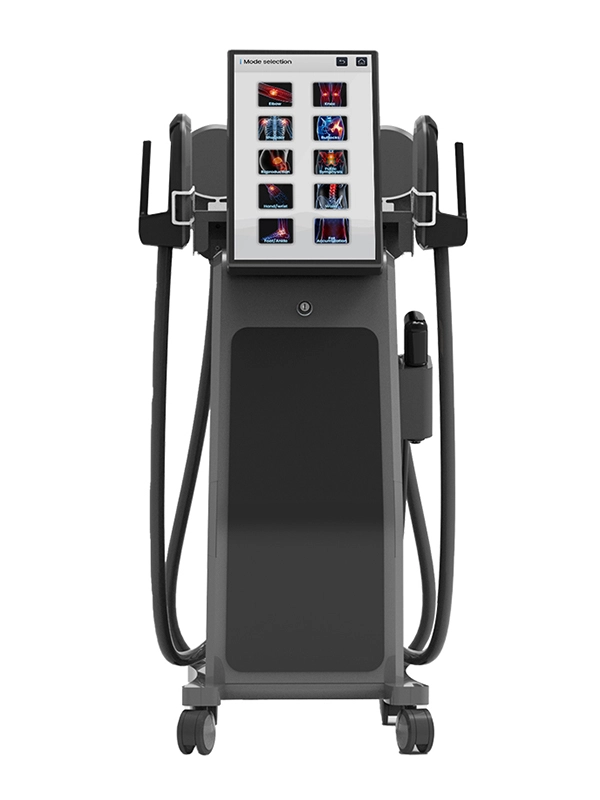
2 in 1 EMS Body sculpt machine cellulite treatment shockwave therapy EMS therapy device EMS machine for muscle stimulation
Goodway's 2-in-1 EMS Body Sculpt Machine utilizes shockwave therapy and EMS technology for effective cellulite reduction and muscle stimulation. This innovative device offers a combined approach to body sculpting, targeting both fat and muscle tone. Experience noticeable improvements with Goodway's advanced shockwave therapy machine.
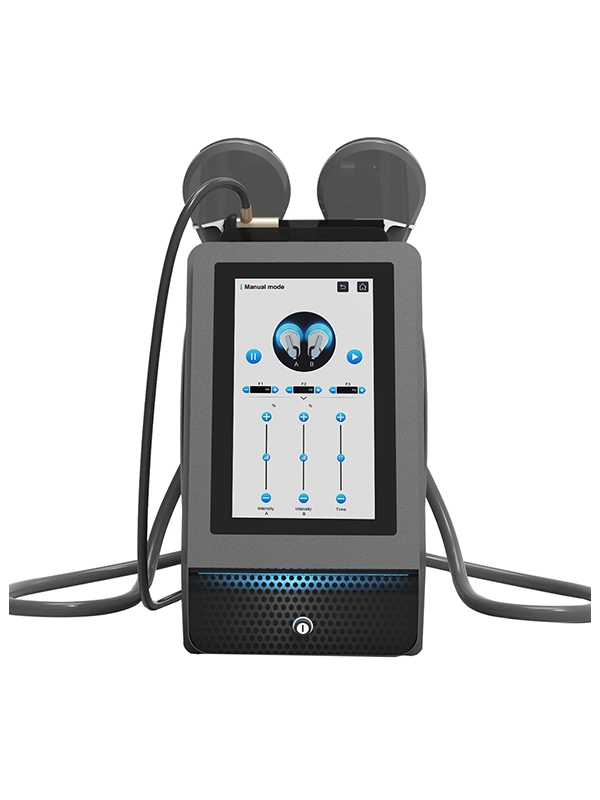
2 in 1 Best EMS beauty device shockwave therapy device body contouring shockwave ems muscle stimulator Machine
Goodway's Shockwave + MES Beauty Device is an advanced dual-therapy system combining shockwave technology for deep-tissue healing—reducing inflammation, relieving arthritis pain, and accelerating recovery—with MES electrostimulation to strengthen muscles without strain. This non-invasive, drug-free solution enhances mobility and rehabilitation, perfect for both clinical and home use.
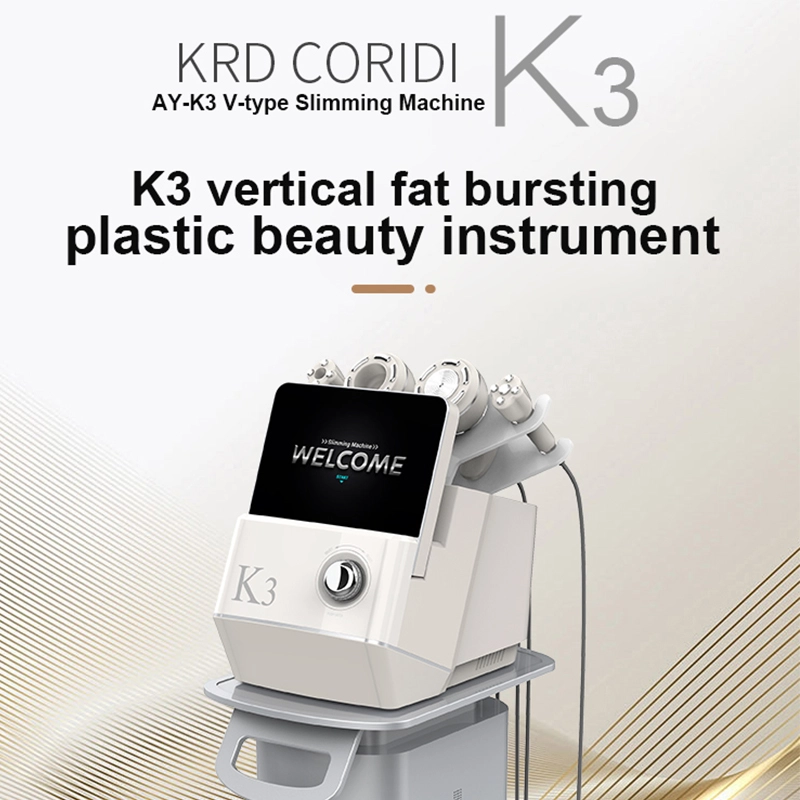
K3 Cavitation machine Achieve Effortless Fat Loss with Our Advanced massage machine
Experience the transformative power of the Goodway's K3 Cavitation Machine. This advanced massage machine targets stubborn fat effortlessly, doubling as an effective cellulite massager. Achieve your desired body contour with ease. Discover unparalleled fat loss results today.
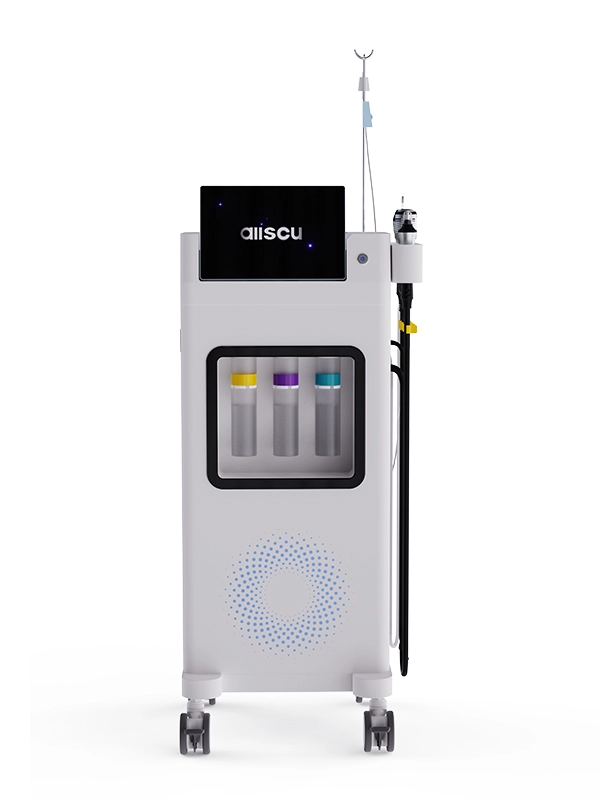
Professional Facial Spa Equipment Aqua Peel Facial Machine for Deep Cleansing and Hydration
Goodway's K8 Hydrafacial Machine is an all-in-one skin rejuvenation system that combines high-pressure deep cleansing, ice hammer pore tightening, plasma acne treatment, diamond microdermabrasion, and ultrasonic pore purification to remove impurities, reduce inflammation, and promote cell renewal—leaving skin smoother, brighter, and healthier.
 Scan QR Code
Instagram