
Energy Efficiency and Operating Costs of Cavitation Units
- Practical Guide to Energy Use in Aesthetic Devices
- Why energy matters for clinics and device buyers
- How clinicians search and evaluate devices
- Metrics you should expect from reliable vendors
- Understanding Power and Consumption of Ultrasonic Cavitation Units
- Core components and their power draw
- Representative power ranges and what they mean
- Duty cycle vs. continuous rating
- Comparing Energy Use and Operating Cost — A Practical Table
- Assumptions used in this comparison
- Power and cost comparison table
- Interpretation of the table
- Design, Efficiency, and Longevity — Choosing the Best Professional Ultrasonic Cavitation Machine
- Design features that improve energy efficiency
- Operating practices that lower costs
- Procurement checklist for buyers
- Practical Cost Modeling and ROI Considerations
- Calculating energy per treatment
- Assessing the real ROI drivers
- Example ROI snapshot (illustrative)
- Goodway — Manufacturer Profile and Why It Matters for Buyers
- Goodway's manufacturing strengths
- Product quality, testing, and after-sales
- Key products and competitive advantages
- Reducing Risk: Compliance, Safety, and Verified Claims
- Regulatory and safety considerations
- Verifying manufacturer claims
- Maintenance and consumables impact
- FAQ — Energy Efficiency and Operating Costs of Cavitation Units
- 1. How much does it cost to run a professional ultrasonic cavitation machine per treatment?
- 2. Is energy efficiency linked to treatment effectiveness?
- 3. What should I request from suppliers to evaluate energy performance?
- 4. Can multiple devices in a clinic overload electrical circuits?
- 5. Do higher power devices give better results?
- 6. How can I minimize operating costs without sacrificing performance?
- Contact & Product Inquiry
- References
Practical Guide to Energy Use in Aesthetic Devices
Why energy matters for clinics and device buyers
Energy consumption directly influences the total cost of ownership (TCO) for any electromechanical aesthetic device. For clinics running multiple treatment rooms, even modest per-unit consumption adds up to a meaningful monthly expense. Beyond electricity bills, energy efficiency is tightly linked to device design quality, heat management, and expected component lifetimes — all factors that affect reliability and patient experience.
How clinicians search and evaluate devices
When purchasing the best professional ultrasonic cavitation machine, clinic managers typically evaluate upfront price, treatment efficacy, and operating costs (energy, maintenance, consumables). Transparent manufacturer data on power ratings, duty cycles, and cooling requirements is critical to making a sound investment decision.
Metrics you should expect from reliable vendors
Ask vendors for: rated power (W) for generator and pumps, recommended duty cycle, recommended cooling, standby power, and sample energy-per-treatment calculations. Verified service and warranty terms further reduce hidden TCO risks.
Understanding Power and Consumption of Ultrasonic Cavitation Units
Core components and their power draw
Typical components of a cavitation system are the ultrasonic generator (transducer driver), vacuum/suction pump (if combined), cooling system (air or liquid), control electronics and display, and optional RF/LED adjunct modules. The ultrasonic generator usually represents the bulk of instantaneous electrical draw during active treatment, while pumps and cooling may run continuously for some procedures.
Representative power ranges and what they mean
Professional cavitation units commonly quote generator power (software-set power to transducers) and input electrical power. Generator output can be in the tens to a few hundred watts depending on design; input electrical consumption varies by efficiency and ancillary systems. Always confirm whether quoted power is acoustic output or electrical input.
Duty cycle vs. continuous rating
A 300 W acoustic output rating does not mean the device pulls 300 W from the mains continuously. Duty cycle (e.g., 50% for pulsed modes) and built-in thermal protection reduce average draw. Ask for continuous input power figures, not just peak outputs.
Comparing Energy Use and Operating Cost — A Practical Table
Assumptions used in this comparison
- Electricity price: $0.15 / kWh (U.S. average — see references)
- Clinic usage pattern per device: 2 hours of active treatment per day, 22 days/month
- Components modeled: ultrasonic generator, vacuum pump, cooling/ancillary, standby
- Ranges reflect common professional units; actual product specs vary.
Power and cost comparison table
| Component / Device Profile | Typical Input Power (W) | Daily Consumption (kWh/day) | Monthly kWh (22 days) | Monthly Cost @ $0.15/kWh (USD) |
|---|---|---|---|---|
| Low-power pro cavitation (e.g., generator 60 W + pump 50 W + cooling 20 W; avg 65 W active) | ~130 W peak, ~65 W avg | 0.13 kW * 2 h = 0.26 kWh | 5.72 kWh | $0.86 |
| Mid-range professional (generator 120 W + pump 80 W + cooling 40 W; avg 120 W) | ~240 W peak, ~120 W avg | 0.12 kW * 2 h = 0.24 kWh (per active element shown) | 5.28 kWh | $0.79 |
| High-power integrated unit (generator 300 W + pump 150 W + cooling 100 W; avg 275 W) | ~550 W peak, ~275 W avg | 0.275 kW * 2 h = 0.55 kWh | 12.1 kWh | $1.82 |
| Standby / idle (display, electronics) | 10–30 W | 0.02 kW * 22 h = 0.44 kWh/day (example if left on) | 9.68 kWh | $1.45 |
Notes: Table entries are illustrative ranges assembled from public device specifications and measured clinic patterns. Real-world costs are sensitive to electricity tariffs and actual usage. For transparent procurement, request measured input power at mains from suppliers.
Interpretation of the table
Even higher-power professional cavitation systems typically add only a few dollars per device per month in electricity for normal clinical schedules — the larger TCO drivers are maintenance, consumables, and downtime. Nonetheless, clinics with large fleets or in high-cost-energy jurisdictions should prioritize efficient designs with low idle consumption and effective cooling to prevent thermal throttling and component replacement.
Design, Efficiency, and Longevity — Choosing the Best Professional Ultrasonic Cavitation Machine
Design features that improve energy efficiency
Look for: optimized transducer coupling (higher acoustic conversion reduces electrical waste), efficient switching power supplies (SMPS), intelligent thermal management (variable-speed fans or liquid cooling), and low-standby designs. Modular architectures allowing power to be disabled for unused subsystems reduce idle loss.
Operating practices that lower costs
Actionable steps: schedule treatments to minimize idle time, use standby modes between patients, verify adequate room ventilation to avoid excessive fan use, and train staff to perform pre-treatment checks to reduce rework. Preventive maintenance — e.g., keeping cooling channels clean and replacing worn transducer caps — preserves efficiency and extends service life.
Procurement checklist for buyers
- Request measured mains input power at multiple operating modes.
- Confirm duty cycle limits and recommended cooling strategies.
- Check warranty terms, service network, and availability of replacement parts.
- Compare total cost of ownership — include expected maintenance intervals and likely consumable replacement costs.
Practical Cost Modeling and ROI Considerations
Calculating energy per treatment
Calculate: Energy per treatment (kWh) = Device input power (kW) × Treatment time (h) × Duty factor. Multiply by local kWh rate for per-treatment electricity cost. For most professional cavitation machines, the per-treatment energy cost is typically under $1 in many markets — negligible relative to procedure price — but the cumulative effect across multiple devices matters.
Assessing the real ROI drivers
Energy is rarely the dominant cost for clinics; major ROI determinants are: treatment throughput, clinical efficacy (patient satisfaction and repeat business), downtime risk (warranty/service), financing costs, and consumables. A machine that saves hours of operator time or produces consistently better outcomes may deliver much higher return than marginal energy savings.
Example ROI snapshot (illustrative)
- Procedure fee: $150
- Patients per day/device: 4
- Daily revenue/device: $600
- Monthly energy cost/device: ~$2 (typical)
- Conclusion: energy is <1% of monthly revenue per device; focus primarily on uptime and treatment outcomes when choosing a device.
Goodway — Manufacturer Profile and Why It Matters for Buyers
Goodway's manufacturing strengths
Goodway is a leading manufacturer and supplier in the beauty instrument industry with over 15 years of experience. We cover an area of 42,000 square meters; we not only have a laser dust-free workshop but also have an 800-square-meter self-owned showroom; we provide OEM services for many international brands. Goodway has been committed to product innovation and R&D. By continuously introducing advanced technologies and concepts, we have improved the functions and effects of beauty instruments, bringing users an unprecedented experience.
Product quality, testing, and after-sales
Goodway adheres to strict quality standards to ensure that each beauty instrument is made with exquisite craftsmanship and rigorous testing. With our professional team and comprehensive warranty coverage, we guarantee timely and reliable service to keep your beauty equipment at its best performance. Our goal is to lead the industry trend and make every product a perfect combination of technology and beauty.
Key products and competitive advantages
Goodway's main product lines include: EMS sculpting machine, RF Machine, laser hair removal machine, HIFU machine, pelvic floor therapy devices, cryolipolysis machine, and hydrafacial systems. Advantages include: deep domain experience, integrated manufacturing (reducing lead time and improving QC), strong R&D investment for energy-efficient designs, and global OEM partnerships that validate product reliability and performance in international markets. For more details, visit https://www.gzgooodway.com/.
Reducing Risk: Compliance, Safety, and Verified Claims
Regulatory and safety considerations
Electric and acoustic safety standards matter. Reputable vendors will provide safety documentation, EMC/CE or applicable local certifications, and clear user manuals with recommended duty cycles. In many regions, medical device registration and conformity to local regulatory frameworks (e.g., FDA guidance or CE marking) are required for clinical use.
Verifying manufacturer claims
Ask for measured data: mains input watts at idle and treatment modes, acoustic output measurements if quoted, and third-party test reports. Independent clinical evidence on efficacy should be provided in peer-reviewed studies or validated clinical trials.
Maintenance and consumables impact
Factor scheduled maintenance, transducer life, and consumables (e.g., coupling agents, protective heads) into TCO. Devices with easy-to-source spare parts and local service partners reduce downtime and unexpected costs.
FAQ — Energy Efficiency and Operating Costs of Cavitation Units
1. How much does it cost to run a professional ultrasonic cavitation machine per treatment?
Most professional units cost well under $1 in electrical energy per treatment in typical markets. Exact cost depends on device input power, treatment duration, duty cycle, and local electricity rates.
2. Is energy efficiency linked to treatment effectiveness?
Not directly. Efficiency refers to electrical-to-acoustic conversion and thermal management; devices with higher conversion efficiency waste less power as heat and often have better stability and longevity. Treatment effectiveness depends on acoustic output, applicator design, and operator technique.
3. What should I request from suppliers to evaluate energy performance?
Request measured mains input power (W) at idle, active treatment, and standby; duty cycle specs; recommended cooling; and any third-party test reports. Also ask for typical maintenance intervals and transducer lifespan.
4. Can multiple devices in a clinic overload electrical circuits?
Yes — plan power distribution. Large integrated systems with pumps and cooling can draw significant peak currents. Have a qualified electrician evaluate clinic wiring and add dedicated circuits where necessary.
5. Do higher power devices give better results?
Higher peak power can enable shorter sessions or deeper acoustic penetration, but effectiveness depends on energy delivery per tissue volume, applicator coupling, and treatment protocols. Clinical evidence and manufacturer validation are more important than raw wattage.
6. How can I minimize operating costs without sacrificing performance?
Choose devices with low idle consumption and efficient thermal design, follow manufacturer maintenance, schedule treatments to reduce idle time, and buy from reputable vendors who provide clear operational data and service support.
Contact & Product Inquiry
For clinics seeking the best professional ultrasonic cavitation machine with verified energy data, product demos, OEM options, and full-service support, contact Goodway or visit the product pages at https://www.gzgooodway.com/ to request specifications, measured power profiles, and factory tours. Goodway's experienced team can provide application-specific energy-per-treatment calculations and long-term TCO comparisons to help you choose the right system.
References
- U.S. Department of Energy — Estimating Appliance and Home Electronic Energy Use. https://www.energy.gov/energysaver/estimating-appliance-and-home-electronic-energy-use (accessed 2026-01-09).
- U.S. Energy Information Administration (EIA) — Average Retail Price of Electricity to Customers. https://www.eia.gov/tools/faqs/faq.php?id=97&t=3 (accessed 2026-01-09).
- U.S. Food & Drug Administration — Dermatologic and Plastic Surgery Devices. https://www.fda.gov/medical-devices/general-hospital-devices-and-supplies/dermatologic-and-plastic-surgery-devices (accessed 2026-01-09).
- Wikipedia — Cavitation. https://en.wikipedia.org/wiki/Cavitation (accessed 2026-01-09).
- Wikipedia — Ultrasound. https://en.wikipedia.org/wiki/Ultrasound (accessed 2026-01-09).
- Goodway Official Website — Company and product information. https://www.gzgooodway.com/ (accessed 2026-01-09).
Data notes: Numerical examples in this article are illustrative, assembled from manufacturers' publicly available specifications, clinic usage models, and publicly reported electricity rates. For procurement decisions, request measured input-power data and duty-cycle specifications from the vendor and verify with on-site power metering.
What are the different types of laser hair removal machine professional price?
How to Choose the before and after cavitation machine manufacturer and supplier ?
Tips for buy diode laser hair removal machine price in America
Best professional 14 in 1 hydra facial machine manufacturers and supplier brands
Treatment
Is laser acne removal painful?
Most patients experience minimal discomfort during the treatment. You may feel a slight stinging sensation as the laser pulses are applied to the skin, but numbing creams can be used to minimize any discomfort. The treatment is generally well-tolerated.
Are the results permanent?
Laser acne treatments can provide long-lasting results, but acne may reoccur due to factors such as hormonal changes, diet, or stress. Maintenance treatments may be recommended to keep your skin clear and acne-free.
Will there be any downtime after the treatment?
One of the benefits of laser acne removal is that it requires little to no downtime. You may experience some mild redness or swelling immediately after the procedure, but this usually subsides within a few hours. Most patients can return to their regular activities right away.
Customization
Do you support private label / OEM branding?
Yes. We provide full OEM & ODM solutions, including branding, software, and hardware customization.
Do you support small-batch custom production?
Yes, we support small-batch custom production to meet the needs of startups and new markets. This allows clients to test market reactions with reduced risks.
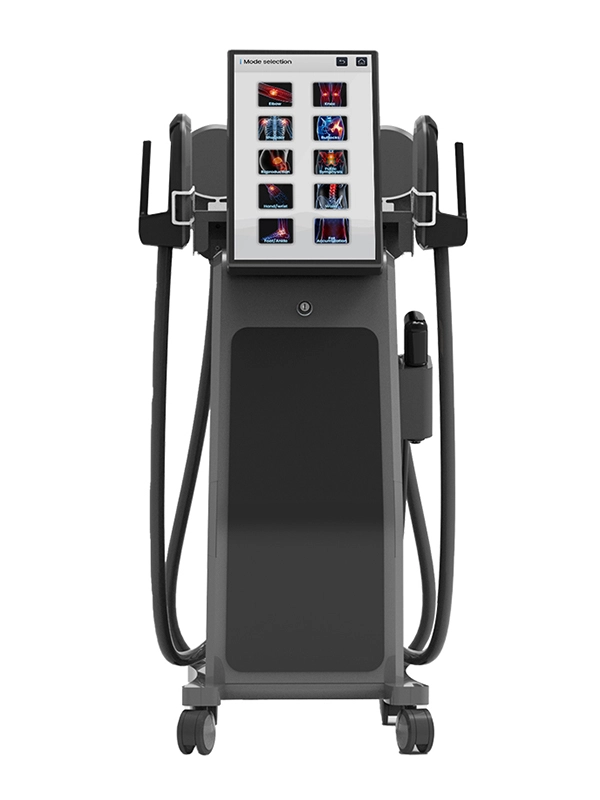
2 in 1 EMS Body sculpt machine cellulite treatment shockwave therapy EMS therapy device EMS machine for muscle stimulation
Goodway's 2-in-1 EMS Body Sculpt Machine utilizes shockwave therapy and EMS technology for effective cellulite reduction and muscle stimulation. This innovative device offers a combined approach to body sculpting, targeting both fat and muscle tone. Experience noticeable improvements with Goodway's advanced shockwave therapy machine.
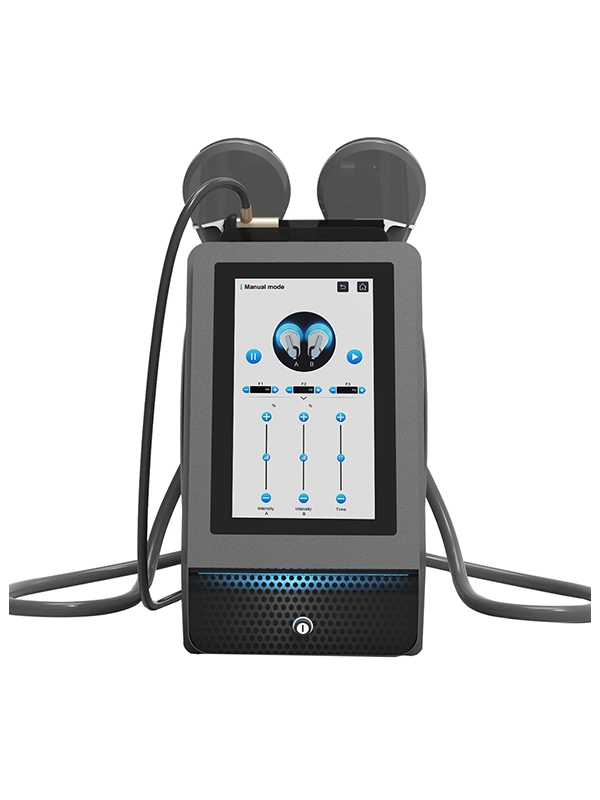
2 in 1 Best EMS beauty device shockwave therapy device body contouring shockwave ems muscle stimulator Machine
Goodway's Shockwave + MES Beauty Device is an advanced dual-therapy system combining shockwave technology for deep-tissue healing—reducing inflammation, relieving arthritis pain, and accelerating recovery—with MES electrostimulation to strengthen muscles without strain. This non-invasive, drug-free solution enhances mobility and rehabilitation, perfect for both clinical and home use.
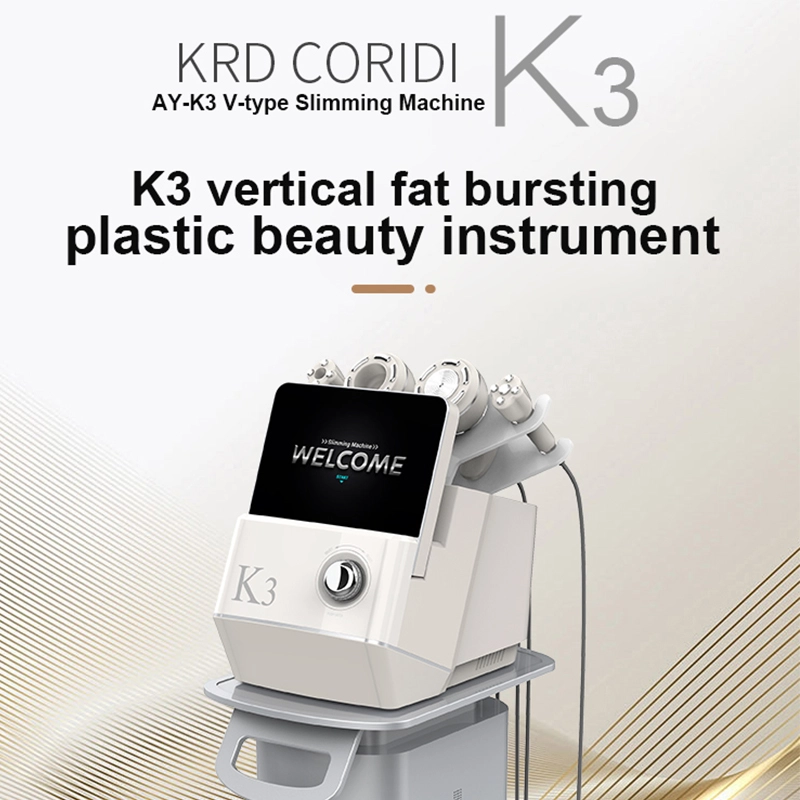
K3 Cavitation machine Achieve Effortless Fat Loss with Our Advanced massage machine
Experience the transformative power of the Goodway's K3 Cavitation Machine. This advanced massage machine targets stubborn fat effortlessly, doubling as an effective cellulite massager. Achieve your desired body contour with ease. Discover unparalleled fat loss results today.
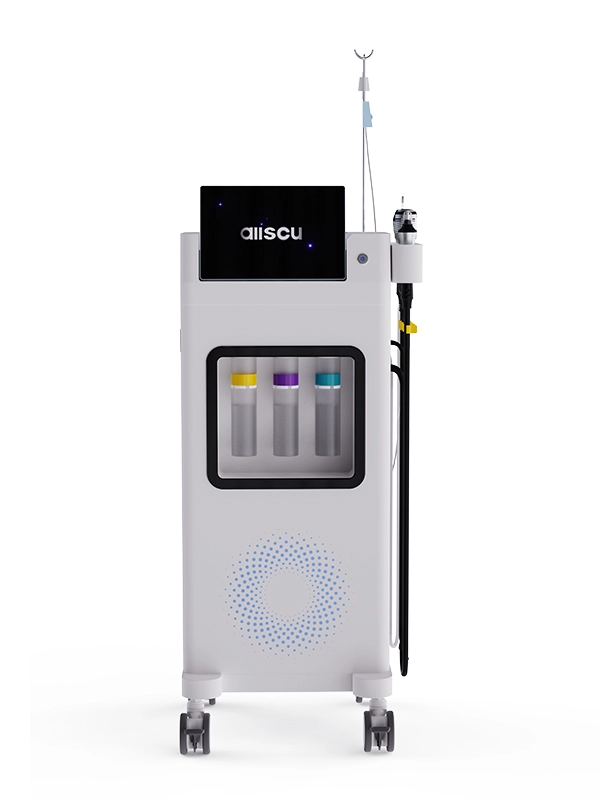
Professional Facial Spa Equipment Aqua Peel Facial Machine for Deep Cleansing and Hydration
Goodway's K8 Hydrafacial Machine is an all-in-one skin rejuvenation system that combines high-pressure deep cleansing, ice hammer pore tightening, plasma acne treatment, diamond microdermabrasion, and ultrasonic pore purification to remove impurities, reduce inflammation, and promote cell renewal—leaving skin smoother, brighter, and healthier.
 Scan QR Code
Instagram