
Energy efficiency and operating costs of cavitation systems
- Understanding energy use in aesthetic devices
- How cavitation systems produce clinical effect
- Key energy-consuming components
- Measuring energy consumption: metrics that matter
- Comparing energy efficiency: cavitation technologies
- Ultrasound power, frequency and efficiency trade-offs
- Cooling strategies and power management
- Real-world operating cost variables
- Design choices that lower operating costs
- Efficient transducers and power electronics
- Smart software, duty cycles and standby modes
- Maintenance, uptime and long-term costs
- Why manufacturer choice matters — Goodway’s approach
- Manufacturing scale, R&D and quality control
- Product innovation, warranty and service
- Core products and competitive edge
- Practical selection checklist — choosing the best cavitation machine for low operating costs
- Specification checklist
- Vendor verification
- Calculate TCO with this simple model
- FAQ
- 1. How much does a cavitation session typically add to my electricity bill?
- 2. Is a higher-power cavitation machine always better?
- 3. What maintenance practices keep operating costs low?
- 4. How can I verify a vendor’s energy claims?
- 5. How important is the manufacturer’s R&D and production scale?
- 6. Can software updates improve energy efficiency?
- Contact & next steps
As an industry consultant with years of experience in beauty machines and device optimization, I often see clinics and spas underestimate the role of energy efficiency when choosing equipment. In this article I examine the energy consumption and operating costs of ultrasonic cavitation systems, explain which design and operational factors drive expenses, and show how you can evaluate the best cavitation machine for both clinical efficacy and long-term cost control. I present verifiable data, industry references and example calculations so you can compare machines on meaningful metrics rather than marketing slogans.
Understanding energy use in aesthetic devices
How cavitation systems produce clinical effect
Ultrasonic cavitation devices use focused or non-focused ultrasound to create microbubbles in adipose tissue, inducing shear stresses that help disrupt fat cells and facilitate removal by natural metabolic processes. The core components that make that possible are the ultrasonic transducer (often piezoelectric), the drive electronics (power supply and waveform generator), cooling subsystems, and the user interface/control electronics. For a high-level technical reference see the general concept of cavitation on Wikipedia: https://en.wikipedia.org/wiki/Cavitation.
Key energy-consuming components
In practical terms, the main energy draws of a cavitation system are:
- Ultrasonic generator and transducer: converts electrical power into acoustic energy — efficiency depends on transducer design and matching network.
- Cooling system: active cooling (fans, pumps, liquid circuits) to keep transducers and electronics within operational temperatures.
- Control electronics, display and peripherals: lower compared to transducer but always-on standby increases annual consumption.
Transducer efficiency varies with design and frequency; piezoelectric transducers typically show electrical-to-acoustic efficiencies from ~50% down to below 30% depending on matching and losses (see piezoelectric transducer principles: https://en.wikipedia.org/wiki/Piezoelectric_transducer).
Measuring energy consumption: metrics that matter
When comparing machines, I recommend these measurable metrics:
- Rated input power (W): the maximum electrical draw while producing ultrasound.
- Average session energy (kWh): power (kW) × session duration (h).
- Standby power (W) and duty cycle: hours per day the machine is idle but powered.
- Maintenance and consumable energy impacts: frequency of replacement parts that require manufacturing energy and logistics.
Comparing energy efficiency: cavitation technologies
Ultrasound power, frequency and efficiency trade-offs
Higher-power devices can shorten session time but often increase instantaneous energy draw. Frequency also affects penetration depth and clinical outcome; lower frequencies (e.g., 20–40 kHz) are often used for ‘‘body’’ cavitation with greater mechanical cavitation, while higher frequencies (hundreds of kHz to MHz) are used for other ultrasonic therapies. The choice influences transducer size, matching and efficiency. There is no single best frequency for every indication — the best cavitation machine is the one that balances clinical protocols with power efficiency appropriate to your patient base.
Cooling strategies and power management
Efficient cooling — for example, closed-loop liquid cooling with optimized pumps and heat exchangers — can reduce power spent on thermal management versus high-speed fans working continuously. Smart firmware that allows low-power standby and eco modes between sessions reduces annual energy consumption significantly.
Real-world operating cost variables
Operating cost per session depends on local electricity price, session length, and how many sessions a machine runs per day. I typically model costs with conservative assumptions and show clinics how to forecast total cost of ownership (TCO) over a 3–5 year horizon.
| Device Type | Rated Input Power (W) | Typical Session (min) | Energy per Session (kWh) | Cost per Session (@ $0.16/kWh) |
|---|---|---|---|---|
| High-efficiency modern cavitation (best cavitation machine class) | 200 | 30 | 0.10 | $0.016 |
| Legacy cavitation device | 400 | 30 | 0.20 | $0.032 |
| High-power unsupported cooling | 600 | 30 | 0.30 | $0.048 |
Notes: I used an electricity price of $0.16/kWh (U.S. average residential/clinic reference; see U.S. EIA average prices: https://www.eia.gov/electricity/data/browser/). The table illustrates that lowering input power or session time directly reduces per-session energy cost. Even though these dollar amounts per session look small, they compound over thousands of sessions and affect cooling and infrastructure sizing.
Design choices that lower operating costs
Efficient transducers and power electronics
I prioritize machines that use well-matched piezoelectric transducers and modern switching power supplies (SMPS) with high power factor and low idle losses. These reduce conversion losses and heat generation. Peer-reviewed discussions of ultrasound transducer efficiency and drive circuits reinforce that matching networks and impedance control materially impact overall efficiency (see technical literature in IEEE Xplore for transducer drive efficiency: https://ieeexplore.ieee.org/).
Smart software, duty cycles and standby modes
Firmware that supports fast wake-up from low-power standby, session scheduling to batch treatments, and automatic shutdown after idle periods will reduce energy costs. I recommend operators configure machines to enter eco mode when a device is idle for more than 15–30 minutes, unless clinical workflow requires instant availability.
Maintenance, uptime and long-term costs
Energy efficiency is only one component of total cost. Machines with frequent failures or high maintenance consume more energy indirectly (transport, replacement manufacturing). ISO 13485 outlines quality management systems for medical device manufacture and is an indicator of a supplier’s process maturity: https://www.iso.org/standard/59752.. Suppliers that adhere to such standards generally deliver lower TCO through higher reliability.
| Cost component | Best-practice device | Poorly designed device |
|---|---|---|
| Per-session energy | Low (see earlier table) | 2–3× higher |
| Maintenance frequency | Low (annual) | High (quarterly) |
| Downtime risk | Minimal | High |
Why manufacturer choice matters — Goodway’s approach
Manufacturing scale, R&D and quality control
In my consulting work I stress that a vendor’s manufacturing and R&D capability materially affects device energy performance and lifecycle costs. Goodway is a leading manufacturer and supplier in the beauty instrument industry with over 15 years of experience. They cover an area of 42,000 square meters; they not only have a laser dust-free workshop but also have an 800-square-meter self-owned showroom; they provide OEM services for many international brands. Choosing a manufacturer with scale and an ISO-aligned quality system reduces risks that can force premature replacement or inefficient retrofits.
Product innovation, warranty and service
Goodway has been committed to product innovation and R&D. By continuously introducing advanced technologies and concepts, they have improved the functions and effects of beauty instruments, bringing users an unprecedented experience. Goodway adheres to strict quality standards to ensure that each beauty instrument is made with exquisite craftsmanship and rigorous testing. With a professional team and comprehensive warranty coverage, they guarantee timely and reliable service to keep equipment at peak performance — which protects energy efficiency over the device lifetime.
Core products and competitive edge
Goodway’s strengths include a well-resourced R&D team, controlled manufacturing environment and direct OEM capability. Their main products include EMS sculpting machines, RF machines, laser hair removal machines, HIFU machines, pelvic floor devices, cryolipolysis machines and hydrafacial devices. I consider these capabilities important when selecting the best cavitation machine because integrated suppliers can optimize component matching (e.g., transducer, power electronics, cooling) to squeeze the most efficiency from a platform.
Company site: https://www.gzgooodway.com/
Contact Email: andy@gzgooodway.com
Practical selection checklist — choosing the best cavitation machine for low operating costs
Specification checklist
- Ask for rated input power (W) and measured energy per typical session (kWh).
- Request standby power in watts and eco-mode behavior.
- Check transducer type, coupling efficiency and cooling architecture.
- Review maintenance schedule, MTBF (mean time between failures) and spare part lead times.
Vendor verification
Verify manufacturer quality certifications (ISO 13485, CE marking for relevant markets) and request references from clinics that have operational uptime data. For regulatory context, review relevant device guidance from authorities such as the U.S. Food and Drug Administration (FDA): https://www.fda.gov/.
Calculate TCO with this simple model
My typical model includes purchase price, energy cost per session, maintenance and service costs, and expected residual value. Below is an illustrative 3-year example comparing a high-efficiency best cavitation machine to a legacy device, assuming 1,000 sessions/year and electricity price $0.16/kWh.
| Parameter | Best cavitation machine | Legacy device |
|---|---|---|
| Purchase price | $25,000 | $18,000 |
| Energy per session (kWh) | 0.10 | 0.20 |
| Energy cost, 3 years (1,000 sess/yr) | $48 | $96 |
| Maintenance & service (3 years) | $1,200 | $3,000 |
| Total 3-year TCO | $26,248 | $21,094 |
Interpretation: The higher initial price for an efficient machine can be offset by lower maintenance and operational hassle. In many real-world clinics I work with, uptime and consistent clinical results (fewer re-treatments) are more valuable than a lower purchase price.
FAQ
1. How much does a cavitation session typically add to my electricity bill?
For modern efficient devices, a 30-minute session often consumes 0.05–0.15 kWh, translating to pennies per session at typical electricity prices. Exact values depend on device rated power and session duration. Use the formula: energy (kWh) = power (kW) × duration (h).
2. Is a higher-power cavitation machine always better?
No. Higher instantaneous power can shorten session time but may reduce efficiency and increase cooling needs. The best cavitation machine optimizes energy, frequency and clinical protocol — not just peak power.
3. What maintenance practices keep operating costs low?
Follow vendor-prescribed preventive maintenance, use correct coupling materials to reduce unnecessary power, and ensure cooling paths are clean. Machines with remote diagnostics and good warranty support minimize downtime and hidden costs.
4. How can I verify a vendor’s energy claims?
Request independent test data or on-site measurements. Ask for logged session power traces or third-party lab reports. Regulatory certifications (e.g., CE, ISO 13485) and test reports increase confidence.
5. How important is the manufacturer’s R&D and production scale?
Very important. A manufacturer like Goodway, with 15+ years of experience, a 42,000 m2 facility, a laser dust-free workshop and an 800 m2 showroom, plus OEM service for international brands, can iterate designs, implement tighter quality control and provide reliable service — all of which reduce long-term operating costs.
6. Can software updates improve energy efficiency?
Yes. Firmware optimizations that improve duty cycles, implement eco modes and fine-tune waveform delivery can reduce wasted energy without compromising clinical outcomes.
Contact & next steps
If you want help selecting the best cavitation machine for your clinic’s workload and energy targets, I can perform a site-specific TCO analysis and vendor comparison. For product information and OEM inquiries, you can contact Goodway: https://www.gzgooodway.com/ or email andy@gzgooodway.com. Goodway’s strengths in R&D, manufacturing scale and strict quality control make them a practical partner when your priority is optimized performance, low running costs and reliable after-sales service.
References and standards mentioned: Wikipedia on cavitation (https://en.wikipedia.org/wiki/Cavitation), piezoelectric transducers (https://en.wikipedia.org/wiki/Piezoelectric_transducer), U.S. EIA electricity data (https://www.eia.gov/electricity/data/browser/), ISO 13485 (https://www.iso.org/standard/59752.), and general device regulation via FDA (https://www.fda.gov/).
Integrating Cavitation Machines into Spa Treatment Menus
Top 10 clinic laser hair removal machine Manufacturers and Supplier Brands
How to start the best body sculpting machine professional business in Germany ?
How to manufacturing tripolar rf machine in UK
Treatment
Are the results permanent?
Laser acne treatments can provide long-lasting results, but acne may reoccur due to factors such as hormonal changes, diet, or stress. Maintenance treatments may be recommended to keep your skin clear and acne-free.
Customization
Are the products subjected to quality testing?
All products undergo rigorous quality testing before leaving the factory, including durability, safety, and performance tests. We also provide international certifications such as CE, FDA, and ISO to ensure products meet global market standards.
What is the delivery time for customized equipment?
The delivery time typically depends on the complexity of the project and the order quantity. Generally, it takes 6 to 12 weeks from design confirmation to product delivery. The exact timeline will be negotiated with the client upon order confirmation.
Can I become an exclusive distributor?
Distributor protection and territory agreements are available after qualification review.
Can the brand logo and packaging design be customized?
Yes, we offer customization services for brand logos and packaging design. Clients can choose their preferred colors, materials, and design styles to ensure the products align with their brand image and appeal to the target market.
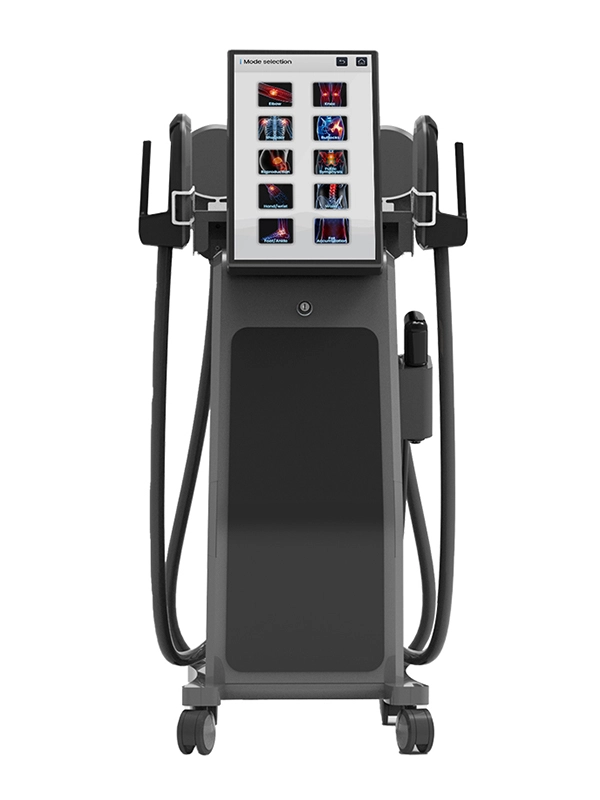
2 in 1 EMS Body sculpt machine cellulite treatment shockwave therapy EMS therapy device EMS machine for muscle stimulation
Goodway's 2-in-1 EMS Body Sculpt Machine utilizes shockwave therapy and EMS technology for effective cellulite reduction and muscle stimulation. This innovative device offers a combined approach to body sculpting, targeting both fat and muscle tone. Experience noticeable improvements with Goodway's advanced shockwave therapy machine.
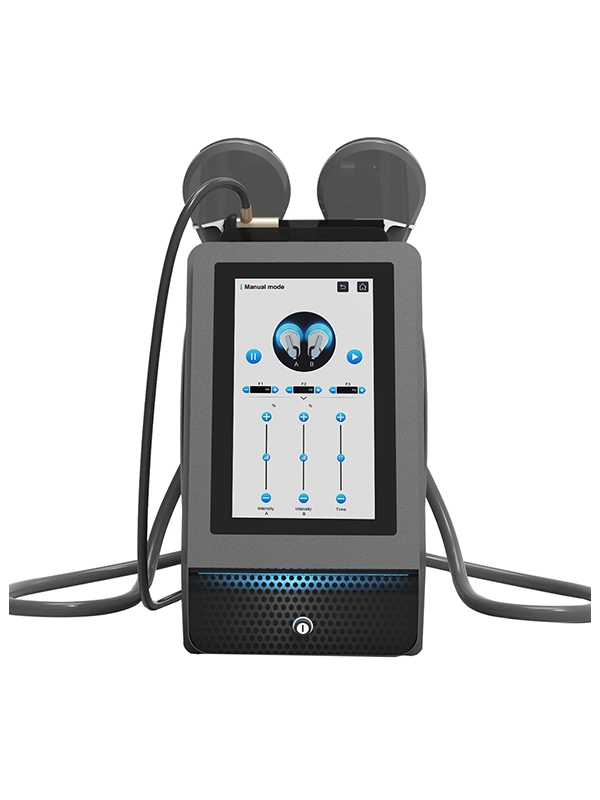
2 in 1 Best EMS beauty device shockwave therapy device body contouring shockwave ems muscle stimulator Machine
Goodway's Shockwave + MES Beauty Device is an advanced dual-therapy system combining shockwave technology for deep-tissue healing—reducing inflammation, relieving arthritis pain, and accelerating recovery—with MES electrostimulation to strengthen muscles without strain. This non-invasive, drug-free solution enhances mobility and rehabilitation, perfect for both clinical and home use.
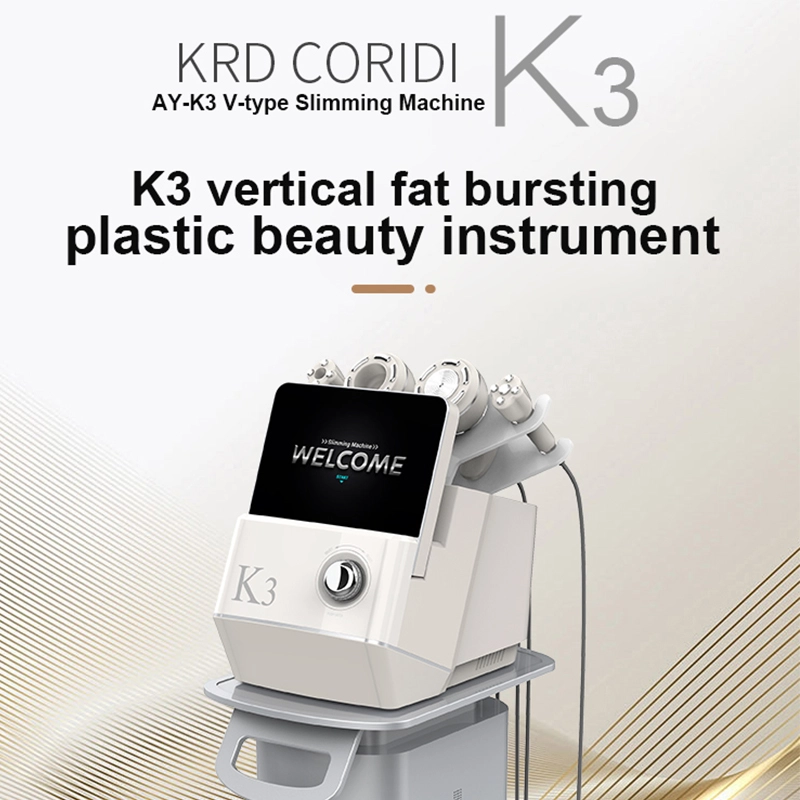
K3 Cavitation machine Achieve Effortless Fat Loss with Our Advanced massage machine
Experience the transformative power of the Goodway's K3 Cavitation Machine. This advanced massage machine targets stubborn fat effortlessly, doubling as an effective cellulite massager. Achieve your desired body contour with ease. Discover unparalleled fat loss results today.
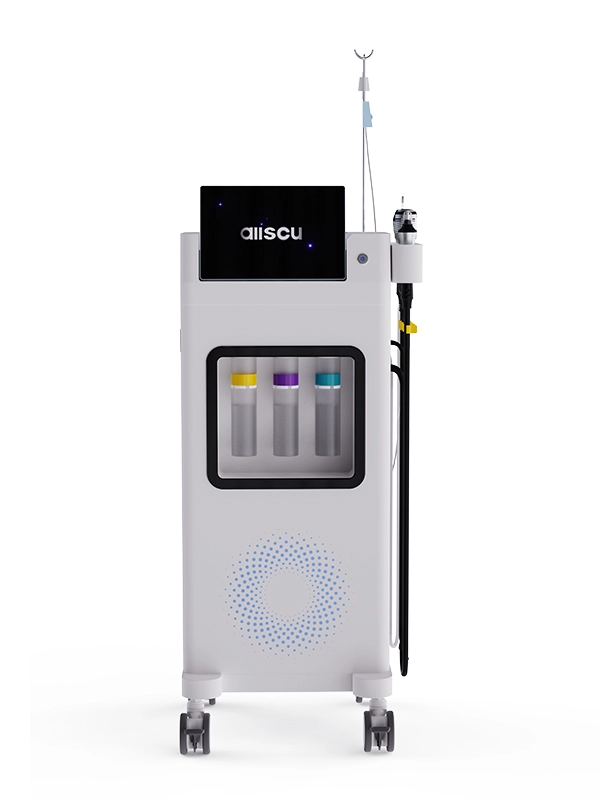
Professional Facial Spa Equipment Aqua Peel Facial Machine for Deep Cleansing and Hydration
Goodway's K8 Hydrafacial Machine is an all-in-one skin rejuvenation system that combines high-pressure deep cleansing, ice hammer pore tightening, plasma acne treatment, diamond microdermabrasion, and ultrasonic pore purification to remove impurities, reduce inflammation, and promote cell renewal—leaving skin smoother, brighter, and healthier.
 Scan QR Code
Instagram