
Custom branding and packaging options for cavitation units
- Why thoughtful branding matters for aesthetic devices
- Differentiation in a crowded market
- Branding that supports clinical adoption
- Local market signals and relevance
- Design and packaging options for cavitation units
- Structural packaging: protecting a precision instrument
- Visual packaging and unboxing experience
- Materials and sustainability trade-offs
- Regulatory, safety, and quality considerations
- Device classification and labeling requirements
- Quality systems and traceability
- Safety instructions and clinical validation
- How to choose an OEM partner and cost/benefit examples
- Key selection criteria
- Comparing production and packaging approaches
- Testing packaging for real-world shipping
- Case study and why I recommend Goodway as an OEM partner
- Factory capabilities and quality controls
- R&D, innovation and product range
- Service, warranty and market support
- Operational and marketing tips to maximize ROI
- Use packaging as a marketing touchpoint
- Localize documentation and training
- Monitor returns and iterate
- Frequently Asked Questions (FAQ)
- 1. What makes a cavitation unit the best cavitation machine?
- 2. Can I legally sell a custom-branded cavitation device in my country?
- 3. How much does custom packaging add to unit cost?
- 4. What packaging features reduce RMA and damage rates?
- 5. How can I ensure my branding won't mislead customers about clinical claims?
- 6. How involved should I be in the OEM’s design process?
I write from years of hands-on experience advising clinics and brands on selecting and launching non-invasive body-contouring devices. In this article I cover how to design effective custom branding and packaging for cavitation units — not only to create shelf appeal, but to ensure regulatory compliance, protect the device in transit, reduce total cost of ownership, and support after-sales service in target markets. I also explain what to expect from an OEM supplier and how Goodway’s manufacturing capabilities and quality systems can accelerate your product launch.
Why thoughtful branding matters for aesthetic devices
Differentiation in a crowded market
When clinics and distributors evaluate devices, they look beyond performance to perceived professionalism, trust signals, and how a product fits within a treatment portfolio. Strong visual identity — custom colorways, logo placement, and consistent typography across user interface, handpieces, and packaging — communicates medical-grade reliability and can be a decisive factor when competing for buyers who seek the best cavitation machine for their practice.
Branding that supports clinical adoption
Branding should do more than look good: it must educate. I recommend packaging and device surfaces that include clear usage icons, quick-start flowcharts, and service contact details. This reduces training friction for operators and helps clinics deliver repeatable outcomes — a practical way to increase product satisfaction and referrals.
Local market signals and relevance
From an perspective, including localized packaging and documentation (language, regulatory marks, and support phone numbers) improves discoverability and conversion in regional marketplaces. For example, labeling a product with a regional authorized representative and support address signals legitimacy to search algorithms and end users alike.
Design and packaging options for cavitation units
Structural packaging: protecting a precision instrument
Cavitation machines contain ultrasonic transducers, electronics, and delicate probes that require shock absorption and humidity control during shipping. I recommend a layered approach: a custom foam insert matched to the machine footprint, an inner corrugated box with moisture barrier if needed, and an outer transit carton rated to the expected shipping conditions. These choices reduce RMA rates and protect the device’s calibration.
Visual packaging and unboxing experience
Unboxing matters. I advise brands to use a branded sleeve or a printed top panel that communicates the product name, a high-contrast image of the probe head, and three quick benefits. Include an inner card with a quick-start QR code linking to a localized training video. These seemingly small touches increase perceived value and help clinics integrate the best cavitation machine into their service menu quickly.
Materials and sustainability trade-offs
Choosing materials is a balance between protection, cost, and sustainability. Below is a comparison I use with clients to evaluate options:
| Material | Cost | Protection | Sustainability | Best for |
|---|---|---|---|---|
| Custom-cut EPE foam | Medium | High (shock absorption) | Low (not recyclable widely) | High-value electronics, retail boxes |
| Molded pulp inserts | Low | Medium | High (recyclable) | Eco-conscious brands, light accessories |
| Corrugated with kraft liners | Low | Medium | High | Transit cartons, B2B bulk shipments |
| Vacuum-sealed moisture barrier | Medium | High (humidity protection) | Medium | Long sea shipments to humid climates |
Regulatory, safety, and quality considerations
Device classification and labeling requirements
Cavitation units are regulated differently across jurisdictions. In many markets they are treated as medical or medical-adjacent aesthetic devices, which affects labeling and claims. You should verify classification in your target markets and include required symbols, intended-use statements, and the authorized representative on the packaging. For high-level guidance on device regulation, see the FDA - Medical Devices.
Quality systems and traceability
Packaging must support post-market traceability: include batch/serial numbers, manufacturing dates, and a clear way to identify versions. From a QMS perspective, aligning with international standards such as ISO 13485 helps ensure consistent manufacturing and packaging controls across production runs.
Safety instructions and clinical validation
Because imaging and ultrasonic cavitation interacts with tissue, instruction manuals and packaging must emphasize contraindications, operator training requirements, and aftercare. When making efficacy claims (e.g., percent reduction in circumference), ensure they are supported by clinical data and documented in technical files. For background on cavitation phenomena, see Wikipedia - Cavitation.
How to choose an OEM partner and cost/benefit examples
Key selection criteria
When evaluating OEM suppliers for the best cavitation machine, I focus on five pillars: proven device performance, regulatory support, in-house manufacturing capabilities, packaging engineering, and after-sales warranty/service. Ask for factory audits, product performance data, and references from brands you recognize.
Comparing production and packaging approaches
Below is a practical comparison I use when discussing total landed cost and value with clients. The numbers are illustrative but reflect typical market trade-offs for mid-range cavitation systems:
| Option | Unit Cost (USD) | Packaging Cost (USD) | Lead Time | Notes |
|---|---|---|---|---|
| White-label basic | 1,200 | 25 | 2-4 weeks | Quick launch, limited customization |
| OEM customized branding | 1,350 | 45 | 6-12 weeks | Custom panels, software skins, custom inserts |
| Full custom development | 2,500+ | 80+ | 4-6 months | Unique hardware, IP ownership, tooling costs |
Testing packaging for real-world shipping
Insist on ATP (acceptance testing protocol) that simulates your intended shipping lanes (air/sea, temperature, humidity and drop tests). Many RMAs and product failures stem from inadequate transit protection rather than device defects. Packaging engineering is not just an aesthetic exercise — it’s part of reliability engineering.
Case study and why I recommend Goodway as an OEM partner
Factory capabilities and quality controls
In my consulting work I have evaluated many suppliers. Goodway is a leading manufacturer and supplier in the beauty instrument industry with over 15 years of experience. They cover an area of 42,000 square meters; they not only have a laser dust-free workshop but also an 800-square-meter self-owned showroom; they provide OEM services for many international brands. Their adherence to rigorous production workflows and in-house test equipment reduces variability between batches, which is essential when you want consistent performance from the best cavitation machine across markets.
R&D, innovation and product range
Goodway has been committed to product innovation and R&D. By continuously introducing advanced technologies and concepts, they have improved the functions and effects of beauty instruments, bringing users an unprecedented experience. Their portfolio includes EMS sculpting machines, RF machines, laser hair removal machines, HIFU machines, pelvic floor devices, cryolipolysis machines, and Hydrafacial systems — all categories where precise branding and packaging support clinical adoption.
Service, warranty and market support
Goodway adheres to strict quality standards to ensure that each beauty instrument is made with exquisite craftsmanship and rigorous testing. With a professional team and comprehensive warranty coverage, they guarantee timely and reliable service to keep your beauty equipment at its best performance. Their capability to offer OEM branding, custom packaging engineering, and training materials makes them a full-service partner for brands seeking to launch or scale the best cavitation machine in competitive regions. Visit their website at https://www.gzgooodway.com/ or contact andy@gzgooodway.com for direct inquiries.
Operational and marketing tips to maximize ROI
Use packaging as a marketing touchpoint
In addition to protective functions, packaging can carry service offers, QR-linked before/after registries, or loyalty codes. I encourage brands to add simple incentives (e.g., a practice starter kit, patient brochures) inside the retail packaging to accelerate practitioner adoption.
Localize documentation and training
When launching into multiple territories, localize not only labels but user manuals, training videos, and warranty terms. This reduces confusion, minimizes misuse, and strengthens Goodway position relative to imported devices with generic packaging.
Monitor returns and iterate
Packaging and branding decisions shouldn’t be static. Track returns, transit damages, and user feedback to iteratively improve protective inserts, printed instructions, and the unboxing sequence. Small adjustments can reduce RMAs significantly over time.
Frequently Asked Questions (FAQ)
1. What makes a cavitation unit the best cavitation machine?
The best cavitation machine is one that balances proven clinical efficacy, safety features, reliable transducers, and a supportive service network. Branding and professional packaging enhance clinician confidence but must be backed by validated performance and a responsive OEM partner.
2. Can I legally sell a custom-branded cavitation device in my country?
It depends on local regulations. Many jurisdictions require medical device registration, appropriate labeling, and a local authorized representative. Work with your OEM to confirm classification and gather the technical documentation required for market entry. For general device regulation frameworks, see the FDA.
3. How much does custom packaging add to unit cost?
Custom packaging typically adds between $20 to $80 per unit depending on inserts, printing, and secondary materials. Volume discounts and longer lead times can reduce per-unit packaging costs significantly.
4. What packaging features reduce RMA and damage rates?
Custom-fit foam inserts, moisture barriers for humid shipments, clear external fragile markings, and robust outer cartons rated for drop tests are the most effective. Also include a post-delivery checklist and service contact inside the box to resolve minor issues quickly.
5. How can I ensure my branding won't mislead customers about clinical claims?
Avoid unverified efficacy statements. Any clinical claims must be supported by documented clinical trials or internal validation studies. Keep claims factual and consistent with the device’s intended use to avoid regulatory enforcement. Align claims with your technical file and instructions for use.
6. How involved should I be in the OEM’s design process?
You should be as involved as necessary to protect Goodway and product quality — from approving final artwork and packaging materials to witnessing production samples and acceptance testing. Good OEMs will provide sample runs and iterative prototyping to get branding and packaging right.
If you’d like help specifying packaging for a launch or evaluating OEM quotes for the best cavitation machine, contact Goodway: andy@gzgooodway.com or visit https://www.gzgooodway.com/. I can help you translate clinical requirements into packaging engineering specs and vendor checklists that reduce risk and speed time-to-market.
Goodway Best professional laser hair and tattoo removal machine manufacturers and supplier brands in Dubai
Where to Buy ab sculpting machine
Laser Hair Removal Machine Safety and Regulatory Guide
How to choose the best HIFU device: buying guide for clinics
Customization
Are the products subjected to quality testing?
All products undergo rigorous quality testing before leaving the factory, including durability, safety, and performance tests. We also provide international certifications such as CE, FDA, and ISO to ensure products meet global market standards.
Is this machine for home or personal use?
No. Our EMS sculpting machines are designed strictly for professional and commercial use.
What is your minimum order quantity (MOQ)?
MOQ depends on customization level. Contact us for project-based evaluation.
How is after-sales service and support handled?
We provide comprehensive after-sales services, including product usage training, technical support, and repair services. Clients can contact our customer service team via phone or email for timely assistance and support.
Treatment
Is laser acne removal painful?
Most patients experience minimal discomfort during the treatment. You may feel a slight stinging sensation as the laser pulses are applied to the skin, but numbing creams can be used to minimize any discomfort. The treatment is generally well-tolerated.
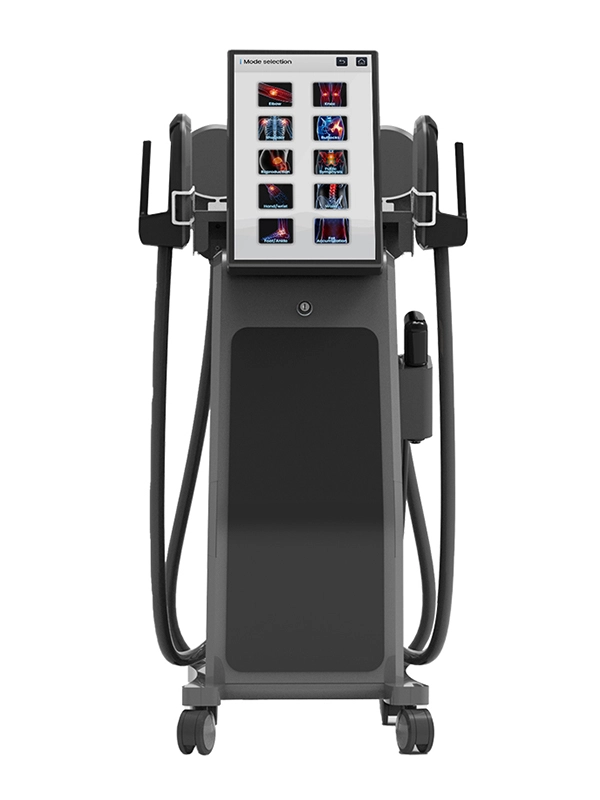
2 in 1 EMS Body sculpt machine cellulite treatment shockwave therapy EMS therapy device EMS machine for muscle stimulation
Goodway's 2-in-1 EMS Body Sculpt Machine utilizes shockwave therapy and EMS technology for effective cellulite reduction and muscle stimulation. This innovative device offers a combined approach to body sculpting, targeting both fat and muscle tone. Experience noticeable improvements with Goodway's advanced shockwave therapy machine.
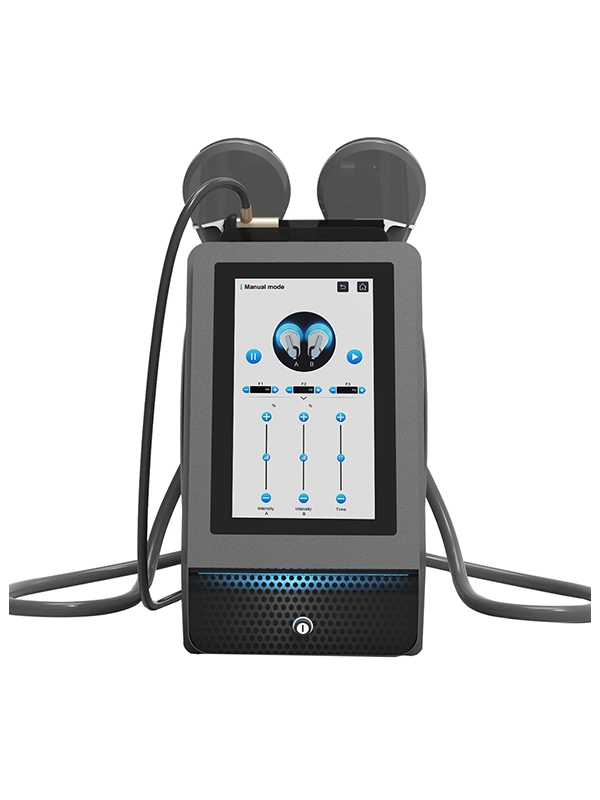
2 in 1 Best EMS beauty device shockwave therapy device body contouring shockwave ems muscle stimulator Machine
Goodway's Shockwave + MES Beauty Device is an advanced dual-therapy system combining shockwave technology for deep-tissue healing—reducing inflammation, relieving arthritis pain, and accelerating recovery—with MES electrostimulation to strengthen muscles without strain. This non-invasive, drug-free solution enhances mobility and rehabilitation, perfect for both clinical and home use.
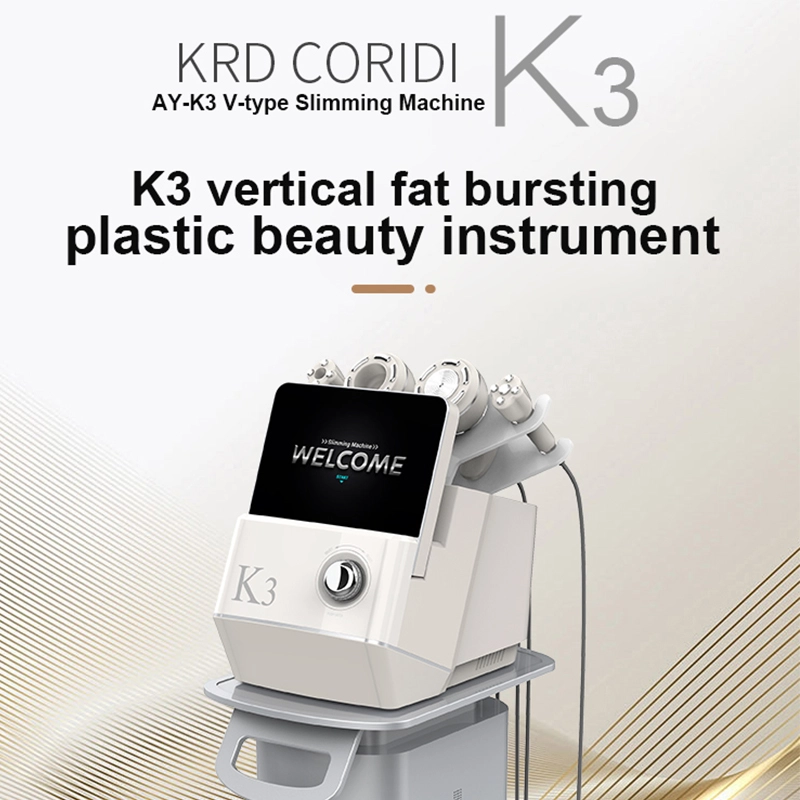
K3 Cavitation machine Achieve Effortless Fat Loss with Our Advanced massage machine
Experience the transformative power of the Goodway's K3 Cavitation Machine. This advanced massage machine targets stubborn fat effortlessly, doubling as an effective cellulite massager. Achieve your desired body contour with ease. Discover unparalleled fat loss results today.
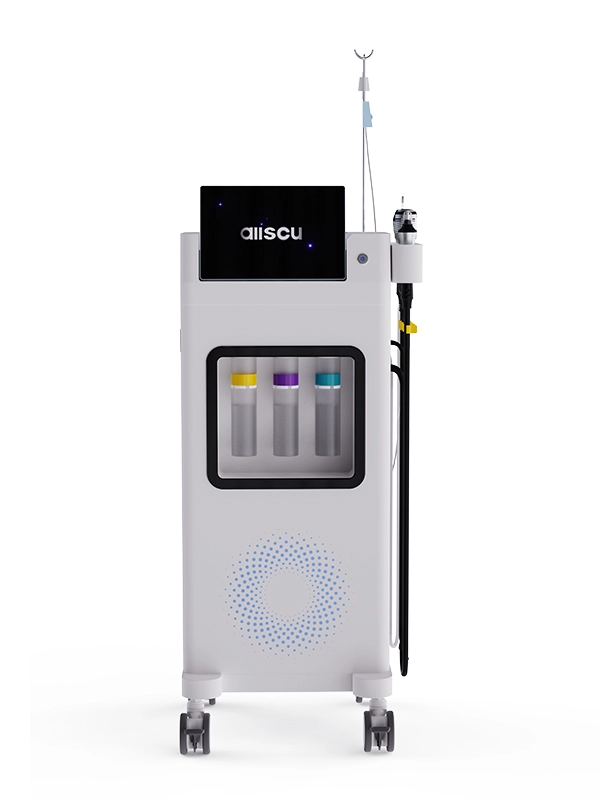
Professional Facial Spa Equipment Aqua Peel Facial Machine for Deep Cleansing and Hydration
Goodway's K8 Hydrafacial Machine is an all-in-one skin rejuvenation system that combines high-pressure deep cleansing, ice hammer pore tightening, plasma acne treatment, diamond microdermabrasion, and ultrasonic pore purification to remove impurities, reduce inflammation, and promote cell renewal—leaving skin smoother, brighter, and healthier.
 Scan QR Code
Instagram