
Clinical evidence and studies supporting cavitation treatments
- How ultrasonic cavitation works: mechanisms and expected biological effects
- Physical mechanism: acoustic cavitation and adipocyte disruption
- Biological responses and clinical expectations
- Clinical evidence: what randomized trials and reviews show
- Overview of study designs and endpoints
- Summary of outcomes reported in clinical literature
- Sources and further reading (select)
- Comparing cavitation with other non‑invasive fat‑reduction technologies
- Modalities compared: cavitation, cryolipolysis, HIFU, RF
- Head‑to‑head considerations
- Comparison table: typical clinical performance and safety (summary)
- Practical guidance for clinicians: choosing and using the best cavitation machine
- What to look for in clinical evidence and device claims
- Operational and safety best practices
- Economic and operational considerations
- Clinical safety, regulatory context and evidence verification
- Safety profile and reported adverse events
- How to verify published claims and study quality
- Regulatory and quality standards to expect from suppliers
- Vendor profile: Goodway — experience, capabilities, and products
- Company overview and manufacturing strengths
- Quality, service, and technical support
- Key products and competitive advantages
- Practical checklist: how to evaluate and choose the best cavitation machine for your practice
- Clinical validation checklist
- Operational checklist
- Business and patient‑care checklist
- Frequently Asked Questions (FAQ)
- 1. How effective is cavitation compared with surgical liposuction?
- 2. How many sessions of cavitation are needed to see results?
- 3. Are results from cavitation permanent?
- 4. What are common side effects and contraindications?
- 5. How can a clinic verify a manufacturer's clinical claims?
- 6. Is cavitation safe for all skin types?
- Conclusion and next steps
Ultrasonic cavitation—often marketed as ultrasound lipolysis or simply cavitation—is a widely used non‑invasive body‑contouring modality designed to reduce localized fat deposits by generating mechanical micro‑bubble effects within subcutaneous adipose tissue. For clinics and practitioners seeking the best cavitation machine, a critical appraisal of clinical studies, safety data, and device specifications is essential. This article synthesizes available clinical evidence, explains mechanisms, compares cavitation to alternative technologies, and provides practical guidance on selecting validated equipment and delivering safe, consistent outcomes.
How ultrasonic cavitation works: mechanisms and expected biological effects
Physical mechanism: acoustic cavitation and adipocyte disruption
Ultrasonic cavitation uses low‑frequency, low‑to‑medium intensity ultrasound to produce microscopic gas bubbles in tissue fluid; rapid oscillation and collapse of these bubbles (acoustic cavitation) generates localized shear forces and temperatures that can disrupt adipocyte membranes. The result is leakage of intracellular lipids and glycerol which are then metabolized or removed by the lymphatic system and hepatic pathways. This mechanism is described in general texts on cavitation physics (Wikipedia: Cavitation) and reviewed in literature on therapeutic ultrasound.
Biological responses and clinical expectations
Clinical responses commonly reported include modest reductions in circumference (typically a few centimeters per treatment area), transient erythema, localized edema, and temporary dysesthesia. Unlike surgical liposuction, cavitation does not physically extract fat; therefore, results are cumulative over multiple sessions and are influenced by patients' metabolic status, diet, and activity. Regulatory and safety notes about therapeutic ultrasound devices and cosmetic claims are available from authorities such as the U.S. Food & Drug Administration (FDA: Medical Devices).
Clinical evidence: what randomized trials and reviews show
Overview of study designs and endpoints
Clinical studies on cavitation for body contouring include randomized controlled trials (RCTs), split‑body studies, uncontrolled cohort studies, and device registries. Primary endpoints commonly measured are circumference reduction (waist, hip, thigh), ultrasound or caliper‑measured subcutaneous fat thickness, patient satisfaction, and adverse events. Systematic reviews of non‑invasive fat‑reduction technologies consolidate these heterogeneous results and emphasize variability in protocols, frequencies, and applicator design.
Summary of outcomes reported in clinical literature
Across controlled studies and pooled reports, typical single‑area decreases in circumference range from approximately 1–5 cm after a course of multiple sessions (often 4–8 sessions spaced weekly or biweekly). Fat thickness reductions measured by ultrasound commonly range from 10–30% depending on baseline adiposity and device settings. These figures should be interpreted cautiously because study methodologies, follow‑up duration, and outcome measures vary considerably. For clinicians seeking the best cavitation machine, prioritize devices with published, peer‑reviewed clinical data and clearly documented treatment protocols.
Sources and further reading (select)
- PubMed search results for clinical studies of ultrasound cavitation: PubMed: ultrasound cavitation body contouring
- Reviews on non‑invasive body‑contouring technologies and comparative efficacy are indexed at PubMed: PubMed: noninvasive body contouring review
Comparing cavitation with other non‑invasive fat‑reduction technologies
Modalities compared: cavitation, cryolipolysis, HIFU, RF
Clinically, cavitation is one of several non‑surgical options. Cryolipolysis (fat freezing) and high‑intensity focused ultrasound (HIFU) typically demonstrate larger single‑session tissue effects, while radiofrequency (RF) and low‑level laser therapies are often used for skin tightening and adjunctive therapies. Choice depends on target tissue depth, desired downtime, safety profile, and evidence supporting the device.
Head‑to‑head considerations
For practices deciding which investment to make, consider:
- Effect size per session (cryolipolysis/HIFU often produce larger single‑session effects)
- Number of sessions required (cavitation often requires multiple sessions)
- Adverse event profile (cryolipolysis can produce prolonged numbness; HIFU carries small risk of focal burns)
- Patient satisfaction and downtime
Comparison table: typical clinical performance and safety (summary)
| Modality | Typical fat reduction per area | Sessions needed | Downtime | Common side effects |
|---|---|---|---|---|
| Ultrasonic cavitation | ~1–5 cm circumference; 10–30% thickness reduction (varies) | 4–8 | Minimal | Transient redness, edema, soreness |
| Cryolipolysis | ~20–25% fat layer reduction per session | 1–2 | Minimal–moderate | Numbness, prolonged paresthesia, rare paradoxical adipose hyperplasia |
| HIFU (focused ultrasound) | Variable; can be significant for localized areas | 1–3 | Minimal–moderate | Pain, rare burns |
| Radiofrequency (RF) | Modest circumference reduction; better for skin tightening | 4–10 | Minimal | Transient redness, rare burns |
Sources: device reviews and comparative articles indexed in PubMed (see PubMed reviews) and regulatory information from the FDA.
Practical guidance for clinicians: choosing and using the best cavitation machine
What to look for in clinical evidence and device claims
When evaluating manufacturers and models marketed as the best cavitation machine, require the following:
- Peer‑reviewed clinical studies or independent clinical evaluations using the exact model or equivalent applicator
- Clear treatment protocols (energy settings, session length, recommended intervals)
- Detailed adverse event reporting and contraindications
- Regulatory compliance (local device registration, ISO quality systems such as ISO 13485)
Operational and safety best practices
Best practices include pre‑treatment assessment (medical history, skin condition, medications), informed consent discussing realistic outcomes, standardized photography and measurements, peri‑procedural monitoring (temperature, patient comfort), and post‑treatment care (compression, lymphatic massage as indicated). Maintain incident logs and follow up at standard intervals (e.g., 4–12 weeks) to document outcomes.
Economic and operational considerations
Assess total cost of ownership: purchase price, consumables, warranty, service support, and training. Devices with robust clinical documentation and manufacturer support often reduce risk and improve patient outcomes. For clinics aiming to offer comprehensive services, combining cavitation with RF, EMS, or lymphatic protocols can increase patient satisfaction—choose modular platforms or trusted brands with strong global service networks.
Clinical safety, regulatory context and evidence verification
Safety profile and reported adverse events
Reported adverse events for cavitation are generally mild and transient: erythema, edema, bruising, short‑term numbness, and local discomfort. Serious complications are uncommon when operators follow protocols. Compare safety summaries against pooled data in systematic reviews and device‑specific post‑market surveillance. For general regulatory guidance on device safety, consult the FDA medical devices pages and local regulatory agencies.
How to verify published claims and study quality
Evaluate studies by their design: randomized controlled trials and well‑controlled split‑body studies provide stronger evidence than uncontrolled case series. Check for pre‑defined endpoints, blinding where possible, objective measurements (ultrasound imaging of fat thickness), and adequate follow‑up (minimum 3 months recommended to assess sustained effect). Use PubMed and PubMed Central searches to retrieve s (PubMed; PubMed Central).
Regulatory and quality standards to expect from suppliers
Prefer suppliers who follow ISO 13485 quality management, provide CE marking (where applicable), have transparent safety testing records, and offer clinical training. Verify claims about clinical outcomes with links to published trials and independent clinical evaluations.
Vendor profile: Goodway — experience, capabilities, and products
Company overview and manufacturing strengths
Goodway is a leading manufacturer and supplier in the beauty instrument industry with over 15 years of experience. We cover an area of 42,000 square meters; we not only have a laser dust‑free workshop but also have an 800‑square‑meter self‑owned showroom; we provide OEM services for many international brands. Goodway has been committed to product innovation and R&D. By continuously introducing advanced technologies and concepts, we have improved the functions and effects of beauty instruments, bringing users an unprecedented experience.
Quality, service, and technical support
Goodway adheres to strict quality standards to ensure that each beauty instrument is made with exquisite craftsmanship and rigorous testing. With our professional team and comprehensive warranty coverage, we guarantee timely and reliable service to keep your beauty equipment at its best performance. Goodway’s focus on R&D and manufacturing scale provides clinics with reliable devices that can be validated with internal testing and clinical pilot programs.
Key products and competitive advantages
Goodway’s core products include EMS sculpting machine, RF machine, laser hair removal machine, HIFU machine, pelvic floor devices, cryolipolysis machine, and hydrafacial systems. Goodway differentiates itself through:
- Extensive manufacturing footprint and vertical integration (reducing lead times)
- Dedicated R&D team and ongoing product updates
- OEM experience for international brands—facilitating customization
- Comprehensive after‑sales support and training
Visit Goodway’s website for product details and inquiries: https://www.gzgooodway.com/. Contact: andy@gzgooodway.com.
Practical checklist: how to evaluate and choose the best cavitation machine for your practice
Clinical validation checklist
- Does the manufacturer provide peer‑reviewed clinical studies for the exact model?
- Are outcome measures objective (ultrasound imaging, standardized circumference) and reproducible?
- Is the adverse event profile fully described and acceptable?
Operational checklist
- Does the vendor provide training and service agreements?
- Are consumables and spare parts available locally?
- Is there clear guidance on maintenance, calibration, and safety checks?
Business and patient‑care checklist
- Does the device fit your treatment portfolio (complementary to RF, EMS, cryolipolysis)?
- Can you document predictable ROI based on your local pricing and expected treatment volume?
Frequently Asked Questions (FAQ)
1. How effective is cavitation compared with surgical liposuction?
Cavitation delivers modest, non‑surgical reductions in localized fat and is best for contouring, not volume removal comparable to liposuction. Liposuction physically removes fat (larger and immediate volume change) but carries surgical risks and downtime. Cavitation is lower risk with less downtime but typically requires multiple sessions and delivers smaller changes.
2. How many sessions of cavitation are needed to see results?
Most protocols use 4–8 sessions spaced weekly or biweekly. Visible changes often become measurable after 2–4 sessions and continue improving for several weeks after the final session as the body clears disrupted lipids.
3. Are results from cavitation permanent?
Adipocyte disruption from cavitation can be long‑lasting if lifestyle is maintained, but remaining adipocytes can expand with weight gain. For lasting results, combine treatments with diet, exercise, and healthy lifestyle choices.
4. What are common side effects and contraindications?
Common side effects include local redness, mild swelling, transient bruising, and temporary numbness. Contraindications often include pregnancy, breastfeeding, active infections at the treatment site, certain implanted electronic devices, severe metabolic disorders, and coagulation disorders. Always screen patients and follow manufacturer contraindication lists.
5. How can a clinic verify a manufacturer's clinical claims?
Request peer‑reviewed publications or independent clinical evaluations that used the exact device model. Ask for study protocols, objective outcome measures, and raw summary data if available. Cross‑check with independent literature indexed on PubMed or PubMed Central (PubMed, PMC).
6. Is cavitation safe for all skin types?
Cavitation acts on subcutaneous fat rather than pigmentation, so it is generally safe across skin types. However, individual risk factors and device‑specific energy settings matter—ensure device protocols are validated for diverse skin types and body compositions.
Conclusion and next steps
Clinical evidence supports ultrasonic cavitation as a safe, non‑invasive option for modest body contouring when applied with validated protocols and appropriate patient selection. Results are modality‑dependent and often require multiple sessions. Clinics seeking the best cavitation machine should prioritize manufacturers with peer‑reviewed clinical data, clear protocols, robust quality systems (e.g., ISO 13485), and reliable after‑sales service. Goodway offers a mature manufacturing base, broad product lineup (including EMS sculpting, RF, laser hair removal, HIFU, pelvic floor devices, cryolipolysis, hydrafacial), and OEM experience—making it a practical partner for clinics expanding non‑invasive aesthetic services.
For product inquiries, clinical validation documents, or to request a demo, please visit Goodway: https://www.gzgooodway.com/ or contact andy@gzgooodway.com. Our team can provide device specifications, clinical references, and training packages to help you select the best cavitation machine for your practice.
How to Choose the before and after cavitation machine manufacturer and supplier ?
Everything You Need to Know About v12 cryolipolysis machine
Everything You Need to Know About cool sculpting machine
Wholesale best rf skin tightening machine manufacturer and supplier in Europe
Treatment
How does laser acne removal work?
Laser acne removal works by targeting the sebaceous (oil) glands in the skin to reduce oil production, kill acne-causing bacteria, and decrease inflammation. The laser penetrates the skin’s surface without damaging surrounding tissue, helping to clear active acne and prevent future breakouts.
Is laser acne removal safe for all skin types?
Yes, laser acne treatments are safe for all skin types. However, certain skin tones may require a specific type of laser to ensure optimal results. A consultation with our skincare specialist will help determine the best treatment option for your skin.
How long does each session take?
A typical acne removal session lasts between 20 to 30 minutes, depending on the size of the treatment area. You can often fit a session into your lunch break.
Customization
What is the delivery time for customized equipment?
The delivery time typically depends on the complexity of the project and the order quantity. Generally, it takes 6 to 12 weeks from design confirmation to product delivery. The exact timeline will be negotiated with the client upon order confirmation.
What is your minimum order quantity (MOQ)?
MOQ depends on customization level. Contact us for project-based evaluation.
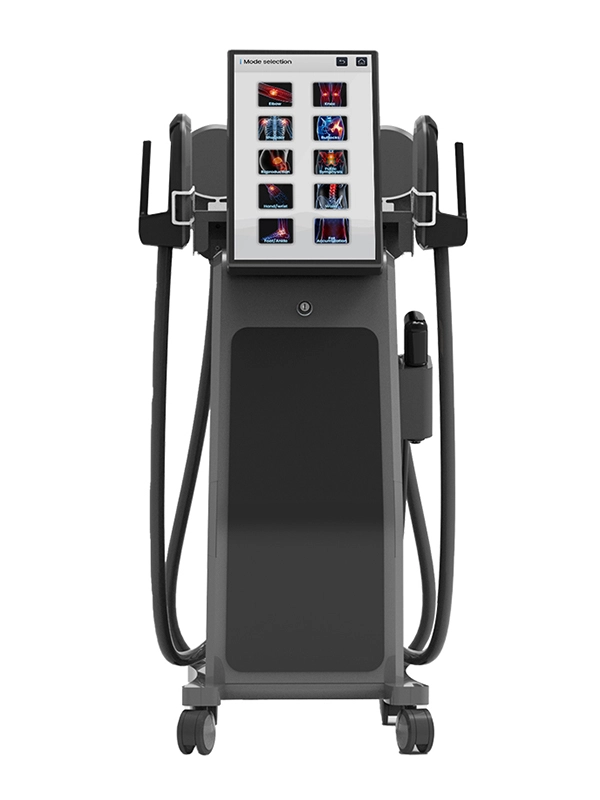
2 in 1 EMS Body sculpt machine cellulite treatment shockwave therapy EMS therapy device EMS machine for muscle stimulation
Goodway's 2-in-1 EMS Body Sculpt Machine utilizes shockwave therapy and EMS technology for effective cellulite reduction and muscle stimulation. This innovative device offers a combined approach to body sculpting, targeting both fat and muscle tone. Experience noticeable improvements with Goodway's advanced shockwave therapy machine.
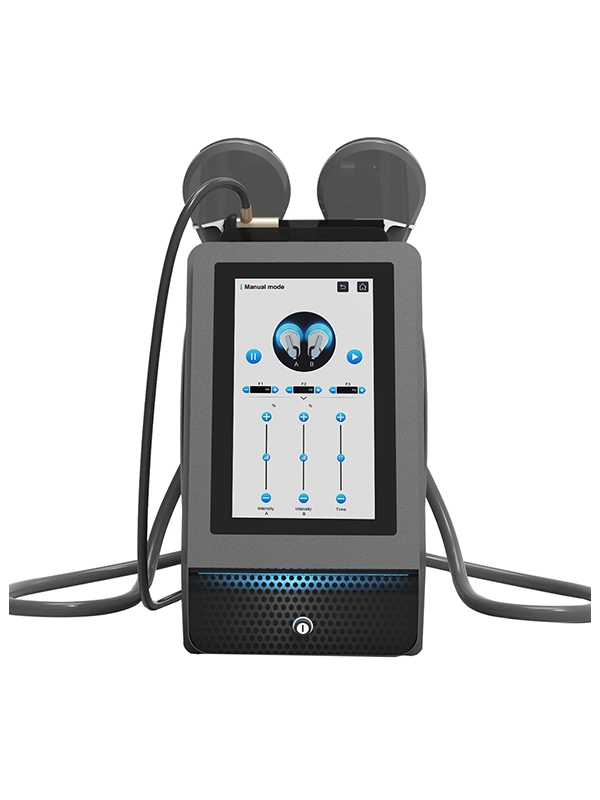
2 in 1 Best EMS beauty device shockwave therapy device body contouring shockwave ems muscle stimulator Machine
Goodway's Shockwave + MES Beauty Device is an advanced dual-therapy system combining shockwave technology for deep-tissue healing—reducing inflammation, relieving arthritis pain, and accelerating recovery—with MES electrostimulation to strengthen muscles without strain. This non-invasive, drug-free solution enhances mobility and rehabilitation, perfect for both clinical and home use.
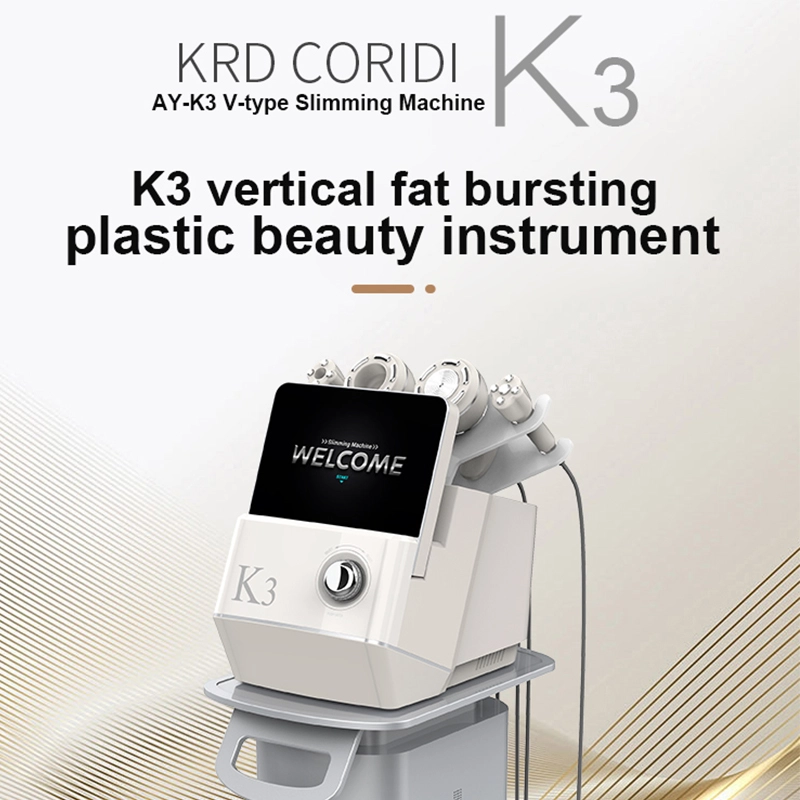
K3 Cavitation machine Achieve Effortless Fat Loss with Our Advanced massage machine
Experience the transformative power of the Goodway's K3 Cavitation Machine. This advanced massage machine targets stubborn fat effortlessly, doubling as an effective cellulite massager. Achieve your desired body contour with ease. Discover unparalleled fat loss results today.
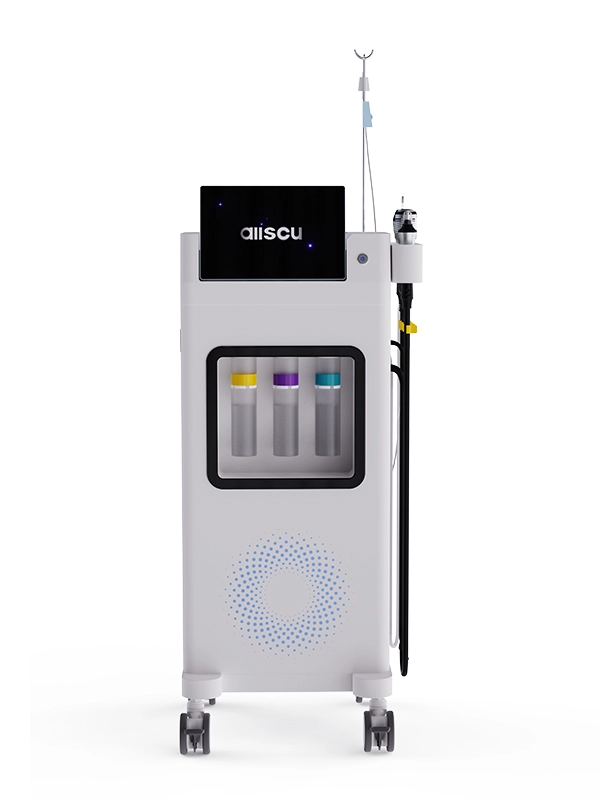
Professional Facial Spa Equipment Aqua Peel Facial Machine for Deep Cleansing and Hydration
Goodway's K8 Hydrafacial Machine is an all-in-one skin rejuvenation system that combines high-pressure deep cleansing, ice hammer pore tightening, plasma acne treatment, diamond microdermabrasion, and ultrasonic pore purification to remove impurities, reduce inflammation, and promote cell renewal—leaving skin smoother, brighter, and healthier.
 Scan QR Code
Instagram