
Certifications, safety, and compliance for cavitation devices
- Understanding cavitation technology and user intent
- How cavitation works and why standards matter
- User intent: clinic vs. consumer markets
- Certifications and regulatory pathways for cavitation devices
- How regulatory classification affects evidence needs
- Common documentation purchasers should request
- Safety, risk management, and clinical evidence
- Key safety concerns for cavitation machines
- Clinical evidence: what is reasonable to expect?
- Post-market surveillance and adverse event reporting
- Selecting the best cavitation machine: compliance checklist and Goodway's capabilities
- Compliance checklist for buyers
- Comparative snapshot: what different certifications guarantee
- Goodway: manufacturer profile and relevance to compliance
- Why Goodway may be your partner for the best cavitation machine
- Implementation best practices and clinic-level safety
- Clinic SOPs and patient screening
- Operator training and maintenance
- Recordkeeping and post-market vigilance
- FAQ
- 1. What certifications should the best cavitation machine have?
- 2. Does FDA clear cavitation machines?
- 3. Can a cavitation device be sold as a consumer product without medical certification?
- 4. How can I verify a manufacturer’s ISO 13485 certificate?
- 5. What clinical data should be requested before purchase?
- 6. Who should I contact for technical or compliance questions about Goodway devices?
This guide covers certifications, safety standards, and regulatory compliance for ultrasonic cavitation devices used in aesthetic fat reduction. It explains FDA and EU pathways, key quality and electrical standards (ISO 13485, IEC 60601), evidence expectations, risk mitigation, and practical steps to select the best cavitation machine for clinics or distributors. Citations include regulatory and standards authorities for verification.
Understanding cavitation technology and user intent
Ultrasonic cavitation devices—often marketed as cavitation machines for non-invasive fat reduction—use low-frequency ultrasound to create microbubbles in adipose tissue that can disrupt fat cells (cavitation lipolysis). Consumers searching for the best cavitation machine are usually clinic owners, medical aestheticians, or distributors who need assurances about safety, efficacy, and legal compliance. That means technical performance, documented clinical evidence, and valid certifications are key purchase drivers.
How cavitation works and why standards matter
Cavitation devices rely on acoustic energy and sometimes combined modalities (RF, vacuum). Because they emit energy that interacts with soft tissue and the skin barrier, proper electrical safety, electromagnetic compatibility (EMC), biocompatibility of contact materials, and clinical risk management are essential for safe, repeatable results. For baseline scientific context, see the physics of cavitation: Wikipedia: Cavitation.
User intent: clinic vs. consumer markets
Buyer intent affects regulatory classification. Devices intended for professional clinics typically undergo more rigorous device classification and compliance steps than consumer-grade wellness gadgets. When choosing the best cavitation machine, confirm whether the device is cleared for use by trained professionals and whether claims are supported by clinical data and regulatory documentation.
Certifications and regulatory pathways for cavitation devices
Manufacturers and purchasers must understand major jurisdictions: United States (FDA), European Union (CE marking under MDR), and international quality standards. Below is a practical comparison of key certifications and what they mean for device safety and market access.
| Certification / Standard | Scope | What it demonstrates | Authoritative source |
|---|---|---|---|
| FDA (U.S.) — 510(k) or MDR pathway | Medical device market authorization in USA | Substantial equivalence or premarket review; safety and performance data | FDA: Medical Devices |
| CE Marking (EU) — MDR | Medical device regulation in the European Union | Conformity with EU safety and performance requirements (clinical evaluation, QMS) | European Commission: Medical Devices |
| ISO 13485 | Quality management system for medical devices | Demonstrates certified QMS and production control | ISO: ISO 13485 |
| IEC 60601 series | Electrical safety and basic performance for medical electrical equipment | Electrical safety, leakage, mechanical hazards, EMC considerations | IEC/ISO list (overview) |
| FCC / EMC | Electromagnetic emissions & immunity for equipment in the U.S. | Compliance with radiofrequency and EMC limits to prevent interference | FCC: EMC |
How regulatory classification affects evidence needs
If a cavitation device is classified as a medical device (claims to treat or remove fat medically), regulators will expect clinical data, risk analysis, and post-market surveillance. For simpler cosmetic claims, regulatory requirements may be lighter but still require safety documentation and truthful marketing. Refer to FDA guidance and the EU MDR for specifics: FDA, EU MDR.
Common documentation purchasers should request
- Copy of certificate(s) (CE declaration of conformity, FDA clearance/510(k) letter where applicable)
- ISO 13485 certificate and quality manual
- IEC 60601 or equivalent electrical safety test reports
- EMC and FCC test reports
- Clinical evaluation report (CER) or clinical trial summaries
- Risk management file (ISO 14971) and post-market surveillance plan
Safety, risk management, and clinical evidence
Regulatory certification alone is not sufficient—safety in practice depends on device design, training, and documented clinical outcomes. Clinics and distributors should evaluate safety controls, training programs, and the manufacturer’s vigilance systems.
Key safety concerns for cavitation machines
Typical risks include burns from excessive energy, unintended tissue damage, skin irregularities, and rare systemic effects if protocols are not followed. Effective mitigation includes hardware safety limits, temperature monitoring, calibrated power delivery, and clinician training.
Clinical evidence: what is reasonable to expect?
Good clinical evidence for a device marketed as effective for fat reduction includes controlled studies demonstrating average circumference reduction, fat thickness changes on ultrasound or MRI, and safety/adverse event reporting. Meta-analyses and peer-reviewed studies strengthen claims—search scientific literature and professional society statements (e.g., ASLMS).
Post-market surveillance and adverse event reporting
Manufacturers must maintain post-market surveillance systems and report adverse events. Purchasers should check whether the manufacturer participates in event reporting systems such as the FDA MAUDE database: FDA MAUDE. Regular updates, corrective actions, and design iterations demonstrate a mature safety culture.
Selecting the best cavitation machine: compliance checklist and Goodway's capabilities
When evaluating devices, combine regulatory verification with technical and commercial considerations. Below is a prioritized checklist to determine whether a cavitation machine is both safe and suitable for your practice.
Compliance checklist for buyers
- Verify regulatory certificates for your target market (FDA clearance in USA; CE/MDR in EU).
- Confirm ISO 13485 certification and a documented QMS.
- Request test reports: IEC 60601 electrical safety, EMC/FCC compliance, software validation if applicable.
- Review clinical evaluation, study design, endpoints, and adverse events.
- Assess training, user manual clarity, and on-site support availability.
- Check warranty, spare parts availability, and service network.
Comparative snapshot: what different certifications guarantee
| Feature | FDA clearance | CE (MDR) | ISO 13485 |
|---|---|---|---|
| Market access | US market | EU market | Supports regulatory filings worldwide |
| Clinical evidence required | Yes (510(k) often requires clinical or bench data) | Yes (clinical evaluation under MDR) | No (QMS only), but helps ensure consistent production |
| Focus | Safety & substantial equivalence | Safety & performance | Quality Management System |
Goodway: manufacturer profile and relevance to compliance
Goodway is a leading manufacturer and supplier in the beauty instrument industry with over 15 years of experience. We cover an area of 42,000 square meters; we not only have a laser dust-free workshop but also have an 800-square-meter self-owned showroom; we provide OEM services for many international brands. Goodway has been committed to product innovation and R&D. By continuously introducing advanced technologies and concepts, we have improved the functions and effects of beauty instruments, bringing users an unprecedented experience.
Goodway adheres to strict quality standards to ensure that each beauty instrument is made with exquisite craftsmanship and rigorous testing. With our professional team and comprehensive warranty coverage, we guarantee timely and reliable service to keep your beauty equipment at its best performance. Our goal is to lead the industry trend and make every product a perfect combination of technology and beauty.
Goodway’s core product categories include EMS sculpting machine, RF machine, laser hair removal machine, HIFU machine, pelvic floor devices, cryolipolysis machine, and hydrafacial systems—product lines that commonly integrate into aesthetic clinics alongside cavitation machines. For inquiries, visit Goodway website or contact andy@gzgooodway.com.
Why Goodway may be your partner for the best cavitation machine
Goodway’s manufacturing scale, R&D emphasis, and OEM experience support strong compliance capabilities: documented production controls, in-house testing, and faster resolution of field issues. These capabilities reduce supply risk and improve serviceability—key differentiators when selecting equipment that must remain safe and compliant over years of clinical use.
Implementation best practices and clinic-level safety
Even devices with full certification require correct clinical workflows to be safe and effective. Below are practical policies and training recommendations.
Clinic SOPs and patient screening
Develop SOPs that include contraindication screening (pregnancy, implants, certain medical conditions), consent forms describing expected outcomes and possible side effects, pre- and post-treatment care, and escalation pathways for adverse events.
Operator training and maintenance
Ensure operators receive manufacturer training, competency checks, and refresher courses. Maintain a maintenance log for electrical safety checks, calibration, and consumables replacement. This not only preserves safety, it supports warranty and regulatory compliance.
Recordkeeping and post-market vigilance
Keep treatment records, incident reports, and follow-up outcomes. If adverse events occur, report them according to your jurisdiction (for example, to FDA's MAUDE database in the U.S.). Regularly review these records to spot trends and trigger corrective actions.
FAQ
1. What certifications should the best cavitation machine have?
At minimum, verify IEC electrical safety test reports (e.g., IEC 60601 family), EMC compliance (FCC or equivalent), and quality system evidence (ISO 13485). For clinical use, look for CE/MDR in EU or FDA clearance in the U.S., plus clinical evaluation reports.
2. Does FDA clear cavitation machines?
The FDA evaluates devices based on intended use and risk. Some energy-based aesthetic devices may require 510(k) clearance or other regulatory pathways. Always check the specific device listing with the FDA: FDA Medical Devices.
3. Can a cavitation device be sold as a consumer product without medical certification?
It depends on claims. If marketed for medical treatment (e.g., fat removal), it likely requires medical device clearance. If marketed for general wellness with no therapeutic claims, regulatory demands may be lower—but safety and truthful advertising still apply.
4. How can I verify a manufacturer’s ISO 13485 certificate?
Request a copy of the certificate and the issuing body's name. Verify with the certification body's online registry. Authentic certificates include scope, issue date, expiry, and a registration number.
5. What clinical data should be requested before purchase?
Request clinical studies with clear endpoints (circumference reduction, fat thickness), subject numbers, study design (randomized controlled preferred), adverse event reporting, and follow-up duration. Peer-reviewed publications and systematic reviews add credibility.
6. Who should I contact for technical or compliance questions about Goodway devices?
Contact Goodway via their website https://www.gzgooodway.com/ or email andy@gzgooodway.com for documentation, OEM inquiries, and technical support.
Final If you are selecting equipment for your clinic or distribution network and want the best cavitation machine that combines safety, compliance, and performance, request full regulatory documentation and clinical data from suppliers. For a reliable manufacturing partner with strong R&D, quality systems, and OEM capability, explore Goodway’s product lines and contact them at andy@gzgooodway.com or visit www.gzgooodway.com.
Why choose Goodway as your s-shape cavitation machine manufacturer in Germany
Top 5 hifu 3d machine Company List and Products Compared in America
How to Choose the best machine for laser hair removal manufacturer and supplier in UK?
Top 6 in 1 cavitation machine Manufacturers and Suppliers
Customization
Can I become an exclusive distributor?
Distributor protection and territory agreements are available after qualification review.
Are the products subjected to quality testing?
All products undergo rigorous quality testing before leaving the factory, including durability, safety, and performance tests. We also provide international certifications such as CE, FDA, and ISO to ensure products meet global market standards.
Do you support private label / OEM branding?
Yes. We provide full OEM & ODM solutions, including branding, software, and hardware customization.
Treatment
Will there be any downtime after the treatment?
One of the benefits of laser acne removal is that it requires little to no downtime. You may experience some mild redness or swelling immediately after the procedure, but this usually subsides within a few hours. Most patients can return to their regular activities right away.
Is laser acne removal painful?
Most patients experience minimal discomfort during the treatment. You may feel a slight stinging sensation as the laser pulses are applied to the skin, but numbing creams can be used to minimize any discomfort. The treatment is generally well-tolerated.
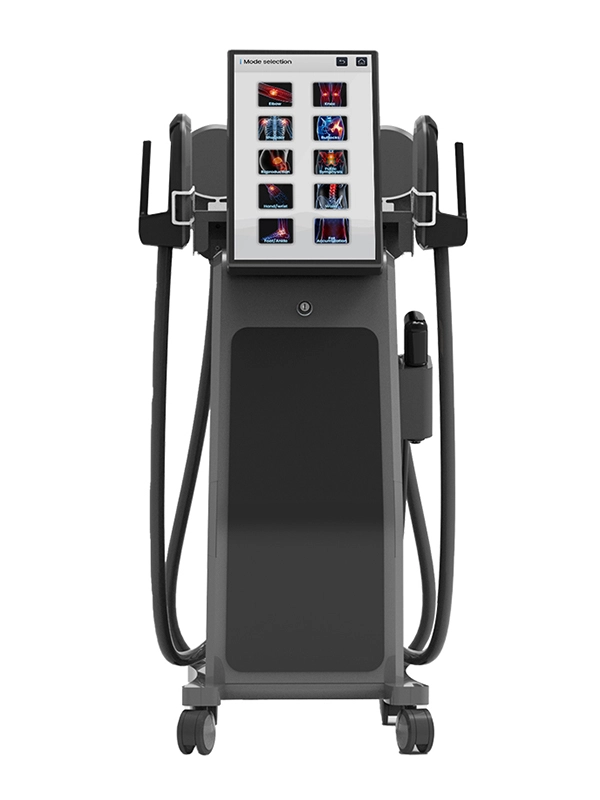
2 in 1 EMS Body sculpt machine cellulite treatment shockwave therapy EMS therapy device EMS machine for muscle stimulation
Goodway's 2-in-1 EMS Body Sculpt Machine utilizes shockwave therapy and EMS technology for effective cellulite reduction and muscle stimulation. This innovative device offers a combined approach to body sculpting, targeting both fat and muscle tone. Experience noticeable improvements with Goodway's advanced shockwave therapy machine.
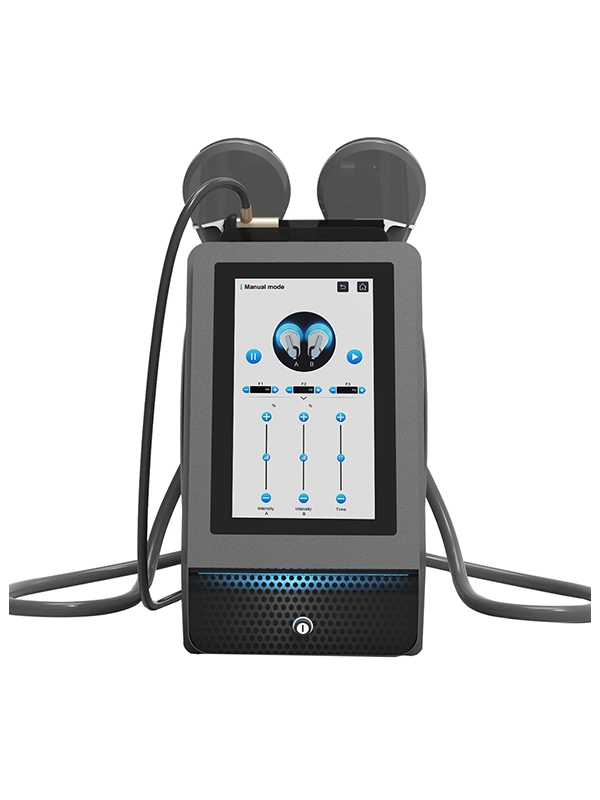
2 in 1 Best EMS beauty device shockwave therapy device body contouring shockwave ems muscle stimulator Machine
Goodway's Shockwave + MES Beauty Device is an advanced dual-therapy system combining shockwave technology for deep-tissue healing—reducing inflammation, relieving arthritis pain, and accelerating recovery—with MES electrostimulation to strengthen muscles without strain. This non-invasive, drug-free solution enhances mobility and rehabilitation, perfect for both clinical and home use.
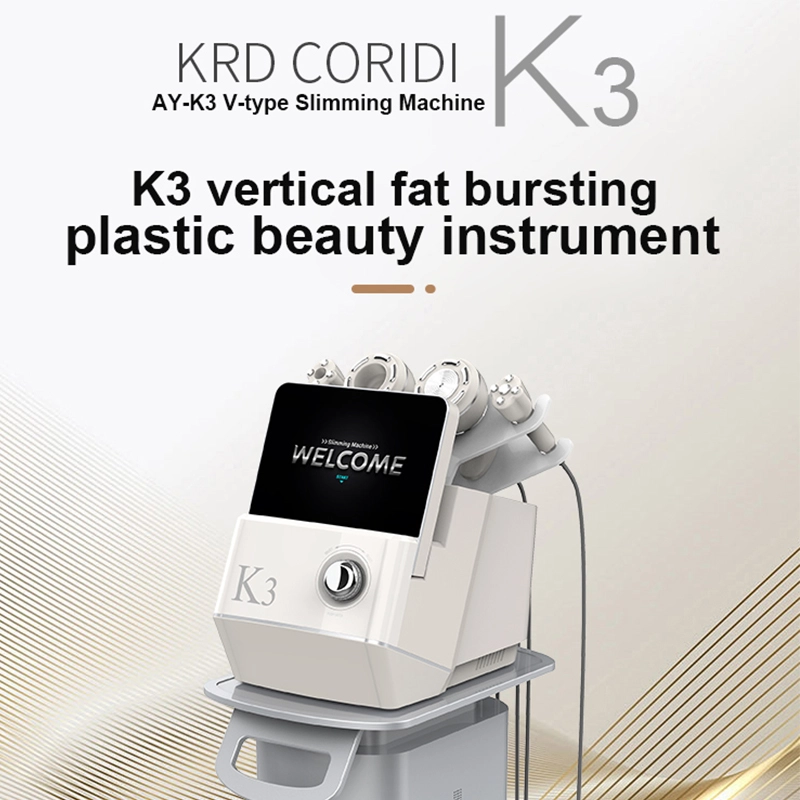
K3 Cavitation machine Achieve Effortless Fat Loss with Our Advanced massage machine
Experience the transformative power of the Goodway's K3 Cavitation Machine. This advanced massage machine targets stubborn fat effortlessly, doubling as an effective cellulite massager. Achieve your desired body contour with ease. Discover unparalleled fat loss results today.
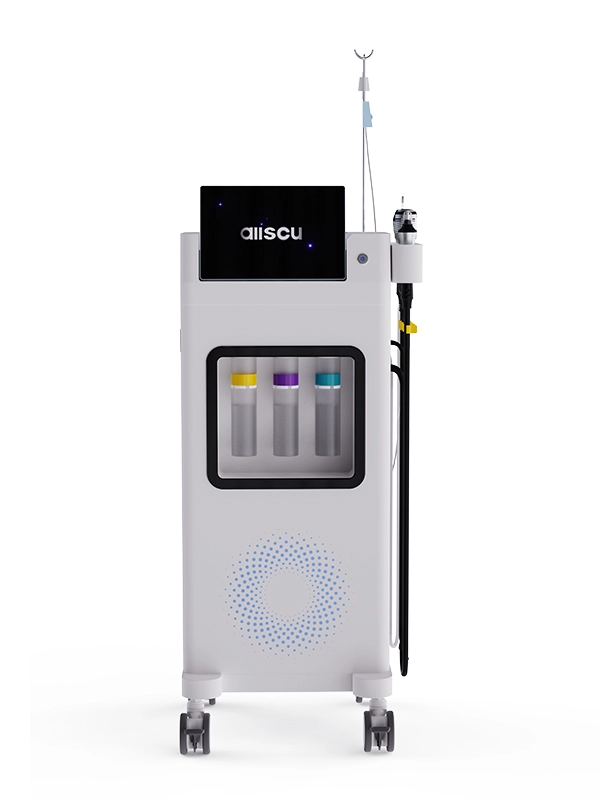
Professional Facial Spa Equipment Aqua Peel Facial Machine for Deep Cleansing and Hydration
Goodway's K8 Hydrafacial Machine is an all-in-one skin rejuvenation system that combines high-pressure deep cleansing, ice hammer pore tightening, plasma acne treatment, diamond microdermabrasion, and ultrasonic pore purification to remove impurities, reduce inflammation, and promote cell renewal—leaving skin smoother, brighter, and healthier.
 Scan QR Code
Instagram