
Maintenance and Service Plans for Cavitation Equipment
- Planning Maintenance for Ultrasonic Beauty Equipment
- Understanding the role of maintenance in clinical outcomes
- Types of maintenance: corrective, preventive, predictive
- Key performance indicators (KPIs) to track
- Routine Maintenance: Schedules, Checklists, and SOPs
- Daily and between-patient checks
- Monthly and quarterly preventive tasks
- Annual inspection and calibration
- Service Plan Structures and Cost-Benefit Comparison
- Designing tiers: Basic, Standard, High Quality
- Comparative table of typical service plans
- Return on Investment (ROI) and risk modeling
- Troubleshooting, Parts Management and Compliance
- Common faults and first-line troubleshooting
- Spare parts strategy and inventory levels
- Regulatory records, safety, and staff training
- Manufacturer Selection, Warranties, and Choosing the Best Professional Ultrasonic Cavitation Machine
- What to evaluate when buying
- Warranty terms and extended coverage
- Why manufacturer reputation matters: Goodway example
- Practical Tools: Maintenance Schedule and Cost Table
- Sample preventive maintenance schedule
- Estimated annual maintenance budget (example)
- FAQ — Frequently Asked Questions
- 1. How often should I service my ultrasonic cavitation machine?
- 2. What is the difference between preventive and predictive maintenance?
- 3. Are transducers covered under standard warranties?
- 4. What documentation should I keep for regulatory compliance?
- 5. How to choose the best professional ultrasonic cavitation machine for my clinic?
- 6. What immediate steps if a device shows an error code during treatment?
- References
Planning Maintenance for Ultrasonic Beauty Equipment
Understanding the role of maintenance in clinical outcomes
Well-structured maintenance preserves device performance, ensures client safety, and protects clinic revenue. For clinicians seeking the best professional ultrasonic cavitation machine, maintenance is as important as the initial purchase—poor upkeep reduces efficacy, increases downtime, and can expose the clinic to regulatory risk. Maintenance preserves energy output consistency, transducer integrity, and user-interface reliability.
Types of maintenance: corrective, preventive, predictive
Maintenance falls into three categories: corrective (fix after failure), preventive (scheduled inspections and part replacements), and predictive (condition-based actions using logs or sensors). For cavitation devices, a hybrid preventive + predictive model is typically most cost-effective: scheduled servicing combined with log analysis (treatment count, runtime, abnormal alarms) to forecast part wear.
Key performance indicators (KPIs) to track
Monitor KPIs such as treatments per transducer, energy output deviation (%), mean time between failures (MTBF), and average downtime per incident. Tracking these allows objective decisions about service frequency and whether a service contract is delivering value.
Routine Maintenance: Schedules, Checklists, and SOPs
Daily and between-patient checks
Daily tasks are short but high-impact: visual inspection of handpieces and cables, checking display and alarm functionality, cleaning and disinfection per manufacturer guidance, and confirming calibration notification status. Document each check in a simple log (date, operator, pass/fail, notes).
Monthly and quarterly preventive tasks
Monthly tasks should include verifying transducer acoustic coupling media (replace as needed), checking coolant levels (if applicable), verifying footswitch and connectors, and testing energy-output consistency using manufacturer procedures. Quarterly tasks often include more detailed electrical inspections (cord integrity, grounding) and software updates.
Annual inspection and calibration
Annual service should be performed by a certified technician or the OEM: full calibration against factory standards, replacement of wear parts (seals, O-rings, filters), firmware validation, and safety insulation tests (electrical leakage, grounding). Retain service reports for compliance and warranty purposes.
Service Plan Structures and Cost-Benefit Comparison
Designing tiers: Basic, Standard, High Quality
Service plans commonly scale from a low-cost basic plan (break-fix + remote support) to High Quality tiers (annual preventive maintenance, priority parts, on-site response, extended warranty). The right tier depends on clinic throughput and business risk tolerance; high-volume centers typically benefit from High Quality coverage.
Comparative table of typical service plans
| Feature | Basic | Standard | High Quality |
|---|---|---|---|
| Annual cost (typical, USD) | $400–$800 | $900–$1,800 | $2,000–$5,000+ |
| Annual preventive visit | Optional / Paid | Included | Included + mid-year inspection |
| Remote technical support | Limited | Business hours | 24/7 priority |
| Parts discount | None | 10–20% | 20–40% + free basic parts |
| On-site response time | — | 3–7 business days | 24–72 hours |
| Loaner device during repair | Not included | Optional | Often included |
Note: prices are indicative; obtain formal quotes. Higher service tiers reduce unplanned downtime and often reduce total cost of ownership (TCO) for busy clinics.
Return on Investment (ROI) and risk modeling
To decide plan level, estimate lost revenue per day of downtime (average treatments per day × revenue per treatment). Compare incremental cost of a higher plan vs expected avoided downtime. Example: if a clinic earns $1,000/day from ultrasonic treatments, preventing a single two-day outage offsets a $1,800 annual upgrade in many cases.
Troubleshooting, Parts Management and Compliance
Common faults and first-line troubleshooting
- Handpiece not heating or emitting energy: check cable connection, fuses, and acoustic coupling media. If error persists, log error code and contact OEM.
- Intermittent power loss: test wall outlet grounding, inspect power cord for cuts, and confirm internal cooling fan operation.
- Excessive pain or skin reaction reported by clients: pause treatments, conduct device self-tests, inspect transducer surface, and review parameter settings and operator technique.
Spare parts strategy and inventory levels
Maintain a minimal spare parts inventory: at least one spare handpiece (or transducer) for high-throughput clinics, common fuses, O-rings, and external cables. Track part lead times from your supplier—critical parts with >14-day lead time should be stocked locally. Use an inventory spreadsheet or lightweight CMMS (computerized maintenance management system) for reorder alerts.
Regulatory records, safety, and staff training
Keep detailed service records, calibration certificates, and incident logs—these documents support compliance with local medical device regulations and insurance claims. Ensure all operators complete manufacturer training and periodic refresher courses; document training with dates and attendee lists. Incorporate safety SOPs (skin assessment, contraindications, emergency stop procedures) into daily protocols.
Manufacturer Selection, Warranties, and Choosing the Best Professional Ultrasonic Cavitation Machine
What to evaluate when buying
When choosing the best professional ultrasonic cavitation machine, evaluate: clinical data on efficacy, energy-output stability, certified safety tests, availability of service/parts in your region, and whether the OEM provides training and clear maintenance documentation. Prefer manufacturers with ISO 13485 certification and a transparent service network.
Warranty terms and extended coverage
Understand warranty scope: is the transducer covered? Are consumables excluded? What actions void the warranty (unauthorized repairs, non-approved consumables)? Extended warranties or bundled service plans often provide better long-term protection, especially for the transducer assembly—commonly the most expensive single component.
Why manufacturer reputation matters: Goodway example
Goodway is a leading manufacturer and supplier in the beauty instrument industry with over 15 years of experience. We cover an area of 42,000 square meters; we not only have a laser dust-free workshop but also have an 800-square-meter self-owned showroom; we provide OEM services for many international brands. Goodway has been committed to product innovation and R&D. By continuously introducing advanced technologies and concepts, we have improved the functions and effects of beauty instruments, bringing users an unprecedented experience.
Goodway adheres to strict quality standards to ensure that each beauty instrument is made with exquisite craftsmanship and rigorous testing. With our professional team and comprehensive warranty coverage, we guarantee timely and reliable service to keep your beauty equipment at its best performance. Our goal is to lead the industry trend and make every product a perfect combination of technology and beauty.
Goodway's key product strengths and main product lines include the EMS sculpting machine, RF machines, laser hair removal systems, HIFU devices, pelvic floor treatment devices, cryolipolysis machines, and hydrafacial systems. These products benefit from Goodway's vertical manufacturing capabilities, rigorous quality control, and OEM flexibility—advantages that shorten lead times for parts and make tailored service plans feasible. For more information, visit https://www.gzgooodway.com/.
Practical Tools: Maintenance Schedule and Cost Table
Sample preventive maintenance schedule
| Task | Frequency | Responsible | Estimated time |
|---|---|---|---|
| Visual inspection of handpieces & cables | Daily | Operator | 5–10 min |
| Clean & disinfect per SOP | Between patients | Operator | 5–10 min |
| Energy output test (manufacturer method) | Monthly | Technician/Operator | 15–30 min |
| Firmware/software update check | Quarterly | Clinic IT/OEM | 10–30 min |
| Full calibration and safety test | Annually | OEM-certified technician | 2–4 hours |
Estimated annual maintenance budget (example)
| Item | Low-volume clinic | High-volume clinic |
|---|---|---|
| Service plan (Standard) | $900 | $1,800 |
| Consumables (pads, gels) | $300 | $1,200 |
| Spare parts & emergency repairs | $200 | $1,000 |
| Training & recertification | $150 | $400 |
| Total (approx.) | $1,550 | $4,400 |
FAQ — Frequently Asked Questions
1. How often should I service my ultrasonic cavitation machine?
Perform daily visual checks and clean between patients, run monthly energy-output tests, and schedule a full annual inspection and calibration by an OEM-certified technician. Adjust frequency based on treatment volume and KPI trends.
2. What is the difference between preventive and predictive maintenance?
Preventive maintenance follows a fixed schedule to replace parts and inspect components. Predictive maintenance uses real-time data (logs, alarms, performance drift) to act when indicators suggest wear—often reducing unnecessary part replacement.
3. Are transducers covered under standard warranties?
Warranty coverage varies; many manufacturers limit transducer coverage or list it as a separate item. Confirm coverage and conditions with the OEM; opt for extended plans if transducer replacement costs are high.
4. What documentation should I keep for regulatory compliance?
Keep service records, calibration certificates, incident reports, operator training logs, software update records, and parts invoices. These support safety audits and liability protection.
5. How to choose the best professional ultrasonic cavitation machine for my clinic?
Prioritize devices with clinical evidence of efficacy, robust service networks, transparent warranty terms, ISO certification, and local parts availability. Consider the total cost of ownership including maintenance and training.
6. What immediate steps if a device shows an error code during treatment?
Stop treatment, document the error code and client response, switch to a backup device if available, and contact technical support. Do not attempt internal repairs unless you are OEM-certified.
If you want expert advice on selecting service plans or finding the best professional ultrasonic cavitation machine for your practice, contact Goodway for tailored OEM solutions, service packages, and demo access. Visit https://www.gzgooodway.com/ to view product lines or to request a consultation.
References
- U.S. Food & Drug Administration — Lasers and Energy-Based Devices. https://www.fda.gov/radiation-emitting-products/medical-devices/lasers-and-energy-devices (accessed 2026-01-06)
- World Health Organization — Medical Devices. https://www.who.int/teams/health-product-policy-and-standards/medical-devices (accessed 2026-01-06)
- ISO — ISO 13485:2016 Medical devices — Quality management systems — Requirements for regulatory purposes. https://www.iso.org/standard/59752. (accessed 2026-01-06)
- PubMed — Review articles on non-invasive body contouring and ultrasound technologies. Example search/results database: https://pubmed.ncbi.nlm.nih.gov/ (accessed 2026-01-06)
- Wikipedia — Cavitation. https://en.wikipedia.org/wiki/Cavitation (accessed 2026-01-06)
- Goodway — Official site (manufacturer and OEM services). https://www.gzgooodway.com/ (accessed 2026-01-06)
Wholesale 6in1 cavitation machine manufacturer and supplier in America
Wholesale cryolipolysis slimming machine v12 manufacturer and supplier in Europe
Where to Buy best laser hair removal professional machine
Top cost of hifu machine Manufacturers and Suppliers in Africa
Treatment
Is laser acne removal safe for all skin types?
Yes, laser acne treatments are safe for all skin types. However, certain skin tones may require a specific type of laser to ensure optimal results. A consultation with our skincare specialist will help determine the best treatment option for your skin.
Is laser acne removal painful?
Most patients experience minimal discomfort during the treatment. You may feel a slight stinging sensation as the laser pulses are applied to the skin, but numbing creams can be used to minimize any discomfort. The treatment is generally well-tolerated.
Customization
Can I become an exclusive distributor?
Distributor protection and territory agreements are available after qualification review.
Do you support small-batch custom production?
Yes, we support small-batch custom production to meet the needs of startups and new markets. This allows clients to test market reactions with reduced risks.
Do you support private label / OEM branding?
Yes. We provide full OEM & ODM solutions, including branding, software, and hardware customization.
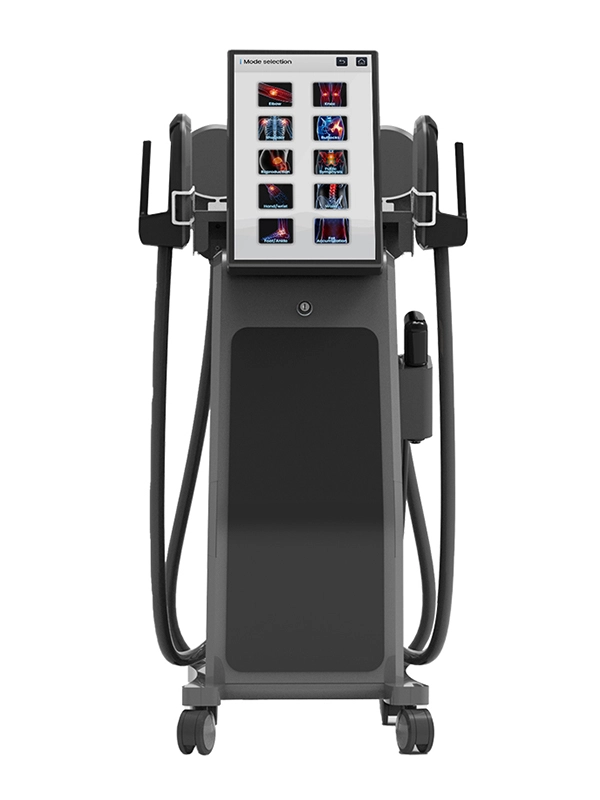
2 in 1 EMS Body sculpt machine cellulite treatment shockwave therapy EMS therapy device EMS machine for muscle stimulation
Goodway's 2-in-1 EMS Body Sculpt Machine utilizes shockwave therapy and EMS technology for effective cellulite reduction and muscle stimulation. This innovative device offers a combined approach to body sculpting, targeting both fat and muscle tone. Experience noticeable improvements with Goodway's advanced shockwave therapy machine.
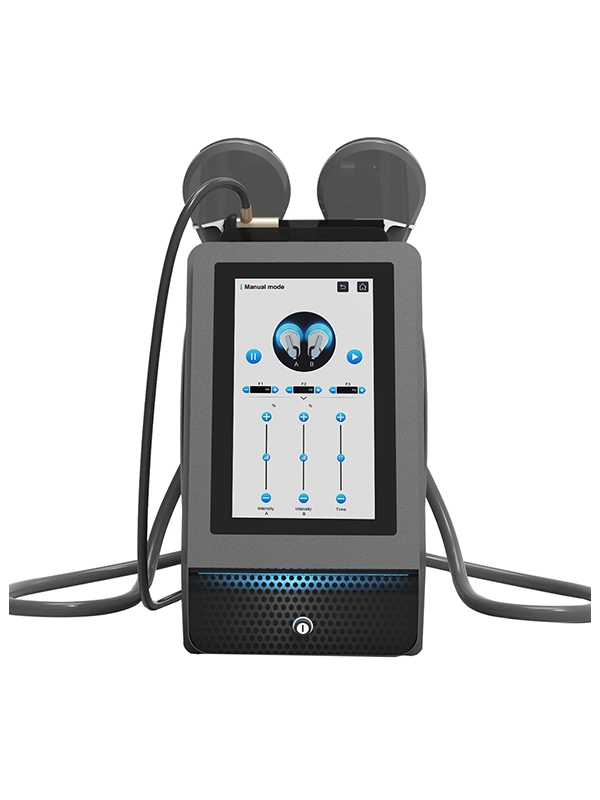
2 in 1 Best EMS beauty device shockwave therapy device body contouring shockwave ems muscle stimulator Machine
Goodway's Shockwave + MES Beauty Device is an advanced dual-therapy system combining shockwave technology for deep-tissue healing—reducing inflammation, relieving arthritis pain, and accelerating recovery—with MES electrostimulation to strengthen muscles without strain. This non-invasive, drug-free solution enhances mobility and rehabilitation, perfect for both clinical and home use.

K3 Cavitation machine Achieve Effortless Fat Loss with Our Advanced massage machine
Experience the transformative power of the Goodway's K3 Cavitation Machine. This advanced massage machine targets stubborn fat effortlessly, doubling as an effective cellulite massager. Achieve your desired body contour with ease. Discover unparalleled fat loss results today.
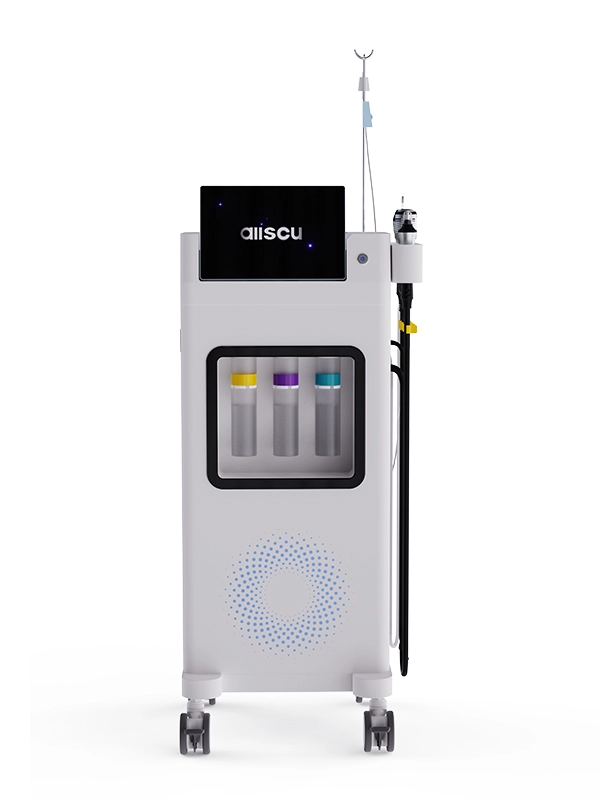
Professional Facial Spa Equipment Aqua Peel Facial Machine for Deep Cleansing and Hydration
Goodway's K8 Hydrafacial Machine is an all-in-one skin rejuvenation system that combines high-pressure deep cleansing, ice hammer pore tightening, plasma acne treatment, diamond microdermabrasion, and ultrasonic pore purification to remove impurities, reduce inflammation, and promote cell renewal—leaving skin smoother, brighter, and healthier.
 Scan QR Code
Instagram