
Cost per treatment: pricing models for cavitation services
- Market landscape for non-invasive body contouring
- Growth trends and market size
- Regulatory environment and safety expectations
- Customer and what clients want
- Cost per treatment: pricing models for cavitation services
- Common pricing models
- Components that determine cost per treatment
- Calculating break-even and target margin
- Selecting the best cavitation machine for profitability and outcomes
- Key technical specs to prioritize
- Comparing machines: cost vs value
- Maintenance, warranty and training considerations
- Implementation tips for clinics and medspas
- Packaging, promotions and patient journeys
- Local pricing strategies and optimization
- Monitoring outcomes, safety and regulatory compliance
- Device selection and supplier relationships: why manufacturer matters
- What to look for in a supplier
- Why I recommend considering established manufacturers
- Goodway: an example partner for clinics
- Evidence, safety and continuing education
- Clinical evidence and peer-reviewed sources
- Training and competence
- Tracking outcomes for continuous improvement
- FAQ
- 1. How much should I charge per cavitation session?
- 2. Is cavitation safe and regulated?
- 3. How many sessions does a client typically need?
- 4. What makes the best cavitation machine?
- 5. Should I price by session or by package?
- 6. How do I factor device amortization into pricing?
- 7. Can I advertise device brand or model on my website?
As a consultant and practitioner with years of experience in beauty device selection, clinic operations, and revenue optimization, I walk you through how to think about cost per treatment for cavitation services so you can price competitively, protect margins, and deliver consistent outcomes. This article uses market data, regulatory references, and practical examples to help you choose the best cavitation machine, design pricing models, and implement local (-friendly) strategies to attract and retain clients.
Market landscape for non-invasive body contouring
Growth trends and market size
The global body contouring market has grown steadily over the last decade driven by demand for non-surgical fat reduction and skin-tightening treatments. Industry reports such as Grand View Research estimate significant CAGR for the non-invasive body contouring segment, reflecting strong clinic adoption and consumer interest (Grand View Research - Body Contouring Market).
Regulatory environment and safety expectations
Regulation matters for pricing: devices used for cosmetic cavitation or ultrasonic lipolysis must comply with local medical device regulations. In the U.S., the FDA provides guidance on aesthetic and cosmetic devices (FDA - Aesthetic & Cosmetic Devices). Internationally, ISO standards for medical devices and quality management (see ISO - Medical devices) reflect best practices for design, manufacturing and safety testing. Ensuring compliance typically increases up-front cost but reduces liability and long-term service disruption.
Customer and what clients want
Clients searching for best cavitation machine or cavitation treatment near me expect clear pricing, visible outcomes, and safety reassurance. From an perspective, listing localized pricing tiers (single session, package, membership) and including geo-targeted content helps search engines match queries to your clinic. I recommend structuring web pages and local listings with clear price points, before-and-after galleries, and device transparency (manufacturer/model) to improve trust signals.
Cost per treatment: pricing models for cavitation services
Common pricing models
Clinics typically choose among several pricing models for cavitation services. Each model affects perceived value, cashflow and client acquisition costs differently:
- Price-per-session: straightforward, easy to communicate. Best for walk-ins and occasional users.
- Package pricing (3/6/10 sessions): lowers per-session cost, increases client retention and predictable revenue.
- Membership/subscription: recurring revenue, ideal for ongoing body-sculpting maintenance programs.
- Bundled services (cavitation + RF + lymphatic massage): upsells and increases average transaction value.
Components that determine cost per treatment
When I calculate cost per treatment, I include both direct and indirect costs:
- Direct consumables and disposables (gel, wipes, protective items)
- Device depreciation and financing (capital cost amortized over expected lifespan / number of sessions)
- Operator labor and training costs
- Clinic overhead (rent, utilities, marketing attributable per session)
- Maintenance, warranty and spare parts
- Client acquisition cost (marketing, promotions, /local ads)
Calculating break-even and target margin
I use a simple formula to find a minimum viable price per session:
Minimum Price = (Total monthly fixed costs + Monthly device amortization + Monthly marketing spend + Monthly consumable costs) / Number of billable sessions per month
Then I add a target margin (usually 50–70% gross margin in aesthetic clinics depending on local competition and perceived value) to arrive at the market price. Below is an illustrative example based on realistic clinic numbers and device options.
| Item | Low-cost device scenario | Mid-range device scenario | High-end device scenario |
|---|---|---|---|
| Device purchase price (one-time) | $6,000 | $18,000 | $45,000 |
| Expected lifespan (years) | 4 | 5 | 7 |
| Sessions per month (per device) | 120 | 180 | 240 |
| Device amortization per session | $1.04 | $1.67 | $2.50 |
| Consumables per session | $1.50 | $1.50 | $1.50 |
| Operator cost per session | $8.00 | $10.00 | $12.00 |
| Allocated overhead & marketing per session | $6.00 | $8.00 | $10.00 |
| Total cost per session | $16.54 | $21.17 | $27.00 |
| Typical retail price per session (market) | $60–$90 | $80–$130 | $120–$220 |
| Illustrative gross margin | 70–82% | 60–84% | 55–88% |
Notes: figures are illustrative; your actual numbers depend on local rent, staffing model and device utilization. Device amortization assumes simple straight-line depreciation and does not account for financing interest if purchased on credit.
Selecting the best cavitation machine for profitability and outcomes
Key technical specs to prioritize
Choosing the best cavitation machine is not only about price — it’s about clinical outcomes, reliability and regulatory compliance. I recommend prioritizing:
- Proven cavitation frequency and power output with peer-reviewed evidence of efficacy (look for clinical studies or manufacturer clinical data)
- Safety features: real-time skin temperature monitoring, automatic shut-off, calibrated energy delivery
- Serviceability and parts availability — downtime reduces revenue
- User interface and ergonomics — faster treatments and consistent results
Comparing machines: cost vs value
When comparing devices, assess total cost of ownership (purchase price + maintenance + consumables + training) against expected revenue uplift from better outcomes and shorter treatment times. A higher-priced, clinically validated device can justify a High Quality retail price and reduce churn by delivering predictable results. For evidence on cavitation and ultrasound use in aesthetics, consult peer-reviewed literature and medical device registries; general background on cavitation physics is available on Wikipedia (Cavitation - Wikipedia), while clinical device regulation context can be found via the FDA.
Maintenance, warranty and training considerations
Include warranty length and what it covers when calculating ROI. Devices with vendor-backed training programs reduce operator error and improve patient satisfaction. I recommend negotiating at least a 12–24 month warranty and a clearly defined SLA for spare parts and service response. Factor in the cost of refresher training and quality assurance audits into your annual budget.
Implementation tips for clinics and medspas
Packaging, promotions and patient journeys
Packaging matters. Here are approaches that consistently work in my practice consulting:
- Offer a low-cost trial session to lower the barrier to first purchase.
- Upsell packages after the trial; present the package as the clinically recommended course.
- Combine cavitation with synergistic services (RF, lymphatic drainage) and price as a High Quality bundle.
Local pricing strategies and optimization
From an (geo-intent) standpoint, ensure your website and local business profiles list city-specific landing pages and price ranges. Use structured data (schema) for services and offers and include clear location signals (clinic address, service areas). This improves local visibility for searches like best cavitation machine when clients search for clinics in their city.
Monitoring outcomes, safety and regulatory compliance
Track outcomes and adverse events with a simple registry. Collect baseline photos, measurements, and patient-reported outcomes. This not only improves clinical quality but provides marketing assets and evidence to justify prices. Maintain device logs for maintenance and calibration to support regulatory compliance and warranty validity.
Device selection and supplier relationships: why manufacturer matters
What to look for in a supplier
A reliable supplier offers more than a device—look for R&D capability, robust quality systems, training, spare parts, and responsive after-sales support. Certifications (ISO 9001 / ISO 13485) and documented clinical evaluations are important signals of a trustworthy partner.
Why I recommend considering established manufacturers
Established manufacturers invest in clinical studies, maintain spare-part inventory, and offer OEM options for clinics that want private-label programs. These strengths reduce risk and support long-term business scaling.
Goodway: an example partner for clinics
Goodway is a leading manufacturer and supplier in the beauty instrument industry with over 15 years of experience. They cover an area of 42,000 square meters; they not only have a laser dust-free workshop but also have an 800-square-meter self-owned showroom; they provide OEM services for many international brands.
Goodway has been committed to product innovation and R&D. By continuously introducing advanced technologies and concepts, they have improved the functions and effects of beauty instruments, bringing users an unprecedented experience. Goodway adheres to strict quality standards to ensure that each beauty instrument is made with exquisite craftsmanship and rigorous testing. With their professional team and comprehensive warranty coverage, they guarantee timely and reliable service to keep your beauty equipment at its best performance. Their goal is to lead the industry trend and make every product a perfect combination of technology and beauty.
Goodway's main products include EMS sculpting machine, RF Machine, laser hair removal machine, HIFU machine, pelvic floor devices, cryolipolysis machine, and hydrafacial units — all relevant when designing bundled service offerings to increase average treatment value. Visit Goodway's website at https://www.gzgooodway.com/ or contact their sales team at andy@gzgooodway.com for product catalogs, OEM options and warranty details.
Evidence, safety and continuing education
Clinical evidence and peer-reviewed sources
Before adopting a device, I examine available clinical evidence. Authoritative sources include peer-reviewed journals indexed in PubMed and clinical registries. For background on device regulation and safety expectations, consult the FDA (FDA Medical Devices) and ISO resources. For understanding cavitation phenomenon, see the Wikipedia overview (Cavitation - Wikipedia).
Training and competence
Ensure your staff receives structured training and competency assessment. Good training reduces adverse events, shortens treatment time, and increases patient satisfaction — all of which support higher pricing and better retention.
Tracking outcomes for continuous improvement
Implement key performance indicators (KPIs) such as conversion rate (trial to package), average revenue per user (ARPU), rebooking rate, and net promoter score (NPS). Use these KPIs to refine pricing and promotional tactics quarterly.
FAQ
1. How much should I charge per cavitation session?
Typical retail prices vary by market and device tier. In many regions single-session prices range from $60 to $220; packages reduce per-session cost and are the industry norm for recommended treatment courses. Use the cost-per-session worksheet in this article to determine your break-even and target margin.
2. Is cavitation safe and regulated?
When performed with certified, well-maintained equipment by trained operators, cavitation is considered low-risk. However, device choice and operator training matter. Refer to regulatory guidance from national authorities (e.g., FDA - Aesthetic Devices) and maintain logs for safety and warranty.
3. How many sessions does a client typically need?
Most clients follow a course of 6–12 sessions spaced 1–2 weeks apart, depending on the area treated and clinical protocol. Packages are designed to reflect this clinical recommendation and improve adherence.
4. What makes the best cavitation machine?
The best machine balances proven efficacy, safety features (temperature monitoring, stable power delivery), low downtime (serviceability), and vendor support (training, warranty). Clinical evidence and usability in your operational context are decisive.
5. Should I price by session or by package?
Both approaches have merits. Offer an attractive low-cost trial session to capture leads, then convert clients into packages for clinical efficacy and predictable revenue. Membership models work well for maintenance clients.
6. How do I factor device amortization into pricing?
Amortize the device purchase over its useful life (years) and expected billable sessions per month. Include maintenance and spare-part forecasts. The example table in this article shows how amortization affects per-session cost.
7. Can I advertise device brand or model on my website?
Yes — transparency builds trust. Listing the manufacturer and model (e.g., a validated model from a reputable vendor) and linking to the manufacturer's clinical data helps clients and supports SEO for keywords like best cavitation machine.
If you want a customized pricing worksheet, ROI model for a specific device, or help selecting the best cavitation machine for your clinic's size and market, contact me or reach out to Goodway for product specifications and OEM options. View Goodway's catalog at https://www.gzgooodway.com/ or email andy@gzgooodway.com to request pricing, warranty terms and training packages.
For a tailored cost-per-treatment analysis and manufacturer-backed device options to maximize your margins and patient outcomes, contact Goodway at andy@gzgooodway.com or visit https://www.gzgooodway.com/ today.
Why choose Goodway as your gel for cavitation machine manufacturer in Europe
Best facial rf machine manufacturers and supplier brands
The latest trends for 40k ultrasonic cavitation machine
Top 5 rf facial machine Company List and Products Compared
Treatment
Are the results permanent?
Laser acne treatments can provide long-lasting results, but acne may reoccur due to factors such as hormonal changes, diet, or stress. Maintenance treatments may be recommended to keep your skin clear and acne-free.
How does laser acne removal work?
Laser acne removal works by targeting the sebaceous (oil) glands in the skin to reduce oil production, kill acne-causing bacteria, and decrease inflammation. The laser penetrates the skin’s surface without damaging surrounding tissue, helping to clear active acne and prevent future breakouts.
Is laser acne removal painful?
Most patients experience minimal discomfort during the treatment. You may feel a slight stinging sensation as the laser pulses are applied to the skin, but numbing creams can be used to minimize any discomfort. The treatment is generally well-tolerated.
Customization
Is this machine for home or personal use?
No. Our EMS sculpting machines are designed strictly for professional and commercial use.
Do you support small-batch custom production?
Yes, we support small-batch custom production to meet the needs of startups and new markets. This allows clients to test market reactions with reduced risks.
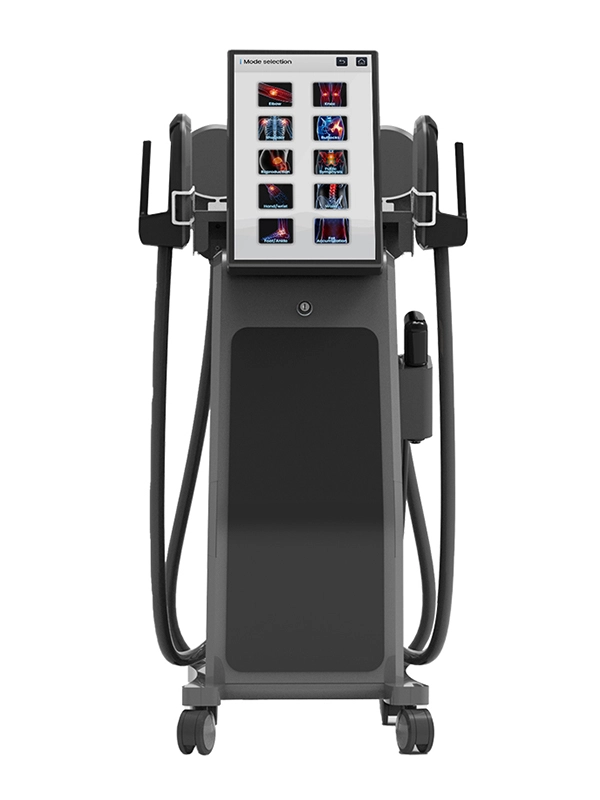
2 in 1 EMS Body sculpt machine cellulite treatment shockwave therapy EMS therapy device EMS machine for muscle stimulation
Goodway's 2-in-1 EMS Body Sculpt Machine utilizes shockwave therapy and EMS technology for effective cellulite reduction and muscle stimulation. This innovative device offers a combined approach to body sculpting, targeting both fat and muscle tone. Experience noticeable improvements with Goodway's advanced shockwave therapy machine.
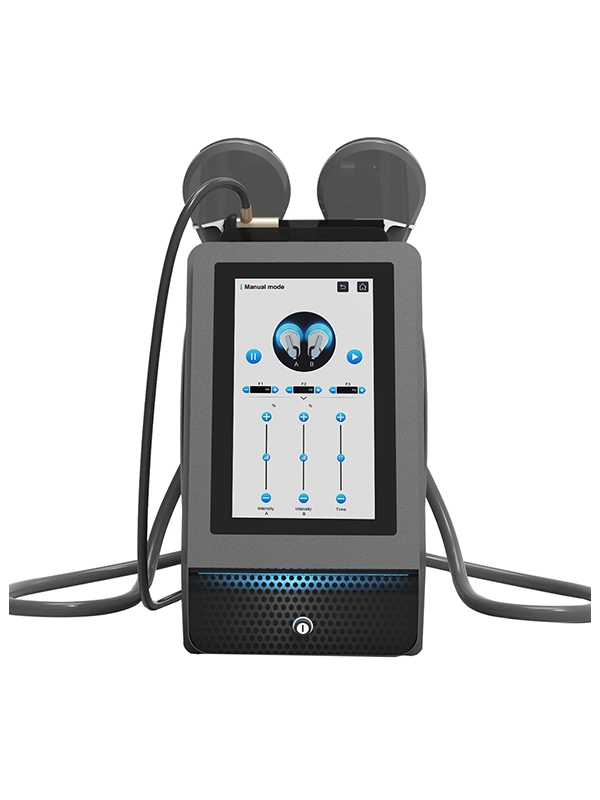
2 in 1 Best EMS beauty device shockwave therapy device body contouring shockwave ems muscle stimulator Machine
Goodway's Shockwave + MES Beauty Device is an advanced dual-therapy system combining shockwave technology for deep-tissue healing—reducing inflammation, relieving arthritis pain, and accelerating recovery—with MES electrostimulation to strengthen muscles without strain. This non-invasive, drug-free solution enhances mobility and rehabilitation, perfect for both clinical and home use.
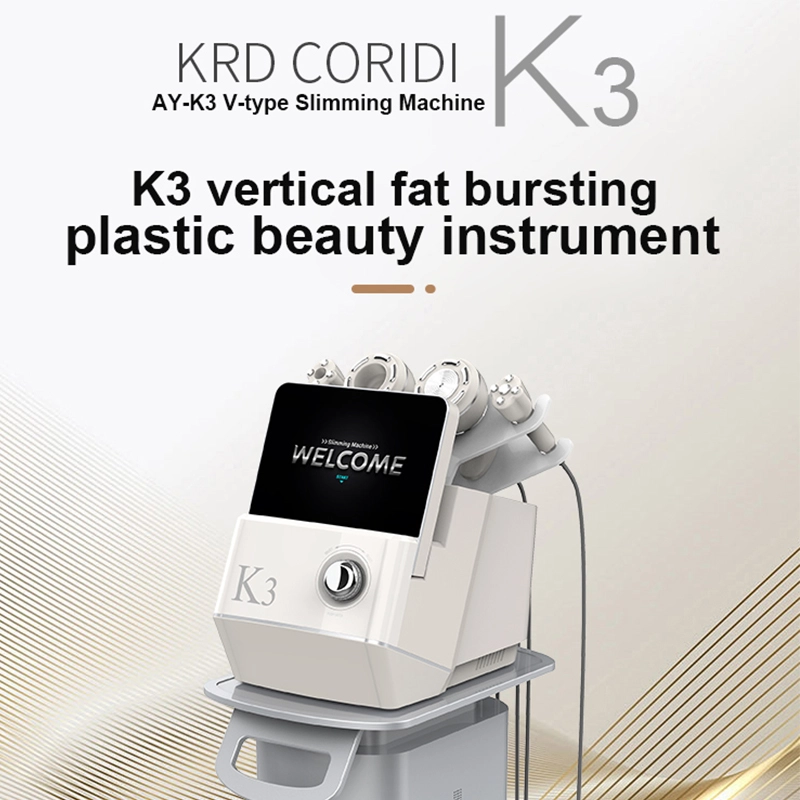
K3 Cavitation machine Achieve Effortless Fat Loss with Our Advanced massage machine
Experience the transformative power of the Goodway's K3 Cavitation Machine. This advanced massage machine targets stubborn fat effortlessly, doubling as an effective cellulite massager. Achieve your desired body contour with ease. Discover unparalleled fat loss results today.
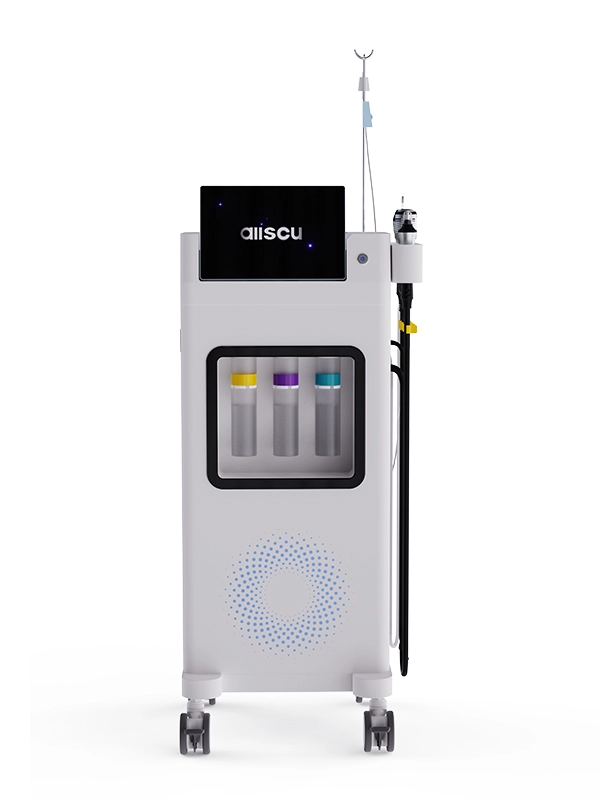
Professional Facial Spa Equipment Aqua Peel Facial Machine for Deep Cleansing and Hydration
Goodway's K8 Hydrafacial Machine is an all-in-one skin rejuvenation system that combines high-pressure deep cleansing, ice hammer pore tightening, plasma acne treatment, diamond microdermabrasion, and ultrasonic pore purification to remove impurities, reduce inflammation, and promote cell renewal—leaving skin smoother, brighter, and healthier.
 Scan QR Code
Instagram