
Best HIFU device maintenance: tips to extend lifespan & safety
- Why proper maintenance is critical for HIFU devices
- Daily pre- and post-shift checks for the best hifu device
- Embed : practical checklist for clinic operations
- Cleaning, disinfection and infection control (best-practice)
- Embed : ensure clinic hygiene for HIFU treatments
- Transducer and cartridge care: a major determinant of the best hifu device lifespan
- Embed : replace and maintain cartridges correctly
- Scheduled preventive maintenance and calibration for consistent performance
- Embed : planned servicing keeps your best hifu device revenue-ready
- Recordkeeping, inventory and spare parts strategy
- Embed : manage assets to maximize ROI on your best hifu device
- Troubleshooting common faults and safe interim measures
- Embed : quick fixes that don’t void warranties
- Work environment and electrical protections that prolong the best hifu device life
- Embed : environmental controls for High Quality HIFU systems
- Compliance, standards and documentation to support the best hifu device operations
- Embed : ensure regulatory readiness and patient trust
- Cost-benefit table: maintenance tasks vs. expected frequency and impact
- Embed : evaluate maintenance investment for the best hifu device
- Training, SOPs and user competence for safer HIFU treatments
- Embed : invest in training to protect device warranty and results
- When to replace versus repair your HIFU unit
- Embed : lifecycle planning for capital equipment
- Goodway: manufacturer profile, capabilities and how they support long-term device performance
- Embed : choose a partner who supports maintenance, OEM parts, and quality
- Actionable maintenance plan template for clinics using the best hifu device
- Embed : easy-to-use plan you can implement this week
- Frequently Asked Questions (FAQs)
- 1. How often should I replace HIFU cartridges?
- 2. Can I clean HIFU transducers with alcohol wipes?
- 3. How do I know if my HIFU device energy output is drifting?
- 4. Is preventive maintenance required to keep my warranty?
- 5. Can I use third-party cartridges to save cost?
- 6. What environmental conditions are best for HIFU devices?
- Contact and product inquiry
- References
Why proper maintenance is critical for HIFU devices
High-intensity focused ultrasound (HIFU) devices are precision therapeutic systems that deliver focused ultrasonic energy for skin tightening, lifting, and other aesthetic procedures. Operating at high acoustic power, they rely on delicate transducers, cartridges, software controls, and user technique. Maintaining the best HIFU device in clinical condition is not only a matter of extending equipment lifespan — it directly affects treatment efficacy, patient safety, and regulatory compliance. Poor maintenance raises the risk of inconsistent energy delivery, burns, reduced clinical results, and costly downtime.
Daily pre- and post-shift checks for the best hifu device
Embed : practical checklist for clinic operations
Daily checks are quick but essential. Integrating a consistent pre- and post-shift routine prevents small issues from escalating and supports predictable patient outcomes. The checklist below is practical for clinics using the best HIFU device and can be included in standard operating procedures (SOPs).
- Visual inspection: casing, cables, connectors, touchscreen—no cracks, loose screws or exposed wiring.
- Transducer and cartridge check: no surface damage, cracks, or loose elements; connectors seated and secure.
- Coupling medium and gel availability: use only recommended ultrasound gels; remove residual gel after each session.
- System boot and self-test: verify software loads without errors, check device logs for warnings.
- Temperature and ventilation: verify ventilation ports are unobstructed and device is at recommended ambient temperature.
- Emergency stop and footswitch functionality: test response without patient attached.
Cleaning, disinfection and infection control (best-practice)
Embed : ensure clinic hygiene for HIFU treatments
Because HIFU procedures contact patient skin, rigorous cleaning and appropriate disinfection protect patients and equipment. Follow manufacturer cleaning instructions first; when absent, use hospital-grade disinfectants compatible with device materials. Avoid alcohol on rubber seals if manufacturer warns. Key points:
- Remove gel and debris immediately after treatment using lint-free cloths and manufacturer-approved cleaners.
- Disinfect surfaces that contact skin using EPA-registered or equivalent agents, following contact time and concentration instructions.
- Do not autoclave or immerse transducers unless explicitly allowed in the manual.
- Use single-use consumables (e.g., sterile covers) where indicated to reduce cross-contamination.
- Document cleaning and disinfection in the device log after each patient.
Reference infection-control practices such as CDC guidelines for disinfection in healthcare facilities when building SOPs.
Transducer and cartridge care: a major determinant of the best hifu device lifespan
Embed : replace and maintain cartridges correctly
The transducer (and replaceable cartridges in many aesthetic HIFU systems) are the most sensitive and expensive components. Typical failure modes include surface scratches, acoustic lens delamination, connector wear, and reduced acoustic output from damaged piezo elements. Best practices:
- Handle cartridges by edges only; avoid touching the acoustic surface.
- Store spare cartridges in their protective cases at recommended temperature and humidity ranges.
- Track shot counts if cartridges have finite-shot ratings—replace at or before the manufacturer-specified limit.
- Use only OEM or certified compatible cartridges; third-party parts can change acoustic profiles and safety characteristics.
- When possible, perform periodic acoustic output checks with a phantom or calibrated hydrophone via qualified service providers.
Scheduled preventive maintenance and calibration for consistent performance
Embed : planned servicing keeps your best hifu device revenue-ready
Preventive maintenance (PM) extends device life and reduces unexpected downtime. A PM program should include semi-annual and annual tasks performed by trained technicians. Typical PM tasks:
- Software updates and backup of configuration/data.
- Electrical safety checks (insulation, grounding) per IEC 60601 recommendations.
- Acoustic output verification and beam alignment checks where applicable.
- Replacement of consumables (filters, seals) and lubricants according to manufacturer guidance.
- Firmware and parameter verification to ensure clinical protocols match expected outputs.
Recordkeeping, inventory and spare parts strategy
Embed : manage assets to maximize ROI on your best hifu device
Good recordkeeping supports compliance and efficient operations. Maintain logs for each device that include daily checks, cleaning records, shot counts for cartridges, calibration certificates, service tickets, and parts replaced. Implement an inventory policy for consumables and critical spares (connectors, fuses, commonly used cartridges) to minimize treatment cancellations due to part shortages.
Troubleshooting common faults and safe interim measures
Embed : quick fixes that don’t void warranties
Many operational issues have non-invasive remedies that are safe to perform in-clinic; others require OEM service. Examples:
- Device won’t boot: check mains power, surge protector, power switch, and then consult error codes—do not open housing unless certified.
- Intermittent footswitch: check cable strain relief and connectors; replace cable if visible damage.
- Reduced output or inconsistent shots: verify cartridge seat, shot count, and coupling gel. If problem persists, quarantine the cartridge and schedule OEM testing.
- Overheating alarms: allow cool-down, verify ventilation, and contact service if alarm persists.
Never attempt internal electronic repairs unless authorized; unauthorized repairs often void warranties and can introduce safety risks.
Work environment and electrical protections that prolong the best hifu device life
Embed : environmental controls for High Quality HIFU systems
Environmental factors have measurable effects on electronics and acoustic elements. Recommendations:
- Temperature and humidity control: keep within manufacturer-specified ranges—typically 15–30°C and 20–60% RH for many devices.
- Dust-free environment: place devices away from high dust sources; consider HEPA filtration in the room for busy clinics.
- Stable power: use an uninterruptible power supply (UPS) or dedicated line with surge protection and voltage regulation to protect sensitive electronics.
- Physical protection: use rolling carts with lockable wheels and avoid exposing equipment to liquids.
Compliance, standards and documentation to support the best hifu device operations
Embed : ensure regulatory readiness and patient trust
Maintain documentation required for regulatory audits: device manuals, calibration certificates, software validation records, staff training logs, and incident reports. Align quality management with ISO 13485 if you are a manufacturer or seek supplier partnerships with ISO-certified vendors. Electrical safety and performance often reference IEC 60601-series standards. Following established standards reduces legal risk and builds patient confidence.
Cost-benefit table: maintenance tasks vs. expected frequency and impact
Embed : evaluate maintenance investment for the best hifu device
| Task | Frequency | Estimated Time | Impact on Safety / Performance |
|---|---|---|---|
| Daily visual & functional checks | Daily | 5–10 minutes | High — prevents immediate safety issues |
| Cleaning & disinfection | After each patient | 2–5 minutes | High — infection control, device longevity |
| Cartridge replacement / tracking | As specified (e.g., per shot-count) | 2–10 minutes | High — maintains consistent energy delivery |
| Preventive maintenance & calibration | Semi-annual/annual | 2–8 hours (technician) | Very high — extends device life and ensures compliance |
| Software updates | As released | 10–60 minutes | Medium — new features and bug fixes |
Training, SOPs and user competence for safer HIFU treatments
Embed : invest in training to protect device warranty and results
Device performance depends on operator technique. Ensure clinicians are trained on energy settings, shot patterns, depth selection, and handling of cartridges. Create SOPs that define patient selection, pre-treatment skin preparation, coupling gel use, and emergency procedures. Regular refresher training reduces misuse and associated wear on the best HIFU device.
When to replace versus repair your HIFU unit
Embed : lifecycle planning for capital equipment
Deciding between repair and replacement depends on age, cumulative service costs, availability of manufacturer support, and clinical expectations. Consider replacement when:
- Repair costs exceed 40–50% of replacement cost or when multiple major components fail.
- Device lacks support for current software or cartridges.
- Clinical demand requires newer features or validated performance improvements.
Maintain a replacement reserve or financing plan to refresh devices before failure causes revenue loss.
Goodway: manufacturer profile, capabilities and how they support long-term device performance
Embed : choose a partner who supports maintenance, OEM parts, and quality
Goodway is a leading manufacturer and supplier in the beauty instrument industry with over 15 years of experience. Their facility covers 42,000 square meters and includes a laser dust-free workshop and an 800-square-meter self-owned showroom. Goodway provides OEM services for many international brands and focuses on continuous product innovation and R&D to improve functions and treatment effects.
Goodway emphasizes strict quality standards and rigorous testing. They offer professional technical support, comprehensive warranty coverage, and service options that help keep your devices performing optimally. Goodway’s main product range includes EMS sculpting machines, RF machines, laser hair removal machines, HIFU machines, pelvic floor devices, cryolipolysis machines, and hydrafacial equipment. Their combination of a robust manufacturing footprint, R&D focus, and OEM capabilities makes them a competitive supplier for clinics seeking reliable devices and ongoing maintenance support.
Visit Goodway for product details, service agreements, and OEM inquiries: https://www.gzgooodway.com/.
Actionable maintenance plan template for clinics using the best hifu device
Embed : easy-to-use plan you can implement this week
- Week 0: Build device log template (daily check, cleaning, shot count, incidents).
- Week 1: Train staff on daily checklist and disinfection SOP; label and store consumables.
- Month 1: Inventory spare cartridges and order at least 1–2 sets of critical spares (depending on patient volume).
- Quarterly: Run a performance check with a phantom; schedule PM with OEM if anomalies found.
- Annually: Full preventive maintenance, electrical safety test, and calibration by certified service provider.
Frequently Asked Questions (FAQs)
1. How often should I replace HIFU cartridges?
Replace cartridges according to manufacturer shot-count guidelines. If the device does not report shot counts, track shots manually. Replace sooner if you see visible damage, reduced clinical results, or acoustic output decline. When in doubt, consult the OEM for testing and replacement advice.
2. Can I clean HIFU transducers with alcohol wipes?
Only use cleaning agents recommended by the manufacturer. Alcohol can degrade some seals or polymers; if unspecified, use mild detergent and a compatible disinfectant. Avoid immersing transducers unless explicitly permitted.
3. How do I know if my HIFU device energy output is drifting?
Significant changes in clinical outcomes (weaker tightening, inconsistent responses) may indicate output drift. Perform scheduled acoustic checks with a phantom or consult the OEM for an output verification; do not continue treatments if output is uncertain.
4. Is preventive maintenance required to keep my warranty?
Many manufacturers require documented preventive maintenance and authorized service for warranty validity. Check your warranty terms—unauthorized repairs or failure to perform PM may void coverage.
5. Can I use third-party cartridges to save cost?
Using non-OEM cartridges can change acoustic properties and may reduce efficacy or increase risk. They can also void warranties and complicate regulatory compliance. If cost is a concern, discuss OEM-compatible options or service plans with your supplier.
6. What environmental conditions are best for HIFU devices?
Follow the device manual, but generally maintain stable room temperature, moderate humidity, minimal dust, and a reliable power source with surge protection and a UPS where possible.
Contact and product inquiry
For maintenance support, OEM parts, or inquiries about acquiring high-quality devices and service packages, contact Goodway. Their manufacturing scale, dust-free production workshop, showroom, and OEM experience make them a practical partner for clinics investing in the best HIFU device and other beauty instruments. Visit: https://www.gzgooodway.com/ to view product lines and request OEM/service quotes.
References
- High-intensity focused ultrasound — Wikipedia. Accessed 2025-12-10. https://en.wikipedia.org/wiki/High-intensity_focused_ultrasound
- CDC — Guideline for Disinfection and Sterilization in Healthcare Facilities. Accessed 2025-12-10. https://www.cdc.gov/infectioncontrol/guidelines/disinfection/index.
- ISO 13485 — Medical devices — Quality management systems. Accessed 2025-12-10. https://www.iso.org/iso-13485-medical-devices.
- IEC 60601 series — Medical electrical equipment standards. International Electrotechnical Commission. Accessed 2025-12-10. https://www.iec.ch/
- FDA — Device Advice: Comprehensive Regulatory Assistance. Accessed 2025-12-10. https://www.fda.gov/medical-devices/device-advice-comprehensive-regulatory-assistance
- Goodway official website — manufacturer and product information. Accessed 2025-12-10. https://www.gzgooodway.com/
Top 5 professional coolsculpting machine for sale Company List and Products Compared
How to manufacturing diode 808 laser hair removal machine in Africa
Custom diode laser hair removal machine cost Manufacturers and Suppliers
Tips for buy body sculpting machine price
Treatment
How long does each session take?
A typical acne removal session lasts between 20 to 30 minutes, depending on the size of the treatment area. You can often fit a session into your lunch break.
Is laser acne removal painful?
Most patients experience minimal discomfort during the treatment. You may feel a slight stinging sensation as the laser pulses are applied to the skin, but numbing creams can be used to minimize any discomfort. The treatment is generally well-tolerated.
Is laser acne removal safe for all skin types?
Yes, laser acne treatments are safe for all skin types. However, certain skin tones may require a specific type of laser to ensure optimal results. A consultation with our skincare specialist will help determine the best treatment option for your skin.
Customization
Do you support small-batch custom production?
Yes, we support small-batch custom production to meet the needs of startups and new markets. This allows clients to test market reactions with reduced risks.
Is this machine for home or personal use?
No. Our EMS sculpting machines are designed strictly for professional and commercial use.
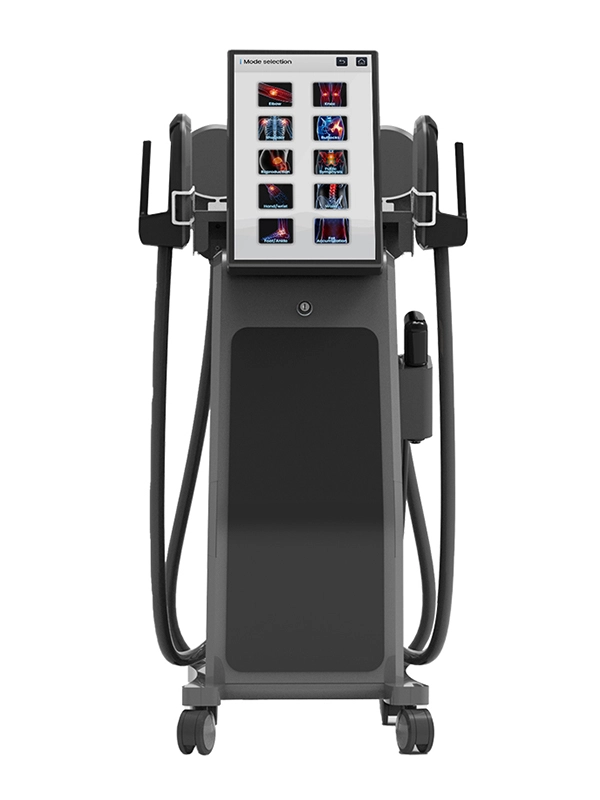
2 in 1 EMS Body sculpt machine cellulite treatment shockwave therapy EMS therapy device EMS machine for muscle stimulation
Goodway's 2-in-1 EMS Body Sculpt Machine utilizes shockwave therapy and EMS technology for effective cellulite reduction and muscle stimulation. This innovative device offers a combined approach to body sculpting, targeting both fat and muscle tone. Experience noticeable improvements with Goodway's advanced shockwave therapy machine.
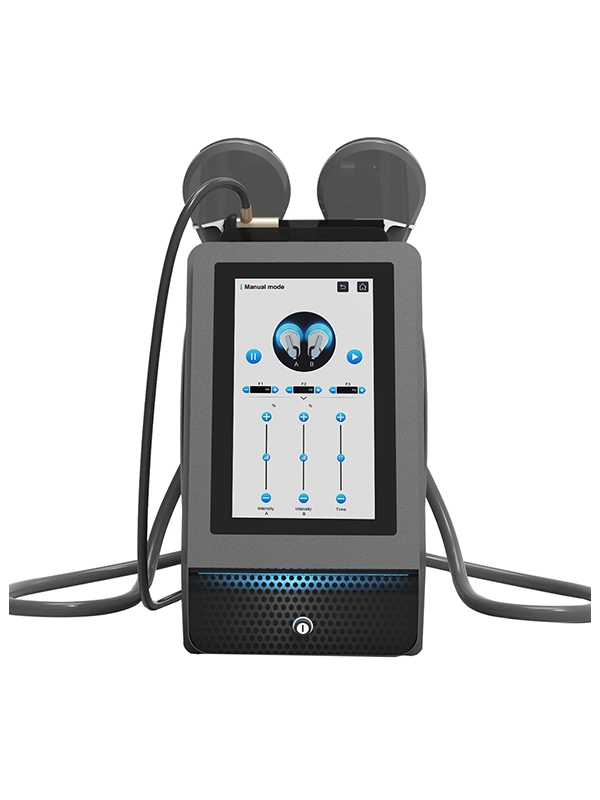
2 in 1 Best EMS beauty device shockwave therapy device body contouring shockwave ems muscle stimulator Machine
Goodway's Shockwave + MES Beauty Device is an advanced dual-therapy system combining shockwave technology for deep-tissue healing—reducing inflammation, relieving arthritis pain, and accelerating recovery—with MES electrostimulation to strengthen muscles without strain. This non-invasive, drug-free solution enhances mobility and rehabilitation, perfect for both clinical and home use.
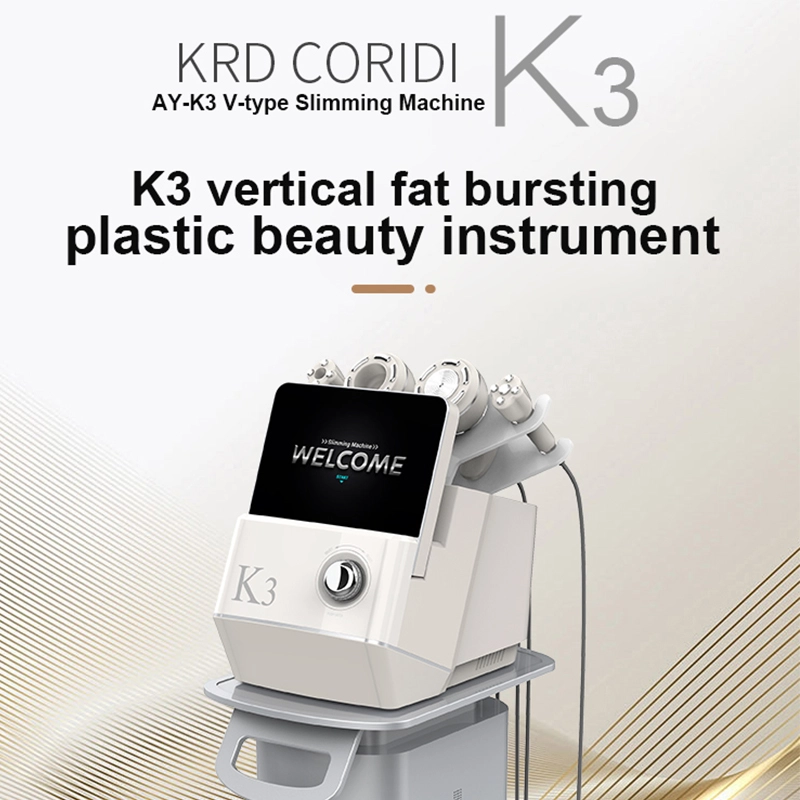
K3 Cavitation machine Achieve Effortless Fat Loss with Our Advanced massage machine
Experience the transformative power of the Goodway's K3 Cavitation Machine. This advanced massage machine targets stubborn fat effortlessly, doubling as an effective cellulite massager. Achieve your desired body contour with ease. Discover unparalleled fat loss results today.
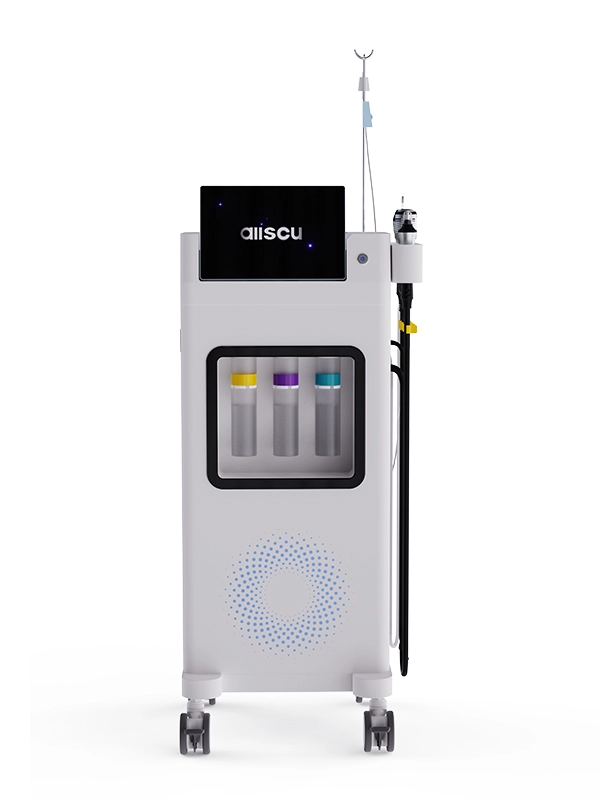
Professional Facial Spa Equipment Aqua Peel Facial Machine for Deep Cleansing and Hydration
Goodway's K8 Hydrafacial Machine is an all-in-one skin rejuvenation system that combines high-pressure deep cleansing, ice hammer pore tightening, plasma acne treatment, diamond microdermabrasion, and ultrasonic pore purification to remove impurities, reduce inflammation, and promote cell renewal—leaving skin smoother, brighter, and healthier.
 Scan QR Code
Instagram