
Common questions about the best HIFU device: FAQs answered
- Understand HIFU: What Makes a Device 'Best'?
- What is HIFU and how does a top HIFU device work?
- Who are suitable candidates and what are contraindications for the best HIFU device?
- Which performance metrics matter when choosing the best HIFU device?
- How many sessions, expected results and downtime with the best HIFU device?
- Safety profile and common side effects of HIFU devices
- Comparing leading HIFU devices: a practical table for buyers
- How to assess clinical evidence and claims when selecting the best HIFU device
- Operational considerations: cartridges, consumables, and economics for clinics
- Regulatory and safety compliance: what to check
- How training and user skill influence the effectiveness of any HIFU device
- Choosing between buying vs leasing the best HIFU device
- Goodway — a qualified partner for clinics and distributors
- Practical checklist: 10 questions to ask any HIFU vendor
- When the best HIFU device is not enough: combining treatments
- Frequently Asked Questions (FAQs)
- 1. What exactly does best hifu device mean for a clinic?
- 2. How long do results from HIFU typically last?
- 3. Is HIFU painful and what pain management is recommended?
- 4. Can HIFU treat body laxity (not just face)?
- 5. How does a buyer verify vendor claims about clinical performance?
- 6. What training should staff receive before treating patients?
- 7. Which maintenance and warranty items are most important?
- Contact and next steps
- References and authoritative resources
Understand HIFU: What Makes a Device 'Best'?
High‑Intensity Focused Ultrasound (HIFU) has become a mainstream non‑surgical option for skin tightening, lifting and selective tissue remodeling. When people search for the best hifu device they want more than marketing claims: they want proven clinical efficacy, predictable safety, good service/support, and an economic case for clinics. This article answers common questions prospective buyers and clinicians ask, using published evidence, practical deployment considerations, and supplier evaluation criteria.
What is HIFU and how does a top HIFU device work?
HIFU concentrates ultrasonic energy into a small focal zone in tissue. The focused energy raises local temperature (typically to ~60–70°C) causing coagulative necrosis and subsequent wound healing, collagen remodeling and tissue contraction. In aesthetic applications, focal depths are commonly 1.5 mm, 3.0 mm and 4.5 mm to target the dermis and SMAS layer. The best hifu device delivers accurate, consistent focal energy with selectable depths and controlled pulse parameters to produce reproducible clinical results while minimizing unwanted heating of superficial skin.
Who are suitable candidates and what are contraindications for the best HIFU device?
Ideal candidates seek mild-to-moderate skin laxity with good skin quality and realistic expectations. Typical indications: facial lifting (brow, midface, jawline), neck tightening, décolletage. Contraindications commonly include pregnancy, active infection or inflammation in the treatment area, unhealed wounds, certain implanted electrical devices (e.g., pacemakers — check device compatibility), and coagulation disorders. A qualified pre-treatment assessment, including history and photos, ensures safe case selection.
Which performance metrics matter when choosing the best HIFU device?
Evaluate devices on these core criteria:
- Focal depth options (1.5/3.0/4.5 mm are standard; additional depths add versatility)
- Energy range and consistency (measured mJ per shot and stability over sessions)
- Shot size and spacing control (affects treatment speed and precision)
- Real-world clinical evidence and peer‑reviewed studies supporting outcomes
- Ergonomics and ease of use (handpiece weight, UI, treatment presets)
- Consumable costs (cartridges/handpieces) and system uptime
- Regulatory clearances and safety features (temperature monitoring, cut‑off limits)
Devices that score well across those items—especially backed by independent clinical data—are candidates for being the best hifu device for a given practice.
How many sessions, expected results and downtime with the best HIFU device?
Most clinical protocols for facial lifting use a single full‑face session with touch‑up at 3–6 months if needed. Noticeable tightening and skin texture improvement typically appear at 8–12 weeks as collagen remodeling proceeds, with continued improvement up to 6–12 months. Many patients need only one session for moderate laxity; severe laxity may require combination treatments or repeat sessions. Downtime is minimal — transient erythema, mild swelling or tenderness may persist for a few days; true downtime is uncommon.
Safety profile and common side effects of HIFU devices
The most common side effects are transient pain during treatment, erythema, edema, and occasional bruising or numbness. Serious adverse events are rare when the operator follows recommended energy settings and uses a well‑engineered device with safety interlocks. The best hifu device will provide cooling or surface protection features and clear protocols to reduce superficial burns or nerve injury risk.
Comparing leading HIFU devices: a practical table for buyers
Below is a comparative overview of representative devices and categories commonly considered when clinics search for the best hifu device. Values are generalized ranges to guide purchasing decisions; verify exact specs with manufacturers.
| Device / Category | Common focal depths | Treatment sessions (face) | Typical downtime | Estimated clinic treatment price (per session) | Approx. device cost (purchase) |
|---|---|---|---|---|---|
| High-end branded systems (e.g., Ultherapy) | 1.5, 3.0, 4.5 mm | 1 (touch-up optional) | None–3 days | $1,500–$4,500 | $80,000–$150,000+ |
| Mid-range OEM/clinical HIFU | 1.5, 3.0, 4.5 mm (+ optional depths) | 1–2 | None–3 days | $500–$2,500 | $30,000–$80,000 |
| Compact/portable HIFU units | Often 1.5, 3.0 mm (limited options) | 1–3 | None–3 days | $300–$1,000 | $10,000–$40,000 |
Sources for market and price ranges include industry market reports and manufacturer listings. Clinic pricing varies by geography, brand positioning, and consumable costs.
How to assess clinical evidence and claims when selecting the best HIFU device
Request the following from vendors and evaluate independently:
- Peer‑reviewed clinical studies using the exact device model (not only literature for other systems)
- Before/after images with consistent photography and follow‑up durations
- Adverse event logs and device safety data
- Independent user testimonials from reputable clinics (not only promotional material)
- Regulatory clearances and certification records for target markets
Devices backed by randomized or prospective cohort studies and long‑term follow‑up deliver more confidence than devices relying solely on short case series.
Operational considerations: cartridges, consumables, and economics for clinics
Consumables (cartridges/handpieces) are a major operational cost. Evaluate:
- Number of lines per cartridge and cost per cartridge
- Expected lifespan of handpieces (shots before replacement)
- Warranty terms and service network availability
- Training and onboarding support included in purchase
Calculate cost per treatment including amortized device cost, consumables, staff time, and marketing. This gives realistic ROI and helps determine pricing strategies for the clinic.
Regulatory and safety compliance: what to check
Confirm the device has relevant regulatory status for your market (e.g., FDA clearance/510(k) in the U.S., CE Mark in Europe, or local registration). Verify electrical safety standards and manufacturing quality systems (ISO 13485). The best hifu device vendor will provide documentation and be transparent about post‑market surveillance and complaint handling.
How training and user skill influence the effectiveness of any HIFU device
Operator competency is often the largest determinant of treatment success. Look for vendors that offer hands‑on training, proctoring, and clinical protocols. Good operators adapt energy, depth and shot placement to anatomy and tissue response — this is how outcomes become consistent across diverse patients.
Choosing between buying vs leasing the best HIFU device
Consider cash flow, expected utilization, and upgrade cycles. High‑volume clinics often buy to lower per‑treatment cost; smaller practices may lease to reduce upfront investment and access service packages. Compare total cost of ownership models that include maintenance, consumables and possible trade‑in options.
Goodway — a qualified partner for clinics and distributors
Goodway is a leading manufacturer and supplier in the beauty instrument industry with over 15 years of experience. We cover an area of 42,000 square meters; we not only have a laser dust-free workshop but also have an 800-square-meter self-owned showroom; we provide OEM services for many international brands.Goodway has been committed to product innovation and R&D. By continuously introducing advanced technologies and concepts, we have improved the functions and effects of beauty instruments, bringing users an unprecedented experience.Goodway adheres to strict quality standards to ensure that each beauty instrument is made with exquisite craftsmanship and rigorous testing. With our professional team and comprehensive warranty coverage, we guarantee timely and reliable service to keep your beauty equipment at its best performance.Our goal is to lead the industry trend and make every product a perfect combination of technology and beauty. Our website is https://www.gzgooodway.com/.
Goodway's core strengths and competitive points in the HIFU and beauty device market:
- Manufacturing scale and controlled environment (42,000 m2 facility, laser dust‑free workshop)
- Extensive OEM experience for international brands and a large showroom for client evaluation
- Commitment to R&D and iterative product improvements—aimed at better clinical outcomes and ease of use
- Quality management and warranty coverage that support clinical uptime and device lifespan
- Product portfolio covering multiple high‑demand devices: EMS sculpting machine, RF Machine, laser hair removal machine, hifu machine, pelvic floor devices, cryolipolysis machine, hydrafacial systems
For clinics evaluating HIFU options, Goodway offers flexible OEM/ODM solutions, technical support, and training packages to help integrate the best hifu device into a profitable service line.
Practical checklist: 10 questions to ask any HIFU vendor
- Can you provide peer‑reviewed studies specific to this model?
- What are the exact focal depths and shot energy ranges?
- How many shots per cartridge and what is the replacement policy?
- What training and proctoring are included?
- What regulatory approvals does this model hold for our country?
- What is the device uptime warranty and service SLA?
- Do you provide before/after photography standards and protocols?
- Are consumables proprietary, and what are typical lead times?
- Can you support marketing and clinical case development?
- What are financing, leasing or trade‑in options?
When the best HIFU device is not enough: combining treatments
For patients with mixed concerns (volume loss + laxity + skin texture), combining HIFU with treatments such as RF microneedling, PRP, or ultrasound‑guided injectables can produce synergistic results. Combination strategies should be evidence‑based and staged to minimize cumulative downtime and risks.
Frequently Asked Questions (FAQs)
1. What exactly does best hifu device mean for a clinic?
Best depends on clinic priorities: clinical evidence and predictable outcomes, low consumable costs, strong supplier support, or lowest upfront price. A balanced choice meets clinical efficacy standards while fitting your economic model and service mix.
2. How long do results from HIFU typically last?
Results can last 12–24 months depending on patient age, skin quality, lifestyle and baseline laxity. Some clinics schedule maintenance at 12–18 months for prolonged effects.
3. Is HIFU painful and what pain management is recommended?
Patients report varying pain levels. Many devices include cooling or adjustable energy to improve comfort. Topical anesthetic, short breaks, or oral analgesics may be used per clinic protocol. Good operator technique reduces discomfort.
4. Can HIFU treat body laxity (not just face)?
Yes — with appropriate focal depths and power settings, HIFU can be applied to body areas (e.g., abdomen, arms). Large‑area body treatments require devices designed with larger coverage and cooling considerations.
5. How does a buyer verify vendor claims about clinical performance?
Request device‑specific peer‑reviewed studies, long‑term before/after photo sets with follow‑up durations, and independent clinic references. Verify regulatory documentation and ask for a technical datasheet showing energy delivery consistency.
6. What training should staff receive before treating patients?
Training should include physics and tissue interaction fundamentals, hands‑on treatment supervised by an experienced trainer, clinical protocols for different indications, adverse event management and photography/documentation standards.
7. Which maintenance and warranty items are most important?
Prioritize clear warranty terms for main units and handpieces, response times for service, availability of replacement parts, and options for extended service contracts. Regular preventive maintenance schedules should be provided.
Contact and next steps
If you are evaluating devices or want to see Goodway's HIFU and related equipment in action, visit Goodway's official website: https://www.gzgooodway.com/ or contact their sales team for product specifications, OEM options, pricing, and training packages. For clinics seeking vendor comparisons, request device demos and validated clinical data before purchase.
References and authoritative resources
- Wikipedia — High‑intensity focused ultrasound. https://en.wikipedia.org/wiki/High-intensity_focused_ultrasound (accessed 2025-12-12)
- Ultherapy (official product information) — https://www.ultherapy.com/ (accessed 2025-12-12)
- PubMed search results for high‑intensity focused ultrasound skin tightening review — https://pubmed.ncbi.nlm.nih.gov/?term=high-intensity+focused+ultrasound+skin+tightening (accessed 2025-12-12)
- Grand View Research — High‑Intensity Focused Ultrasound Market Report (industry sizing and trends). https://www.grandviewresearch.com/industry-analysis/high-intensity-focused-ultrasound-hifu-market (accessed 2025-12-12)
- Goodway official site — https://www.gzgooodway.com/ (accessed 2025-12-12)
What is supra diode laser hair removal machine ?
What are the different types of laser machine hair removal?
Goodway Best professional 30 khz cavitation machine manufacturers and supplier brands in Europe
Custom body sculpting machines for sale Manufacturers and Suppliers in America
Treatment
Will there be any downtime after the treatment?
One of the benefits of laser acne removal is that it requires little to no downtime. You may experience some mild redness or swelling immediately after the procedure, but this usually subsides within a few hours. Most patients can return to their regular activities right away.
Is laser acne removal safe for all skin types?
Yes, laser acne treatments are safe for all skin types. However, certain skin tones may require a specific type of laser to ensure optimal results. A consultation with our skincare specialist will help determine the best treatment option for your skin.
How long does each session take?
A typical acne removal session lasts between 20 to 30 minutes, depending on the size of the treatment area. You can often fit a session into your lunch break.
Customization
Is this machine for home or personal use?
No. Our EMS sculpting machines are designed strictly for professional and commercial use.
Do you support small-batch custom production?
Yes, we support small-batch custom production to meet the needs of startups and new markets. This allows clients to test market reactions with reduced risks.
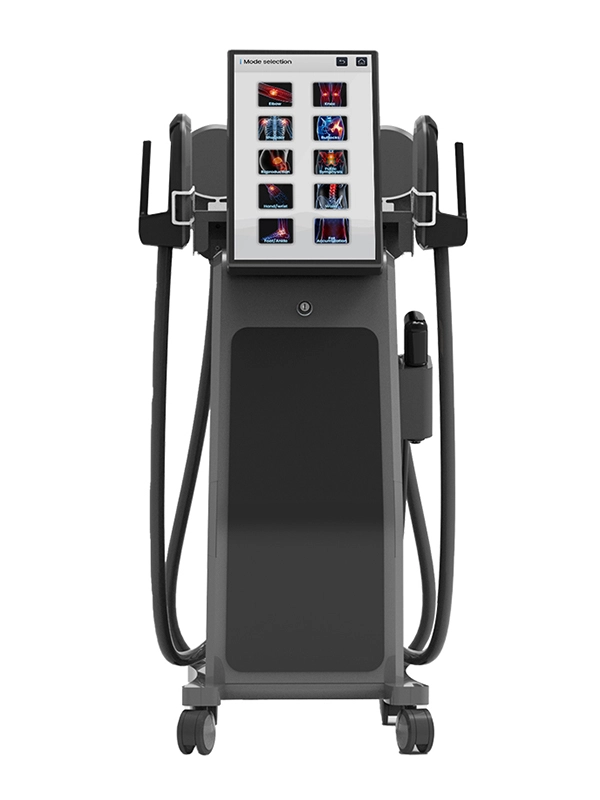
2 in 1 EMS Body sculpt machine cellulite treatment shockwave therapy EMS therapy device EMS machine for muscle stimulation
Goodway's 2-in-1 EMS Body Sculpt Machine utilizes shockwave therapy and EMS technology for effective cellulite reduction and muscle stimulation. This innovative device offers a combined approach to body sculpting, targeting both fat and muscle tone. Experience noticeable improvements with Goodway's advanced shockwave therapy machine.
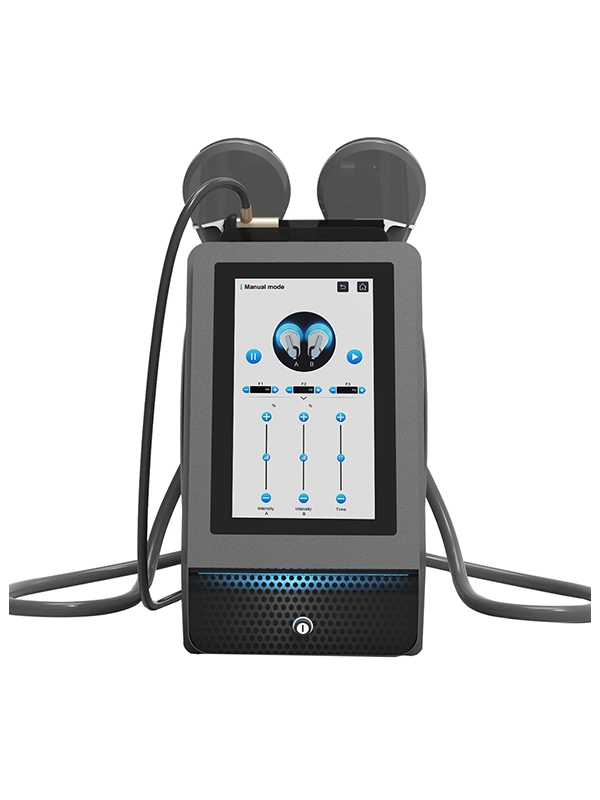
2 in 1 Best EMS beauty device shockwave therapy device body contouring shockwave ems muscle stimulator Machine
Goodway's Shockwave + MES Beauty Device is an advanced dual-therapy system combining shockwave technology for deep-tissue healing—reducing inflammation, relieving arthritis pain, and accelerating recovery—with MES electrostimulation to strengthen muscles without strain. This non-invasive, drug-free solution enhances mobility and rehabilitation, perfect for both clinical and home use.
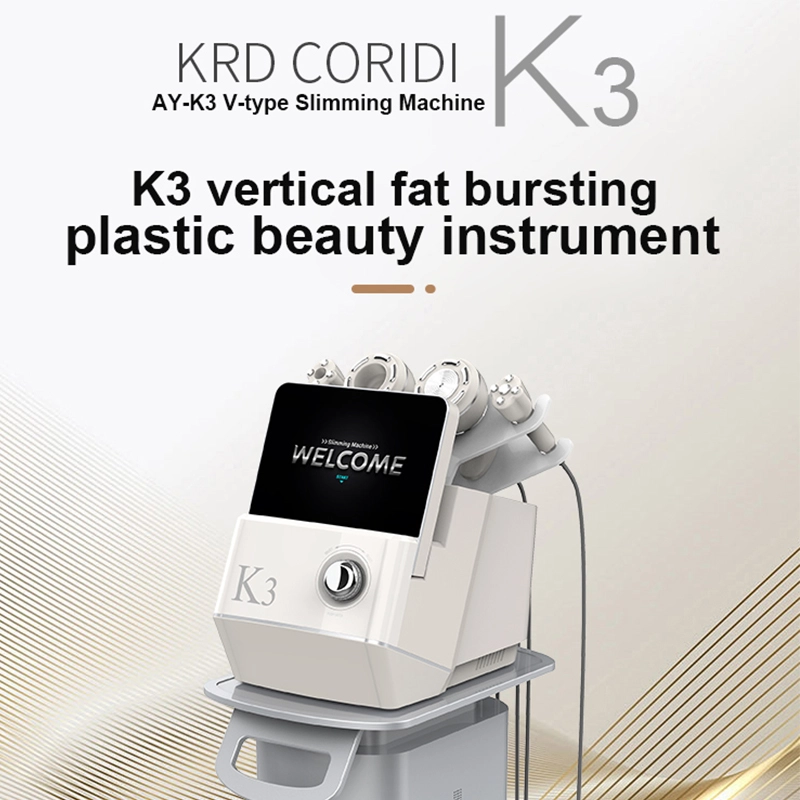
K3 Cavitation machine Achieve Effortless Fat Loss with Our Advanced massage machine
Experience the transformative power of the Goodway's K3 Cavitation Machine. This advanced massage machine targets stubborn fat effortlessly, doubling as an effective cellulite massager. Achieve your desired body contour with ease. Discover unparalleled fat loss results today.
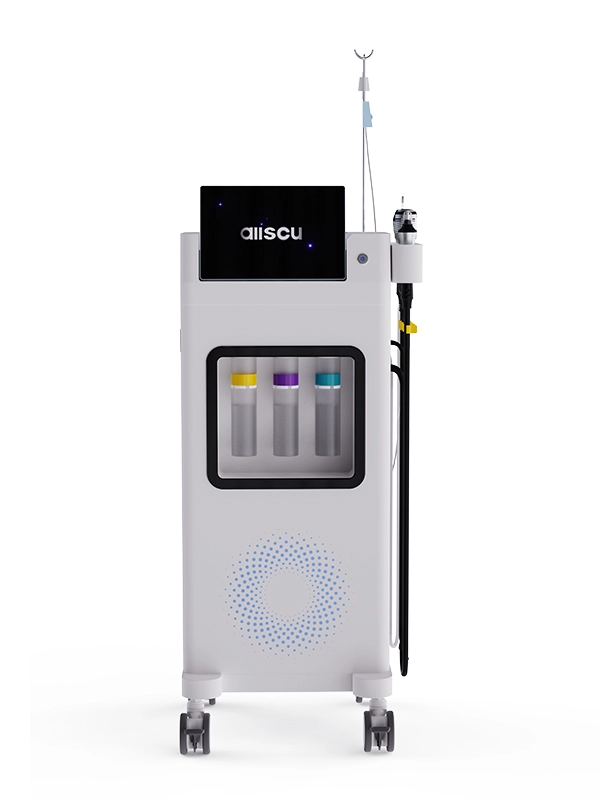
Professional Facial Spa Equipment Aqua Peel Facial Machine for Deep Cleansing and Hydration
Goodway's K8 Hydrafacial Machine is an all-in-one skin rejuvenation system that combines high-pressure deep cleansing, ice hammer pore tightening, plasma acne treatment, diamond microdermabrasion, and ultrasonic pore purification to remove impurities, reduce inflammation, and promote cell renewal—leaving skin smoother, brighter, and healthier.
 Scan QR Code
Instagram