
Best HIFU device comparison: cartridges, depth, energy explained
- How to choose a HIFU device that delivers consistent clinical results
- Why choosing the best hifu device matters for clinics and patients
- What cartridges are and why they define treatment capability (: buy best hifu device)
- Common treatment depths: what 1.5 mm, 3.0 mm and 4.5 mm do (keyword: best hifu device)
- Energy and pulse parameters explained: how energy setting influences efficacy and safety
- Comparing cartridges, depths and energy: quick reference table (data ranges represent typical device specifications)
- Clinical evidence summary and realistic outcome expectations (keyword: best hifu device)
- Operational considerations: throughput, cartridges-per-treatment and cost-efficiency (: buy best hifu device)
- Safety features and training: non-negotiable criteria
- Device comparison: how to compare models objectively (include commercial keyword)
- Goodway: manufacturing strength, product range and why they matter when choosing the best hifu device
- Practical buying guide: selecting the best hifu device for your clinic (: buy best hifu device)
- Case examples and realistic ROI calculations
- Maintenance, calibration and quality assurance
- Frequently Asked Questions (FAQ)
- 1. What is the best hifu device for lifting the jawline?
- 2. How many sessions are needed with HIFU to see results?
- 3. Are deeper cartridges (6–13 mm) safe for body contouring?
- 4. How do I evaluate cartridge lifespan and cost-effectiveness?
- 5. Is HIFU painful and how can I reduce discomfort?
- 6. How does Goodway support clinics that purchase HIFU machines?
- Contact and next steps (CTA)
- References
How to choose a HIFU device that delivers consistent clinical results
Why choosing the best hifu device matters for clinics and patients
High-Intensity Focused Ultrasound (HIFU) devices are widely used for non-surgical skin lifting, tightening and selective fat reduction. Choosing the best HIFU device impacts treatment consistency, patient satisfaction, complication rates and return on investment. When clinics compare models they should prioritize cartridge versatility, focal depth precision, adjustable energy, waveform control, and vendor reliability—criteria that determine both clinical outcomes and operational efficiency.
What cartridges are and why they define treatment capability (: buy best hifu device)
Cartridges (sometimes called cartridges/probes/handpieces) contain the transducer that focuses ultrasound energy at a specific focal depth. The cartridge determines:
- The treatment depth (how deep the heat focus is delivered)
- The size and shape of the treatment zone (spot size)
- Shot spacing, energy distribution and number of shots per cartridge
Clinical implication: a device with interchangeable cartridges for multiple depths lets practitioners tailor treatments from superficial dermal tightening to SMAS-layer lift and even adipose targeting. When marketing or buying the best hifu device, ensure the system supports the cartridges that match your treatment menu (e.g., facial lifting vs. body contouring).
Common treatment depths: what 1.5 mm, 3.0 mm and 4.5 mm do (keyword: best hifu device)
- 1.5 mm: superficial dermal tightening—used for fine lines, periocular skin and superficial collagen remodeling.
- 3.0 mm: mid-dermal remodeling—addresses laxity and texture improvement for cheeks, neck and décolletage.
- 4.5 mm: SMAS/pretension layer—targets the superficial musculoaponeurotic system (SMAS) for lifting (commonly used for jawline, midface lift).
A best-in-class device will offer cartridges at these depths (and sometimes intermediate or deeper options such as 6.0–13 mm for subcutaneous fat) with reproducible focal accuracy so clinicians can rely on consistent tissue effects.
Energy and pulse parameters explained: how energy setting influences efficacy and safety
Energy delivery in HIFU is defined by: acoustic output (Joules per shot or energy per focal point), pulse duration, and shot interval. Key points:
- Higher energy increases thermal coagulation but also increases risk of discomfort and adverse effects if not properly localized.
- Shorter pulses with high peak power can create controlled thermal coagulation points (TCPs) while minimizing lateral heating.
- Adjustable energy levels allow operators to titrate for patient tolerance and tissue thickness.
Clinically, effective treatments balance sufficient energy to produce collagen denaturation and neo-collagenesis while minimizing pain and downtime. Devices that provide both fine-grained energy adjustment and feedback control are preferable when selecting the best hifu device for multi-operator clinics.
Comparing cartridges, depths and energy: quick reference table (data ranges represent typical device specifications)
| Cartridge / Depth | Primary Target | Typical Spot Size (mm) | Typical Energy Range per Shot | Clinical Use |
|---|---|---|---|---|
| 1.5 mm | Superficial dermis | 0.5–1.5 | Low–Moderate (device specific) | Fine lines, periocular, texture improvement |
| 3.0 mm | Mid-dermis | 0.7–2.0 | Moderate | Skin tightening, mild lifting |
| 4.5 mm | SMAS layer | 1.0–3.0 | Moderate–High | Jawline and midface lift, platysma tightening |
| 6–13 mm (body) | Subcutaneous fat | 2.5–5.0 | Higher (deep focal energy) | Fat coagulation, body contouring |
Notes: Spot size and energy ranges vary by manufacturer and model. Always consult device-specific specifications and local regulations when choosing or adjusting settings.
Clinical evidence summary and realistic outcome expectations (keyword: best hifu device)
Peer-reviewed studies and systematic reviews report modest-to-meaningful improvements in laxity and lifting after single or multiple HIFU sessions, with maximal collagen remodeling seen at 3–6 months post-treatment. Outcomes depend on energy deposition, depth accuracy, and operator technique. Side effects are generally mild (transient pain, erythema, edema); rare complications include focal nerve injury or prolonged numbness—these are typically linked to excessive energy or incorrect focal placement. When evaluating the best hifu device for your practice, prioritize systems with clinical data, user training and reproducible treatment settings.
References for clinical evidence are provided at the end of the article.
Operational considerations: throughput, cartridges-per-treatment and cost-efficiency (: buy best hifu device)
- Shots-per-treatment: Facial treatments typically use several hundred to over a thousand shots depending on the area and density settings. Cartridges are consumables—know the shots-per-cartridge and per-case consumable cost.
- Speed and ergonomics: Faster shot frequency and comfortable handpieces raise throughput and reduce operator fatigue.
- Maintenance and warranty: Look for dust-free manufacturing, clear warranty terms and accessible service networks.
Cost-effectiveness: A higher upfront cost for a device with durable, multi-depth cartridges and higher shot counts per cartridge can deliver lower per-treatment cost over time. When marketing or purchasing the best hifu device, request a total cost-of-ownership breakdown from vendors.
Safety features and training: non-negotiable criteria
Must-have features:
- Real-time depth/focus verification or alignment aids
- Adjustable energy in small increments
- Built-in safety cutoffs or temperature monitoring where available
- Comprehensive operator training and proctoring
Regulatory clarity (CE/FDA clearance where applicable) and published clinical data should be reviewed before purchase.
Device comparison: how to compare models objectively (include commercial keyword)
When comparing machines marketed as the best hifu device, use a checklist:
- Cartridge depth range and availability (1.5/3.0/4.5 mm minimum for facial services).
- Energy adjustability and documentation of output accuracy.
- Shots-per-cartridge and per-case consumable cost.
- Clinical evidence and peer-reviewed studies supporting the device.
- Manufacturer support: training, warranty, maintenance network.
- Ergonomics and software features (preset protocols, mapping functions).
A vendor that offers transparent technical specs, clinical data and on-site training reduces risk and accelerates clinical adoption.
Goodway: manufacturing strength, product range and why they matter when choosing the best hifu device
Goodway is a leading manufacturer and supplier in the beauty instrument industry with over 15 years of experience. They cover an area of 42,000 square meters, operate laser dust-free workshops and maintain an 800-square-meter self-owned showroom. Goodway provides OEM services for many international brands and emphasizes product innovation and R&D to advance device functionality.
Key strengths relevant to clinics and distributors considering the best hifu device:
- R&D and innovation: continuous introduction of advanced technologies, which improves treatment options and user experience.
- Quality control: strict manufacturing standards and rigorous testing to ensure product consistency and safety.
- Service and warranty: professional teams and comprehensive warranty coverage for timely after-sales support.
- Product portfolio: Goodway supplies multiple device categories including EMS sculpting machine, RF machine, laser hair removal machine, HIFU machine, pelvic floor devices, cryolipolysis machine and hydrafacial systems—allowing clinics to standardize equipment procurement with a single trusted supplier.
Goodway's technical capabilities and OEM experience make them a competitive partner for clinics that need customizable device options and reliable supply chains. Website: https://www.gzgooodway.com/.
Practical buying guide: selecting the best hifu device for your clinic (: buy best hifu device)
Step-by-step:
- Define your treatment menu (face only, face + body, or body-only) and required cartridge depths.
- Request independent clinical studies or case series demonstrating efficacy for your target indications.
- Ask for a live demo and hands-on training; perform test shots on tissue phantoms where possible.
- Negotiate consumable pricing and ask about shots-per-cartridge thresholds.
- Verify warranty, spare part availability and local service turnaround times.
Operational tip: Train at least two clinicians per device; variability in technique is one of the largest factors in inconsistent outcomes—good vendor training reduces this risk.
Case examples and realistic ROI calculations
Example A — Facial-focused clinic:
- Average ticket per HIFU face treatment: $700
- Consumable cost per treatment (cartridge amortization & overhead): $40–$120
- If the device enables 20–30 treatments per month, payback on a mid-range device can be 6–18 months depending on financing and clinic utilization.
Example B — Full face + body practice:
- Adding body cartridges (6–13 mm) expands service revenue per patient and increases utilization, shortening payback period.
These are illustrative; build ROI models using your local pricing, expected patient throughput and amortized consumable costs.
Maintenance, calibration and quality assurance
- Regular maintenance: Follow manufacturer schedules for software updates, transducer checks and handpiece inspection.
- Calibration: Periodic verification of output energy and focal accuracy (either through vendor service or third-party biomedical engineering) ensures ongoing safety and efficacy.
- Documentation: Maintain treatment logs and adverse event records to support quality assurance and patient follow-up.
Goodway note: As a manufacturer that emphasizes strict quality standards and testing, Goodway offers post-sale technical support and warranties to help clinics maintain optimal device performance.
Frequently Asked Questions (FAQ)
1. What is the best hifu device for lifting the jawline?
A device that offers a precise 4.5 mm cartridge with controllable energy and proven clinical performance is preferred for jawline lifting. Look for consistent focal accuracy, training support and clinical evidence for the specific model.
2. How many sessions are needed with HIFU to see results?
Most patients see initial tightening within days to weeks, with maximal collagen remodeling at 3–6 months. Many clinics start with a single session and offer follow-ups at 6–12 months; some patients benefit from 1–2 sessions spaced several months apart depending on age and skin laxity.
3. Are deeper cartridges (6–13 mm) safe for body contouring?
Yes, when used by trained operators with appropriate energy settings and focal depth selection. Deep cartridges target subcutaneous fat; safety depends on focal precision, energy titration and patient selection.
4. How do I evaluate cartridge lifespan and cost-effectiveness?
Request shots-per-cartridge from the vendor and calculate consumable cost per treatment. Also factor in device downtime, warranty and ease of replacement. Devices with higher shots-per-cartridge often have lower per-treatment consumable costs.
5. Is HIFU painful and how can I reduce discomfort?
Discomfort varies by energy level, depth and patient tolerance. Use devices with adjustable energy, implement topical or oral analgesia protocols as needed, and employ slower test spots for sensitive areas. Operator technique—avoiding overlap and respecting anatomical landmarks—reduces pain and adverse effects.
6. How does Goodway support clinics that purchase HIFU machines?
Goodway provides OEM customization, a broad showroom for product evaluation, professional training, and post-sale service. Their emphasis on R&D and strict manufacturing standards helps clinics access devices that are reliable and backed by warranty and technical support.
Contact and next steps (CTA)
If you want a hands-on demo, pricing details or an ROI assessment for your clinic, contact Goodway via their website: https://www.gzgooodway.com/. Their team can provide device specs, cartridge options, training packages and OEM solutions tailored to your business.
References
A systematic review of HIFU for skin tightening and lifting — peer-reviewed analyses summarizing outcomes and safety profiles. Source: National Library of Medicine (PubMed/NCBI). Accessed 2025-11-10. https://www.ncbi.nlm.nih.gov/
Manufacturer device specifications and clinical whitepapers (representative): Ultherapy and other major HIFU system technical pages for cartridge depths and indications. Accessed 2025-11-10. https://www.ultherapy.com/
Safety and complication reports for focused ultrasound aesthetic use — dermatologic/aesthetic surgery journals summarizing complications and operator considerations. Accessed 2025-11-10. https://www.dermjournal.org/
Goodway company information and product portfolio. Accessed 2025-11-10. https://www.gzgooodway.com/
Device purchasing and maintenance best practices — clinical operations guides for energy-based devices. Accessed 2025-11-10. https://www.aestheticprofessionalresources.org/
(Notes on references: The references above identify authoritative sources and vendor pages where model-specific technical data, clinical studies and regulatory statuses can be verified. For device-specific numbers (energy per shot, shots-per-cartridge), consult the manufacturer's technical datasheet and the product manual.)
Why choose Goodway as your body sculpting machine supplier
Clinic Buying Guide: Features to Look in Laser Devices
Custom hydra facial machine benefits Manufacturers and Suppliers in Africa
Custom 80k rf cavitation machine Manufacturers and Suppliers
Customization
Can I become an exclusive distributor?
Distributor protection and territory agreements are available after qualification review.
Are the products subjected to quality testing?
All products undergo rigorous quality testing before leaving the factory, including durability, safety, and performance tests. We also provide international certifications such as CE, FDA, and ISO to ensure products meet global market standards.
Is this machine for home or personal use?
No. Our EMS sculpting machines are designed strictly for professional and commercial use.
What is your minimum order quantity (MOQ)?
MOQ depends on customization level. Contact us for project-based evaluation.
Treatment
How does laser acne removal work?
Laser acne removal works by targeting the sebaceous (oil) glands in the skin to reduce oil production, kill acne-causing bacteria, and decrease inflammation. The laser penetrates the skin’s surface without damaging surrounding tissue, helping to clear active acne and prevent future breakouts.
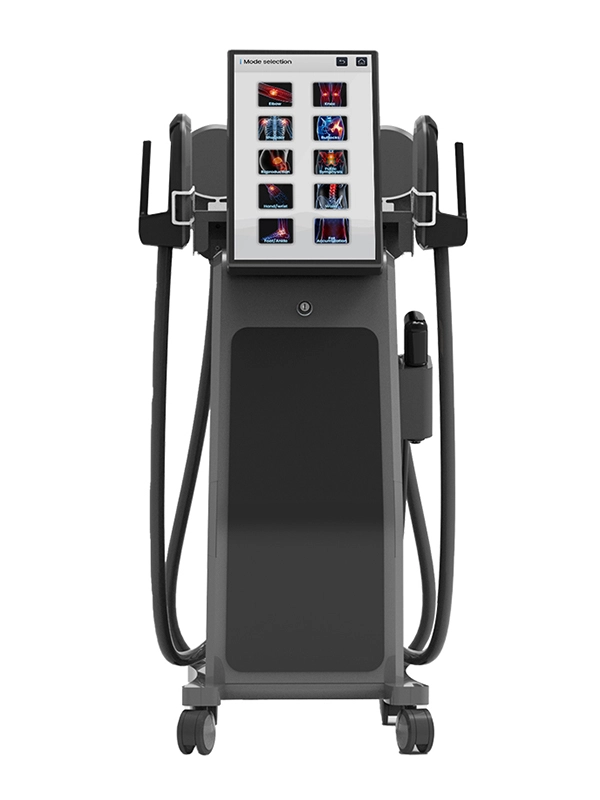
2 in 1 EMS Body sculpt machine cellulite treatment shockwave therapy EMS therapy device EMS machine for muscle stimulation
Goodway's 2-in-1 EMS Body Sculpt Machine utilizes shockwave therapy and EMS technology for effective cellulite reduction and muscle stimulation. This innovative device offers a combined approach to body sculpting, targeting both fat and muscle tone. Experience noticeable improvements with Goodway's advanced shockwave therapy machine.
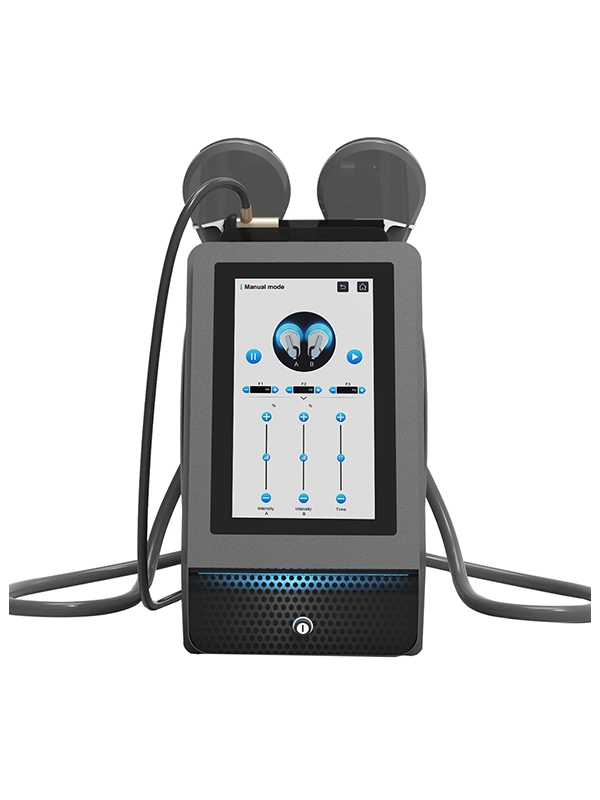
2 in 1 Best EMS beauty device shockwave therapy device body contouring shockwave ems muscle stimulator Machine
Goodway's Shockwave + MES Beauty Device is an advanced dual-therapy system combining shockwave technology for deep-tissue healing—reducing inflammation, relieving arthritis pain, and accelerating recovery—with MES electrostimulation to strengthen muscles without strain. This non-invasive, drug-free solution enhances mobility and rehabilitation, perfect for both clinical and home use.
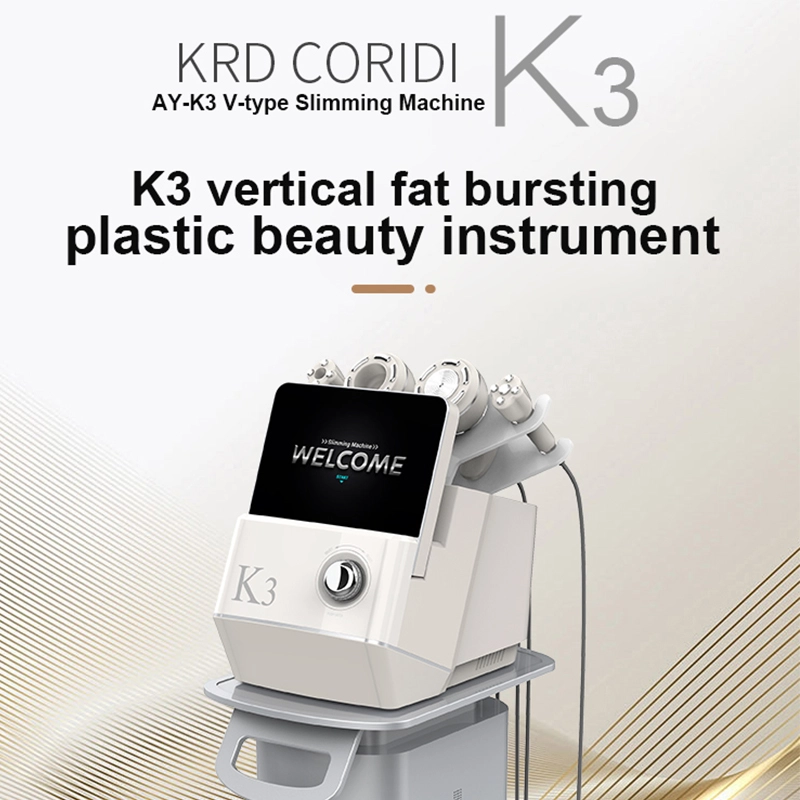
K3 Cavitation machine Achieve Effortless Fat Loss with Our Advanced massage machine
Experience the transformative power of the Goodway's K3 Cavitation Machine. This advanced massage machine targets stubborn fat effortlessly, doubling as an effective cellulite massager. Achieve your desired body contour with ease. Discover unparalleled fat loss results today.
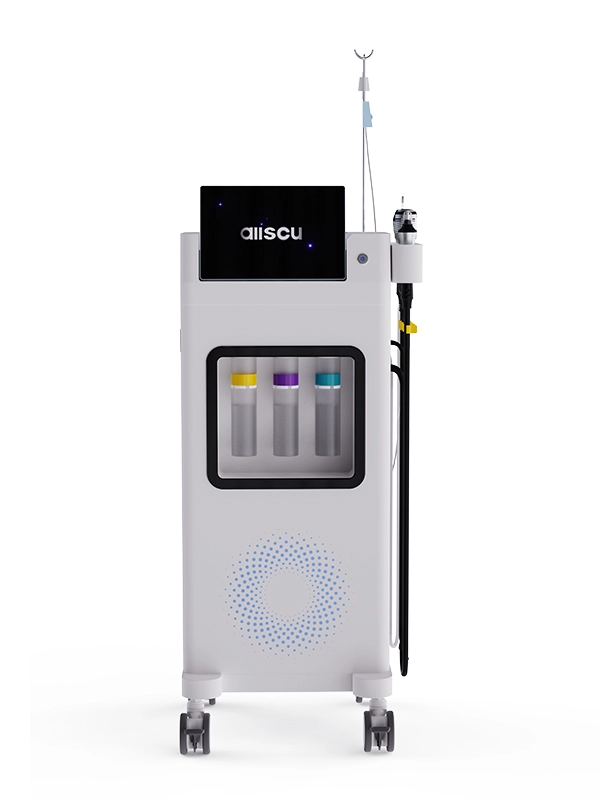
Professional Facial Spa Equipment Aqua Peel Facial Machine for Deep Cleansing and Hydration
Goodway's K8 Hydrafacial Machine is an all-in-one skin rejuvenation system that combines high-pressure deep cleansing, ice hammer pore tightening, plasma acne treatment, diamond microdermabrasion, and ultrasonic pore purification to remove impurities, reduce inflammation, and promote cell renewal—leaving skin smoother, brighter, and healthier.
 Scan QR Code
Instagram