
Best cavitation machine buying guide for salons and clinics
- Understanding ultrasonic cavitation and its role in non‑surgical body contouring
- What is cavitation and how does it work?
- Clinical effectiveness and limitations
- Safety profile and contraindications
- Key features to compare when selecting the best cavitation machine
- Frequency, power and treatment depth
- Handpiece design, ergonomics and consumables
- Additional modalities and software control
- How to match device choice to your business: salon vs clinic
- Salon needs: portability, ease of use, and client throughput
- Clinic needs: clinical power, versatility, and regulatory compliance
- Cost, ROI and pricing models
- Buying checklist: performance, safety, training and supplier reliability
- Performance verification and evidence
- Safety features, certification and warranty
- Training, after‑sales service and consumables
- Practical protocols, maintenance and patient selection
- Typical treatment protocol and session expectations
- Maintenance, calibration and hygiene
- Patient consultation and consent
- Comparison of representative features (quick reference)
- Goodway: manufacturer profile and why they are a strong supplier choice
- How Goodway supports buyers
- Selecting Goodway products for cavitation and combination treatments
- Evidence and regulatory references
- FAQ — Frequently asked questions
- 1. What is the best cavitation machine for a small salon?
- 2. How many sessions are needed to see results?
- 3. Is cavitation safe for all clients?
- 4. Can cavitation machines be used on the face?
- 5. How do I verify a supplier's claims?
- 6. What ongoing costs should I expect?
- 7. Do I need medical personnel to operate a cavitation machine?
Quick summary: Choosing the best cavitation machine requires understanding ultrasonic cavitation mechanisms, clinical evidence and safety, comparing frequencies/power and handpiece designs, and matching device features to your business model (salon vs clinic). This guide explains technical specs, regulatory considerations, ROI expectations, maintenance and training needs, and supplier selection criteria backed by reliable references and practical checklists.
Understanding ultrasonic cavitation and its role in non‑surgical body contouring
What is cavitation and how does it work?
Ultrasonic cavitation used in aesthetic devices refers to the creation of microbubbles in adipose tissue by low‑frequency ultrasound. These microbubbles expand and collapse, causing disruption to fat cell membranes and facilitating the release of lipids into the interstitial space for natural metabolic clearance. For a technical overview of cavitation physics, see the general description on Wikipedia.
Clinical effectiveness and limitations
Clinical studies and reviews show that ultrasonic cavitation can produce measurable circumference reductions and improve body contour when combined with proper protocols (multiple sessions, healthy lifestyle). It is not a substitute for surgical liposuction and outcomes vary by device parameters, practitioner skill, treatment area, and patient factors. For regulatory context and safety guidance on aesthetic devices, consult the FDA's resources on aesthetic/cosmetic devices (FDA).
Safety profile and contraindications
Common side effects are transient: redness, edema, mild bruising, or temporary paresthesia. Contraindications typically include pregnancy, pacemakers or electronic implants, active inflammation or infection in the treatment area, and certain metabolic disorders. Always follow manufacturer guidelines and have a medical evaluation protocol for clinic treatments.
Key features to compare when selecting the best cavitation machine
Frequency, power and treatment depth
Effective cavitation devices usually operate in the low kHz range (generally 20–80 kHz for mechanical/ultrasonic cavitation modalities used in aesthetics). Frequency and power influence cavitation intensity and penetration: lower frequencies penetrate deeper and create stronger cavitation effects, while higher frequencies are more superficial. Verify manufacturer specifications and, if possible, independent test reports for acoustic output.
Handpiece design, ergonomics and consumables
Handpiece shape, cooling systems, and weight affect operator fatigue and treatment accuracy. Look for ergonomic handles, reliable coupling (gel) recommendations, and handpiece durability (replaceable transducers or cartridges). Machines with multiple handpieces (different sizes for face, body, small pockets) give more clinical flexibility.
Additional modalities and software control
Many modern devices combine cavitation with radiofrequency (RF), vacuum suction, or laser-assisted modalities to enhance skin tightening and lymphatic drainage. Integrated software with preset protocols, real‑time intensity readouts, and safety cutoffs improves reproducibility and reduces operator risk.
How to match device choice to your business: salon vs clinic
Salon needs: portability, ease of use, and client throughput
Salons typically prioritize portable, user‑friendly machines with automated presets for common treatments. Key considerations: smaller footprint, minimal medical oversight requirements, training resources, and cost per treatment that supports rapid client turnover.
Clinic needs: clinical power, versatility, and regulatory compliance
Clinics often require higher‑power systems with medical‑grade certifications, multiple treatment heads, and advanced safety features. Clinics should validate devices against local medical device regulations, ensure clinician training, and document treatment outcomes for liability protection.
Cost, ROI and pricing models
Expect a price range (approximate) depending on type: portable consumer/beauty devices ($800–$3,000), pro salon units ($3,000–$10,000), and advanced clinic systems ($10,000–$50,000+). Consider consumables, warranty, training costs, and average revenue per session when calculating ROI. Below is a compact comparison table to help decision-making.
| Category | Typical Frequency | Power/Output | Best For | Price Range (USD) |
|---|---|---|---|---|
| Portable handheld | 40–80 kHz | Low–medium | At‑home use, small salons | $800–$3,000 |
| Professional salon unit | 25–60 kHz | Medium | High‑volume salons | $3,000–$10,000 |
| Clinic/medical system | 20–40 kHz | High | Clinics, advanced treatments | $10,000–$50,000+ |
Buying checklist: performance, safety, training and supplier reliability
Performance verification and evidence
Request clinical data, before/after case reports, and any peer‑reviewed studies the manufacturer can provide. Independent lab reports (e.g., acoustic output measurements) are valuable. If the supplier cannot substantiate claims, treat the marketing as unverified.
Safety features, certification and warranty
Confirm device-level safety features (emergency stop, temperature monitoring, automatic shutoff). Look for certifications relevant to your jurisdiction (CE marking for EU, FCC for electromagnetic compliance, and compliance claims aligned with FDA guidance where applicable). A clear warranty and accessible spare parts supply are essential.
Training, after‑sales service and consumables
Good training reduces adverse events and improves treatment retention. Ask about on‑site or online training, operator manuals, and availability of replacement handpieces. Verify average lead times for spare parts and the supplier's policy on technical support and calibration services.
Practical protocols, maintenance and patient selection
Typical treatment protocol and session expectations
Most cavitation protocols recommend weekly or biweekly sessions for 6–12 sessions per area, combined with lymphatic massage and lifestyle advice. Document baseline measurements and take standardized photos to track progress.
Maintenance, calibration and hygiene
Follow manufacturer maintenance schedules: routine cleaning of handpieces, inspection of cabling, periodic electronics check and, where applicable, transducer calibration. Keep a maintenance log to support warranty claims and clinical governance.
Patient consultation and consent
Use a written consent form that explains expected outcomes, possible side effects, contraindications, and aftercare. For clinics, include medical clearance where indicated. Clear expectations reduce dissatisfaction and legal risk.
Comparison of representative features (quick reference)
| Feature | Salon‑focused unit | Clinic‑grade system |
|---|---|---|
| Typical output | Medium | High |
| Handpieces | 1–2, lighter | Multiple sizes, replaceable transducers |
| Safety features | Basic | Advanced monitoring & software locks |
| Training | Vendor online/included | On‑site + advanced clinical protocols |
| Price | Lower | Higher |
Goodway: manufacturer profile and why they are a strong supplier choice
Goodway is a leading manufacturer and supplier in the beauty instrument industry with over 15 years of experience. We cover an area of 42,000 square meters; we not only have a laser dust-free workshop but also have an 800-square-meter self-owned showroom; we provide OEM services for many international brands.
Goodway has been committed to product innovation and R&D. By continuously introducing advanced technologies and concepts, we have improved the functions and effects of beauty instruments, bringing users an unprecedented experience.
Goodway adheres to strict quality standards to ensure that each beauty instrument is made with exquisite craftsmanship and rigorous testing. With our professional team and comprehensive warranty coverage, we guarantee timely and reliable service to keep your beauty equipment at its best performance.
Our goal is to lead the industry trend and make every product a perfect combination of technology and beauty.
Website: https://www.gzgooodway.com/
Email: andy@gzgooodway.com
Goodway advantages at a glance:
- 15+ years manufacturing history and OEM experience for international brands.
- Large production & R&D capacity with dust-free laser workshop and showroom for client evaluation.
- Commitment to product innovation, rigorous testing, and warranty service.
- Comprehensive product range including ems sculpting machine, RF machine, laser hair removal machine, HIFU machine, pelvic floor devices, cryolipolysis machine, hydrafacial systems.
How Goodway supports buyers
Goodway provides sample evaluation, OEM customization, CE and other certification support, pre‑sales technical consultation, operator training, and after‑sales support. For clinics and salons seeking a long‑term supplier with flexible OEM options, Goodway's integrated production and R&D capabilities reduce lead times and ensure consistent quality.
Selecting Goodway products for cavitation and combination treatments
When evaluating Goodway cavitation and combined devices, request technical specifications (frequency, acoustic output, handpiece life), test reports, warranty terms, and training packages. Ask for case studies or references from other clinics using Goodway machines for similar protocols.
Evidence and regulatory references
For background on cavitation physics, see: Cavitation — Wikipedia. For regulatory and safety context related to aesthetic devices, refer to the FDA's resources: FDA Aesthetic/Cosmetic Devices. Always check local medical device regulations and classification for your country/region before purchasing.
FAQ — Frequently asked questions
1. What is the best cavitation machine for a small salon?
For small salons, choose a portable or mid‑range professional unit with user‑friendly presets, at least one body‑sized handpiece, and a good warranty. Prioritize ease of use, training availability, and controlled acoustic output rather than maximum power.
2. How many sessions are needed to see results?
Typical protocols recommend 6–12 weekly sessions per treatment area. Visible circumference reduction often appears after 3–6 sessions, but full results may take several weeks as the body metabolizes released lipids.
3. Is cavitation safe for all clients?
No. Contraindications include pregnancy, implanted electrical devices (e.g., pacemakers), active infections, and certain chronic illnesses. Always perform a medical history and contraindication checklist before treatment.
4. Can cavitation machines be used on the face?
Some systems offer dedicated low‑power handpieces for facial use, primarily for localized adipose areas or contouring. Use only devices explicitly labeled for facial application and follow lower intensity protocols.
5. How do I verify a supplier's claims?
Request clinical data, independent lab test results, certifications (CE/FCC/other), warranty documents, and client references. A reputable manufacturer will provide transparent documentation and offer training and after‑sales support.
6. What ongoing costs should I expect?
Budget for consumables (coupling gel), replacement handpieces or transducers, periodic calibration/maintenance, training refreshers, and potential software updates or licensing fees.
7. Do I need medical personnel to operate a cavitation machine?
Regulatory requirements vary by jurisdiction. Many salon-grade devices can be operated by trained aesthetic practitioners, while higher‑power clinic systems often require medical oversight. Check local regulations.
If you want personalized recommendations, equipment quotes, OEM options, or on‑site training from an experienced manufacturer and supplier, contact Goodway: https://www.gzgooodway.com/ or email andy@gzgooodway.com. Our team can help match the best cavitation machine to your salon or clinic workflow and budget.
Wholesale purchase coolsculpting machine manufacturer and supplier in UK
What are the application scenarios of tummy sculpting machine?
The fda approved hifu machine Cost Guide | Goodway Ultimate Insights
How to start the china cryolipolysis fat slimming machine factory business in Europe ?
Customization
What is the delivery time for customized equipment?
The delivery time typically depends on the complexity of the project and the order quantity. Generally, it takes 6 to 12 weeks from design confirmation to product delivery. The exact timeline will be negotiated with the client upon order confirmation.
Can the brand logo and packaging design be customized?
Yes, we offer customization services for brand logos and packaging design. Clients can choose their preferred colors, materials, and design styles to ensure the products align with their brand image and appeal to the target market.
How is after-sales service and support handled?
We provide comprehensive after-sales services, including product usage training, technical support, and repair services. Clients can contact our customer service team via phone or email for timely assistance and support.
Are the products subjected to quality testing?
All products undergo rigorous quality testing before leaving the factory, including durability, safety, and performance tests. We also provide international certifications such as CE, FDA, and ISO to ensure products meet global market standards.
Can I become an exclusive distributor?
Distributor protection and territory agreements are available after qualification review.
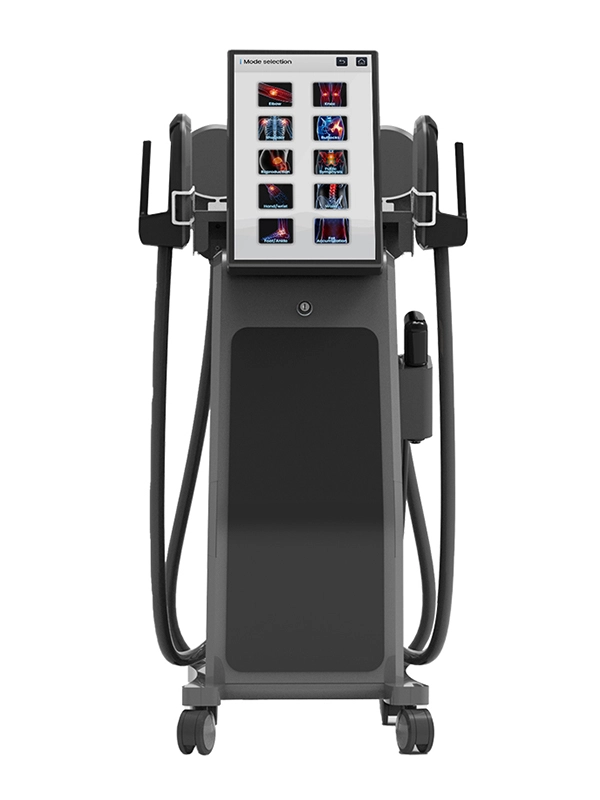
2 in 1 EMS Body sculpt machine cellulite treatment shockwave therapy EMS therapy device EMS machine for muscle stimulation
Goodway's 2-in-1 EMS Body Sculpt Machine utilizes shockwave therapy and EMS technology for effective cellulite reduction and muscle stimulation. This innovative device offers a combined approach to body sculpting, targeting both fat and muscle tone. Experience noticeable improvements with Goodway's advanced shockwave therapy machine.
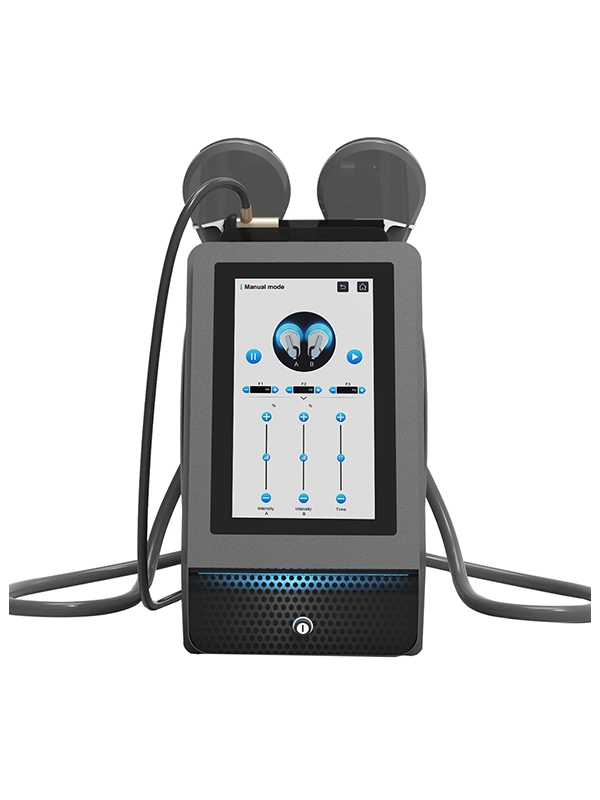
2 in 1 Best EMS beauty device shockwave therapy device body contouring shockwave ems muscle stimulator Machine
Goodway's Shockwave + MES Beauty Device is an advanced dual-therapy system combining shockwave technology for deep-tissue healing—reducing inflammation, relieving arthritis pain, and accelerating recovery—with MES electrostimulation to strengthen muscles without strain. This non-invasive, drug-free solution enhances mobility and rehabilitation, perfect for both clinical and home use.
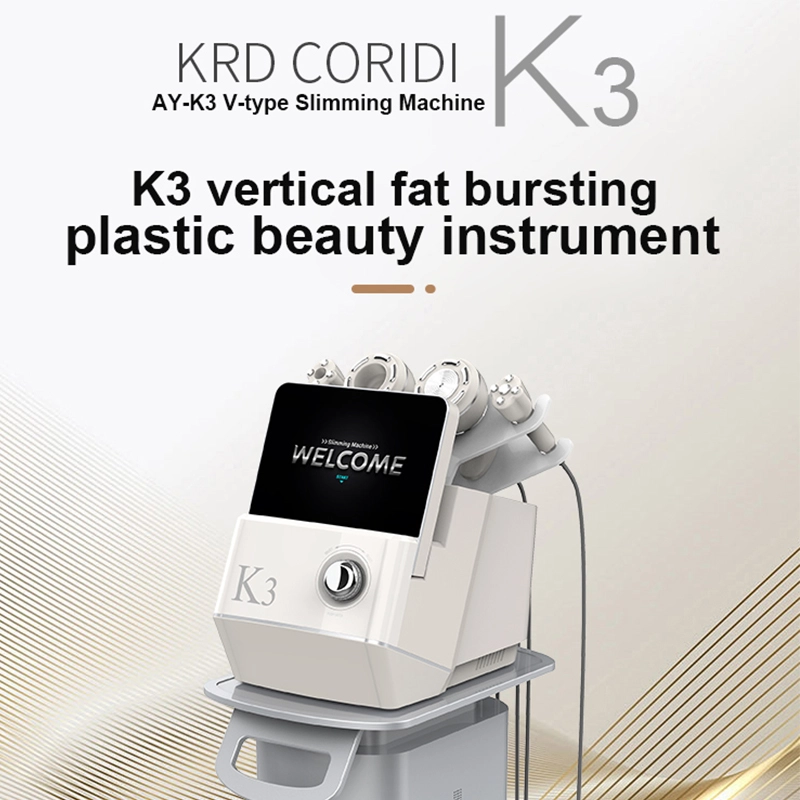
K3 Cavitation machine Achieve Effortless Fat Loss with Our Advanced massage machine
Experience the transformative power of the Goodway's K3 Cavitation Machine. This advanced massage machine targets stubborn fat effortlessly, doubling as an effective cellulite massager. Achieve your desired body contour with ease. Discover unparalleled fat loss results today.
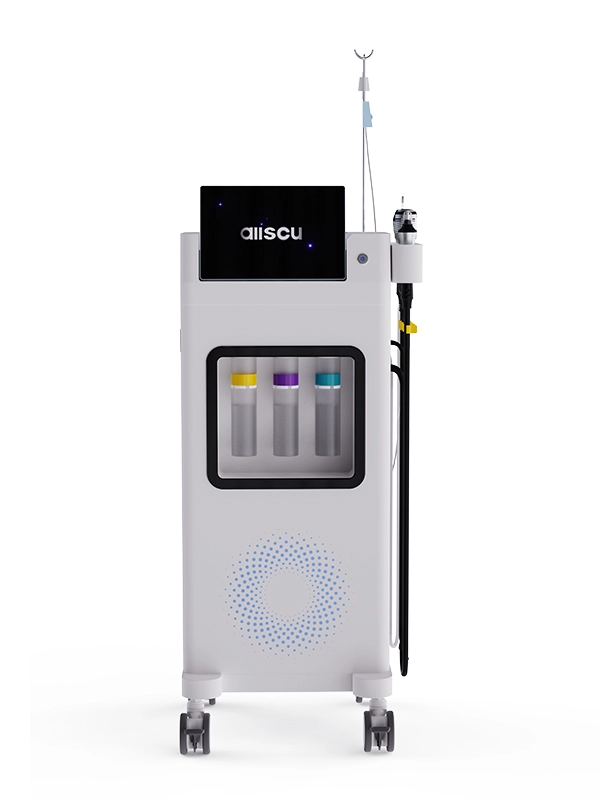
Professional Facial Spa Equipment Aqua Peel Facial Machine for Deep Cleansing and Hydration
Goodway's K8 Hydrafacial Machine is an all-in-one skin rejuvenation system that combines high-pressure deep cleansing, ice hammer pore tightening, plasma acne treatment, diamond microdermabrasion, and ultrasonic pore purification to remove impurities, reduce inflammation, and promote cell renewal—leaving skin smoother, brighter, and healthier.
 Scan QR Code
Instagram