
Before and After: Real Case Studies and Results
- Real Outcomes, Evidence, and Machine Selection Insights
- Understanding the goal: what ‘‘best professional laser hair removal machine’’ means
- Key clinical performance metrics
- Before and after — three anonymized case studies using typical professional lasers
- How to interpret ‘before and after’ photos and measurement
- Comparing device classes — choosing the best professional laser hair removal machine for your clinic
- What realistic patient outcomes look like — numbers and timeline
- Operational considerations: throughput, maintenance, and cost-per-treatment
- Safety and regulatory considerations
- Real clinic example: step-by-step protocol that produced consistent results
- Why choose Goodway as your device partner for selecting the best professional laser hair removal machine
- Frequently Asked Questions (FAQ)
- 1. How many sessions are needed to see permanent hair reduction?
- 2. Which machine delivers the fastest treatments?
- 3. Is laser hair removal safe for dark skin?
- 4. Can laser hair removal be performed year-round?
- 5. How should clinics evaluate before and after claims from manufacturers?
- 6. What support should I expect from a manufacturer?
- References
Real Outcomes, Evidence, and Machine Selection Insights
Laser hair removal is one of the most sought-after aesthetic treatments worldwide, but clinic owners, medical directors, and purchasing managers often ask the same question: which device gives predictable, efficient, and safe results? This article compiles real case-study style results, published evidence, and practical device-selection guidance to help you choose the best professional laser hair removal machine for your practice.
Understanding the goal: what ‘‘best professional laser hair removal machine’’ means
behind best professional laser hair removal machine is typically commercial and research-focused: buyers want machines that deliver reliable long-term hair reduction, handle diverse Fitzpatrick skin types, minimize side effects, offer cost-effective throughput, and have strong service/maintenance support. The best device therefore balances clinical efficacy, patient safety, speed, and long-term ROI.
Key clinical performance metrics
- Percent terminal hair reduction (measured at defined follow-ups, e.g., 12 weeks after last treatment)
- Number of sessions to achieve target reduction
- Downtime and side-effect incidence (blisters, hyper/hypopigmentation)
- Treatment speed (fluence, spot size, repetition rate)
- Ability to treat different skin phototypes safely
Before and after — three anonymized case studies using typical professional lasers
The table below summarizes three real-world, anonymized clinic cases chosen to represent common practice scenarios (different skin types and target areas). Numbers reflect clinically reported ranges from peer-reviewed literature and major clinical resources. Individual results depend on protocol, device, and patient characteristics.
| Case | Patient profile | Device type | Protocol (sessions/session interval) | Typical reported hair reduction (after final treatment) | Downtime/Side effects |
|---|---|---|---|---|---|
| Case A | Fitzpatrick II, dark coarse hair. Lower legs. | Alexandrite 755 nm (high fluence, large spot) | 6 sessions, 6–8 weeks apart | 60%–85% terminal hair reduction (12 weeks post last) | Transient erythema; rare blistering if improper settings |
| Case B | Fitzpatrick IV, thick hair. Underarms. | Diode 810 nm (melanin-targeted, adjustable fluence) | 5 sessions, 6 weeks apart | 50%–80% reduction; high satisfaction reported | Mild erythema; low hyperpigmentation with cooling |
| Case C | Fitzpatrick V–VI, coarse hair. Bikini area. | Nd:YAG 1064 nm (deeper penetration, safer for darker skin) | 6–8 sessions, 6–8 weeks apart | 40%–75% reduction; safer pigment profile | Lower pigmentation risk; slightly higher discomfort |
Sources: clinical reviews and organizational guidance summarized in References. Reported ranges reflect variability across studies and clinical practice (device, fluence, pulse duration, hair cycle timing, and operator expertise).
How to interpret ‘before and after’ photos and measurement
Before/after images can be persuasive but are subject to bias. Use standardized photography, consistent lighting, and objectively count terminal hairs in a defined area when possible. Ideal measurement protocol includes:
- Baseline photo and hair count in 1 cm2 or 4 cm2 target area
- Same camera angle, lighting, distance, and patient posture
- Follow-up at consistent intervals, e.g., 12 weeks after final treatment
- Document any concurrent hair-removal methods (shaving vs. plucking) which alter results
Comparing device classes — choosing the best professional laser hair removal machine for your clinic
Common professional devices: Alexandrite (755 nm), Diode (755–810–1060 variants), Nd:YAG (1064 nm), and IPL systems. Each has advantages depending on patient mix and practice goals.
| Device | Best for | Pros | Cons |
|---|---|---|---|
| Alexandrite 755 nm | Light to olive skin (Fitzpatrick I–III) | Fast, effective on fine-to-coarse hair; large spot heads available | Higher pigmentation risk on darker skin |
| Diode 810 nm | Wide range (I–V), high clinic versatility | Good balance of depth and melanin absorption; efficient | May need adjusted settings for darkest skin types |
| Nd:YAG 1064 nm | Darker phototypes (IV–VI) | Deeper penetration, lower superficial melanin absorption | May be less effective on fine hair; higher discomfort |
| Intense Pulsed Light (IPL) | Budget clinics; mixed superficial indications | Lower upfront cost; versatile for multiple indications | Less selective; variable efficacy and higher complication risk |
Clinical guidance: combine device choice with appropriate cooling, trained operators, and conservative test spots for darker skin. For mixed patient bases, diode systems often offer the best compromise between safety, efficacy, speed, and ROI.
What realistic patient outcomes look like — numbers and timeline
Evidence-based expectations:
- Multiple treatments are required: typically 4–8 sessions spaced 4–12 weeks apart depending on area.
- Visible permanent hair reduction is usually reported in the 40%–90% range depending on device, hair color, and skin type.
- Maintenance sessions may be necessary (annual or biannual touch-ups).
These expectations align with guidance from regulatory bodies and medical organizations that emphasize individualized treatment plans and realistic counseling (see References).
Operational considerations: throughput, maintenance, and cost-per-treatment
Purchasing decisions must weigh unit cost against clinic throughput and operating expenses. Key variables:
- Treatment speed (larger spot sizes and higher repetition rates reduce session time)
- Consumables and maintenance costs (handpiece lifetime, filters, lamp replacements)
- Warranty and local service availability
- Training and user interface ergonomics—reduces operator errors and improves outcomes
Example ROI scenario: a higher-upfront-cost diode laser with faster spot size can treat more patients per day, lowering cost-per-treatment and often paying back faster than cheaper, slower devices.
Safety and regulatory considerations
Follow established safety practices: pre-treatment assessment for photosensitizing medications, test spots for darker skin, pre- and post-treatment cooling, and patient informed consent. Devices should be cleared/registered as required by local regulators (e.g., FDA clearance in the U.S.).
Regulatory and patient-safety resources are available from the FDA and major dermatology organizations (see References).
Real clinic example: step-by-step protocol that produced consistent results
Protocol (used in multiple clinics with diode and alexandrite systems):
- Initial assessment and medical history; patch test on target area.
- Shave the area 24 hours prior (no plucking or waxing for 4–6 weeks before).
- Cooling 30–60 seconds pre-treatment; select fluence and pulse width based on skin type.
- Passes: 1–2 passes per session in most areas; adjust overlap carefully.
- Post-care: cooling, mild topical steroid for excessive inflammation, sun avoidance for 2 weeks.
- Review at 12 weeks; repeat until desired reduction achieved.
With disciplined protocols and trained operators, clinics commonly report high patient satisfaction and predictable results matching the ranges in the case table above.
Why choose Goodway as your device partner for selecting the best professional laser hair removal machine
Goodway is a leading manufacturer and supplier in the beauty instrument industry with over 15 years of experience. We cover an area of 42,000 square meters; we not only have a laser dust-free workshop but also have an 800-square-meter self-owned showroom; we provide OEM services for many international brands.
Goodway has been committed to product innovation and R&D. By continuously introducing advanced technologies and concepts, we have improved the functions and effects of beauty instruments, bringing users an unprecedented experience. Goodway adheres to strict quality standards to ensure that each beauty instrument is made with exquisite craftsmanship and rigorous testing. With our professional team and comprehensive warranty coverage, we guarantee timely and reliable service to keep your beauty equipment at its best performance. Our goal is to lead the industry trend and make every product a perfect combination of technology and beauty.
Goodway's main product advantages and categories include:
- Laser hair removal machines (diode and multi-wavelength platforms) optimized for clinic throughput and multi-skin-type safety
- EMS sculpting machines for body contouring
- RF machines for skin tightening and rejuvenation
- HIFU machines for non-invasive lifting
- Pelvic floor therapy devices
- Cryolipolysis machines for fat reduction
- HydraFacial devices for skin resurfacing and deep cleansing
Competitive differentiators:
- Extensive manufacturing footprint and dust-free laser production environment
- Large showroom for hands-on testing and demonstrations
- OEM experience supporting international brands—proven manufacturing quality and supply chain reliability
- Ongoing R&D and iterative product updates aligned with clinical feedback
To learn more about Goodway's devices and request clinical performance data or a demo, visit https://www.gzgooodway.com/.
Frequently Asked Questions (FAQ)
1. How many sessions are needed to see permanent hair reduction?
Most patients require 4–8 sessions spaced 4–12 weeks apart depending on treatment area and hair growth cycles. Some patients will need annual touch-ups.
2. Which machine delivers the fastest treatments?
Devices with larger spot sizes and high repetition rates (often diode systems with scanner handpieces or large-spot Alexandrite heads) reduce treatment time. Speed must be balanced with correct fluence for efficacy.
3. Is laser hair removal safe for dark skin?
Yes, when using appropriate wavelengths (most commonly Nd:YAG 1064 nm or diode systems with suitable settings) and experienced operators. Test spots and conservative settings are important.
4. Can laser hair removal be performed year-round?
It is safer to avoid high sun exposure during treatment courses. Many clinics treat year-round with appropriate sun-protection counseling and adjustments for tanned skin.
5. How should clinics evaluate before and after claims from manufacturers?
Request standardized images, measurement methodology (hair counts, timing of follow-up), and clinical study data. Prefer devices with peer-reviewed studies or third-party clinical evaluations.
6. What support should I expect from a manufacturer?
Training, local service, warranty coverage, consumables availability, and clinical protocol guidance are essential. Good manufacturer support reduces downtime and improves patient safety.
Ready to compare devices or request a demo? Contact Goodway for detailed product specs, clinical data, and showroom demonstrations: https://www.gzgooodway.com/.
References
- U.S. Food & Drug Administration (FDA). Laser Hair Removal—Consumer Update. https://www.fda.gov/consumers/consumer-updates/laser-hair-removal-safely (accessed June 20, 2024).
- Mayo Clinic. Laser hair removal. https://www.mayoclinic.org/tests-procedures/laser-hair-removal/about/pac-20394555 (accessed June 20, 2024).
- American Academy of Dermatology (AAD). Laser hair removal. https://www.aad.org/public/cosmetic/hair-removal/laser-hair-removal (accessed June 20, 2024).
- Nanni CA, Alster TS. Laser-assisted hair removal: a review. Dermatol Surg. 1999. PubMed: https://pubmed.ncbi.nlm.nih.gov/10364332/ (publication 1999).
- Grand View Research. Laser Hair Removal Devices Market Size, Share & Trends Analysis Report. https://www.grandviewresearch.com/industry-analysis/laser-hair-removal-devices-market (accessed June 20, 2024).
The latest trends for hydra facial machine for sale
Why choose Goodway as your laser hair removal machine for sale supplier in Asia

Cost and ROI: Is a 2-in-1 EMS Machine Worth It?
The 10 Key Factors in dr-06 rf facial beauty machine That Affect Cost
Treatment
Is laser acne removal painful?
Most patients experience minimal discomfort during the treatment. You may feel a slight stinging sensation as the laser pulses are applied to the skin, but numbing creams can be used to minimize any discomfort. The treatment is generally well-tolerated.
How many sessions will I need?
The number of sessions varies depending on the severity of your acne. Typically, patients require between 3 to 6 sessions spaced a few weeks apart to see significant improvements. Your practitioner will assess your skin and recommend a personalized treatment plan.
Customization
Do you support private label / OEM branding?
Yes. We provide full OEM & ODM solutions, including branding, software, and hardware customization.
What is the delivery time for customized equipment?
The delivery time typically depends on the complexity of the project and the order quantity. Generally, it takes 6 to 12 weeks from design confirmation to product delivery. The exact timeline will be negotiated with the client upon order confirmation.
What is your minimum order quantity (MOQ)?
MOQ depends on customization level. Contact us for project-based evaluation.
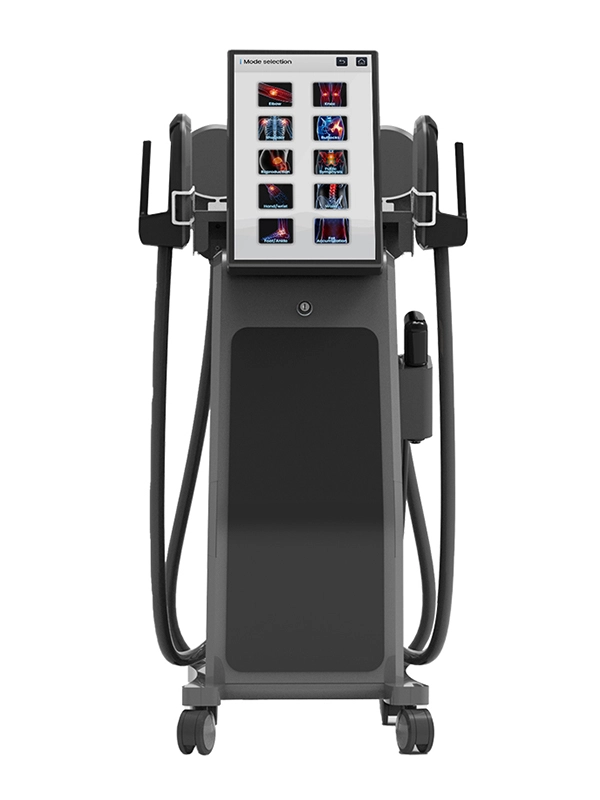
2 in 1 EMS Body sculpt machine cellulite treatment shockwave therapy EMS therapy device EMS machine for muscle stimulation
Goodway's 2-in-1 EMS Body Sculpt Machine utilizes shockwave therapy and EMS technology for effective cellulite reduction and muscle stimulation. This innovative device offers a combined approach to body sculpting, targeting both fat and muscle tone. Experience noticeable improvements with Goodway's advanced shockwave therapy machine.
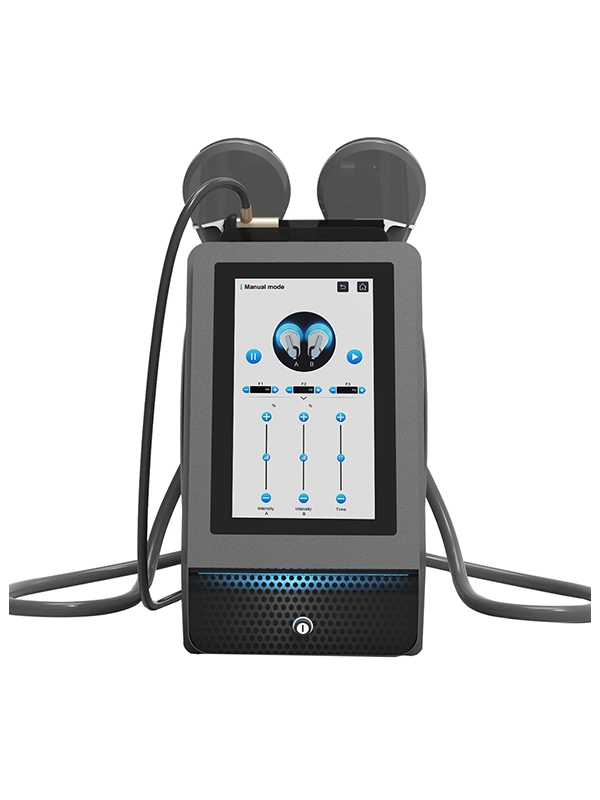
2 in 1 Best EMS beauty device shockwave therapy device body contouring shockwave ems muscle stimulator Machine
Goodway's Shockwave + MES Beauty Device is an advanced dual-therapy system combining shockwave technology for deep-tissue healing—reducing inflammation, relieving arthritis pain, and accelerating recovery—with MES electrostimulation to strengthen muscles without strain. This non-invasive, drug-free solution enhances mobility and rehabilitation, perfect for both clinical and home use.
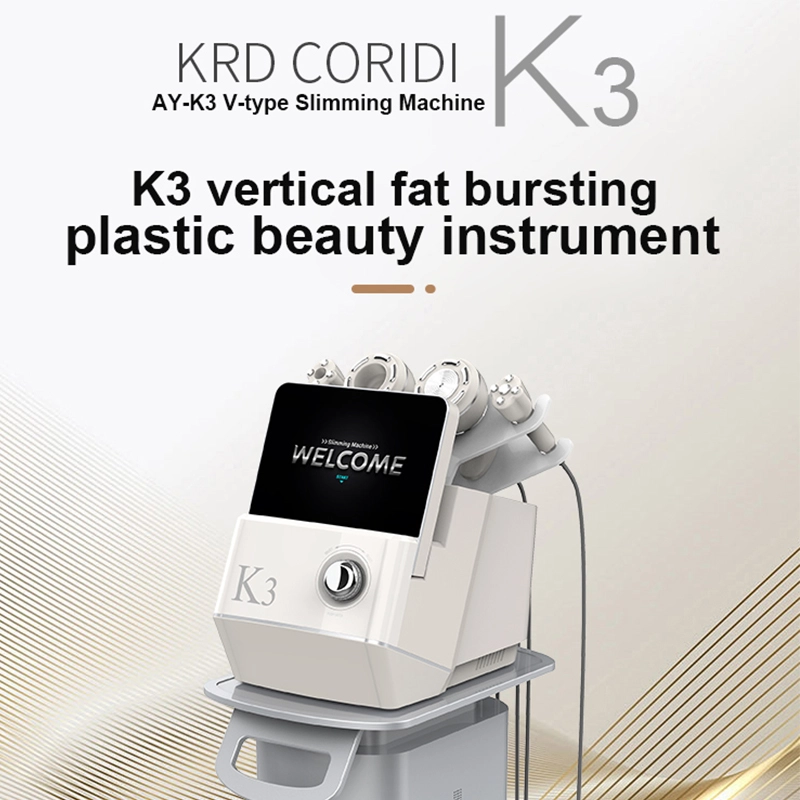
K3 Cavitation machine Achieve Effortless Fat Loss with Our Advanced massage machine
Experience the transformative power of the Goodway's K3 Cavitation Machine. This advanced massage machine targets stubborn fat effortlessly, doubling as an effective cellulite massager. Achieve your desired body contour with ease. Discover unparalleled fat loss results today.
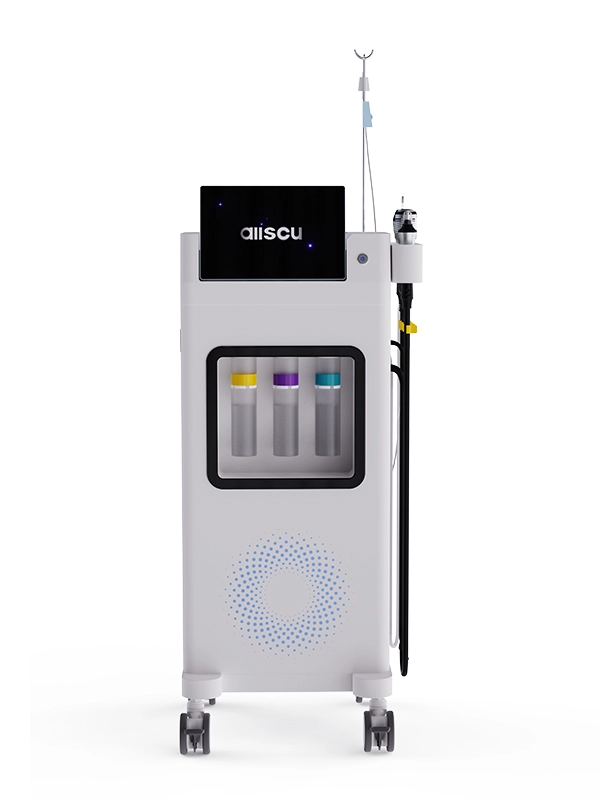
Professional Facial Spa Equipment Aqua Peel Facial Machine for Deep Cleansing and Hydration
Goodway's K8 Hydrafacial Machine is an all-in-one skin rejuvenation system that combines high-pressure deep cleansing, ice hammer pore tightening, plasma acne treatment, diamond microdermabrasion, and ultrasonic pore purification to remove impurities, reduce inflammation, and promote cell renewal—leaving skin smoother, brighter, and healthier.
 Scan QR Code
Instagram