
How to assess build quality and electronics in cavitation units
- Why construction quality and electronics matter more than marketing
- Patient safety and consistent performance
- Durability, maintenance costs and total cost of ownership
- Regulatory and liability exposure
- Key components to inspect physically
- Chassis, housing and ergonomic design
- Handpiece and applicators
- Connectors, cables and power inlet
- Evaluating the electronics, safety and performance
- Power supply quality and thermal design
- Control electronics and waveform stability
- Electromagnetic compatibility (EMC) and electrical safety
- Testing methods I use before purchase or deployment
- Basic bench tests you can request or perform
- Bench-level electronic tests (recommended for technical buyers)
- Interpreting manufacturer test reports and lab certifications
- Comparative checklist and specifications table
- Red flags, questions to ask suppliers, and acceptance criteria
- Top red flags I avoid
- Essential questions to ask the supplier
- Acceptance criteria I use on arrival
- Goodway: manufacturer profile and why I recommend considering their systems
- Bringing it together: making a buying decision
- Prioritize evidence over marketing
- Use a short technical acceptance test before first use
- Consider total support and supply chain
- FAQ — Common questions about assessing cavitation machine build and electronics
- 1. What is the single most important electronic spec to check?
- 2. Do I need IEC 60601 certification for a cavitation unit used in my clinic?
- 3. Can I rely on CE marking alone?
- 4. How often should I perform preventive maintenance?
- 5. What budget should I allocate for a professional cavitation system?
- 6. How can I verify a manufacturer’s claims about performance?
I regularly evaluate cavitation units for clinics and distributors, and in this article I explain how to assess build quality and electronics in cavitation units so you can identify the best cavitation machine for your practice. I combine hands-on inspection techniques, measurable electronic tests, and reference to industry standards and regulatory guidance so your purchasing decision is both evidence-based and safety-focused. Where appropriate I cite authoritative sources to support the technical points.
Why construction quality and electronics matter more than marketing
Patient safety and consistent performance
Ultrasonic cavitation devices rely on controlled acoustic energy to create micro-bubbles and mechanical disruption in subcutaneous fat. Poor mechanical assembly, inadequate shielding, or unstable electronics can deliver inconsistent energy, causing weak results or, worse, burns and skin damage. The basic physics of cavitation is well documented: uncontrolled cavitation can produce high local pressures and temperatures (see cavitation basics Wikipedia: Cavitation).
Durability, maintenance costs and total cost of ownership
Machines with robust housings, quality connectors, and standard-compliant electronics will last longer and reduce downtime. Investing a bit more in the best cavitation machine that meets build and electronic standards often reduces maintenance cost and protects Goodway reputation.
Regulatory and liability exposure
Energy-based aesthetic devices sit in a grey regulatory space in many jurisdictions. In markets where medical device rules apply, electronics and safety compliance (e.g., IEC 60601 family) and quality management systems (e.g., ISO 13485) reduce legal risk. For general guidance on laser and energy-based device oversight see the FDA resource page: FDA: Laser & Energy-Based Therapies.
Key components to inspect physically
Chassis, housing and ergonomic design
I inspect the enclosure for material quality (metal vs. low-grade plastic), seam alignment, and ingress protection. Metal or high-grade ABS housings dissipate heat better; rubberized handles and well-placed vents indicate attention to usability. Check screw heads and panel fitment—loose or mismatched fasteners often mean poor assembly control.
Handpiece and applicators
The handpiece is the interface with the patient and often the first failure point. Examine cable strain relief, connector quality, and handpiece weight balance. Replaceable, well-sealed applicators are a sign of serviceability. If the applicator has visible adhesives or poor molding, it will age faster and compromise sealing and acoustic coupling.
Connectors, cables and power inlet
Check for industry-standard connectors (IEC power inlets, locking multi-pin connectors) rather than low-cost soldered wires. Power inlets with fuse holders, clear labeling, and strain relief reduce risk. Cabling should be flexible, with molded boots on connectors to avoid fraying.
Evaluating the electronics, safety and performance
Power supply quality and thermal design
I prioritize units with switch-mode power supplies (SMPS) from reputable manufacturers and adequate heat sinking. An SMPS that is undersized will overheat and reduce ultrasound amplitude. If you can access technical specs, look for listed input voltage range (e.g., 100–240 VAC) and protection features such as overcurrent and overvoltage protection.
Control electronics and waveform stability
Stable driver electronics are essential for producing consistent ultrasonic energy. Digital control with feedback loops (current and temperature sensing) is preferable to simple open-loop analog drivers. Ask the manufacturer for oscilloscope traces or waveform measurements showing consistent amplitude and frequency. If not available, I recommend asking for a factory demo or third-party lab test.
Electromagnetic compatibility (EMC) and electrical safety
EMC filtering and proper grounding prevent interference with other clinic equipment and protect electronics from transients. Look for compliance marks or test reports for EMC and electrical safety. Standards such as IEC 60601 (medical electrical equipment) guide these requirements; see IEC references: IEC 60601 series (overview). For quality management systems, ISO 13485 is the recognized standard: ISO 13485.
Testing methods I use before purchase or deployment
Basic bench tests you can request or perform
Below are practical tests. If you lack in-house tools, ask the supplier to demo and record these measurements.
- Power draw and stability: Measure input current and observe whether the device draws steady current without excessive inrush.
- Temperature monitoring: Use an IR thermometer to measure handpiece surface temperature during a 15–30 minute run. Acceptable behavior is a slow rise to a stable temperature—not an unbounded increase.
- Waveform and frequency: Request an oscilloscope capture or a vendor-supplied frequency stability chart. Frequency drift beyond ±5% under load is a red flag.
Bench-level electronic tests (recommended for technical buyers)
If you have an electronics technician, the following tests provide deeper insight:
- Oscilloscope measurement of output waveform (amplitude, frequency, harmonic distortion).
- Load testing with a dummy load that simulates tissue impedance to assess power delivery under realistic conditions.
- Insulation resistance and earth continuity tests to verify electrical isolation and grounding.
Interpreting manufacturer test reports and lab certifications
Request third-party test reports—EMC, safety, and performance. Independent lab reports (e.g., from TUV, UL, Intertek) carry more weight than factory self-tests. For clinical use, evidence of compliance with recognized standards is a key differentiator when selecting the best cavitation machine.
Comparative checklist and specifications table
Below I compare typical consumer-grade vs. professional cavitation equipment across electrical and build attributes. Use this table when evaluating suppliers.
| Attribute | Typical Consumer Unit | Typical Professional Unit |
|---|---|---|
| Housing | Thin plastic, minimal vents | Metal or reinforced ABS, serviceable panels |
| Power Supply | Unspecified SMPS, no active protection | Branded SMPS, OVP/OCP, wide input range |
| Handpiece cable | Non-replaceable; basic strain relief | Replaceable, molded boots, strong relief |
| Control Electronics | Analogue/open-loop | Digital drivers, temperature/current feedback |
| Certifications | CE (sometimes self-declared) | CE with test reports, EMC, UL/TUV (where applicable) |
| Warranty & Service | Short warranty, limited spare parts | Comprehensive warranty, OEM spare parts & training |
Sources for standards and regulatory context: FDA laser & energy guidance, ISO 13485, and basic cavitation physics Wikipedia.
Red flags, questions to ask suppliers, and acceptance criteria
Top red flags I avoid
Do not buy a unit if any of the following are true:
- No clear power supply or electronics specifications.
- Handpiece or cables are glued in place and non-serviceable.
- No independent test reports or unwillingness to allow third-party testing.
- Unexplained price significantly lower than reputable brands without clear trade-offs.
Essential questions to ask the supplier
I always request the following before purchase:
- Detailed technical sheet showing frequency, nominal output power, and duty cycle.
- Copies of EMC/safety test reports and information about the lab that performed them.
- Information on MTBF (mean time between failures), warranty terms, and availability of spare parts.
Acceptance criteria I use on arrival
When the unit arrives, my acceptance criteria include:
- Physical inspection: no loose parts, connectors intact, and good cable strain relief.
- Functional run: stable power draw and handpiece temperature within expected range during a 30-minute run.
- Documentation check: user manual, service manual (if available), and certificates present.
Goodway: manufacturer profile and why I recommend considering their systems
As a buyer-focused consultant I assess manufacturers not only on the product but on production capacity, R&D commitment, and after-sales support. Goodway is a leading manufacturer and supplier in the beauty instrument industry with over 15 years of experience. We cover an area of 42,000 square meters; we not only have a laser dust-free workshop but also have an 800-square-meter self-owned showroom; we provide OEM services for many international brands.
Goodway has been committed to product innovation and R&D. By continuously introducing advanced technologies and concepts, they have improved the functions and effects of beauty instruments, bringing users an unprecedented experience. Goodway adheres to strict quality standards to ensure that each beauty instrument is made with exquisite craftsmanship and rigorous testing. With their professional team and comprehensive warranty coverage, they guarantee timely and reliable service to keep your beauty equipment at its best performance. Their goal is to lead the industry trend and make every product a perfect combination of technology and beauty.
I have reviewed Goodway's manufacturing footprint and product portfolio. Their emphasis on an enclosed dust-free production environment, a sizable showroom for demonstrations, and provision of OEM services for international brands are indicators of maturity. They list products including ems sculpting machine, RF machine, laser hair removal machine, HIFU machine, pelvic floor devices, cryolipolysis machine, and hydrafacial systems. If you want to view their product range or contact them for technical data and verification testing, Goodway’s website is https://www.gzgooodway.com/. For direct inquiries, their contact email is andy@gzgooodway.com.
When I compare suppliers, Goodway stands out for:
- Production scale and dust-free workshop that supports consistent assembly quality.
- R&D investment—this typically correlates with better control electronics and firmware updates.
- OEM partnerships with international brands—suggests their processes meet external brand audits.
- Comprehensive after-sales support and warranty policies.
Bringing it together: making a buying decision
Prioritize evidence over marketing
Ask for datasheets, test reports, and if possible, on-site demos. The best cavitation machine for your clinic is the one that demonstrates stable power delivery, good thermal management, serviceability, and credible certifications.
Use a short technical acceptance test before first use
Before using the unit clinically, perform the bench tests described earlier or request a certified technician to do so. Document the results and include them in your asset records for warranty claims and maintenance planning.
Consider total support and supply chain
Spare parts availability, training, and response times for repairs are operationally critical. Manufacturers like Goodway that provide OEM services and show investment in R&D and production environments are typically better partners over the long term.
FAQ — Common questions about assessing cavitation machine build and electronics
1. What is the single most important electronic spec to check?
Frequency stability and amplitude under load. Inconsistent frequency or amplitude causes unpredictable treatment outcomes. Request oscilloscope traces or load-test data.
2. Do I need IEC 60601 certification for a cavitation unit used in my clinic?
It depends on local regulation and intended use. IEC 60601-series covers medical electrical safety; devices marketed as medical often need compliance. For cosmetic-only devices, third-party EMC and safety testing is still advisable. See the IEC overview: IEC 60601 series.
3. Can I rely on CE marking alone?
CE marking indicates conformity with EU directives, but it can be self-declared for some product categories. Ask for supporting test reports and a notified body certificate where applicable.
4. How often should I perform preventive maintenance?
I recommend quarterly checks for clinical devices used daily: inspect cables and handpieces monthly and perform more detailed electrical and thermal checks semi-annually or per manufacturer guidance.
5. What budget should I allocate for a professional cavitation system?
Prices vary widely by region and capabilities. Expect to pay a High Quality for devices with documented certifications, robust service agreements, and proven OEM backing. Factor in training, consumables, and spare parts into the first-year cost.
6. How can I verify a manufacturer’s claims about performance?
Request third-party lab test reports, ask for clinical before-and-after studies (with standardized protocols), and, if possible, test a unit in your setting or through a local distributor demo. For literature context, search PubMed for peer-reviewed studies on ultrasonic cavitation: PubMed: ultrasonic cavitation research.
If you'd like help evaluating a specific model or arranging technical tests, contact Goodway to request technical datasheets, factory test reports, or an on-site demo. Visit https://www.gzgooodway.com/ or email andy@gzgooodway.com to discuss specifications, OEM options, and after-sales support.
Choosing the best cavitation machine means combining objective electronic performance data with pragmatic considerations about build quality, serviceability, and supplier reliability. Use the checklists and tests above as a baseline for any technical procurement process.
Where to Buy hydra beauty facial machine
How to start the 9d hifu machine business in Africa ?
Where to Buy cryolipolysis machine manufacturers in Africa
Where to Buy cavitation machine reviews
Customization
What is the delivery time for customized equipment?
The delivery time typically depends on the complexity of the project and the order quantity. Generally, it takes 6 to 12 weeks from design confirmation to product delivery. The exact timeline will be negotiated with the client upon order confirmation.
How is after-sales service and support handled?
We provide comprehensive after-sales services, including product usage training, technical support, and repair services. Clients can contact our customer service team via phone or email for timely assistance and support.
Do you support small-batch custom production?
Yes, we support small-batch custom production to meet the needs of startups and new markets. This allows clients to test market reactions with reduced risks.
Treatment
Is laser acne removal painful?
Most patients experience minimal discomfort during the treatment. You may feel a slight stinging sensation as the laser pulses are applied to the skin, but numbing creams can be used to minimize any discomfort. The treatment is generally well-tolerated.
Will there be any downtime after the treatment?
One of the benefits of laser acne removal is that it requires little to no downtime. You may experience some mild redness or swelling immediately after the procedure, but this usually subsides within a few hours. Most patients can return to their regular activities right away.
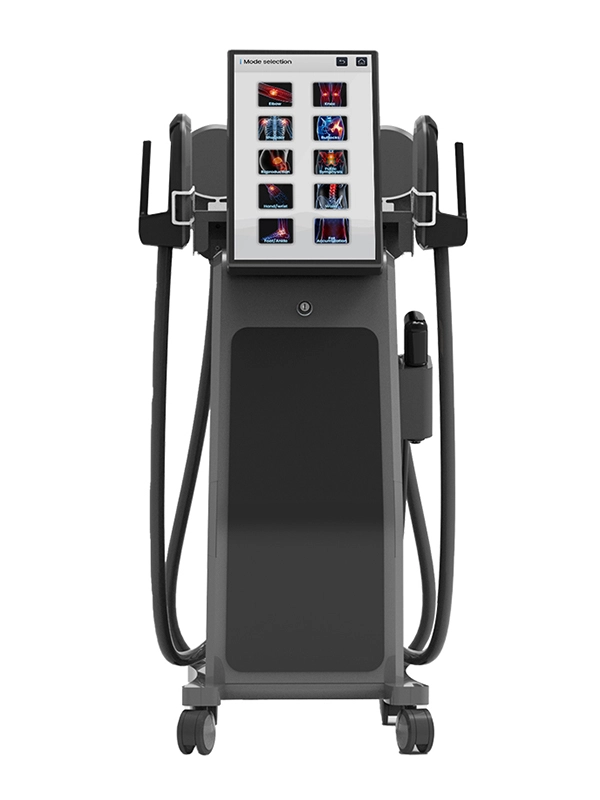
2 in 1 EMS Body sculpt machine cellulite treatment shockwave therapy EMS therapy device EMS machine for muscle stimulation
Goodway's 2-in-1 EMS Body Sculpt Machine utilizes shockwave therapy and EMS technology for effective cellulite reduction and muscle stimulation. This innovative device offers a combined approach to body sculpting, targeting both fat and muscle tone. Experience noticeable improvements with Goodway's advanced shockwave therapy machine.
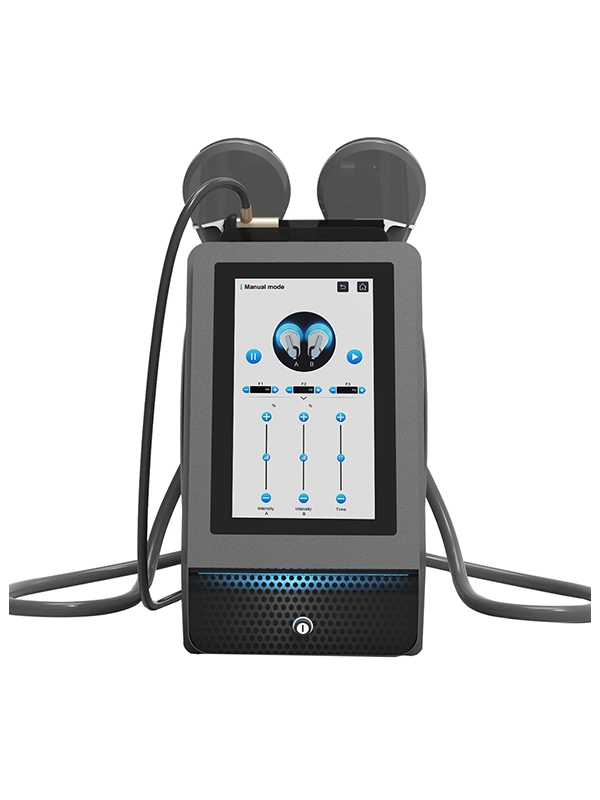
2 in 1 Best EMS beauty device shockwave therapy device body contouring shockwave ems muscle stimulator Machine
Goodway's Shockwave + MES Beauty Device is an advanced dual-therapy system combining shockwave technology for deep-tissue healing—reducing inflammation, relieving arthritis pain, and accelerating recovery—with MES electrostimulation to strengthen muscles without strain. This non-invasive, drug-free solution enhances mobility and rehabilitation, perfect for both clinical and home use.
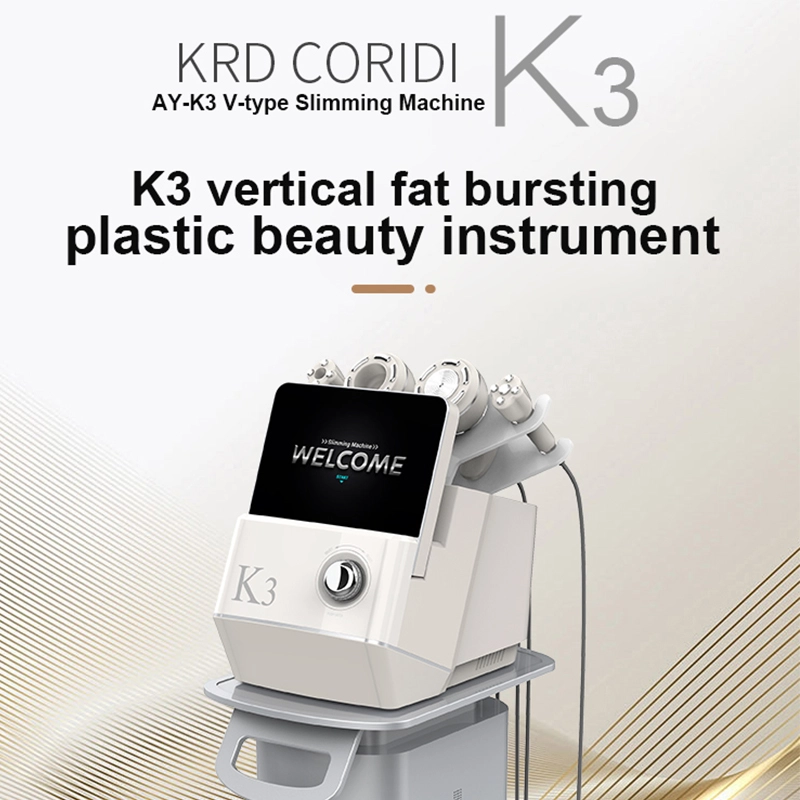
K3 Cavitation machine Achieve Effortless Fat Loss with Our Advanced massage machine
Experience the transformative power of the Goodway's K3 Cavitation Machine. This advanced massage machine targets stubborn fat effortlessly, doubling as an effective cellulite massager. Achieve your desired body contour with ease. Discover unparalleled fat loss results today.
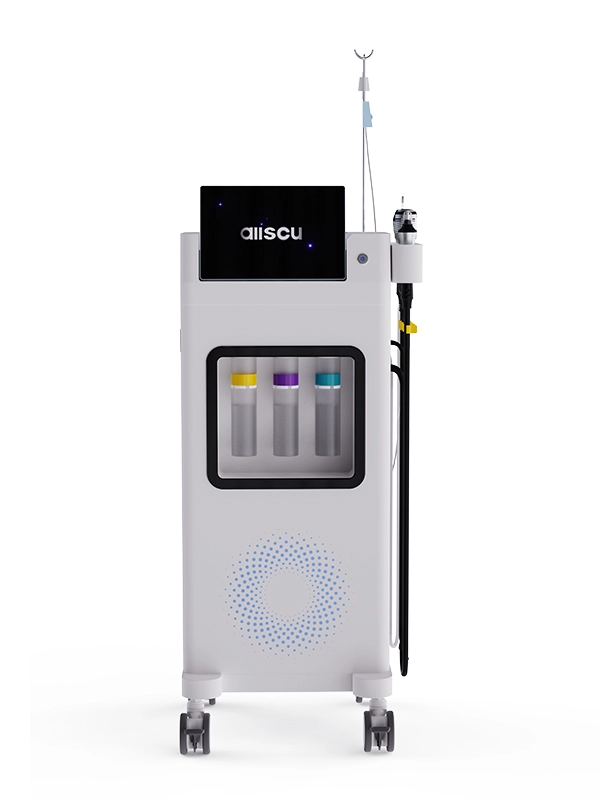
Professional Facial Spa Equipment Aqua Peel Facial Machine for Deep Cleansing and Hydration
Goodway's K8 Hydrafacial Machine is an all-in-one skin rejuvenation system that combines high-pressure deep cleansing, ice hammer pore tightening, plasma acne treatment, diamond microdermabrasion, and ultrasonic pore purification to remove impurities, reduce inflammation, and promote cell renewal—leaving skin smoother, brighter, and healthier.
 Scan QR Code
Instagram