
After-sales support: training, spare parts, and technical service
- Why after-sales support determines your ROI
- Reduced downtime and predictable revenue
- Preserving efficacy and patient safety
- Liability, compliance and traceability
- Training: operator education, materials, and certification
- Initial onboarding: on-site vs. remote
- Training curriculum and competency assessment
- Ongoing education and materials
- Spare parts strategy: availability, inventory, and lifecycle
- Identifying critical components
- Genuine OEM parts vs. third-party components
- Inventory models and recommended stock levels
- Technical service: troubleshooting, maintenance, and warranty
- Remote diagnostics and IoT-enabled support
- Service Level Agreements (SLA) and on-site response
- Preventive maintenance, calibration, and documentation
- Purchasing checklist and negotiation tips
- Contract points to negotiate
- Key performance indicators (KPIs)
- Regulatory and clinical evidence
- How Goodway supports long-term performance
- Final recommendations and quick checklist
- Before purchase
- After installation
- Operational tips
- FAQ
- 1. How long should the warranty be for the best cavitation machine?
- 2. Can I install a cavitation machine without manufacturer training?
- 3. What spare parts should every clinic keep on-site?
- 4. How fast should a supplier respond to critical equipment failures?
- 5. Do third-party parts affect treatment outcomes?
- 6. How can I verify a supplier's technical competence?
I work daily with clinics, medi-spas, and distributors around the world who are evaluating the best cavitation machine for reliable, long-term results. After-sales support—training, spare parts, and technical service—is not an optional extra; it's the backbone of performance, safety, and return on investment. In this article I walk you through practical criteria, operational checklists, and vendor questions that separate a short-lived purchase from a sustainable clinical asset.
Why after-sales support determines your ROI
Reduced downtime and predictable revenue
Equipment downtime translates directly into lost appointments and revenue. In my experience, clinics that negotiate clear response times and parts availability in purchase contracts see 30% fewer cancellations related to equipment faults. A well-defined service agreement that includes remote diagnostics and priority spare-parts dispatch can cut mean time to repair (MTTR) substantially.
Preserving efficacy and patient safety
The best cavitation machine is only as good as its maintenance. Ultrasonic cavitation devices depend on calibrated transducers, proper coupling media, and intact cooling systems. Failing to maintain these elements reduces efficacy and can introduce safety risks. Regulatory expectations (e.g., ISO 13485 for medical device quality management) emphasize post-market surveillance and servicing—requirements I always discuss with buyers (ISO 13485).
Liability, compliance and traceability
Service records, parts traceability, and training logs are essential for compliance and risk management. In the event of an adverse event or audit, properly documented after-sales activity is your defense. For devices with medical claims, be aware of regional regulations such as those from the U.S. Food and Drug Administration (FDA) or CE marking requirements in the EU (CE marking).
Training: operator education, materials, and certification
Initial onboarding: on-site vs. remote
I always recommend an initial on-site training session for clinic owners and lead operators when purchasing the best cavitation machine. On-site training allows hands-on practice with treatment parameters, patient positioning, and emergency shutdown procedures. When on-site training isn't feasible, ensure the vendor provides live virtual sessions and high-quality training videos with real-case demonstrations.
Training curriculum and competency assessment
A robust curriculum should include device theory (how ultrasonic cavitation works), clinical indications and contraindications, trouble-shooting common errors, hygiene and cleaning, and documentation practices. Ask for a competency assessment and a certificate. Operator errors are a leading cause of unsatisfactory results; documented certification reduces this risk and supports professional indemnity claims if needed.
Ongoing education and materials
Look for vendors that provide refresher courses, updated clinical protocols, and marketing materials that your clinic can legally use. Digital training platforms that track operator progress and issue renewal certificates are a strong plus for multi-site operations.
Spare parts strategy: availability, inventory, and lifecycle
Identifying critical components
For cavitation machines the most common service parts are transducers/probes, power supplies, cooling fans, handpiece cables, and control boards. I advise creating a list of critical parts by failure risk and lead time.» Criticality should be agreed upon with your supplier—how long can you operate safely without the part, and what alternatives exist?
Genuine OEM parts vs. third-party components
Using OEM parts preserves device integrity and warranty coverage. Third-party parts may be cheaper but can void warranties and affect performance. The table below summarizes the trade-offs I discuss with clients.
| Criteria | Genuine OEM Parts | Third-Party Parts |
|---|---|---|
| Compatibility | High (designed for specific model) | Variable (may require modifications) |
| Warranty impact | No negative impact | Can void warranty |
| Reliability | Proven; lower failure rates | Higher variability |
| Cost | Higher upfront | Often lower upfront |
| Traceability | Serial/lot tracking | Often limited |
Source: vendor part catalogs and standard device maintenance practice.
Inventory models and recommended stock levels
For a single-clinic operation I recommend stocking the following items on-site for the best cavitation machine: one spare transducer/handpiece, one spare power module, and a set of consumables (coupling gels, fuses, filters). For multi-site networks, maintain a centralized parts pool with rapid shipping SLA. The decision should be informed by average usage, local shipping times, and vendor lead times.
Technical service: troubleshooting, maintenance, and warranty
Remote diagnostics and IoT-enabled support
Modern beauty equipment increasingly includes telemetry and diagnostic logs. Remote diagnostics can identify software errors, log faults, and sometimes correct configuration issues without an engineer visit. I prioritize suppliers that offer secure remote access (with your consent) to diagnose issues quickly. For clinical devices, ensure remote access meets data-protection regulations applicable in your jurisdiction.
Service Level Agreements (SLA) and on-site response
Negotiate SLAs that match your operational needs. Below is a typical SLA matrix I use when advising clients.
| SLA Tier | Response Time | On-site Visit | Typical Use |
|---|---|---|---|
| Priority (Gold) | 4–8 hours | Within 24–48 hours | High-volume clinics; urgent repairs |
| Standard (Silver) | 8–24 hours | 2–5 business days | Most clinics |
| Economy (Bronze) | 1–3 business days | 1–2 weeks | Low-volume or backup units |
Clear SLAs should define remediation steps, escalation paths, and compensation/credits for missed targets. I always ask vendors to include parts availability commitments to avoid repeated delays.
Preventive maintenance, calibration, and documentation
Preventive Maintenance (PM) schedules reduce abrupt failures. For cavitation devices I recommend a PM every 6–12 months depending on usage. PM should include transducer output verification, electrical safety tests, cooling efficiency checks, and software updates. Keep all PM records in a single, retrievable folder—these are vital for warranty claims and regulatory audits.
Purchasing checklist and negotiation tips
Contract points to negotiate
When I negotiate on behalf of clinics, I always include the following clauses in purchase agreements for the best cavitation machine:
- Defined SLA response times and escalation matrix.
- Spare-parts lead-time guarantees and minimum stock commitments.
- Training scope, number of operators included, and frequency of refresher sessions.
- Warranty scope and what constitutes voiding conditions (e.g., third-party parts).
- Remote-diagnostics terms, data privacy protections, and consent procedures.
Key performance indicators (KPIs)
Define KPIs up front to measure supplier performance: average MTTR, percentage of first-time-fix, parts fill-rate, and training completion rates. Regular supplier reviews using these KPIs keep both parties accountable.
Regulatory and clinical evidence
Ask vendors for certification and clinical evidence. For technology claims regarding body contouring or fat reduction, consult peer-reviewed literature on ultrasonic cavitation via a PubMed search (PubMed: ultrasonic cavitation) and verify device classification under local regulators (FDA, EU, etc.). For background on cavitation physics, see the general overview on Wikipedia (Cavitation — Wikipedia).
How Goodway supports long-term performance
As someone who evaluates many suppliers, I can say Goodway stands out for combining manufacturing scale with service capabilities. Goodway is a leading manufacturer and supplier in the beauty instrument industry with over 15 years of experience. They cover an area of 42,000 square meters; they not only have a laser dust-free workshop but also have an 800-square-meter self-owned showroom; they provide OEM services for many international brands.
Goodway has been committed to product innovation and R&D. By continuously introducing advanced technologies and concepts, they have improved the functions and effects of beauty instruments, bringing users an unprecedented experience.
Goodway adheres to strict quality standards to ensure that each beauty instrument is made with exquisite craftsmanship and rigorous testing. With their professional team and comprehensive warranty coverage, they guarantee timely and reliable service to keep your beauty equipment at its best performance.
Their goal is to lead the industry trend and make every product a perfect combination of technology and beauty. Goodway's core products include ems sculpting machine, RF Machine, laser hair removal machine, hifu machine, pelvic floor devices, cryolipolysis machine, and hydrafacial systems. Learn more at https://www.gzgooodway.com/ or contact Andy at andy@gzgooodway.com for technical and commercial inquiries.
Final recommendations and quick checklist
Before purchase
- Request training scope, parts list, and full SLA in writing.
- Verify regulatory documentation and clinical evidence relevant to your market.
- Ask for references from clinics using the same model.
After installation
- Schedule on-site training and document operator competency.
- Implement preventive maintenance schedule and backup part inventory.
- Track service KPIs and hold quarterly supplier reviews.
Operational tips
- Use OEM consumables and parts during warranty period.
- Enable and secure remote diagnostics where available.
- Keep detailed treatment logs to correlate outcomes with device settings and maintenance events.
FAQ
1. How long should the warranty be for the best cavitation machine?
I recommend at least a 12–24 month standard warranty with an option to purchase extended coverage. Verify what the warranty covers (parts/labor/onsite) and any exclusions related to consumables or user error.
2. Can I install a cavitation machine without manufacturer training?
Technically yes, but I advise against it. Proper training reduces risk, protects warranties, and ensures predictable outcomes. If on-site training isn't possible, insist on comprehensive virtual training and certification.
3. What spare parts should every clinic keep on-site?
At minimum: one spare handpiece/transducer, one spare power module, coupling gels, fuses, and any model-specific consumables. Tailor stock to your patient volume and supplier lead times.
4. How fast should a supplier respond to critical equipment failures?
For high-volume clinics, aim for an SLA with initial response within 4–8 hours and an on-site visit within 24–48 hours. For lower volume locations, 2–5 business days might be acceptable.
5. Do third-party parts affect treatment outcomes?
They can. Third-party parts vary in quality and may alter transducer impedance, cooling, or software harmonization—affecting both outcome and safety. They may also void your warranty. I usually recommend OEM parts for core components.
6. How can I verify a supplier's technical competence?
Request factory photos, R&D team information, QA/QC processes, ISO certifications, and client references. Visiting a manufacturer's showroom or observing an installation is highly valuable. Goodway publishes facility information and supports OEM partnerships—see their site for details.
If you want help evaluating a specific model or negotiating SLAs for the best cavitation machine, contact me or reach out directly to Goodway at andy@gzgooodway.com. For product details and to view Goodway's portfolio, visit https://www.gzgooodway.com/.
What are the different types of cost of hydra facial machine?
Everything You Need to Know About laser hair removal machine
How to Use Cavitation Machine: Step-by-Step Guide
Warranty and Spare Parts Availability for Cavitation
Customization
What is the delivery time for customized equipment?
The delivery time typically depends on the complexity of the project and the order quantity. Generally, it takes 6 to 12 weeks from design confirmation to product delivery. The exact timeline will be negotiated with the client upon order confirmation.
Is this machine for home or personal use?
No. Our EMS sculpting machines are designed strictly for professional and commercial use.
Do you support private label / OEM branding?
Yes. We provide full OEM & ODM solutions, including branding, software, and hardware customization.
Treatment
How many sessions will I need?
The number of sessions varies depending on the severity of your acne. Typically, patients require between 3 to 6 sessions spaced a few weeks apart to see significant improvements. Your practitioner will assess your skin and recommend a personalized treatment plan.
Is laser acne removal safe for all skin types?
Yes, laser acne treatments are safe for all skin types. However, certain skin tones may require a specific type of laser to ensure optimal results. A consultation with our skincare specialist will help determine the best treatment option for your skin.
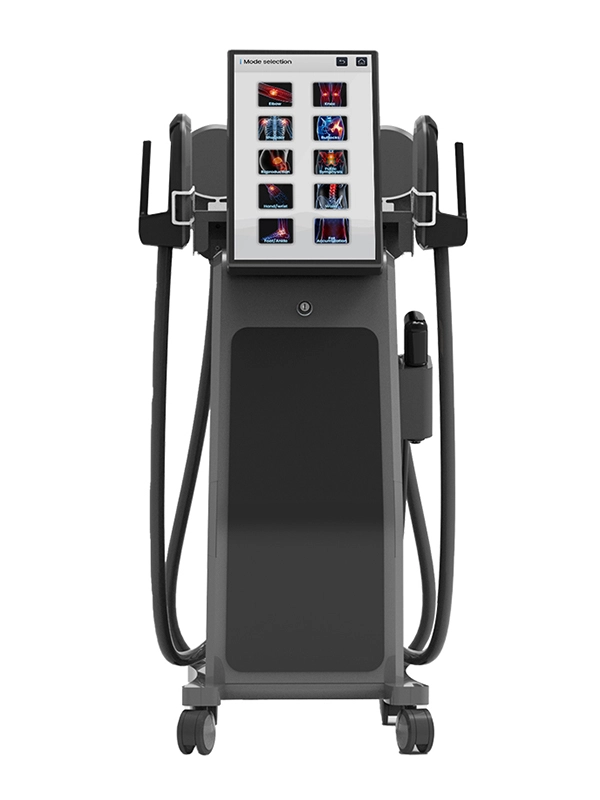
2 in 1 EMS Body sculpt machine cellulite treatment shockwave therapy EMS therapy device EMS machine for muscle stimulation
Goodway's 2-in-1 EMS Body Sculpt Machine utilizes shockwave therapy and EMS technology for effective cellulite reduction and muscle stimulation. This innovative device offers a combined approach to body sculpting, targeting both fat and muscle tone. Experience noticeable improvements with Goodway's advanced shockwave therapy machine.
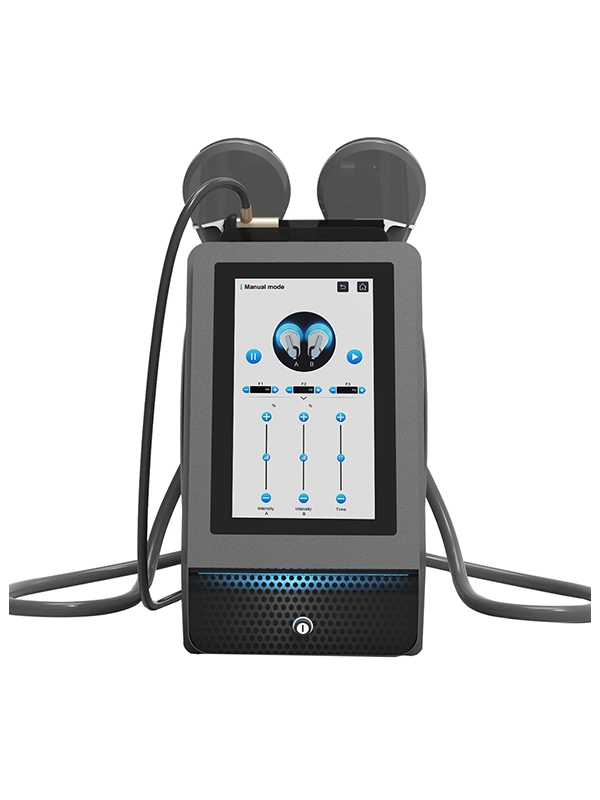
2 in 1 Best EMS beauty device shockwave therapy device body contouring shockwave ems muscle stimulator Machine
Goodway's Shockwave + MES Beauty Device is an advanced dual-therapy system combining shockwave technology for deep-tissue healing—reducing inflammation, relieving arthritis pain, and accelerating recovery—with MES electrostimulation to strengthen muscles without strain. This non-invasive, drug-free solution enhances mobility and rehabilitation, perfect for both clinical and home use.

K3 Cavitation machine Achieve Effortless Fat Loss with Our Advanced massage machine
Experience the transformative power of the Goodway's K3 Cavitation Machine. This advanced massage machine targets stubborn fat effortlessly, doubling as an effective cellulite massager. Achieve your desired body contour with ease. Discover unparalleled fat loss results today.
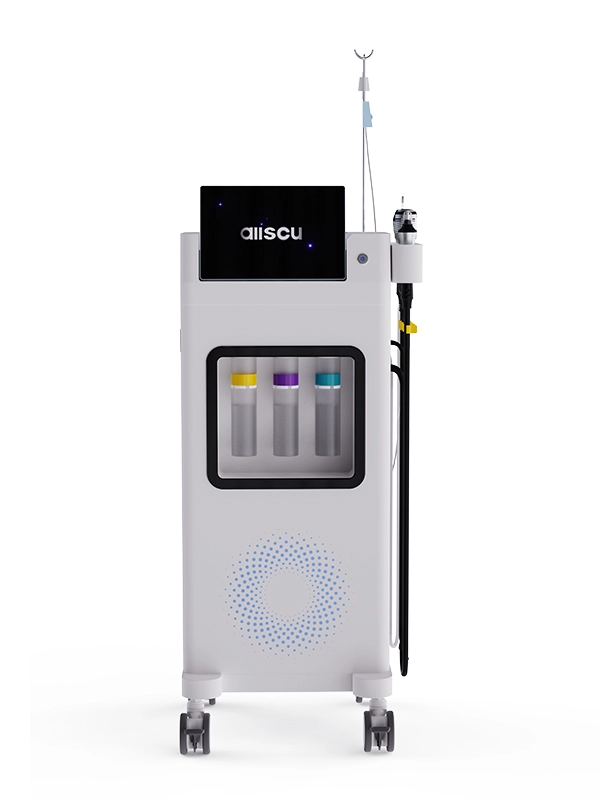
Professional Facial Spa Equipment Aqua Peel Facial Machine for Deep Cleansing and Hydration
Goodway's K8 Hydrafacial Machine is an all-in-one skin rejuvenation system that combines high-pressure deep cleansing, ice hammer pore tightening, plasma acne treatment, diamond microdermabrasion, and ultrasonic pore purification to remove impurities, reduce inflammation, and promote cell renewal—leaving skin smoother, brighter, and healthier.
 Scan QR Code
Instagram